Caffeine Withdrawal Headache Explained: Common Triggers and Red Flags

A caffeine withdrawal headache often begins 12 to 24 hours after caffeine intake drops and may last a few days. Suddenly stopping caffeine is a common trigger; tapering slowly can reduce symptoms.
Key Takeaways
- A caffeine withdrawal headache often begins 12 to 24 hours after caffeine intake drops and may last a few days.
- Suddenly stopping caffeine is a common trigger; tapering slowly can reduce symptoms.
- Other withdrawal symptoms may include fatigue, irritability, low mood, and trouble concentrating.
- Hydration, sleep, regular meals, and a gradual reduction plan can help ease recovery.
- Medical review is important if a headache is severe, unusual, persistent, or comes with warning signs such as weakness, confusion, fever, or vision changes.
Caffeine withdrawal headache is a common, usually short-lived headache that can happen when a person suddenly cuts back on coffee, tea, energy drinks, or other caffeinated products. It often improves within a few days, especially when caffeine is reduced gradually rather than stopped all at once.
Overview: what a caffeine withdrawal headache is
A caffeine withdrawal headache is a headache that develops after a person reduces or stops caffeine that the body has become used to receiving regularly. It is most often linked to coffee, but tea, cola, energy drinks, pre-workout products, some pain relievers, and even chocolate may also contribute to daily caffeine intake. For many people, the headache is uncomfortable but temporary and not a sign of serious illness.
Caffeine affects blood vessels and the nervous system. When it is consumed often, the body adapts to its presence. If intake suddenly drops, this change can trigger a withdrawal response, including headache. The discomfort may feel like pressure, throbbing, or a dull ache, and it can range from mild to strong enough to affect work, study, or daily routines.
This type of headache is not the same as every other headache. Some people who stop caffeine may notice symptoms similar to a tension-type headache, while others feel a migraine-like worsening if they are already prone to headaches. Because headache has many causes, it helps to look at timing: symptoms that begin after a meaningful drop in usual caffeine intake strongly suggest withdrawal as a possible explanation.
How it feels and when it starts
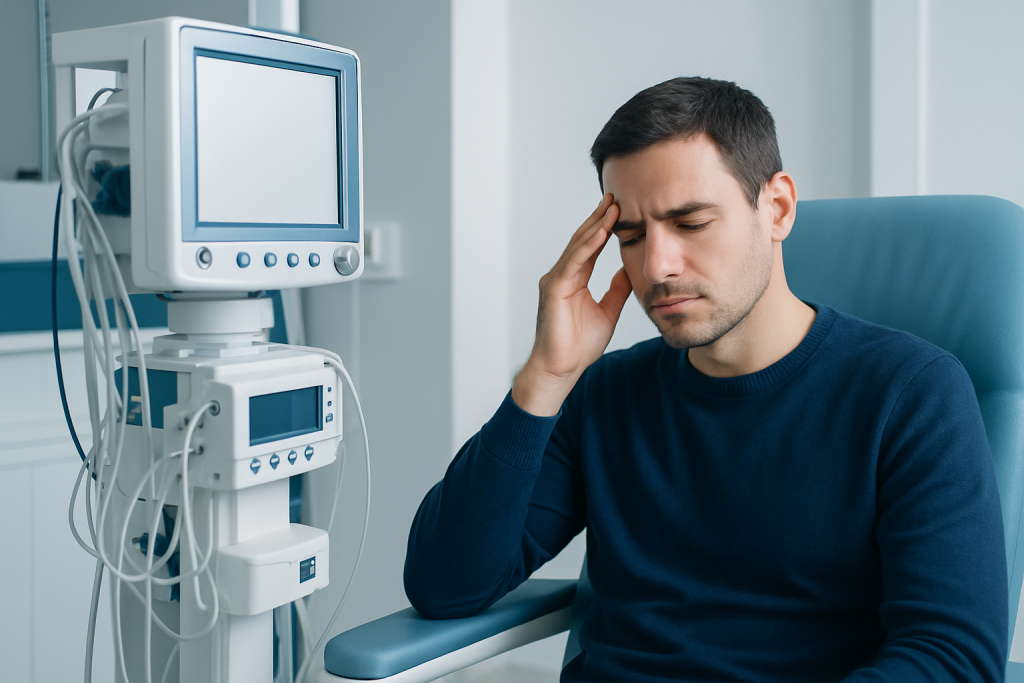
A caffeine withdrawal headache commonly starts within 12 to 24 hours after the last usual dose of caffeine or after a major reduction in intake. It may peak over the next day or two and often settles within two to nine days. The timing varies from person to person depending on how much caffeine they normally consume, how quickly they cut back, and how sensitive they are to changes in stimulant use.
The headache may be felt on both sides of the head or more generally across the forehead, temples, or behind the eyes. Some people describe it as heavy, pressing, or throbbing. It can become more noticeable with activity, poor sleep, dehydration, or missed meals. In a person with migraine, caffeine withdrawal may also lower the threshold for a more intense attack.
Other symptoms often happen at the same time. These can include:
- Fatigue or unusual sleepiness
- Irritability or feeling less patient than usual
- Difficulty concentrating
- Low mood
- Nausea or mild stomach upset
- A sense of mental fogginess
These symptoms are unpleasant but usually improve as the body readjusts. If the pattern is unclear or the headache does not fit a recent change in caffeine use, another cause may need to be considered, including migraine or other primary headache disorders.
Common triggers and who is more likely to get it

The main trigger is a sudden drop in usual caffeine intake. This often happens when someone decides to stop coffee abruptly, switches to decaffeinated drinks without tapering, travels and changes routines, starts fasting, becomes ill and eats or drinks less, or avoids caffeine before a medical test or procedure. Some people do not realize how much caffeine they are consuming each day until they stop.
Risk tends to rise when daily intake is higher and more regular. A person who drinks several cups of coffee every day is generally more likely to develop withdrawal symptoms than someone who has caffeine only occasionally. Sensitivity also varies. Some people develop symptoms after missing one routine serving, while others notice little change.
Hidden sources matter too. Energy drinks, black or green tea, certain soft drinks, caffeinated gum, supplements, and some over-the-counter pain medicines can all contribute to dependence on regular caffeine intake. When several sources are used together, the total amount may be more than expected.
Withdrawal headache can also overlap with other headache patterns. For example, some people use caffeine-containing pain relief frequently for chronic headaches and then develop rebound patterns related to medication overuse. In such cases, a doctor may consider whether symptoms fit persistent or recurring headache conditions rather than simple withdrawal alone.
How doctors tell it apart from other headaches
Doctors usually identify a caffeine withdrawal headache from the history rather than from a scan or blood test. Key clues include a recent reduction or sudden stop in caffeine, the typical timing of symptom onset, and improvement after caffeine is resumed or after the withdrawal period passes. A doctor will also ask about sleep, hydration, stress, medications, and any personal history of migraine or recurring headaches.
The goal is to distinguish a temporary withdrawal headache from other causes. Tension-type headache, migraine, sinus-related pain, dehydration, viral illness, medication side effects, and high blood pressure can all cause head pain. The full symptom pattern helps. For example, nausea, light sensitivity, and one-sided throbbing may suggest migraine, while nasal symptoms or facial pressure may point elsewhere.
Testing is not routinely needed for a typical caffeine withdrawal headache. However, doctors may recommend further evaluation if the headache is a person’s first severe headache, changes suddenly, lasts longer than expected, or comes with neurological symptoms. In some situations, imaging such as MRI or other tests may be used to rule out more serious causes.
Treatment options and practical relief
The fastest short-term way to stop a caffeine withdrawal headache is often to take caffeine again. However, this may keep the cycle going if the person wants to reduce dependence. For that reason, many people do better with a gradual taper. Instead of stopping suddenly, they reduce total caffeine over several days to weeks, depending on how much they usually consume.
Simple supportive steps can make symptoms easier to tolerate. Good hydration, regular meals, and adequate sleep are especially helpful. Some people benefit from light physical activity, a quiet environment, and limiting other triggers such as skipping breakfast or staying up late. If a pain reliever is considered, it is best used carefully and according to medical advice or label directions, since frequent use can itself lead to headache problems.
A practical taper may involve mixing regular coffee with decaffeinated coffee, choosing a smaller cup size, delaying the first caffeinated drink of the day, or replacing one serving at a time with a non-caffeinated alternative. Keeping a simple record of daily intake can help a person reduce more steadily and avoid unplanned spikes or sudden withdrawal.
If headaches are frequent, severe, or part of a broader headache condition, specialist assessment may help. Depending on the pattern, care may involve neurology evaluation and, if needed, further assessment in a dedicated headache treatment program to identify triggers and plan safer long-term management.
Prevention and self-care for safer caffeine reduction
The best prevention is to reduce caffeine gradually rather than all at once. A slow taper gives the body time to adjust. Many people find it easier to cut back by 10% to 25% every few days, although the exact pace can be individualized. There is no single perfect schedule; the right pace depends on symptoms, daily routine, and how much caffeine is being used.
Reading labels can help uncover hidden caffeine sources. Coffee and tea are obvious, but canned drinks, supplements, chocolate products, and some medications may also contribute. Once these are recognized, a person can make a more realistic taper plan and avoid accidentally replacing one caffeinated product with another.
Self-care during the transition matters. Helpful habits include drinking enough fluids, eating consistently, getting enough sleep, and managing stress. It may also help to reduce caffeine during a less demanding week rather than just before exams, travel, night shifts, or important work deadlines.
People who use caffeine to cope with chronic fatigue, poor sleep, or frequent headaches may benefit from a broader review of lifestyle and health. In some cases, caffeine use is masking another issue that deserves medical attention, such as sleep problems, anxiety, anemia, or an underlying headache disorder.
When to seek medical care
A caffeine withdrawal headache is usually self-limited, but medical advice is important if the pattern does not seem typical. A person should contact a healthcare professional if the headache lasts longer than expected, keeps returning, becomes progressively worse, or does not clearly relate to a change in caffeine use. Medical review is also sensible if there is uncertainty about whether caffeine is the cause.
Urgent assessment is needed for red flags such as a sudden explosive headache, confusion, fainting, weakness, numbness, trouble speaking, seizure, fever, stiff neck, chest pain, shortness of breath, or new vision changes. Headaches after head injury, during pregnancy, or in a person with cancer or a weakened immune system also need prompt evaluation.
Persistent or unusual headaches may require a structured assessment and, when appropriate, medical check-up to look for other causes. Near the end of the care pathway, patients who need specialist support may be evaluated by multidisciplinary teams; Acibadem International’s JCI-accredited hospitals care for international patients with headache and related neurological concerns.
Frequently asked questions
How long does a caffeine withdrawal headache last?
It often starts within 12 to 24 hours after caffeine intake drops and may last from a couple of days up to about a week. For many people, symptoms improve sooner if the reduction is gradual rather than sudden.
Can one missed cup of coffee cause a headache?
Yes, it can in people who consume caffeine regularly and are sensitive to changes in intake. The chance is higher when caffeine is used every day at roughly the same time.
Is it better to stop caffeine all at once or taper down?
For most people, tapering is easier and causes fewer withdrawal symptoms. Stopping suddenly may work for some, but it more often leads to headache, fatigue, and irritability.
What helps relieve a caffeine withdrawal headache naturally?
Hydration, regular meals, sleep, and a calm environment can help reduce discomfort. A slow taper and avoiding skipped meals or dehydration are often more effective than trying to push through symptoms without support.
Can caffeine withdrawal trigger migraine?
It can contribute to a migraine attack in someone who is already prone to migraine. That is because abrupt caffeine changes may lower the threshold for headache in sensitive individuals.
When should a person worry that it is not just caffeine withdrawal?
Concern is higher if the headache is sudden and severe, lasts longer than expected, or comes with fever, weakness, confusion, fainting, or vision changes. In those situations, a doctor should evaluate the symptoms promptly.
References
- World Health Organization
- National Institute of Neurological Disorders and Stroke
- International Headache Society
- MedlinePlus
- U.S. Food and Drug Administration
This article is for general information only and is not a substitute for professional medical advice. Please consult a qualified doctor about your individual situation.
Explore treatments in Turkey — costs, top hospitals & a free quote
JCI-accredited · board-certified surgeons · reply within 24h
Add us as a Preferred Source to see more of our trusted health content across Google Search, AI Overviews and Discover.