Can Anxiety Cause a Movement Disorder? What Patients Should Know

Anxiety can trigger or worsen tremor, muscle tension, restlessness, and other abnormal movements. Not all movement symptoms are caused by anxiety; neurological, medication-related, and metabolic causes also need to be considered.
Key Takeaways
- Anxiety can trigger or worsen tremor, muscle tension, restlessness, and other abnormal movements.
- Not all movement symptoms are caused by anxiety; neurological, medication-related, and metabolic causes also need to be considered.
- Functional movement disorder is a real condition in which abnormal movements occur without a degenerative neurological disease causing them.
- Diagnosis usually depends on a detailed history, neurological examination, and tests when needed to rule out other conditions.
- Treatment may include education, physical therapy, stress management, psychological support, and targeted care for any underlying disorder.
Anxiety can affect how the body moves and may worsen shaking, twitching, or muscle tension. In some people, anxiety is part of a functional movement disorder, but a careful medical evaluation is important because not every movement problem is caused by stress or anxiety.
Overview
Many patients notice that stress or anxiety changes the way their body feels and moves. Hands may shake before an important event, muscles may tighten, and some people may develop jerking, trembling, or a sense of inner restlessness. Because these symptoms can be upsetting, it is natural to wonder whether anxiety itself can cause a movement disorder.
The short answer is that anxiety can contribute to abnormal movements, and in some cases it is closely linked to a condition called functional movement disorder. At the same time, anxiety is not the only possible explanation. Tremor, tics, medication side effects, thyroid problems, neurological diseases, and other medical conditions can also affect movement.
For that reason, movement symptoms should be assessed carefully rather than being dismissed as “just anxiety.” A thoughtful evaluation can help identify whether anxiety is the main driver, whether it is making another condition worse, or whether a separate neurological problem is present. This approach helps patients receive the most appropriate and reassuring care.
How Anxiety Can Affect Movement
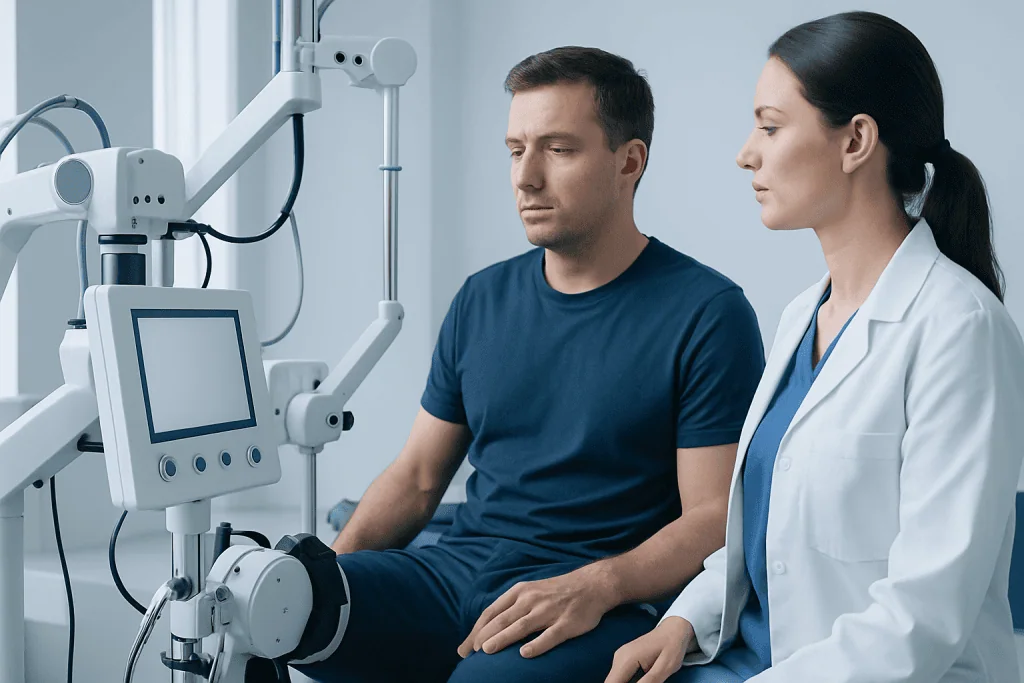
Anxiety activates the body’s stress response. This can increase adrenaline, raise muscle tension, speed up breathing, and make the nervous system more alert. As a result, a person may experience trembling, shaky hands, jaw tightness, fidgeting, pacing, a shaky voice, eyelid twitching, or a feeling that the legs need to keep moving.
In some people, anxiety mainly amplifies normal body sensations. A mild physiologic tremor that would usually go unnoticed may become more visible during stress, fatigue, or too much caffeine. Symptoms may seem stronger in public situations, during emotional stress, or when attention is focused closely on the movement.
Anxiety can also coexist with functional neurological symptoms. In functional movement disorder, the movements are real and involuntary, but they are not caused by structural damage such as stroke, tumor, or neurodegeneration. Symptoms may fluctuate, sometimes improve with distraction, and often worsen during periods of stress, poor sleep, or emotional overload.
This does not mean the symptoms are imagined or deliberate. Rather, the brain’s control of movement is being disrupted in a way that can be influenced by attention, stress, and body awareness. Understanding this can help reduce stigma and support recovery.
Symptoms That May Be Linked to Anxiety

Movement-related symptoms connected with anxiety can vary widely. Some are brief and situational, while others can become more persistent and interfere with daily activities. The pattern, timing, and triggers often give helpful clues.
Possible symptoms include:
- Shaking or trembling, especially in the hands
- Muscle tension or stiffness
- Jerking, twitching, or sudden movements
- Restlessness or an urge to keep moving
- Changes in walking, balance, or posture
- Voice tremor or quivering speech
- Worsening of existing tics or tremor during stress
Symptoms that tend to appear or intensify during emotionally stressful situations may suggest anxiety is playing a role. Some people notice variability from one moment to the next, while others find that the movement lessens when they are distracted, relaxed, or deeply engaged in another task.
Still, symptom patterns can overlap with other conditions. For example, tremor may occur with anxiety but can also be seen in essential tremor or medication side effects. A full assessment helps place symptoms in the right context.
Other Possible Causes and Risk Factors
Although anxiety can influence movement, it is important not to assume it is the only cause. Many movement symptoms have medical explanations that deserve attention. These include neurological conditions, endocrine disorders, metabolic problems, sleep deprivation, stimulant use, and side effects from certain medications.
Common examples include essential tremor, Parkinsonian symptoms, tics, dystonia, drug-induced movement disorders, and overactive thyroid function. Caffeine, nicotine, some asthma medications, antidepressants, antipsychotic medicines, and other substances can also worsen shakiness or restlessness in some patients.
Risk factors for anxiety-related or functional movement symptoms may include recent life stress, panic symptoms, chronic pain, fatigue, poor sleep, prior illness or injury, and coexisting depression or trauma-related symptoms. However, these factors are not present in every patient, and their absence does not rule anything in or out.
Because the causes can overlap, patients benefit from seeing a clinician with experience in abnormal movements, such as a neurologist or movement disorders program team. Careful diagnosis is often the most important step toward improvement.
How Doctors Make the Diagnosis
Diagnosis begins with a detailed medical history. The doctor will ask when the movements started, whether they are constant or intermittent, what triggers them, whether they change with stress or distraction, and whether there are other symptoms such as weakness, numbness, palpitations, panic, medication changes, or sleep problems.
A neurological examination is especially important. Doctors look at the type of movement, where it occurs, whether it is rhythmic or irregular, and how it changes during specific tasks. In functional movement disorder, certain positive examination features may help the doctor recognize the pattern. This means the diagnosis is not simply based on “normal tests,” but on signs that fit the condition.
Tests may be recommended depending on the situation. These can include blood work to check thyroid function or metabolic causes, medication review, and in some cases brain imaging or neurophysiological studies. If seizures are a concern, specialized testing may be considered. The goal is to rule out important alternative explanations while avoiding unnecessary tests.
Some patients may also benefit from evaluation by specialists in neurophysiology or mental health, especially when symptoms are complex or overlap with panic, trauma, or dissociation. A clear explanation of the diagnosis can itself be therapeutic and can make treatment more effective.
Treatment Options
Treatment depends on the underlying cause. If anxiety is worsening a mild tremor or muscle tension, addressing stress, sleep, caffeine intake, and emotional health may lead to meaningful improvement. If the person has a specific neurological disorder, treatment is directed toward that condition as well as any anxiety that is amplifying symptoms.
For functional movement disorder, treatment often works best when it is multidisciplinary. Patients may benefit from education about how symptoms arise, targeted physical therapy focused on retraining normal movement, and psychological therapies that help reduce symptom triggers and improve coping. When anxiety or depression is significant, counseling and, in some cases, medication may be helpful.
If another movement disorder is diagnosed, treatment can include specialist rehabilitation, medication adjustment, and condition-specific therapies. In selected cases, advanced options such as deep brain stimulation may be relevant for certain neurological movement disorders, though not for anxiety alone. The treatment plan should always be personalized.
It is often helpful for patients to hear that improvement is possible even when symptoms have been present for some time. Progress may be gradual, and setbacks can happen during stressful periods, but many people improve with the right combination of diagnosis, therapy, and ongoing support.
Self-Care and Practical Ways to Reduce Symptoms
Self-care cannot replace medical assessment, but it can support recovery and reduce symptom intensity. Regular sleep, balanced meals, hydration, and limiting excess caffeine or other stimulants may lessen shakiness and physical tension. Gentle exercise and breathing exercises can also help calm the stress response.
Many patients benefit from learning to shift attention away from the movement rather than monitoring it constantly. Techniques such as grounding, paced breathing, mindfulness, and structured relaxation may reduce symptom amplification. Keeping a simple symptom diary can also help identify triggers such as poor sleep, stress, or certain substances.
It can be useful to address the broader impact of anxiety as well. Cognitive behavioral strategies, counseling, and support from a mental health professional may improve both emotional distress and physical symptoms. If there is a concern about a condition such as Parkinson’s disease, patients should avoid self-diagnosing and seek specialist guidance instead.
Near the end of the care journey, some patients also want coordinated international support. Acibadem International’s multidisciplinary specialists and JCI-accredited hospitals evaluate and treat movement symptoms for international patients when more advanced assessment is needed.
When to See a Doctor
A doctor should assess any new, persistent, or worsening movement problem. This is especially important if the symptom interferes with walking, writing, work, sleep, or daily activities, or if it appears without an obvious trigger. Even when anxiety seems likely, a proper evaluation can help confirm the cause and guide treatment.
Prompt medical attention is also important if movement symptoms occur with weakness, numbness, fainting, seizures, confusion, severe headache, chest pain, or sudden changes in speech or vision. These features are not typical of simple anxiety and may need urgent care.
Patients who already have anxiety should not feel embarrassed about bringing up movement symptoms. Anxiety can be part of the picture, but symptoms still deserve careful review. A respectful, evidence-based assessment can help patients feel heard and supported.
If symptoms are ongoing, referral to a neurologist, a movement disorders specialist, or a rehabilitation team may be recommended. Early, accurate diagnosis often reduces uncertainty and helps people start effective treatment sooner.
Frequently asked questions
Can anxiety really cause involuntary movements?
Anxiety can contribute to shaking, trembling, twitching, muscle tension, and restlessness. In some people, it can also be associated with functional movement disorder, where movements are real and involuntary but not caused by structural neurological disease.
How can a person tell whether it is anxiety or a neurological disorder?
It is often not possible to tell based on symptoms alone. A doctor looks at the history, examination findings, triggers, and sometimes test results to decide whether anxiety is the main factor, a contributing factor, or not the cause.
What is a functional movement disorder?
Functional movement disorder is a condition in which abnormal movements occur because of a problem in how the nervous system functions, not because of brain degeneration or injury seen on routine scans. The symptoms are genuine, can be disabling, and often improve with the right explanation and treatment.
Can stress make an existing tremor worse?
Yes. Stress, anxiety, fatigue, and stimulants such as caffeine can make many types of tremor more noticeable. This does not always mean anxiety is the original cause, but it can be an important aggravating factor.
Are anxiety-related movement symptoms treatable?
In many cases, yes. Treatment may include education, stress reduction, psychological support, physical therapy, sleep improvement, and management of any underlying medical condition. The best plan depends on the exact diagnosis.
Should a person seek medical care if the movements come and go?
Yes, especially if the symptoms are new, recurrent, or affecting daily life. Intermittent symptoms can still have an identifiable cause, and medical assessment can help rule out important neurological or medication-related problems.
References
- National Institute of Neurological Disorders and Stroke
- National Institute of Mental Health
- American Academy of Neurology
- NHS
- Cleveland Clinic
This article is for general information only and is not a substitute for professional medical advice. Please consult a qualified doctor about your individual situation.
Explore treatments in Turkey — costs, top hospitals & a free quote
JCI-accredited · board-certified surgeons · reply within 24h
Add us as a Preferred Source to see more of our trusted health content across Google Search, AI Overviews and Discover.

Neurology
Diagnosis and treatment of disorders of the brain, spinal cord, nerves and muscles.
51 specialists in this unit