Can Birth Control Cause Diarrhea? Causes, Explanations, and Next Steps

Diarrhea can happen while using birth control, but it is not among the most common effects of most hormonal methods. A short episode is often unrelated to contraception and may result from viral gastroenteritis, food intolerance, antibiotics, or stress.
Key Takeaways
- Diarrhea can happen while using birth control, but it is not among the most common effects of most hormonal methods.
- A short episode is often unrelated to contraception and may result from viral gastroenteritis, food intolerance, antibiotics, or stress.
- Vomiting or severe diarrhea can reduce absorption of oral contraceptive pills, so backup contraception may be needed.
- Birth control methods that do not rely on gut absorption, such as implants, injections, patches, rings, and IUDs, are not affected by diarrhea in the same way.
- Medical assessment is important for prolonged symptoms, signs of dehydration, severe abdominal pain, fever, or blood in the stool.
Can birth control cause diarrhea? It is possible, particularly when a new hormonal method is started, but brief diarrhea is more often caused by a stomach infection, food-related illness, stress, or another medication. Most episodes settle with fluids and monitoring, but persistent diarrhea, dehydration, severe pain, fever, or blood in stool should be medically reviewed.
Can birth control cause diarrhea?
Can birth control cause diarrhea? Yes, diarrhea may occur in some people using hormonal birth control, especially during the first few months after beginning a new method. However, it is usually mild and temporary, and a short episode of loose stools is often due to something else, such as a viral stomach illness, food poisoning, dietary changes, stress, or another medicine.
Hormonal contraception can affect the body in different ways because estrogen and progestin may influence fluid balance, intestinal movement, and sensitivity in the digestive system. Still, diarrhea is not considered a common or defining side effect of most birth control methods. Looking at the timing of symptoms, recent exposures, other medicines, and associated symptoms can help clarify the likely cause.
The most important practical issue is that significant diarrhea can interfere with the absorption of an oral contraceptive pill. This does not mean every loose bowel movement causes contraceptive failure, but prolonged or severe diarrhea deserves attention and may require temporary backup contraception.
How birth control and the digestive system may be connected
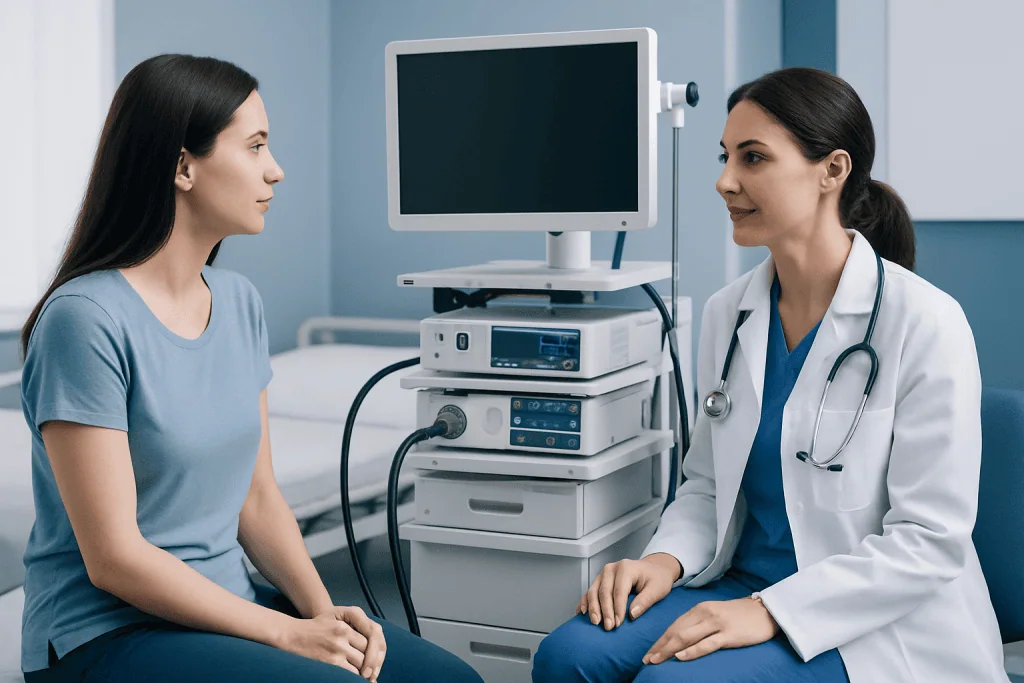
The digestive tract contains hormone receptors, and normal changes in hormone levels can affect bowel habits. Some people notice nausea, bloating, constipation, or looser stools after starting combined hormonal pills or progestin-only pills. These effects may improve as the body adjusts over several cycles.
Diarrhea may also occur indirectly. For example, nausea related to a new pill may lead someone to change eating habits, while anxiety about side effects can itself increase bowel urgency. In people with an underlying bowel condition, natural hormonal fluctuations or a new contraceptive method may coincide with a flare, although this does not necessarily mean birth control is the cause.
Not all birth control is absorbed through the digestive system. An intrauterine device, implant, injection, vaginal ring, and skin patch deliver contraception without depending on intestinal absorption. These methods can still have side effects, but diarrhea does not reduce their effectiveness.
Other common causes of diarrhea while using birth control

Because diarrhea is common, it is important not to automatically blame birth control. Acute diarrhea is frequently caused by viral gastroenteritis, contaminated food or water, travel-related infections, or contact with someone who has a stomach illness. It may occur with nausea, vomiting, cramps, fever, or a general feeling of being unwell.
Other possible causes include a sudden increase in caffeine or alcohol, artificial sweeteners, lactose intolerance, food sensitivities, antibiotics, magnesium-containing products, and certain diabetes or weight-management medicines. Stress and irritable bowel syndrome can also cause recurrent loose stools, often with abdominal discomfort that improves after passing stool.
Longer-lasting symptoms require a broader review. Conditions such as inflammatory bowel disease, coeliac disease, thyroid disorders, pancreatic problems, and persistent infections can cause diarrhea. A clinician may consider irritable bowel syndrome or other digestive conditions based on the symptom pattern, personal history, examination, and testing when appropriate.
Does diarrhea make birth control pills less effective?
Diarrhea mainly matters for birth control that is swallowed, including combined oral contraceptive pills and progestin-only pills. A single mild loose stool is unlikely to prevent adequate absorption. The concern is severe diarrhea or diarrhea that continues for more than about 24 hours, particularly if it occurs soon after taking a pill.
When diarrhea is severe or ongoing, the body may not fully absorb the hormone dose. People using oral contraception should continue taking their pill at the usual time, follow the instructions in the medicine leaflet, and use condoms or avoid sex until they have followed the recommended backup period for their specific pill. The advice differs between combined pills and progestin-only pills, so a pharmacist or prescribing clinician can provide method-specific guidance.
Vomiting can create a similar concern, especially if it happens within a few hours of taking an oral pill. People who regularly have bowel symptoms or are worried about absorption may wish to discuss alternatives such as a hormonal or copper intrauterine device or another non-oral method with a qualified clinician.
- Continue the contraceptive pill unless a clinician advises otherwise.
- Check the patient information leaflet for missed-pill and diarrhea instructions.
- Use condoms as backup when recommended for the pill type and duration of symptoms.
- Consider emergency contraception promptly if unprotected sex occurred and there is concern about reduced pill absorption.
What a doctor may check
When diarrhea is persistent, recurrent, severe, or clearly starts after a contraceptive change, a doctor will usually begin with a detailed history. They may ask when the symptoms began, how often stools occur, whether there is vomiting, fever, weight change, blood or mucus in stool, recent travel, food exposures, sick contacts, and all medicines or supplements being used.
The clinician may also review the exact birth control method, how consistently it has been used, and whether symptoms occur in relation to pill-taking or the menstrual cycle. A physical examination may assess hydration, abdominal tenderness, and other signs that point toward infection or a digestive condition rather than a medication effect.
Tests are not always needed for a brief, uncomplicated episode. Depending on the situation, a doctor may request blood tests, stool testing, a pregnancy test, or further digestive assessment. If birth control seems likely to be contributing, they may suggest a different formulation or method rather than asking the person to stop contraception without a plan.
Practical self-care and prevention
For mild, short-lived diarrhea, preventing dehydration is the priority. Drinking water regularly, using an oral rehydration solution when needed, and eating simple foods as tolerated can help. Rest is often useful, and fatty foods, alcohol, excess caffeine, and foods that clearly worsen symptoms may be best avoided until recovery.
Do not start antidiarrheal medicines without considering the cause. These medicines may not be suitable when there is fever, blood in the stool, severe abdominal pain, or suspicion of an infection that needs medical assessment. A pharmacist or doctor can advise on safe options for an individual situation.
Keeping a brief symptom diary can be helpful if symptoms recur. It can include the contraceptive method, timing of doses, bowel movements, foods, menstrual bleeding, stress levels, and other medicines. This information may make patterns easier to identify during a medical appointment.
For people who experience persistent digestive side effects with oral contraception, changing to a method that does not pass through the gastrointestinal tract may be an option. Decisions should take into account medical history, contraception preferences, menstrual symptoms, and pregnancy plans.
When to seek medical care
Urgent medical advice is appropriate for diarrhea with signs of dehydration, including marked thirst, dizziness, fainting, confusion, very little urine, or inability to keep fluids down. Prompt assessment is also important for blood or black stools, severe or worsening abdominal pain, high fever, persistent vomiting, or diarrhea after a recent course of antibiotics.
A non-urgent medical appointment is sensible when diarrhea lasts more than a few days, returns repeatedly, disrupts daily life, is associated with unexplained weight loss, or begins soon after starting or changing birth control. A clinician can help determine whether the method should be changed and advise how to maintain reliable contraception while symptoms are investigated.
People who think their oral pill may not have been absorbed should contact a pharmacist, sexual health clinician, or doctor for timely, method-specific advice. Acibadem International’s multidisciplinary specialists and JCI-accredited hospitals can assess persistent digestive symptoms and discuss suitable contraceptive care for international patients.
Frequently asked questions
Is diarrhea a normal side effect of birth control?
Diarrhea can occur while using birth control, but it is not one of the most common side effects of most methods. If it is mild and brief after starting a new pill, it may settle as the body adjusts. Persistent or severe symptoms should not be assumed to be caused by contraception and should be discussed with a clinician.
Can one episode of diarrhea stop my birth control pill from working?
One mild loose stool is unlikely to affect the effectiveness of an oral contraceptive pill. Severe diarrhea or diarrhea lasting more than about 24 hours may reduce absorption. The correct backup advice depends on the specific pill, so the medicine leaflet, pharmacist, or prescriber should be consulted.
Should I stop taking birth control if I have diarrhea?
In most cases, a person should keep taking their birth control pill on schedule unless a healthcare professional advises otherwise. Stopping suddenly can increase the risk of pregnancy if no alternative contraception is used. Backup condoms may be needed if severe or prolonged diarrhea could affect pill absorption.
Does diarrhea affect an IUD, implant, patch, ring, or injection?
No, diarrhea does not reduce the effectiveness of methods that are not absorbed through the digestive tract. This includes IUDs, contraceptive implants, injections, skin patches, and vaginal rings. A person should still seek medical advice if diarrhea is severe or persistent for their general health.
How long should diarrhea last before I see a doctor?
Many uncomplicated episodes improve within a few days. Medical review is appropriate if symptoms persist beyond a few days, recur often, or interfere with daily activities. Urgent care is needed sooner if there is dehydration, severe pain, fever, blood in stool, or ongoing vomiting.
Could pregnancy cause diarrhea while taking birth control?
Pregnancy can cause digestive changes, but diarrhea alone is not a reliable sign of pregnancy. If pills were missed, vomiting or severe diarrhea may have affected absorption, or pregnancy symptoms are present, a pregnancy test can be considered at the appropriate time. A clinician or pharmacist can advise about testing and contraception protection.
This article is for general information only and is not a substitute for professional medical advice. Please consult a qualified doctor about your individual situation.
Persistent digestive symptoms? Get evaluated in Turkey
JCI-accredited · board-certified surgeons · reply within 24h
Add us as a Preferred Source to see more of our trusted health content across Google Search, AI Overviews and Discover.

More from the Health Library

Signs of Diabetes in Men: Common Causes, Related Conditions, and When to See a Doctor

How to Cure Gastritis Permanently? Causes, Explanations, and Next Steps

How to Get Rid of Dark Buttocks in a Week? Here Is What the Evidence Says

How to Cure High Blood Pressure in 3 Minutes? Causes, Explanations, and Next Steps

What Is Deja Vu? Causes, Explanations, and Next Steps

How to Improve Posture? Here Is What the Evidence Says
Gastroenterology Specialists at Acibadem

Prof. Dr. Erkin Öztaş
Gastroenterology
Prof. Dr. Ethem Tankurt
Gastroenterology
Prof. Dr. Fatih Oğuz Önder
Gastroenterology
Dr. Fatma Seçil Kırdök
Gastroenterology