Can Brain Disorders Cause Sleep Problems?

The brain regulates sleep cycles, breathing, movement, and wakefulness, so neurological disorders can affect sleep in many ways. Common sleep-related symptoms include insomnia, daytime sleepiness, acting out dreams, restless legs, and pauses in breathing during sleep.
Key Takeaways
- The brain regulates sleep cycles, breathing, movement, and wakefulness, so neurological disorders can affect sleep in many ways.
- Common sleep-related symptoms include insomnia, daytime sleepiness, acting out dreams, restless legs, and pauses in breathing during sleep.
- Accurate diagnosis may involve a neurological exam, sleep history, sleep study, imaging, and sometimes blood tests.
- Treatment depends on the cause and may include sleep habits, medicines, breathing support, therapy, or treatment of the underlying brain disorder.
- New or worsening sleep problems should be discussed with a doctor, especially if they affect safety, thinking, mood, or daily functioning.
Yes, brain disorders can cause sleep problems. Because the brain controls sleep timing, breathing, movement, and alertness, neurological conditions may lead to insomnia, excessive sleepiness, vivid dreams, restless sleep, or disrupted breathing during sleep.
Overview: How the Brain and Sleep Are Connected
Sleep is not a passive state. It is an active process directed by networks in the brain that control the sleep-wake cycle, breathing, muscle tone, movement, dreaming, and alertness during the day. When a brain disorder affects these networks, sleep can change in noticeable ways.
Brain disorders and sleep problems are closely linked. In some people, a neurological condition directly disrupts sleep. In others, pain, mood changes, medications, breathing problems, or changes in daily routine related to the condition may worsen sleep quality. Sleep problems can also make neurological symptoms feel worse by affecting memory, concentration, mood, balance, and energy.
Many different conditions may be involved, including stroke, Parkinson’s disease, dementia, epilepsy, multiple sclerosis, traumatic brain injury, brain tumors, migraine, and disorders that affect breathing control or movement during sleep. Sometimes a sleep problem appears before other neurological symptoms become clear, so careful evaluation can be important.
What Sleep Problems Can Happen With Brain Disorders?
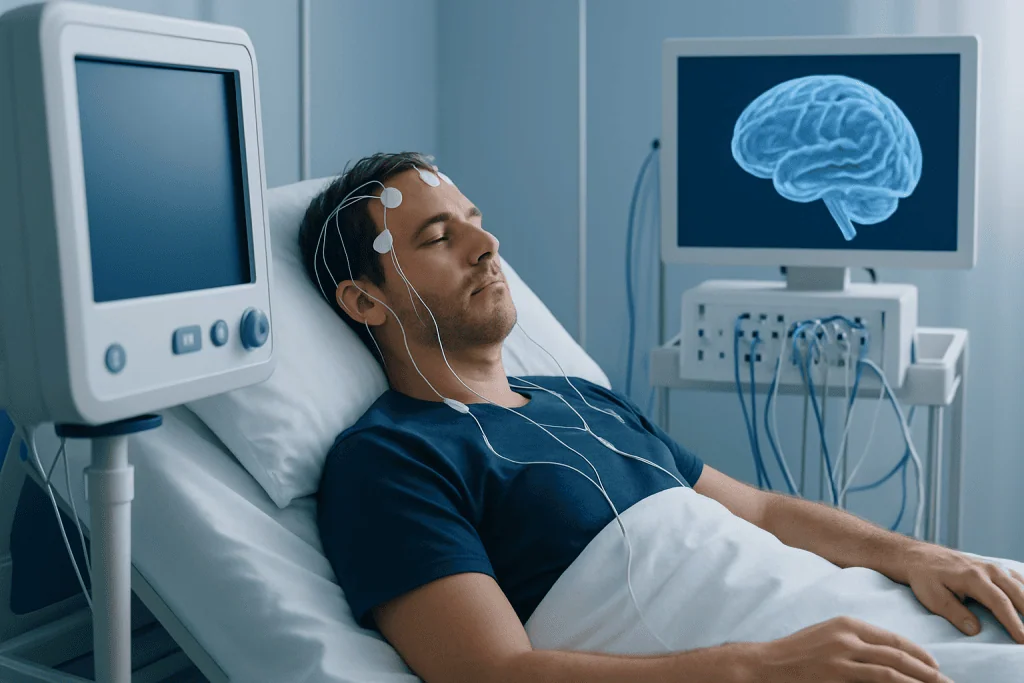
Sleep-related symptoms vary widely depending on which part of the brain or nervous system is affected. Some people have trouble falling asleep or staying asleep. Others sleep for many hours but still feel unrefreshed, or they may become very sleepy during the day.
Common sleep problems linked to neurological disorders include:
- Insomnia, including frequent waking or early morning waking
- Excessive daytime sleepiness or sudden sleep episodes
- Sleep apnea or other sleep-related breathing problems
- Restless legs syndrome and periodic limb movements during sleep
- Acting out dreams during REM sleep
- Disrupted body clock and irregular sleep timing
- Nightmares, vivid dreams, confusion at night, or sleepwalking-like behaviors
These symptoms may occur alone or together. For example, a person with Parkinson’s disease may have insomnia, dream enactment, and daytime sleepiness, while someone recovering from a stroke may experience fragmented sleep, fatigue, or sleep-disordered breathing. In children and adults, seizures may also disturb sleep or become more likely when sleep is poor.
Sleep issues should not be dismissed as a minor side effect of a neurological condition. Better sleep may improve daytime function, mood, rehabilitation, and quality of life, even when the underlying disorder is chronic.
Causes and Risk Factors

The brain contains specialized centers that regulate circadian rhythm, arousal, REM and non-REM sleep, breathing, and movement. Damage or dysfunction in these areas can lead directly to sleep disturbances. This may happen after a stroke, traumatic brain injury, neurodegenerative disease, brain infection, inflammation, or structural changes in the brain.
Different neurological conditions affect sleep in different ways. Parkinsonian disorders may reduce normal muscle paralysis during dreaming and cause REM sleep behavior disorder. Dementia can disrupt the internal body clock and increase nighttime confusion. Epilepsy can interrupt sleep through nighttime seizures or medications used for seizure control. Disorders affecting the brainstem may interfere with breathing control during sleep. Conditions such as multiple sclerosis may contribute to insomnia, pain, spasms, bladder symptoms, or fatigue that disturb rest.
Risk factors are not only neurological. Age, obesity, anxiety, depression, chronic pain, alcohol use, caffeine, shift work, and some medicines can worsen sleep. In some cases, treatment for a brain disorder may contribute to insomnia or daytime drowsiness. This is why doctors usually look at the whole person, not just the neurological diagnosis.
It is also common for sleep and neurological symptoms to influence each other. Poor sleep can worsen headaches, concentration, balance, seizure control, and mood. At the same time, the neurological condition can make healthy sleep harder to achieve, creating a cycle that may need targeted treatment from both neurology and sleep specialists.
How Doctors Diagnose the Cause
Diagnosis starts with a detailed medical history. The doctor will ask about the type of sleep problem, when it started, how often it happens, and whether snoring, breathing pauses, leg movements, dream enactment, headaches, seizures, or daytime sleepiness are present. Information from a bed partner or family member can be especially helpful because some nighttime symptoms are not remembered.
A neurological and physical examination may be followed by tests based on the suspected cause. These can include sleep diaries, questionnaires, blood tests, and an overnight sleep study. A sleep study can help detect sleep apnea, abnormal movements, unusual behaviors during sleep, and changes in sleep stages. If daytime sleepiness is a major problem, a daytime nap test may also be used.
When a structural or neurological cause is suspected, the doctor may recommend brain imaging such as MRI scanning or other specialized evaluations. Some people may need an EEG if seizures are possible, or cognitive testing if memory and thinking changes are present. If breathing problems are suspected, assessment by a specialist in sleep apnea treatment may be appropriate.
The goal is to identify whether the sleep problem is primarily neurological, primarily a sleep disorder, or a combination of both. This step matters because treatment is most effective when it addresses the true cause rather than only the symptom.
Treatment Options
Treatment depends on the underlying diagnosis, symptom pattern, overall health, and current medications. In many cases, improving sleep means treating both the neurological condition and the sleep disorder. For example, controlling seizures, optimizing Parkinson’s treatment, or managing pain may improve sleep quality. Likewise, treating a separate sleep problem may reduce fatigue and improve daytime function.
Common approaches include better sleep habits, adjusting medicines that interfere with sleep, and treating coexisting conditions such as anxiety, depression, reflux, or nighttime bladder symptoms. For insomnia, doctors may recommend behavioral strategies such as cognitive behavioral therapy for insomnia. For sleep-related breathing problems, treatments may include weight management, positional strategies, oral appliances, or positive airway pressure therapy through a structured sleep disorder treatment plan.
Some neurological sleep problems need more specific care. REM sleep behavior disorder, restless legs syndrome, circadian rhythm disorders, or hypersomnia may require targeted evaluation and treatment. If a structural problem such as a tumor, hydrocephalus, or other brain lesion is involved, management may include advanced neurological or neurosurgery care when appropriate.
Care is often multidisciplinary. Neurologists, sleep medicine physicians, pulmonologists, psychiatrists, rehabilitation specialists, and primary care doctors may all play a role. Near the end of the care pathway, some patients also seek coordinated international evaluation; Acibadem International’s multidisciplinary specialists and JCI-accredited hospitals diagnose and treat neurological and sleep-related conditions for international patients.
Prevention and Self-Care
Not every neurological sleep problem can be prevented, but healthy habits can reduce strain on the sleep-wake system and support treatment. Regular bed and wake times, daylight exposure in the morning, physical activity suited to the person’s condition, and a calm bedtime routine can all help. Bedrooms are usually best kept dark, quiet, and comfortable.
It may also help to limit alcohol, nicotine, and late-day caffeine, and to reduce screen use before bed. People who snore loudly or stop breathing during sleep should avoid sedatives unless a doctor advises them, as these may worsen breathing problems. If medicines seem to cause insomnia or excessive sleepiness, they should not be stopped suddenly, but the prescribing doctor should be asked whether timing or dosage can be safely adjusted.
Safety is important when nighttime behaviors occur. If a person acts out dreams, sleepwalks, has nocturnal confusion, or is at risk of falling, the sleep environment may need simple precautions such as removing sharp objects, padding nearby furniture, and ensuring a clear path to the bathroom. Family members can often help by observing patterns and sharing them with the care team.
Keeping a sleep diary can be useful. Recording bedtimes, wake times, naps, symptoms, and triggers may reveal patterns that help the doctor decide what to test and how to treat the problem.
When to See a Doctor
A doctor should evaluate sleep problems that last more than a few weeks, recur often, or affect daytime function. Medical advice is especially important if there is loud snoring, choking during sleep, severe daytime sleepiness, morning headaches, memory decline, falls, unusual nighttime behaviors, or concern for seizures.
Urgent medical care may be needed if sleep symptoms are linked with sudden neurological changes such as new weakness, trouble speaking, severe confusion, head injury, or symptoms suggestive of stroke. It is also important to seek prompt care if a person becomes unsafe while driving, working, or walking because of sleepiness.
People already diagnosed with a neurological disorder should mention any new sleep change at follow-up visits. Sleep changes can sometimes signal progression of a condition, medication side effects, or a separate treatable sleep disorder. Early evaluation can make treatment more effective and reduce the impact on daily life.
Frequently asked questions
Can a brain disorder really cause insomnia?
Yes. Brain disorders can affect the systems that control sleep timing, alertness, mood, pain, and movement, all of which can contribute to insomnia. In some people, insomnia is caused directly by the neurological condition, while in others it is related to symptoms, medications, or stress linked to the illness.
Which brain disorders are most commonly linked to sleep problems?
Sleep problems are often seen with Parkinson's disease, dementia, stroke, epilepsy, multiple sclerosis, traumatic brain injury, and some brainstem disorders. However, many other neurological conditions can also affect sleep. The exact sleep symptom depends on which brain pathways are involved.
Are sleep problems sometimes an early sign of a neurological condition?
They can be. In some cases, changes such as acting out dreams, excessive daytime sleepiness, or a major shift in sleep timing appear before other neurological symptoms become obvious. This does not mean every sleep problem is caused by a brain disorder, but persistent or unusual symptoms deserve medical attention.
How do doctors tell whether the cause is neurological or just poor sleep habits?
Doctors look at the full picture, including medical history, nighttime symptoms, medications, daily habits, and examination findings. They may recommend a sleep study, imaging, EEG, or blood tests when needed. This helps separate lifestyle-related sleep issues from neurological causes or identify when both are present.
Can treating sleep problems improve neurological symptoms?
Often, yes. Better sleep may improve concentration, mood, energy, rehabilitation, and overall quality of life. In some conditions, treating sleep apnea or insomnia may also reduce strain on the brain and make daytime symptoms easier to manage.
When should someone seek urgent help for sleep-related symptoms?
Urgent care is important if sleep symptoms come with sudden weakness, trouble speaking, severe confusion, a head injury, or possible seizure activity. Immediate help is also needed if severe sleepiness creates a safety risk, such as falling asleep while driving or working. These situations need prompt medical assessment.
References
- American Academy of Sleep Medicine
- National Institute of Neurological Disorders and Stroke
- National Institute on Aging
- American Academy of Neurology
- World Health Organization
This article is for general information only and is not a substitute for professional medical advice. Please consult a qualified doctor about your individual situation.
Explore treatments in Turkey — costs, top hospitals & a free quote
JCI-accredited · board-certified surgeons · reply within 24h
Add us as a Preferred Source to see more of our trusted health content across Google Search, AI Overviews and Discover.

More from the Health Library



Related Specialists

Dr. Sema Selim Kechagia
Emergency Service
Prof. Dr. Bahattin Çiçek
Gastroenterology
Prof. Dr. Taner Güneş
Orthopedic Surgery & Traumatology
Dr. Yalçin Ünlü
Internal Medicine