Can Sleep Apnea Lead to Neurological Problems Over Time?

Sleep apnea may affect brain health through low oxygen levels and repeated sleep disruption. Possible neurological effects include daytime sleepiness, poor concentration, memory problems, mood changes, and increased stroke risk.
Key Takeaways
- Sleep apnea may affect brain health through low oxygen levels and repeated sleep disruption.
- Possible neurological effects include daytime sleepiness, poor concentration, memory problems, mood changes, and increased stroke risk.
- Not everyone with sleep apnea develops neurological complications, and effective treatment can reduce many risks.
- Diagnosis usually involves a sleep evaluation and a sleep study, either at home or in a sleep laboratory.
- Treatment may include CPAP, oral appliances, weight management, positional therapy, or selected procedures.
Sleep apnea can affect more than breathing during sleep. Over time, repeated drops in oxygen and fragmented sleep may influence memory, concentration, mood, and the risk of some neurological conditions, especially if the disorder is not diagnosed and treated.
Overview: How Sleep Apnea Can Affect the Nervous System
Sleep apnea is a sleep disorder in which breathing repeatedly pauses or becomes too shallow during sleep. The most common form is obstructive sleep apnea, which happens when the upper airway narrows or collapses. A less common form, central sleep apnea, involves changes in the brain’s control of breathing. In both cases, sleep is repeatedly interrupted, even if the person does not fully wake up or remember these events.
Over time, these repeated breathing disturbances can affect the brain and nervous system. Each episode may lower oxygen levels and trigger brief arousals from sleep. This combination can place stress on blood vessels, disturb normal sleep architecture, and reduce the restorative quality of sleep that the brain needs for memory, mood regulation, and daytime alertness.
For this reason, sleep apnea is not only a breathing problem. It is also a condition linked to brain function and long-term neurological health. Many people first notice practical effects such as morning headaches, poor concentration, irritability, or excessive daytime sleepiness. In some individuals, untreated sleep apnea may also contribute to a higher risk of conditions such as stroke or worsening cognitive performance.
Possible Neurological Problems Linked to Sleep Apnea
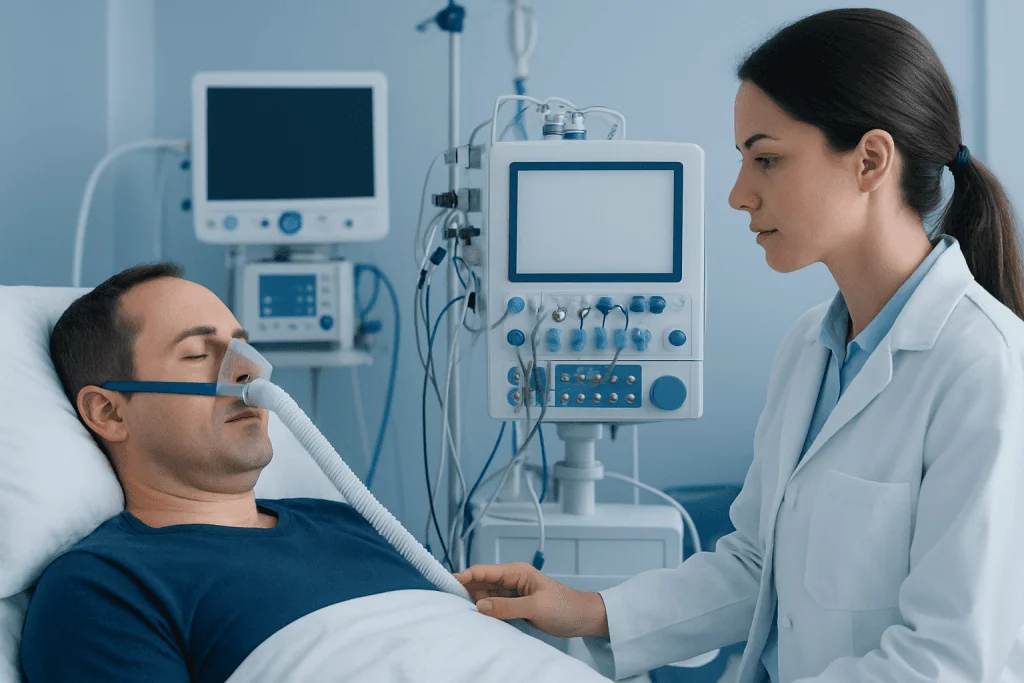
Sleep apnea may lead to several neurological symptoms and complications over time. One of the most common is daytime sleepiness, which can affect attention, reaction time, learning, and decision-making. Some people describe “brain fog,” reduced focus at work, or difficulty following conversations and tasks that once felt easy.
Memory problems may also occur, especially with attention, short-term recall, and executive function. Executive function includes planning, organizing, problem-solving, and mental flexibility. Mood changes are also common. Poor sleep quality can worsen irritability, anxiety, and symptoms of depression, while chronic fatigue may make emotional regulation more difficult.
Research also shows a meaningful connection between sleep apnea and cerebrovascular disease. Untreated sleep apnea is associated with a higher risk of stroke and may affect recovery after a stroke. In some people, sleep apnea may coexist with or worsen other neurological complaints such as headaches, balance problems related to fatigue, and reduced quality of life. This does not mean sleep apnea always causes permanent brain damage, but it does mean the condition deserves attention and proper treatment.
- Excessive daytime sleepiness
- Poor concentration and slower thinking
- Memory difficulties
- Mood changes, including irritability or low mood
- Morning headaches
- Higher risk of stroke and vascular brain injury
Why These Effects Happen

The neurological effects of sleep apnea are thought to result from several overlapping mechanisms. First, repeated drops in oxygen can stress brain tissue and blood vessels. The brain is highly sensitive to oxygen supply, and even brief, repeated changes over many months or years may affect how certain areas function, especially those involved in attention, memory, and emotional control.
Second, sleep fragmentation prevents the brain from moving normally through healthy sleep stages. Deep sleep and REM sleep are important for memory consolidation, learning, and restoration. When breathing events repeatedly interrupt these stages, the person may spend enough hours in bed but still wake up unrefreshed. This is one reason daytime cognitive and emotional symptoms can be so noticeable.
Third, sleep apnea can increase inflammation, blood pressure, and strain on the cardiovascular system. These changes may reduce healthy blood flow to the brain and raise the risk of small vessel disease or stroke over time. The interaction between sleep, oxygen levels, heart health, and the nervous system is complex, but the overall message is clear: better breathing during sleep supports better brain health.
Symptoms and Warning Signs to Watch For
Many people with sleep apnea are unaware of their nighttime breathing pauses. A bed partner may be the first to notice loud snoring, choking, gasping, or repeated pauses in breathing. During the day, the signs can be more subtle and are sometimes mistaken for stress, aging, or a busy lifestyle.
Symptoms that may suggest sleep apnea with neurological impact include unrefreshing sleep, persistent fatigue, morning headaches, poor focus, forgetfulness, and mood changes. Some people feel sleepy while reading, watching television, or driving. Others mainly notice reduced mental sharpness, lower productivity, or a drop in patience and motivation.
Medical evaluation is especially important if these symptoms occur along with high blood pressure, obesity, diabetes, heart disease, or a history of stroke. Children and older adults may show different patterns. For example, children may have behavioral problems or poor school performance, while older adults may present with memory concerns that overlap with other causes of cognitive decline.
Who Is at Higher Risk
Several factors can increase the likelihood of sleep apnea and its long-term effects. Excess weight is one of the most common risk factors because it can increase soft tissue around the airway. However, sleep apnea also affects people who are not overweight, especially if they have a naturally narrow airway, enlarged tonsils, nasal blockage, or certain jaw and facial structures.
Risk also rises with age, male sex, alcohol use before bedtime, smoking, sedative medications, and family history. Central sleep apnea may be more likely in people with heart failure, certain neurological conditions, or opioid use. People who already have vascular risk factors such as high blood pressure, diabetes, or high cholesterol may be more vulnerable to the brain-related effects of untreated sleep apnea.
In some cases, sleep apnea and neurological disease influence each other. For example, stroke, neuromuscular disease, and some neurodegenerative disorders can affect breathing control or upper airway function during sleep. This is one reason specialists may evaluate sleep disorders as part of a broader neurological assessment when symptoms overlap.
How Doctors Diagnose Sleep Apnea and Assess Brain-Related Effects
Diagnosis usually begins with a medical history, sleep history, and physical examination. The doctor may ask about snoring, witnessed breathing pauses, daytime sleepiness, memory or mood changes, medication use, and related medical conditions. Screening questionnaires can help identify people at high risk, but they do not replace formal testing.
The main test for sleep apnea is a sleep study. This may be a home sleep apnea test for selected patients or a full laboratory polysomnography, which provides more detailed information. These studies measure breathing patterns, oxygen levels, heart rate, and sleep stages. They help determine whether the person has obstructive or central sleep apnea and how severe it is.
If neurological symptoms are prominent, doctors may also assess cognition, mood, cardiovascular risk, and related conditions. In selected cases, brain imaging or specialist evaluation may be needed to rule out other causes of headaches, memory changes, or sleepiness. Patients may benefit from evaluation in centers that offer sleep study testing and coordinated care between sleep medicine, neurology, and respiratory specialists.
Treatment Options and Whether Brain Effects Can Improve
The good news is that many symptoms improve when sleep apnea is treated. The most common treatment for obstructive sleep apnea is continuous positive airway pressure, or CPAP. CPAP keeps the airway open during sleep using gentle air pressure. When used consistently, it can reduce breathing pauses, improve oxygen levels, and restore more normal sleep quality. Many people notice better alertness, mood, and concentration after treatment begins, although improvement may take time.
Other options may include oral appliances that reposition the jaw, weight management, positional therapy, treatment for nasal blockage, and selected procedures when anatomy plays an important role. Depending on the cause and severity, some patients may be candidates for sleep apnea treatment in a multidisciplinary setting, or in carefully chosen cases, procedures such as septoplasty or tonsillectomy if structural airway narrowing is contributing.
Whether neurological effects fully reverse depends on several factors, including how long symptoms have been present, the severity of sleep apnea, age, and other health conditions. Daytime sleepiness, attention, and mood often improve with effective treatment. Memory and executive function may also improve, though some people need longer follow-up and support for related issues such as depression, vascular risk control, or recovery after stroke. Near the end of the care pathway, some international patients choose centers such as Acibadem International, where multidisciplinary specialists in JCI-accredited hospitals evaluate and treat sleep-related disorders.
Prevention, Self-Care, and When to See a Doctor
Healthy habits can support treatment and may lower the risk of complications. Weight loss, when appropriate, can reduce airway obstruction in some patients. Avoiding alcohol close to bedtime, stopping smoking, keeping a regular sleep schedule, and sleeping on the side rather than the back may also help some people. However, lifestyle changes should not replace medical evaluation when symptoms suggest moderate or severe sleep apnea.
People should see a doctor if they have loud habitual snoring, witnessed pauses in breathing, waking up choking or gasping, persistent daytime sleepiness, morning headaches, or unexplained problems with memory and concentration. Prompt assessment is especially important if there is high blood pressure, heart disease, diabetes, depression, or a past history of stroke.
Urgent medical attention is needed for warning signs such as sudden weakness, facial drooping, trouble speaking, severe confusion, or other symptoms of possible stroke. In general, early diagnosis offers the best chance to improve sleep quality, protect brain health, and reduce long-term complications. A qualified clinician can help identify the cause and recommend the most suitable next steps.
Frequently asked questions
Can sleep apnea really affect the brain over time?
Yes. Sleep apnea can affect the brain through repeated drops in oxygen and frequent interruptions in normal sleep. Over time, this may influence attention, memory, mood, and vascular brain health, especially if the condition is untreated.
Are memory problems from sleep apnea permanent?
Not always. Many people notice improvement in attention, daytime alertness, and some memory functions after effective treatment, especially when sleep apnea is identified early. Recovery varies from person to person and may depend on age, severity, and other medical conditions.
Does sleep apnea increase the risk of stroke?
Untreated sleep apnea is associated with a higher risk of stroke and other cardiovascular problems. It can also complicate recovery in people who have already had a stroke. Managing sleep apnea is one part of protecting overall vascular and brain health.
What are the most common neurological symptoms of sleep apnea?
Common symptoms include excessive daytime sleepiness, poor concentration, slower thinking, forgetfulness, irritability, and morning headaches. Some people mainly notice reduced mental performance rather than obvious sleepiness.
How is sleep apnea diagnosed?
Doctors usually diagnose sleep apnea with a sleep study that measures breathing, oxygen levels, and sleep patterns. This may be done at home in selected cases or in a sleep laboratory for more detailed assessment.
Can treating sleep apnea improve mood and concentration?
Often, yes. Better nighttime breathing can improve sleep quality, which may lead to better energy, mood, concentration, and daily functioning. Benefits are usually greatest when treatment is used consistently and other health issues are also addressed.
References
- American Academy of Sleep Medicine
- National Institute of Neurological Disorders and Stroke
- National Heart, Lung, and Blood Institute
- Centers for Disease Control and Prevention
- American Stroke Association
This article is for general information only and is not a substitute for professional medical advice. Please consult a qualified doctor about your individual situation.
Sleep Apnea in Turkey — costs, top hospitals & a free quote
JCI-accredited · board-certified surgeons · reply within 24h
Add us as a Preferred Source to see more of our trusted health content across Google Search, AI Overviews and Discover.
Check your numbers in seconds
BMI, calories, due date, blood pressure and 30+ more clinical calculators — free, instant, doctor-reviewed ranges.

Otorhinolaryngology (ENT)
Care for ear, nose, throat and head-and-neck conditions, including hearing and balance disorders.
126 specialists in this unitMore from the Health Library



Related Specialists

Prof. Dr. Ufuk Demirkılıç
Cardiovascular Surgery
Fzt. Ömür Akgül
Physical Medicine & Rehabilitation
Assoc. Prof. Dr. Semra Akkaya Turhan
Ophthalmology
Prof. Dr. Güngör Boztaş
Gastroenterology