Can Sleep Deprivation Trigger Numbness, Tremor, or Other Neurological Signs?

Short-term sleep loss can trigger tremor, tingling, poor concentration, irritability, and reduced coordination. Sleep deprivation does not usually directly damage nerves, but it can worsen existing neurological or medical conditions.
Key Takeaways
- Short-term sleep loss can trigger tremor, tingling, poor concentration, irritability, and reduced coordination.
- Sleep deprivation does not usually directly damage nerves, but it can worsen existing neurological or medical conditions.
- Sudden weakness, facial droop, speech trouble, severe headache, or one-sided numbness needs urgent medical attention.
- Diagnosis focuses on sleep habits, symptom pattern, medications, stress, and possible neurological or metabolic causes.
- Improving sleep schedule, limiting stimulants, and treating underlying sleep disorders often helps symptoms.
Sleep deprivation can affect the brain and nervous system, sometimes leading to shakiness, tingling, clumsiness, slower thinking, or a sense that the body is “not working normally.” While these symptoms may improve with rest, persistent, severe, or one-sided neurological signs should be evaluated by a doctor.
Overview
Sleep is essential for normal brain function. When a person does not get enough sleep, the nervous system can become less efficient at processing signals, maintaining attention, regulating movement, and controlling the body’s stress response. This can lead to symptoms that feel neurological, such as trembling hands, tingling sensations, slowed reactions, dizziness, trouble concentrating, or feeling unsteady.
In many cases, these symptoms are temporary and related to fatigue rather than permanent nerve damage. The brain is working under strain, and the body may release more stress hormones, making symptoms more noticeable. People often describe this as feeling “wired but exhausted,” shaky, mentally foggy, or unusually sensitive to normal physical sensations.
However, not every symptom that appears after poor sleep is caused only by sleep deprivation. Lack of sleep can also make another condition more obvious, including migraine, anxiety, medication side effects, low blood sugar, thyroid problems, essential tremor, seizure disorders, or other neurological illnesses. That is why new, recurring, or worsening symptoms should be assessed in context rather than assumed to be harmless.
What symptoms can happen after too little sleep?
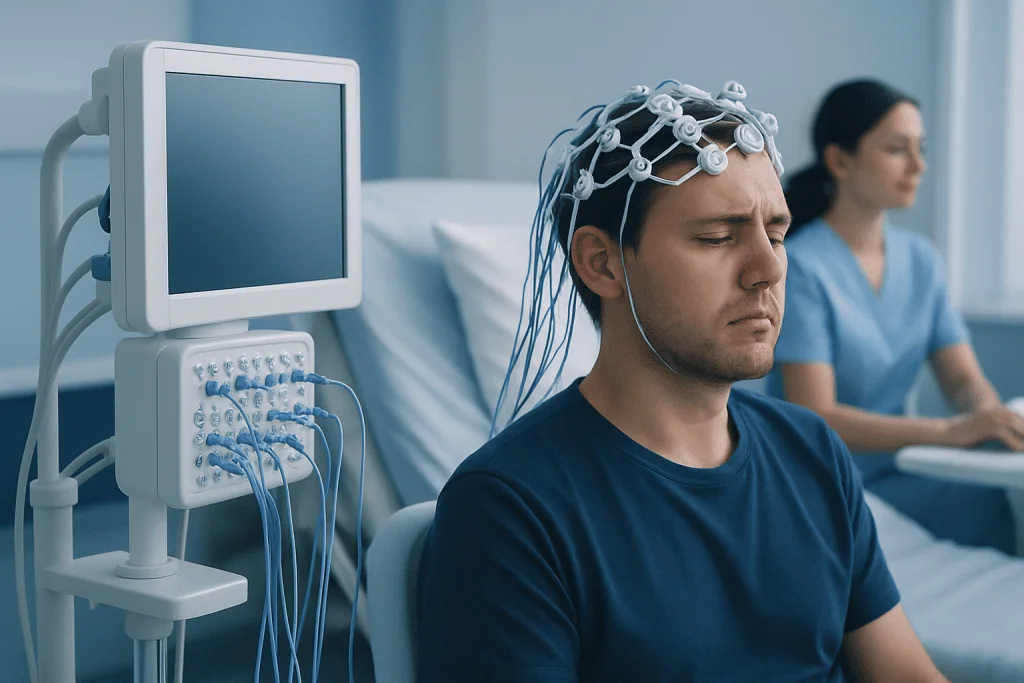
Sleep deprivation can affect movement, sensation, thinking, and mood. Some symptoms are subtle, while others feel quite disruptive. A person may notice symptoms after one night of very poor sleep, but they are more common when sleep loss builds up over several days or weeks.
Possible symptoms include:
- Fine tremor or shakiness, especially in the hands
- Tingling or “pins and needles” sensations
- Numbness-like feelings, often without true loss of sensation
- Muscle twitching or eyelid twitching
- Poor balance or clumsiness
- Slower reaction time
- Brain fog, forgetfulness, or trouble focusing
- Headache, light sensitivity, or dizziness
- Irritability, anxiety, or feeling emotionally overwhelmed
It is helpful to distinguish between a sensation of numbness and true numbness. After poor sleep, some people feel heavy, strange, or disconnected in a hand or foot, yet a neurological exam may show normal strength and sensation. By contrast, true numbness, weakness, or loss of coordination may point to a different issue that needs medical assessment.
Sleep loss can also intensify symptoms of related conditions, such as migraine or a pre-existing tremor disorder. In those cases, the lack of sleep may act as a trigger rather than the only cause.
Why sleep deprivation can cause neurological-looking signs

The brain depends on sleep to regulate alertness, movement, sensory processing, and stress hormones. Without enough rest, the nervous system becomes more reactive and less precise. This can produce shaking, heightened awareness of body sensations, and difficulty filtering minor discomforts that would usually go unnoticed.
Sleep deprivation may also increase muscle tension and raise levels of adrenaline-like stress chemicals. These changes can contribute to tremor, palpitations, sweating, and a sense of internal restlessness. At the same time, fatigue can worsen posture, concentration, and coordination, making a person feel weak or unsteady even when muscle strength is normal.
Another factor is that poor sleep lowers the threshold for several neurological symptoms. It can trigger headaches, worsen pain sensitivity, and make normal pressure on a limb during sleep more noticeable afterward. For example, waking with a “dead arm” after sleeping in an awkward position is usually due to temporary nerve compression, but severe sleep deprivation may make the experience feel more dramatic or alarming.
Importantly, sleep deprivation itself is not a common cause of permanent numbness or nerve injury. If symptoms are frequent, localized, progressive, or clearly one-sided, doctors usually look for other explanations as well, such as nerve entrapment, vitamin deficiency, metabolic imbalance, or a neurological disorder.
Other conditions that may be mistaken for sleep deprivation
Because sleep loss is common, it can be tempting to blame every symptom on being tired. Yet several medical problems can mimic or overlap with sleep deprivation. These include dehydration, low blood sugar, anemia, thyroid disease, vitamin B12 deficiency, medication side effects, panic attacks, peripheral nerve compression, and inner ear problems that affect balance.
Sleep disorders themselves may also be involved. Obstructive sleep apnea can cause chronic daytime fatigue, morning headaches, poor concentration, and mood changes. Repeated disrupted sleep may leave a person feeling neurologically unwell even if they spend enough hours in bed. Restless legs syndrome and periodic limb movements can also fragment sleep and contribute to daytime shakiness or poor focus.
Some people have an underlying neurological condition that becomes more noticeable when they are overtired. This may include epilepsy, essential tremor, neuropathy, or a movement disorder. In such cases, sleep deprivation acts as a trigger that lowers the brain’s resilience and makes symptoms easier to provoke.
In a small number of cases, symptoms such as sudden numbness, weakness, speech changes, or facial drooping may indicate a medical emergency rather than fatigue. Doctors are especially careful about this possibility when symptoms are abrupt, focal, or clearly different from the person’s usual experience.
How doctors evaluate these symptoms
Assessment begins with a detailed history. A doctor will ask how long the person has been sleeping, whether the sleep schedule has changed, and exactly what the symptoms feel like. Timing matters: symptoms that appear only after all-night work, travel, exams, or caregiving may strongly suggest sleep deprivation, while symptoms that occur at random or steadily worsen deserve broader investigation.
Doctors also ask about caffeine, alcohol, energy drinks, recreational substances, prescription medicines, stress, anxiety, diet, hydration, and any personal or family history of neurological disease. A physical and neurological examination helps determine whether the symptoms reflect true weakness, altered sensation, balance problems, or abnormal reflexes.
If needed, testing may include blood work to look for thyroid problems, vitamin deficiencies, infection, inflammation, or glucose imbalance. Depending on the symptom pattern, additional tests may include nerve studies, brain imaging, or an electroencephalogram. When a sleep disorder is suspected, doctors may recommend a formal sleep evaluation or sleep study to look for sleep apnea or other disruptions.
The goal is not only to confirm whether poor sleep is contributing, but also to avoid missing another treatable condition. Many people are reassured to learn that their nervous system symptoms improve once sleep is restored and other causes have been excluded.
Treatment and recovery
Treatment depends on the cause. If symptoms are mainly due to acute or chronic sleep deprivation, the first step is restoring regular, sufficient sleep. This often improves tremor, concentration, irritability, sensory sensitivity, and coordination over days to weeks. Recovery may be gradual, especially if poor sleep has been ongoing for a long time.
If an underlying sleep disorder is present, treatment is important. For example, people with obstructive sleep apnea may benefit from sleep apnea treatment, while others may need care for insomnia, restless legs syndrome, or circadian rhythm disruption. Addressing the root problem usually helps prevent recurring daytime neurological symptoms.
When another medical issue is identified, treatment is tailored to that cause. This may involve adjusting medications, correcting a vitamin deficiency, treating anxiety, managing migraine, or evaluating nerve compression. In some cases, doctors may refer the person to a neurologist if symptoms suggest a movement disorder, neuropathy, or episodes concerning for seizures.
For international patients who need further assessment, Acibadem International’s multidisciplinary specialists and JCI-accredited hospitals diagnose and treat neurological and sleep-related conditions, including access to neurology consultation when appropriate.
Prevention and self-care
The most effective way to prevent sleep deprivation-related neurological symptoms is to protect sleep consistently rather than trying to “catch up” only after symptoms appear. A stable sleep-wake schedule helps the brain maintain attention, movement control, and sensory processing more reliably.
Helpful self-care steps include:
- Keeping regular bedtimes and wake times, including on weekends
- Avoiding caffeine late in the day
- Limiting alcohol close to bedtime
- Reducing screen exposure before sleep
- Staying hydrated and eating regular meals
- Taking breaks during prolonged work or study periods
- Managing stress with relaxation techniques or counseling support
It can also help to track symptoms in a simple diary. Noting sleep hours, caffeine intake, stress levels, and the timing of tingling or tremor may reveal patterns. If symptoms repeatedly follow sleep loss and improve with rest, this information can support diagnosis. If they continue despite good sleep, it suggests the need for further evaluation.
People should avoid self-diagnosing serious symptoms. Although better sleep is beneficial for overall health, it should not replace medical care when symptoms are severe, unusual, or persistent.
When to see a doctor urgently
Many symptoms related to sleep deprivation improve once rest is restored, but some warning signs need prompt medical attention. A person should seek urgent care if they develop sudden one-sided numbness or weakness, facial drooping, trouble speaking, new confusion, fainting, a seizure, severe dizziness, or the worst headache of their life.
Medical evaluation is also important if symptoms last beyond a period of recovery sleep, keep returning, disturb daily function, or occur with chest pain, shortness of breath, fever, or marked changes in vision. Persistent tremor, repeated numbness in the same area, or difficulty walking should not be ignored.
In general, brief shakiness or tingling after a night of poor sleep is often not dangerous, but the pattern matters. If symptoms are escalating, becoming more focal, or simply do not feel typical for tiredness, a qualified doctor can help clarify whether the cause is sleep deprivation, a sleep disorder, or another neurological condition.
Frequently asked questions
Can lack of sleep really cause numbness or tingling?
Lack of sleep can contribute to tingling, altered body sensations, and a feeling of numbness, especially when combined with stress, muscle tension, or awkward sleep position. However, true persistent numbness is less typical and may need medical evaluation to rule out other causes.
Why do hands shake more after a poor night’s sleep?
Sleep deprivation can increase the body’s stress response and make normal physiologic tremor more noticeable. Caffeine, anxiety, and fatigue often add to the effect, so the shaking may improve once the person rests and reduces stimulants.
Can sleep deprivation trigger serious neurological disease?
Sleep deprivation does not usually cause a neurological disease by itself, but it can reveal or worsen symptoms of an underlying condition. It may also trigger episodes in people with migraine, seizure disorders, or pre-existing tremor.
How long do neurological symptoms from sleep deprivation last?
Mild symptoms often improve after one or two nights of good sleep, but recovery can take longer if sleep debt has built up over time. If symptoms persist despite adequate rest, a doctor should assess for other medical or neurological causes.
When is numbness or tremor an emergency?
Urgent medical care is needed for sudden one-sided numbness or weakness, facial droop, speech difficulty, fainting, seizure, severe headache, or sudden confusion. These symptoms are not typical signs of simple tiredness and may indicate a medical emergency.
Should a person see a neurologist or a sleep specialist?
That depends on the symptom pattern. If the main issue is chronic poor sleep, snoring, breathing pauses, or insomnia, a sleep specialist may be most helpful; if there is persistent tremor, focal numbness, weakness, or other abnormal neurological findings, a neurologist may be appropriate.
References
- American Academy of Sleep Medicine
- National Institute of Neurological Disorders and Stroke
- National Institute of Mental Health
- National Health Service
- Mayo Clinic
This article is for general information only and is not a substitute for professional medical advice. Please consult a qualified doctor about your individual situation.
Tremor in Turkey — costs, top hospitals & a free quote
JCI-accredited · board-certified surgeons · reply within 24h
Add us as a Preferred Source to see more of our trusted health content across Google Search, AI Overviews and Discover.

More from the Health Library



Related Specialists

Prof. Dr. Volkan Özben
General Surgery
Dr. Feyyaz Kabadayi
Pulmonology
Dr. Münür Selçuk Kendir
Aesthetic Plastic & Reconstructive Surgery
Assoc. Prof. Dr. Kemal Öncü
Gastroenterology