Can Stress Cause Diarrhea? Causes, Explanations, and Next Steps

Stress can affect the gut through the brain-gut connection and lead to loose stools or urgent bowel movements. Stress-related diarrhea is often temporary, but ongoing symptoms may point to IBS, infection, food intolerance, or another digestive condition.
Key Takeaways
- Stress can affect the gut through the brain-gut connection and lead to loose stools or urgent bowel movements.
- Stress-related diarrhea is often temporary, but ongoing symptoms may point to IBS, infection, food intolerance, or another digestive condition.
- Doctors evaluate bowel changes by reviewing symptoms, medications, diet, stress patterns, and, when needed, stool tests, blood tests, or imaging.
- Hydration, gentle foods, sleep, stress management, and medical review for red flags are practical next steps.
- Blood in the stool, fever, dehydration, severe pain, nighttime symptoms, or unexplained weight loss need prompt medical attention.
Yes, stress can cause diarrhea. In many people this is short-lived and not dangerous, but persistent symptoms, dehydration, blood in the stool, fever, weight loss, or severe pain should be assessed by a doctor.
Overview: can stress cause diarrhea?
Yes, stress can cause diarrhea. This happens because the digestive system and the brain are closely connected, so emotional stress can change how quickly the intestines move, how much fluid enters the bowel, and how strongly a person feels gut sensations.
For many people, stress-related diarrhea is brief and improves once the stressful period passes. It may happen before an exam, a work presentation, travel, family conflict, or during ongoing anxiety. While this is often harmless, it should not automatically be blamed on stress if symptoms are severe, recurring, or new.
A useful way to think about it is that stress can be a trigger, but it is not always the only cause. Some people have a more sensitive digestive system to begin with, especially those with irritable bowel syndrome or other chronic gut disorders. In these cases, stress may worsen symptoms rather than create them entirely on its own.
How stress affects the digestive system
The gut and brain communicate constantly through nerves, hormones, and immune signals. This is often called the brain-gut axis. When a person feels stressed, the body releases stress hormones and activates the nervous system in ways that can alter digestion.
These changes may cause the intestines to contract more quickly, leaving less time for water to be absorbed. The result can be loose stools, urgency, cramping, or a need to use the bathroom more often. Stress can also increase awareness of normal bowel sensations, making symptoms feel more intense.
In some people, stress affects appetite, sleep, eating patterns, and food choices, which can add to digestive upset. More caffeine, skipped meals, alcohol, or high-fat convenience foods during stressful periods can all contribute to diarrhea as well. This is one reason the symptom can feel very real and physical even when stress is part of the picture.
Common symptoms that may come with stress diarrhea

Stress-related diarrhea does not always happen alone. It commonly appears together with other digestive and body symptoms, especially during periods of anxiety or emotional strain. The pattern may be occasional, or it may flare during specific situations such as travel, public events, or major life changes.
Symptoms can include:
- Loose or watery stools
- Sudden urgency to have a bowel movement
- Abdominal cramping or discomfort
- Bloating or increased gas
- Nausea or a “butterflies” feeling in the stomach
- More frequent bowel movements than usual
Some people also notice sweating, a racing heart, shakiness, or tense muscles at the same time. These are signs of the body’s stress response and can happen alongside gut symptoms. If diarrhea is frequent, symptoms such as thirst, dizziness, fatigue, or dry mouth may suggest dehydration.
Other possible causes and risk factors
Even when stress seems like an obvious trigger, doctors also consider other explanations. Diarrhea can result from viral or bacterial infections, food intolerances, side effects of medications, excess caffeine, alcohol, artificial sweeteners, inflammatory bowel disease, overactive thyroid, celiac disease, or malabsorption problems.
Stress-related bowel symptoms are more likely in people with a sensitive digestive system. This includes those with IBS, a history of anxiety, panic symptoms, poor sleep, irregular eating habits, or chronic stress. Some people notice that stress combines with certain foods, such as spicy meals or dairy, to make symptoms worse.
It can be helpful to pay attention to patterns, but self-diagnosis has limits. If diarrhea is frequent or disruptive, a medical review is important to rule out conditions such as Crohn's disease or other digestive disorders. Stress can coexist with these conditions, so finding the full explanation matters.
When to seek medical care
Short episodes of diarrhea during stress are common and often settle without complications. However, certain features should prompt medical review rather than simple watchful waiting. These signs suggest that something more than stress may be involved or that dehydration could develop.
Medical care is important if diarrhea lasts more than a few days, keeps returning, or wakes a person from sleep. Prompt assessment is also needed for blood or black stools, fever, moderate to severe abdominal pain, vomiting that prevents fluid intake, signs of dehydration, or unexplained weight loss. Older adults, young children, pregnant people, and anyone with a weakened immune system may need earlier evaluation.
If symptoms are severe or sudden, doctors may recommend urgent testing or treatment. In milder cases, an outpatient visit with a primary care doctor or gastroenterologist is often the right next step. The goal is not only to relieve symptoms but also to make sure a treatable digestive condition is not being missed.
How doctors diagnose the cause
When someone reports diarrhea linked to stress, doctors usually begin with a detailed history. They ask when the symptom started, how often it happens, what the stool is like, whether there is pain, and whether there are warning signs such as fever, blood, nighttime symptoms, or weight loss. They also review diet, travel, recent illness, medications, supplements, and the timing of stress or anxiety.
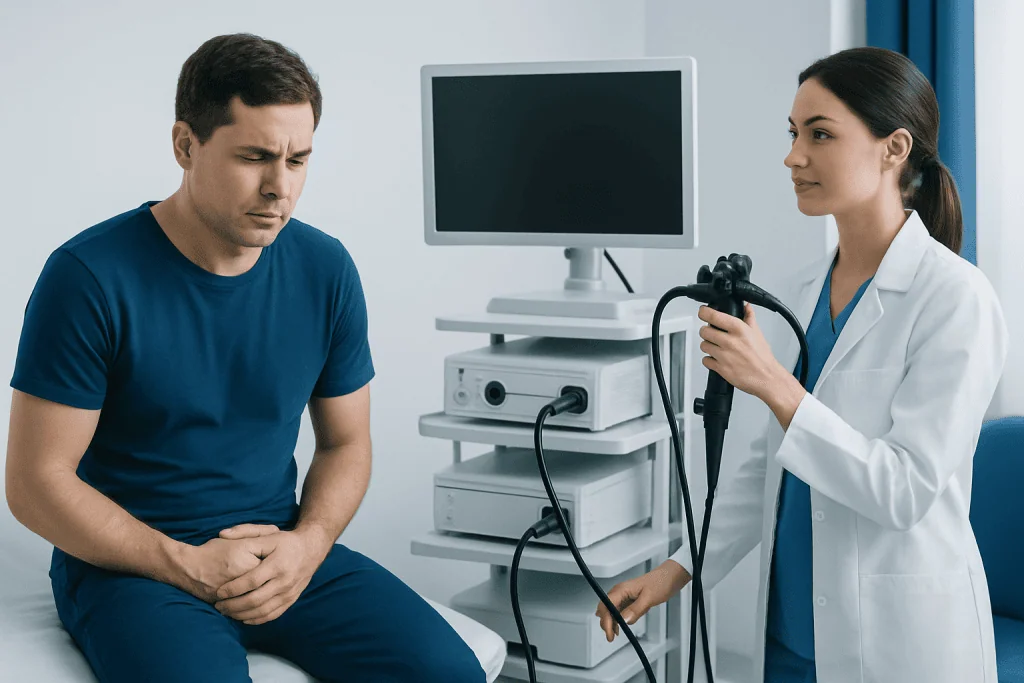
A physical examination may be followed by basic tests depending on the situation. These can include blood tests to look for infection, inflammation, anemia, thyroid problems, or dehydration, and stool tests to check for infection or blood. If symptoms are ongoing or red flags are present, a doctor may recommend imaging or an endoscopic test such as colonoscopy to examine the bowel more closely.
In some cases, evaluation focuses on functional bowel disorders, especially if tests are normal and symptoms follow a recurring stress pattern. For patients with chronic or complex digestive symptoms, specialist assessment in gastroenterology can help clarify whether the issue is stress-related, IBS, food intolerance, or another underlying condition.
Treatment and practical next steps
Treatment depends on the cause. If stress is the main trigger and no red flags are present, symptom relief often starts with hydration, rest, and temporary dietary adjustments. Small, simple meals may be easier to tolerate than large or greasy meals, and many people do better avoiding excess caffeine, alcohol, and very spicy foods until stools return to normal.
Stress reduction can also help the gut settle. Helpful strategies may include regular sleep, light exercise, paced breathing, mindfulness, counseling, or treatment for anxiety when appropriate. If symptoms keep recurring, doctors may suggest a structured plan that addresses both digestive triggers and stress triggers together.
Some people benefit from medical treatment aimed at the underlying bowel pattern, particularly if IBS is present. Depending on symptoms, a doctor may consider dietary guidance, short-term symptom medicines, or other targeted care. If diarrhea is part of a broader digestive condition, treatment may involve further tests or procedures such as endoscopy when upper digestive symptoms are also present.
For international patients who need coordinated evaluation, Acibadem International’s multidisciplinary specialists in JCI-accredited hospitals diagnose and treat digestive symptoms with an individualized approach. The most important step, however, is obtaining a proper medical assessment when symptoms are persistent, worsening, or concerning.
Prevention and self-care for future episodes
Not every episode can be prevented, but many people can reduce how often stress affects their bowels. A regular routine for meals, sleep, hydration, and physical activity supports more stable digestion. It also helps to notice whether specific triggers, such as coffee on an empty stomach, skipping meals, or high-stress mornings, tend to come before symptoms.
Keeping a short diary can be useful. Recording bowel changes, foods, stressful events, and sleep patterns may reveal a pattern that is not obvious day to day. This can make a doctor visit more productive and may help distinguish stress-related symptoms from food intolerance or another digestive problem.
Self-care should stay within safe limits. If diarrhea is frequent, severe, or associated with alarm symptoms, home measures are not enough. Professional guidance is the best way to protect hydration, identify the cause, and choose the right treatment.
Frequently asked questions
Can anxiety cause diarrhea even if there is no stomach infection?
Yes. Anxiety can stimulate the nervous system and speed up bowel activity, leading to loose stools or urgent bowel movements without an infection. However, repeated or severe symptoms should still be evaluated to make sure another condition is not present.
How long does stress diarrhea usually last?
It often lasts for a short period, such as a few hours to a couple of days, and improves as the stressful trigger settles. If diarrhea persists beyond a few days, returns often, or causes dehydration, medical advice is recommended.
Is stress diarrhea the same as IBS?
Not exactly. Stress diarrhea can happen on its own, while IBS is a long-term functional bowel disorder with recurring symptoms such as abdominal pain and changes in bowel habits. Stress commonly triggers IBS flares, so the two can overlap.
What foods are easier to eat when stress is upsetting the stomach?
Many people tolerate bland, simple foods better during an episode, along with clear fluids or oral rehydration if needed. Heavy, greasy, very spicy foods, excess caffeine, and alcohol may worsen symptoms, but individual tolerance varies.
When is diarrhea unlikely to be caused only by stress?
Stress should not be assumed to be the only cause if there is blood in the stool, fever, significant pain, weight loss, nighttime diarrhea, or symptoms that keep happening without a clear stress trigger. These features deserve medical assessment.
Should a person see a gastroenterologist for stress-related bowel symptoms?
If symptoms are frequent, persistent, disruptive, or difficult to explain, a gastroenterologist can help rule out digestive diseases and guide treatment. Specialist review may be especially helpful when symptoms resemble IBS or when red flags are present.
References
- National Institute of Diabetes and Digestive and Kidney Diseases
- American College of Gastroenterology
- National Health Service
- Mayo Clinic
- World Gastroenterology Organisation
This article is for general information only and is not a substitute for professional medical advice. Please consult a qualified doctor about your individual situation.
Medical weight-loss options in Turkey — costs & eligibility
JCI-accredited · board-certified surgeons · reply within 24h
Add us as a Preferred Source to see more of our trusted health content across Google Search, AI Overviews and Discover.

More from the Health Library



Related Specialists

Assoc. Prof. Dr. Murad Gulıyev
Medical Oncology
Fzt. Gülşah Kalaycı
Physical Medicine & Rehabilitation
Prof. Dr. Neşe Tuncer
Neurology
Prof. Dr. Turgut Aydın
Gynecology & Obstetrics