Can Stress Kill You? Here Is What the Evidence Says

Most stress responses are temporary and not life-threatening. Chronic stress can raise the risk of heart disease, high blood pressure, anxiety, depression, and poor sleep.
Key Takeaways
- Most stress responses are temporary and not life-threatening.
- Chronic stress can raise the risk of heart disease, high blood pressure, anxiety, depression, and poor sleep.
- Sudden chest pain, fainting, severe shortness of breath, or thoughts of self-harm need urgent medical attention.
- Doctors look for both stress-related symptoms and other medical causes before making a diagnosis.
- Stress can be managed with lifestyle changes, psychological support, and treatment for related health conditions.
Usually, stress does not directly kill a person. However, intense or long-lasting stress can contribute to serious health problems, especially when it affects the heart, mental health, sleep, blood pressure, and everyday habits.
Overview: Can stress really kill you?
In most cases, stress does not directly kill a person. The body is designed to handle short bursts of stress through a normal “fight or flight” response that briefly increases heart rate, breathing, and alertness. For many people, this feels unpleasant but passes without causing lasting harm.
The concern is not usually a single stressful moment. It is severe, repeated, or long-term stress that can affect physical and mental health over time. Chronic stress may contribute to high blood pressure, poor sleep, unhealthy coping habits, anxiety, depression, and increased strain on the heart and blood vessels.
Very intense emotional stress can also trigger serious events in some people, especially those with underlying medical conditions. For example, stress may worsen chest pain, trigger abnormal heart rhythms, or contribute to a stress-related heart condition sometimes called broken heart syndrome. Stress can also increase the risk of harmful behaviors, including substance misuse and missed medical care.
So, the evidence-based answer is nuanced: stress is usually not directly fatal on its own, but it can raise the risk of serious illness and dangerous complications. That is why persistent or severe symptoms should be assessed rather than dismissed as “just stress.”
How stress affects the body
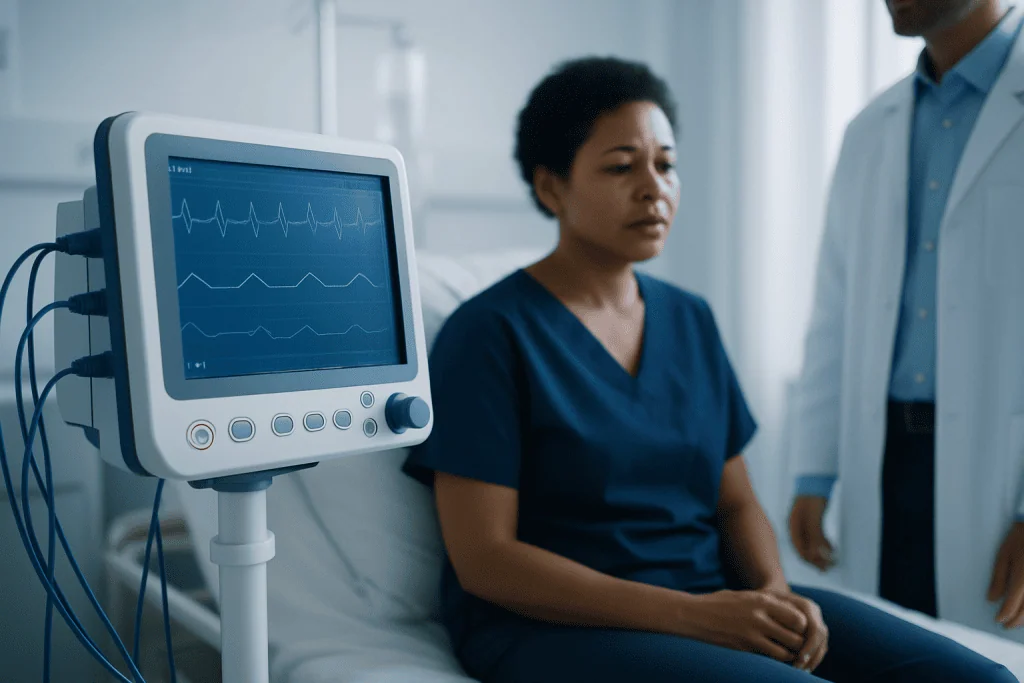
When a person feels stressed, the brain signals the release of hormones such as adrenaline and cortisol. These hormones prepare the body to respond quickly. Heart rate rises, blood pressure can increase, muscles tense, and blood sugar may go up to provide extra energy.
This response is helpful in the short term. Problems are more likely when stress becomes frequent or never fully settles. Ongoing activation of the stress response can disrupt sleep, digestion, concentration, mood, and immune function. It may also make headaches, gastrointestinal symptoms, and chronic pain feel worse.
Stress does not affect everyone in the same way. One person may notice racing thoughts and insomnia, while another develops stomach upset, palpitations, or muscle pain. Existing health conditions such as high blood pressure or coronary artery disease can make the body less able to tolerate repeated stress signals.
Stress can also influence health indirectly through daily choices. People under pressure may skip exercise, eat irregularly, smoke, drink more alcohol, or stop taking medications regularly. These pathways help explain why long-term stress matters even when it is not the only cause of illness.
Common stress symptoms and the red flags not to ignore
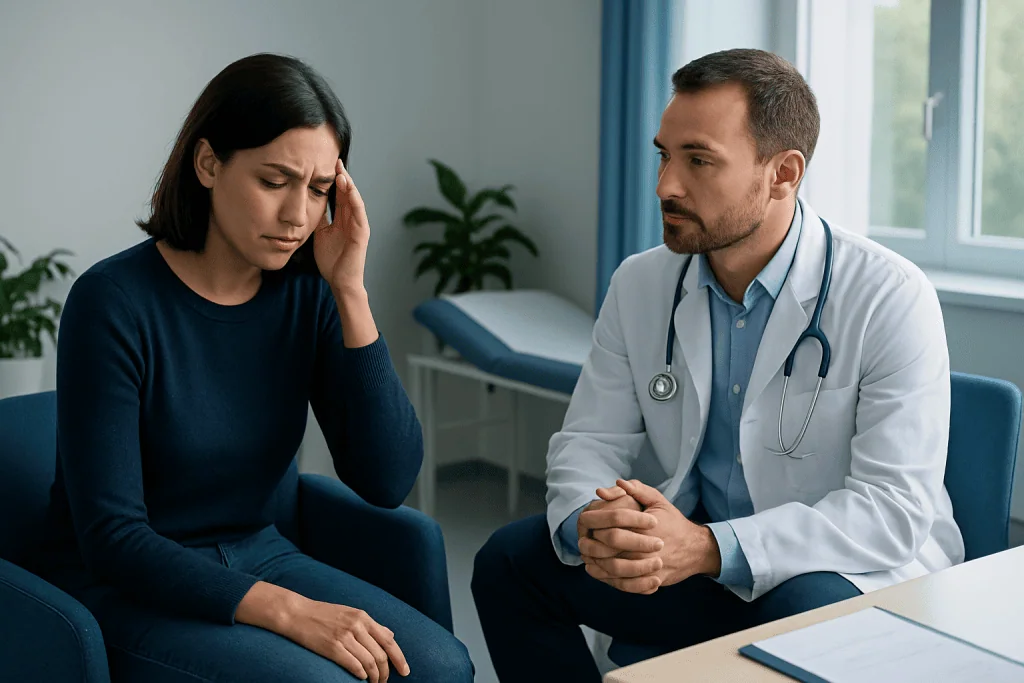
Stress can cause many real physical and emotional symptoms. Common examples include a pounding heartbeat, faster breathing, sweating, stomach discomfort, diarrhea or constipation, tension headaches, jaw clenching, fatigue, irritability, and trouble sleeping. Some people also feel chest tightness, dizziness, or a sense of unreality during acute anxiety or panic.
These symptoms are often harmless and temporary, especially when they occur during a clearly stressful period and improve with rest. Even so, it is important not to assume every symptom is from stress. Several urgent conditions can feel similar at first.
Medical review is especially important if symptoms are new, severe, recurrent, or different from usual. Red flags include:
- Chest pain, pressure, or pain spreading to the arm, back, neck, or jaw
- Severe shortness of breath or trouble breathing
- Fainting or near-fainting
- Sudden weakness, numbness, facial droop, trouble speaking, or confusion
- A very fast, very slow, or irregular heartbeat
- Severe headache unlike usual headaches
- Thoughts of self-harm or feeling unable to stay safe
In these situations, prompt medical attention matters. If stress appears to be causing repeated palpitations or chest discomfort, doctors may also evaluate for heart rhythm problems, panic disorder, thyroid disease, anemia, or other medical explanations before concluding that stress is the main cause.
Can stress lead to serious or life-threatening conditions?
Stress is linked with a higher risk of several important health conditions, but it is rarely the only factor. Research supports associations between chronic stress and cardiovascular disease, elevated blood pressure, sleep disorders, anxiety, depression, and poorer recovery from existing illness. The overall risk depends on a person’s age, medical history, lifestyle, and support system.
One area doctors watch carefully is heart health. Emotional stress can raise blood pressure and heart rate and may increase the heart’s oxygen demand. In vulnerable people, this may contribute to angina, trigger arrhythmias, or worsen existing heart disease. Some patients may require tests such as an electrocardiogram or stress echocardiography if symptoms suggest a cardiac cause.
There is also a recognized condition called stress cardiomyopathy, often known as broken heart syndrome. It can develop after sudden emotional or physical stress and can mimic a heart attack with chest pain and breathlessness. Although many people recover well, it still needs urgent medical assessment and should not be managed at home.
Mental health is another serious dimension. Long-term stress can contribute to anxiety, panic attacks, burnout, depression, and difficulty coping. In some people, the most dangerous effect of stress is not on the heart itself but on mood, substance use, or the ability to function safely. This is why both physical and emotional symptoms deserve attention.
How doctors evaluate symptoms that may be related to stress
Doctors start by listening carefully to the pattern of symptoms. They ask when symptoms occur, how long they last, what they feel like, and whether they happen during rest, activity, or emotional upset. They also review medical history, medications, caffeine or stimulant use, sleep quality, alcohol intake, and any recent life events.
A physical examination helps identify warning signs and possible alternative causes. Depending on the symptoms, doctors may check blood pressure, pulse, oxygen level, heart and lung sounds, and signs of thyroid disease, dehydration, or anemia. If chest pain, palpitations, fainting, or breathlessness are present, cardiac causes may need to be ruled out first.
Tests vary by the situation. Common options may include blood tests, thyroid testing, an electrocardiogram, heart rhythm monitoring, and in some cases ECG testing or a cardiac check-up. When symptoms strongly fit panic, anxiety, or chronic stress, screening questions about mood, sleep, and safety are also important.
The goal is not just to label symptoms as stress-related. It is to make sure a more serious condition is not being missed and to identify any health issues that stress may be worsening. Once urgent causes are excluded, a treatment plan can focus on symptom relief, coping skills, and long-term prevention.
Treatment and ways to reduce harmful stress
Treatment depends on what stress is doing to the person’s health. If there is an underlying medical issue such as heart disease, thyroid disease, panic disorder, depression, or uncontrolled blood pressure, that condition should be treated directly. Stress management works best when it is combined with appropriate medical care rather than used as a substitute for evaluation.
For many people, practical lifestyle steps help reduce the body’s stress burden. These include regular sleep, steady meal patterns, daily movement, limiting caffeine and alcohol, and making time for recovery during busy periods. Simple breathing exercises, mindfulness, relaxation training, and time outdoors can also reduce physical tension.
Psychological support is often valuable, especially when stress feels overwhelming or persistent. Cognitive behavioral therapy and other forms of counseling can help a person notice triggers, challenge catastrophic thinking, and build healthier coping strategies. When anxiety or depression is significant, a clinician may discuss medication as part of care.
If symptoms involve the heart or circulation, management may include further testing or specialist care. In complex cases, multidisciplinary teams can assess both physical and emotional contributors. Acibadem International’s multidisciplinary specialists at JCI-accredited hospitals evaluate and treat stress-related symptoms and associated medical conditions for international patients when needed.
Prevention and self-care for long-term health
It is not possible to remove all stress from life, but it is often possible to reduce its impact. Consistent routines help the nervous system recover. Going to bed and waking up at regular times, eating balanced meals, staying hydrated, and keeping physically active all support resilience.
Stress is also easier to manage when warning signs are recognized early. A person may notice irritability, muscle tension, headaches, changes in appetite, poor concentration, or difficulty sleeping before symptoms become more disruptive. Tracking these patterns can help identify triggers such as overwork, family strain, too much screen time, or excess caffeine.
Helpful self-care strategies may include:
- Regular aerobic exercise or walking
- Relaxation breathing or meditation
- Limiting nicotine, alcohol, and energy drinks
- Taking short breaks during the day
- Speaking with trusted friends, family, or a counselor
- Following medical treatment plans for existing conditions
Self-care is supportive, but it should not replace medical review if symptoms are severe, persistent, or unusual. Reassurance is most meaningful when it comes after appropriate evaluation, especially if chest symptoms, fainting, or major mood changes are involved.
When to seek medical care
Most stress symptoms improve with rest, reassurance, and healthy coping strategies. A routine medical appointment is reasonable if symptoms keep returning, interfere with sleep or daily life, or make it hard to work, study, or care for others. Ongoing symptoms deserve assessment even when stress seems like the obvious trigger.
Urgent or emergency care is appropriate for chest pain, severe shortness of breath, fainting, sudden neurological symptoms, or a rapid or irregular heartbeat that does not settle. Immediate help is also needed for suicidal thoughts, self-harm risk, or severe panic with inability to stay safe. These situations should never be dismissed as stress alone.
For people with known heart disease, stroke risk factors, or a history of panic attacks, new symptoms should still be reviewed if they feel different from usual. Conditions such as arrhythmia or heart attack can overlap with stress symptoms, and distinguishing between them is important for safe care.
Early review is often reassuring. It allows a doctor to rule out urgent illness, explain what the symptoms mean, and recommend the right next steps for both physical health and emotional well-being.
Frequently asked questions
Can stress kill you suddenly?
Usually, no. Most stress reactions are temporary and not fatal, but severe stress can trigger dangerous events in some people, especially those with underlying heart disease or major mental health distress. Sudden chest pain, fainting, or severe shortness of breath need urgent medical attention.
Can stress cause a heart attack?
Stress alone is not usually the only cause of a heart attack, but it can increase strain on the cardiovascular system. It may raise blood pressure, increase heart rate, and worsen existing heart disease. Because stress symptoms and heart attack symptoms can overlap, chest pain should be assessed by a clinician.
What is the difference between normal stress and dangerous stress?
Normal stress is short-lived and improves when the trigger passes. Dangerous stress is more likely to be severe, persistent, or associated with red-flag symptoms such as chest pain, fainting, neurological changes, or thoughts of self-harm. The impact on daily functioning is also an important clue.
Can stress cause physical symptoms even if tests are normal?
Yes. Stress can cause real physical symptoms such as palpitations, headaches, stomach upset, dizziness, and muscle tension, even when major tests are normal. Normal test results can be reassuring, but symptoms still deserve support and management if they are frequent or distressing.
How long does it take to recover from chronic stress?
Recovery varies from person to person. Some people feel better within days or weeks after rest and lifestyle changes, while others need longer support, especially if sleep problems, anxiety, depression, or burnout are present. Improvement is often gradual rather than immediate.
Should a person see a doctor for stress symptoms?
Yes, if symptoms are new, severe, recurrent, or affecting daily life. A doctor can help rule out other conditions, explain whether the symptoms fit a stress response, and recommend treatment or support. Immediate care is needed for emergency warning signs or any risk of self-harm.
References
- World Health Organization
- American Heart Association
- National Institute of Mental Health
- Centers for Disease Control and Prevention
- National Health Service
This article is for general information only and is not a substitute for professional medical advice. Please consult a qualified doctor about your individual situation.
Heart care in Turkey — expert evaluation and treatment
JCI-accredited · board-certified surgeons · reply within 24h
Add us as a Preferred Source to see more of our trusted health content across Google Search, AI Overviews and Discover.
Check your numbers in seconds
BMI, calories, due date, blood pressure and 30+ more clinical calculators — free, instant, doctor-reviewed ranges.