Can You Get Pregnant after Chemotherapy: How It Works, Results and What to Expect

Chemotherapy may reduce fertility, but its effects vary widely by drug type, dose, age, and individual health factors. Periods can return after chemotherapy, but regular periods do not always confirm that ovulation or fertility has fully recovered.
Key Takeaways
- Chemotherapy may reduce fertility, but its effects vary widely by drug type, dose, age, and individual health factors.
- Periods can return after chemotherapy, but regular periods do not always confirm that ovulation or fertility has fully recovered.
- Pregnancy should be avoided during chemotherapy because treatment medicines can harm a developing fetus.
- The best time to try for pregnancy depends on cancer type, treatment history, recovery, and the risk of cancer recurrence.
- Fertility testing and pre-pregnancy counselling can provide individualized guidance after cancer treatment.
Yes, many people can get pregnant after chemotherapy, although treatment can temporarily or permanently affect the ovaries, menstrual cycles, sperm production, and hormone levels. A cancer specialist and fertility specialist can help assess fertility, discuss safe timing, and plan pregnancy care after treatment.
Can You Get Pregnant After Chemotherapy?
Yes, it may be possible to get pregnant after chemotherapy. Some people regain ovulation and menstrual cycles after treatment, while others have reduced ovarian reserve or early menopause. Fertility outcomes depend on the chemotherapy medicines used, total dose, age at treatment, whether radiation or surgery was also needed, and fertility before cancer treatment.
It is important not to assume pregnancy is impossible after chemotherapy. Ovulation may resume before periods become regular, so contraception is usually recommended until the oncology team confirms that pregnancy can be considered safely. Before trying to conceive, patients should have an individualized discussion with their oncologist and a reproductive medicine specialist.
How Chemotherapy Can Affect Fertility
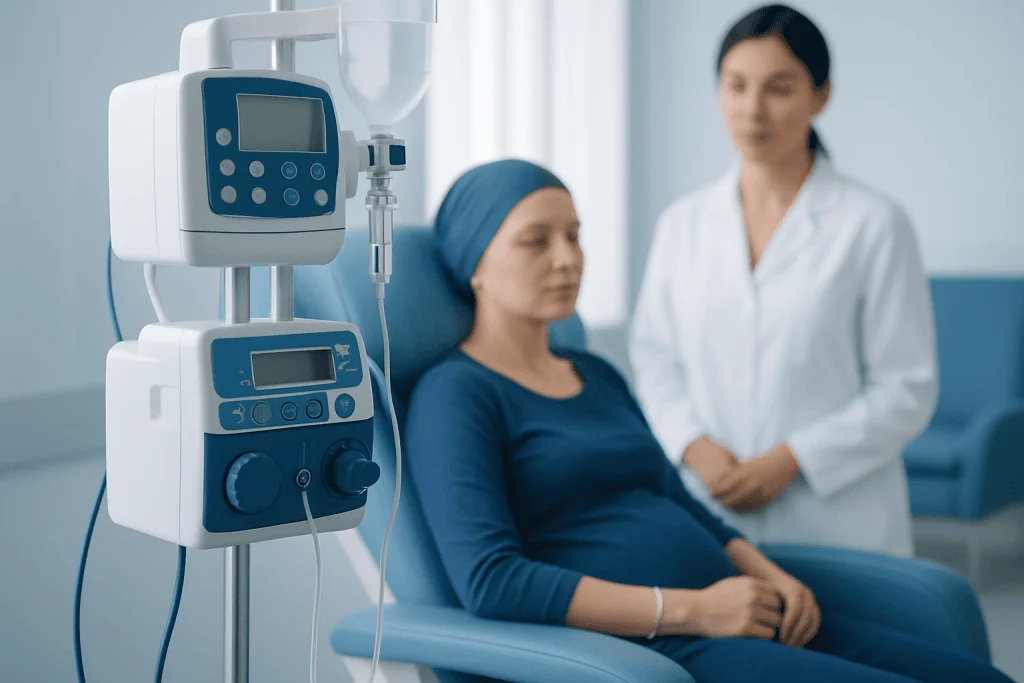
Chemotherapy works by damaging or stopping rapidly dividing cells. This helps treat cancer, but some medicines can also affect healthy cells involved in reproduction. In women and people with ovaries, chemotherapy may damage eggs within the ovaries, reduce the ovarian reserve, interfere with hormone production, or lead to temporary or permanent loss of periods.
In men and people with testes, chemotherapy can reduce or stop sperm production. Recovery may occur over time, but it can take months or years, and some treatments can cause lasting infertility. Sexual function, erections, ejaculation, and testosterone levels may also be affected by cancer, treatment, emotional stress, or other health conditions.
The degree of fertility impact differs between treatment plans. Alkylating chemotherapy agents are generally more likely to affect ovarian or testicular function than some other medicines. Higher cumulative doses, combination treatment, bone marrow or stem cell transplantation, and radiation involving the pelvis, brain, or testes can also increase the likelihood of fertility problems.
Who May Be Able to Conceive After Treatment?

There is no single test that can predict pregnancy for every survivor of cancer. Younger people often have a greater chance of fertility recovery because they usually have more eggs or stronger baseline sperm production before treatment. However, age is only one part of the picture, and people of any reproductive age may benefit from specialist assessment.
Signs that ovarian function may be returning include the reappearance of periods, symptoms becoming less consistent with menopause, and evidence of ovulation. Still, periods alone do not reliably measure egg quantity or quality. A fertility specialist may review menstrual history and arrange blood tests or ultrasound assessments where appropriate.
For male fertility, semen analysis is the main test used to assess sperm count, movement, and shape. Testing is usually delayed until the body has had time to recover from chemotherapy, because sperm produced shortly after treatment may have been affected by medicines. The fertility team can advise on the most appropriate timing for testing.
People who stored eggs, embryos, ovarian tissue, or sperm before treatment may have additional options for future family building. These choices should be discussed in the context of current health, cancer follow-up, and personal reproductive goals.
Planning Pregnancy: A Step-by-Step Approach
Planning pregnancy after chemotherapy is usually a coordinated process rather than a single procedure. The first step is a follow-up appointment with the oncology team to review the cancer diagnosis, treatments received, current health, medicines, and the recommended period before conception. This timing is individualized and may reflect the need for recovery, ongoing treatment, surveillance plans, or the pattern of recurrence risk for a particular cancer.
The next step may be referral for fertility and IVF assessment. A reproductive specialist may review ovarian reserve testing, menstrual patterns, semen analysis, prior fertility preservation, and options such as natural conception, ovulation support, intrauterine insemination, IVF, or use of previously frozen eggs, embryos, or sperm. Not every person needs assisted reproduction, but early advice can clarify realistic options.
Before conception, clinicians may recommend a general pre-pregnancy health review. This can include checking medications, managing long-term treatment effects, assessing heart or thyroid health when relevant, updating vaccinations, discussing nutrition and folic acid, and addressing smoking, alcohol, and mental wellbeing. Genetic counselling may also be useful for certain inherited cancer syndromes or treatment histories.
Once pregnancy is confirmed, obstetric care may be coordinated with oncology and other specialists. Many people have uncomplicated pregnancies after cancer treatment, although some may need closer monitoring because of prior radiation, surgery, heart-affecting medicines, or other treatment-related health considerations.
Recovery Timeline and When It May Be Safe to Try
Recovery after chemotherapy is different for each person. Some menstrual cycles return within months, while others take longer or do not return. Sperm production may also recover gradually, often over several months. Physical recovery, emotional adjustment, and cancer monitoring can all influence when someone feels ready to consider pregnancy.
There is no universal waiting period after chemotherapy. Clinicians may recommend waiting until chemotherapy medicines have cleared and healthy eggs or sperm are more likely to be present. They may also advise a longer interval depending on cancer type, the chance of recurrence during early follow-up, and whether endocrine therapy, targeted therapy, immunotherapy, or other ongoing medicines are required.
Patients should not stop maintenance cancer treatment or hormone therapy in order to conceive without the guidance of their oncology team. In some situations, a carefully planned treatment pause may be considered; in others, delaying or avoiding pregnancy may be safer. Shared decision-making helps balance cancer care, fertility goals, and personal preferences.
Benefits, Risks, and Important Reassurance
For people who wish to have children, discussing fertility after chemotherapy can provide clarity and a sense of control. Pregnancy after cancer treatment is possible for many survivors, and having had chemotherapy does not automatically mean that a future child will have health problems. The treating team can explain any individual factors that may affect pregnancy planning.
However, pregnancy should not occur during chemotherapy. Cancer medicines can harm an embryo or fetus, and reliable contraception is important throughout treatment and until clinicians advise that it is safe to stop. It is also important to use contraception after treatment if pregnancy is not currently desired, because fertility can return unexpectedly.
Possible concerns after cancer treatment include reduced fertility, early menopause, miscarriage risk related to age or other factors, and pregnancy complications linked to specific prior treatments. For example, prior chest radiation or certain chemotherapy medicines may require assessment of heart health before pregnancy. Pelvic radiation or uterine surgery may affect the ability to carry a pregnancy and may call for specialist obstetric care.
Emotional concerns are common as well. Fear of recurrence, uncertainty about fertility, body-image changes, and relationship pressures can affect decision-making. Psychological support, cancer survivorship services, and fertility counselling can be valuable parts of care.
Protecting Fertility Before and After Cancer Treatment
Whenever possible, fertility preservation should be discussed before chemotherapy begins. Options may include freezing eggs, embryos, or sperm. In selected circumstances, ovarian tissue freezing may be considered. The best approach depends on age, cancer type, urgency of treatment, relationship status, available time, and individual medical circumstances.
For people who have already completed chemotherapy, there may still be meaningful options. Fertility testing can identify whether natural conception may be possible and whether assisted reproductive treatment could help. Those with persistent infertility may also wish to discuss donor eggs, donor sperm, donor embryos, gestational carrier arrangements where legally available, or adoption, based on their values and circumstances.
Acibadem International’s multidisciplinary specialists and JCI-accredited hospitals support international patients with coordinated oncology, reproductive medicine, and high-risk pregnancy care when needed.
When to Seek Medical Care
Patients should speak with their oncology team before attempting pregnancy after chemotherapy, even if periods have returned or they feel fully recovered. A fertility specialist should be consulted if pregnancy has not occurred after a reasonable period of trying, if periods are absent or irregular, if menopause symptoms develop at a younger age, or if there are concerns about sperm production or sexual function.
Urgent medical advice is appropriate for heavy vaginal bleeding, severe pelvic pain, fever, shortness of breath, chest pain, or any new symptom that is concerning during recovery or pregnancy. Anyone who becomes pregnant during chemotherapy or while taking ongoing cancer medicines should contact their oncology team promptly for confidential, specialist guidance.
People previously treated for breast cancer or other hormone-sensitive cancers may need particularly careful planning if they are taking long-term endocrine therapy. Coordinated advice from oncology, fertility, and obstetric specialists can help make decisions that protect both current health and future reproductive goals.
Frequently asked questions
Can you get pregnant naturally after chemotherapy?
Yes, natural pregnancy can occur after chemotherapy if ovulation and reproductive function recover. The likelihood varies according to age, the chemotherapy regimen, treatment dose, and whether other cancer treatments were used. A fertility assessment can help clarify individual chances.
How long after chemotherapy should someone wait before trying to get pregnant?
The safest timing is individualized and should be agreed with the oncology team. Some people may be advised to wait for physical recovery and for treatment medicines to clear, while others may need to delay longer because of cancer monitoring or ongoing therapy. A fertility specialist can work alongside the oncologist when pregnancy planning begins.
Does getting periods again mean fertility has returned?
Not necessarily. A return of periods can suggest that ovarian activity has resumed, but it does not confirm regular ovulation, egg quality, or the remaining egg supply. Fertility testing may be helpful for people planning pregnancy after cancer treatment.
Can chemotherapy cause permanent infertility?
Yes, some chemotherapy regimens can cause permanent infertility or early menopause, particularly at higher doses or with medicines that are more toxic to reproductive cells. Other people recover fertility over time. It is not always possible to predict the outcome before treatment, which is why fertility preservation discussions are important.
Can chemotherapy affect a future baby?
Chemotherapy can harm a developing fetus if used during pregnancy, so pregnancy should be avoided during active treatment. After treatment is complete and an appropriate waiting period has been discussed with clinicians, chemotherapy exposure in the past does not automatically mean a future child will be affected. Individual medical advice remains important.
What fertility tests are used after chemotherapy?
Testing may include a review of menstrual history, hormone blood tests, and ultrasound assessment of the ovaries for people with ovaries. For people with testes, semen analysis is commonly used to assess sperm production. Results should be interpreted by a fertility specialist in the context of the person’s age and cancer treatment history.
References
- American Cancer Society
- American Society of Clinical Oncology
- National Cancer Institute
- American Society for Reproductive Medicine
- World Health Organization
This article is for general information only and is not a substitute for professional medical advice. Please consult a qualified doctor about your individual situation.
Chemotherapy in Turkey — costs, top hospitals & a free quote
JCI-accredited · board-certified surgeons · reply within 24h
Add us as a Preferred Source to see more of our trusted health content across Google Search, AI Overviews and Discover.
Check your numbers in seconds
BMI, calories, due date, blood pressure and 30+ more clinical calculators — free, instant, doctor-reviewed ranges.

Medical Oncology Department
Medical treatment of cancer with chemotherapy, immunotherapy and targeted therapies under a multidisciplinary tumor board.
60 specialists in this unit