Can You Get Pregnant From Precum? Here Is What the Evidence Says

Precum can lead to pregnancy because it may contain sperm. The risk is lower than with ejaculation, but it is not zero.
Key Takeaways
- Precum can lead to pregnancy because it may contain sperm.
- The risk is lower than with ejaculation, but it is not zero.
- Emergency contraception may help after unprotected sex if taken in time.
- Pregnancy testing is the clearest way to check if pregnancy occurred.
- Medical review is important for severe pain, heavy bleeding, or concerns about sexually transmitted infections.
Yes, pregnancy can happen from precum, although it is generally less likely than after ejaculation into the vagina. The reason is that pre-ejaculate may sometimes carry sperm, so any unprotected vaginal sex can lead to pregnancy.
Overview: What the Evidence Shows
Yes, a person can get pregnant from precum. In many situations, no pregnancy occurs, and people often worry after a single episode of genital contact that ends up being harmless. Still, the possibility is real because pre-ejaculate fluid can sometimes contain sperm, especially if sperm remain in the urethra from a recent ejaculation.
Precum, also called pre-ejaculate, is fluid released from glands near the urethra during sexual arousal. Its main role is lubrication and helping reduce acidity in the urethra. On its own, this fluid is not produced to carry sperm, but studies have shown that some samples do contain sperm, which is why pregnancy can happen even without full ejaculation.
The practical takeaway is simple: if unprotected vaginal sex occurs, pregnancy is possible whether or not ejaculation happened. The exact risk is hard to calculate for any single encounter because it depends on timing in the menstrual cycle, whether sperm were present in the fluid, and whether any semen reached the vagina.
How Pregnancy Can Happen From Precum
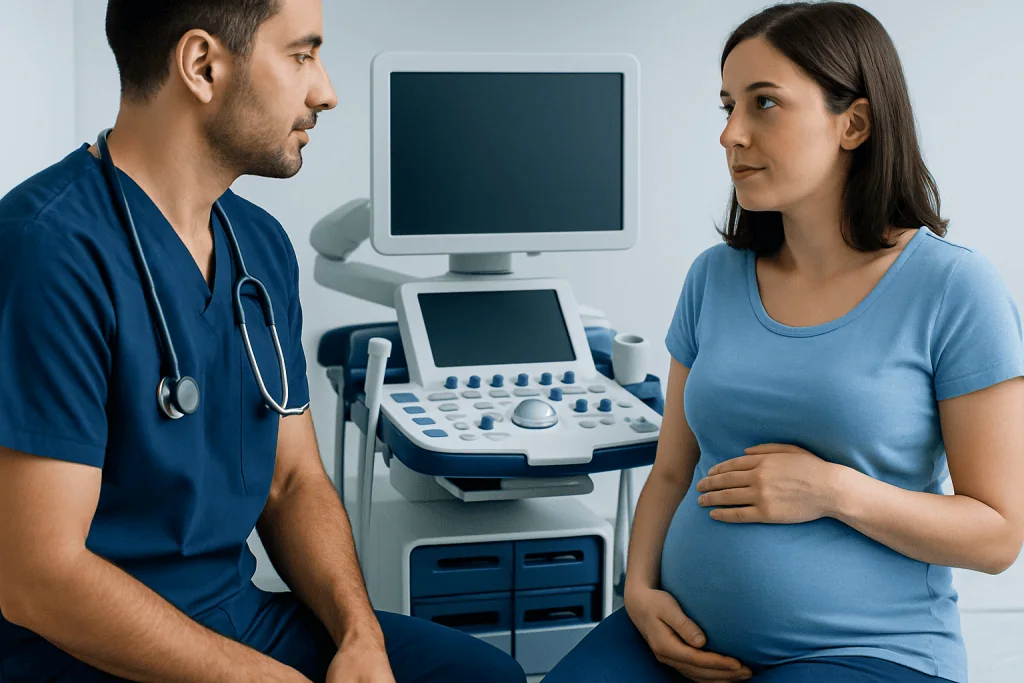
Pregnancy begins when a sperm fertilizes an egg. If pre-ejaculate enters the vagina and contains live sperm, those sperm may travel through the cervix and uterus toward the fallopian tubes. If ovulation has recently happened or is about to happen, fertilization can occur.
A common question is whether urinating before sex removes all risk. Urination may help flush the urethra, but it cannot guarantee that no sperm remain. This is why the withdrawal method, even when someone tries to pull out before ejaculation, is less reliable than other forms of contraception.
Risk is usually higher if unprotected vaginal intercourse happens during the fertile window, which includes the days leading up to ovulation and the day of ovulation itself. However, because cycles vary and ovulation timing is not always predictable, it is often impossible to know with certainty whether a particular exposure was low- or higher-risk.
It may help to think of precum-related pregnancy risk in context. The risk is lower than if semen is ejaculated into the vagina, but it is not zero. For someone who does not want pregnancy, relying on withdrawal alone is not considered the most dependable approach.
What Changes the Risk

Several factors influence whether pregnancy from precum is more or less likely. The first is whether sperm are present in the pre-ejaculate. Not every sample contains sperm, and not every sperm that is present is able to fertilize an egg, but enough uncertainty remains that clinicians treat exposure as potentially fertile.
The second factor is menstrual timing. Pregnancy is more likely when sex occurs during the fertile window. Because menstrual cycles can be irregular, delayed by stress, or affected by illness, estimating ovulation without testing can be unreliable.
Other factors include whether any ejaculation happened near the vaginal opening, whether a condom was used correctly from the start of genital contact, and whether the person uses another contraceptive method such as birth control pills or an intrauterine device. Existing fertility issues can also change the overall chance of pregnancy, though they do not remove the possibility entirely.
- Higher risk: unprotected vaginal sex near ovulation, recent ejaculation before intercourse, or withdrawal used alone
- Lower risk: consistent use of reliable contraception or no vaginal exposure to genital fluids
- Separate concern: precum can also transmit some sexually transmitted infections
What to Do After Unprotected Sex
If there has been unprotected vaginal sex and pregnancy is not desired, emergency contraception may reduce the chance of pregnancy if used within the recommended time window. The best option depends on timing, body factors, and medical history, so a pharmacist or clinician can help guide the choice. For some people, fertility and reproductive medicine care may also be relevant later if there are ongoing questions about conception, cycle timing, or reproductive health.
It is also reasonable to monitor for the expected menstrual period, but symptoms alone are not a reliable way to tell whether pregnancy occurred. Early pregnancy symptoms such as breast tenderness, fatigue, nausea, or light spotting can overlap with normal premenstrual changes.
For people worried about sexually transmitted infections, pregnancy is not the only issue to consider. If there was exposure without barrier protection, testing may be appropriate depending on the type of contact and individual risk. A clinician may also discuss screening for related gynecologic concerns such as ovarian cysts if pelvic symptoms suggest another cause.
How Doctors Evaluate Pregnancy Risk and Confirm Pregnancy
Doctors usually begin with a careful history. They ask when the sexual contact happened, whether penetration occurred, whether there was ejaculation, what form of contraception was used, and when the last menstrual period started. They may also ask about cycle regularity, symptoms, and any past reproductive health issues.
If pregnancy is possible, the main diagnostic step is a pregnancy test. Home urine tests are often accurate after a missed period, while blood testing may detect pregnancy earlier in some cases. If the result is unclear but suspicion remains, repeat testing after a few days may be advised.
If someone has pain, unusual bleeding, or a positive pregnancy test with concerning symptoms, the doctor may recommend a pelvic examination and ultrasound. This helps confirm whether the pregnancy is in the uterus and whether another gynecologic issue could be causing symptoms. In broader reproductive evaluations, a specialist may also assess conditions such as endometriosis when symptoms point in that direction.
When pregnancy is not the concern but symptoms are ongoing, the evaluation may focus on contraception counseling, menstrual irregularity, or pelvic pain. In some cases, people are referred for gynecology evaluation and treatment to review contraceptive options and reproductive health more fully.
Prevention and Self-Care
The most effective way to avoid pregnancy from precum is to use a reliable contraceptive method consistently and correctly. Condoms work best when they are put on before any genital contact, not only before ejaculation. This matters because pre-ejaculate can be released early in arousal.
Many people use withdrawal, but it is less effective than methods such as condoms, hormonal contraception, or long-acting reversible contraception. Some people choose to combine methods, such as condoms plus another form of birth control, to lower risk further and add protection against sexually transmitted infections.
Tracking cycles can help with fertility awareness, but cycle-based methods require careful use and are less forgiving when cycles are irregular. If someone is trying to conceive, the same timing information can be useful, and support from reproductive specialists may help if pregnancy does not occur as expected.
Near the end of the care pathway, some people prefer specialist support for contraception planning, irregular periods, or pregnancy concerns. Acibadem International’s multidisciplinary specialists in JCI-accredited hospitals diagnose and treat reproductive health conditions for international patients.
When to Seek Medical Care
Most worries after precum exposure do not become emergencies, and many people will not become pregnant. Still, medical advice is worth seeking promptly if emergency contraception may be needed, if there is concern about sexually transmitted infection exposure, or if the person has a missed period and does not know whether to test.
Urgent medical review is important for severe lower abdominal pain, shoulder pain, fainting, dizziness, very heavy bleeding, or a positive pregnancy test with one-sided pelvic pain. These symptoms can have several causes, including an ectopic pregnancy, which requires immediate care.
A doctor should also be consulted for repeated anxiety about pregnancy risk, ongoing irregular bleeding, painful sex, or difficulty choosing a contraceptive method. These concerns are common and treatable, and a personalized discussion often provides more clarity than online estimates of risk.
Frequently asked questions
Can you get pregnant from precum without ejaculation?
Yes. Pregnancy is possible even if ejaculation did not happen because pre-ejaculate can sometimes contain sperm. The risk is lower than with ejaculation into the vagina, but it is not zero.
How likely is pregnancy from precum?
There is no exact number for a single encounter because risk depends on whether sperm were present, where the fluid went, and timing in the menstrual cycle. In general, the chance is lower than with ejaculation, but unprotected vaginal sex can still result in pregnancy.
Does urinating before sex prevent pregnancy from precum?
Not completely. Urinating may help clear the urethra, but it cannot guarantee that no sperm remain. It should not be relied on as a method of contraception.
When should a pregnancy test be taken after precum exposure?
A home urine pregnancy test is usually most reliable after a missed period. If testing is done earlier and the result is negative, repeating the test a few days later may be helpful if the period still has not arrived.
Can emergency contraception help after precum gets in the vagina?
Yes, emergency contraception may reduce the chance of pregnancy after unprotected vaginal sex if used within the recommended time frame. A clinician or pharmacist can advise on the most appropriate option based on timing and health history.
Can precum transmit sexually transmitted infections too?
Yes. Pre-ejaculate can contribute to STI transmission, depending on the infection and type of contact. Condoms and other barrier methods help lower this risk when used correctly from the start of sexual contact.
References
- American College of Obstetricians and Gynecologists
- Centers for Disease Control and Prevention
- Mayo Clinic
- National Health Service
- World Health Organization
This article is for general information only and is not a substitute for professional medical advice. Please consult a qualified doctor about your individual situation.
Explore treatments in Turkey — costs, top hospitals & a free quote
JCI-accredited · board-certified surgeons · reply within 24h
Add us as a Preferred Source to see more of our trusted health content across Google Search, AI Overviews and Discover.
Check your numbers in seconds
BMI, calories, due date, blood pressure and 30+ more clinical calculators — free, instant, doctor-reviewed ranges.