Can You Get Pregnant on Birth Control? Here Is What the Evidence Says

No birth control method is 100% effective except abstinence. Correct and consistent use makes a major difference, especially for pills, patches, rings, and condoms.
Key Takeaways
- No birth control method is 100% effective except abstinence.
- Correct and consistent use makes a major difference, especially for pills, patches, rings, and condoms.
- A missed period, unusual bleeding, nausea, or breast tenderness can justify a home pregnancy test even while using contraception.
- Emergency contraception may help after unprotected sex, condom breakage, or missed hormonal contraception.
- Medical review is important urgently for severe pain, heavy bleeding, fainting, or a positive pregnancy test with an IUD in place.
Yes, a person can get pregnant on birth control, but for most methods the chance is low when used correctly and consistently. The main reasons pregnancy happens are missed doses, delayed injections, device problems, vomiting or diarrhea, and interactions with certain medicines.
Overview: Can pregnancy happen while using birth control?
Yes. A person can get pregnant on birth control, but in many cases the risk is still low, especially when the method is used exactly as directed. This is important reassurance for people who notice spotting, nausea, or a late period: these symptoms do not automatically mean pregnancy, because hormones and normal cycle variation can also cause them.
At the same time, pregnancy on contraception is possible because no method is perfect. Some methods depend heavily on day-to-day or month-to-month use, while others work in the background with much less room for human error. The chance of pregnancy can rise if pills are missed, a patch or ring is late, an injection is delayed, a condom breaks, or a device moves out of place.
If pregnancy is suspected, the next step is usually simple: take a home pregnancy test at the recommended time and contact a clinician if the result is positive, uncertain, or symptoms are concerning. Doctors then look at the contraceptive method used, how consistently it was used, the timing of sex, and whether any medicines or digestive illness may have reduced effectiveness.
How birth control effectiveness really works
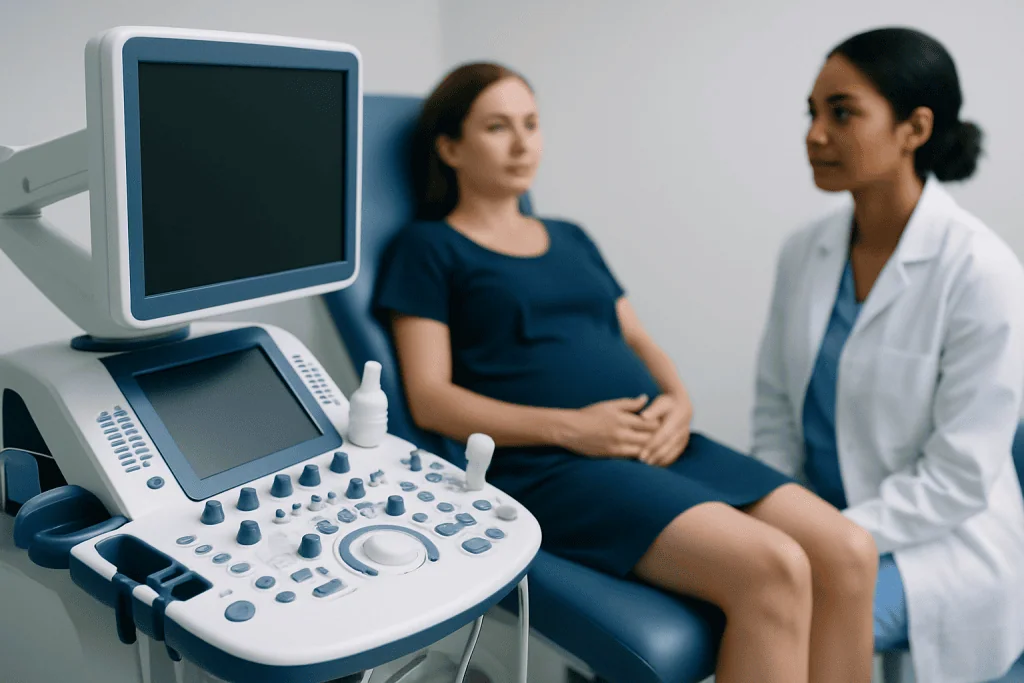
Birth control effectiveness is often discussed in two ways: perfect use and typical use. Perfect use means the method is used exactly as instructed every time. Typical use reflects real life, where people may forget pills, replace patches late, have trouble using condoms consistently, or delay appointments for repeat injections.
Long-acting reversible contraception, such as intrauterine devices and implants, tends to have the lowest pregnancy risk because it does not rely on daily action. Pills, patches, rings, condoms, diaphragms, and fertility-awareness methods can still work well, but they are more vulnerable to timing mistakes or user error.
Emergency contraception can reduce the chance of pregnancy after unprotected sex or a birth control problem such as a missed pill, a detached patch, or a condom break. It is time-sensitive, so acting promptly matters. A clinician can also explain ongoing contraceptive options, including fertility and reproductive care when pregnancy planning becomes a goal rather than a concern.
- Methods with less user error: IUDs, implants
- Methods requiring regular action: pills, patch, ring, injection
- Methods requiring use every time: condoms, diaphragms
- Back-up options after a mistake: emergency contraception and timely medical advice
Why pregnancy can happen on birth control

The most common reason is incorrect or inconsistent use. Missing birth control pills, taking them at widely different times, forgetting to start a new pack, delaying the contraceptive injection, or leaving a vaginal ring out too long can all lower protection. Condoms may also fail if they tear, slip, are used late, or are stored improperly.
Another reason is reduced absorption or drug interaction. Vomiting, severe diarrhea, or certain medicines can make hormonal contraception less reliable. Some anti-seizure drugs, certain treatments for infections, and a few herbal products may interfere with hormone levels. A doctor or pharmacist can check whether a medicine creates a meaningful interaction.
Occasionally, the issue is with the method itself rather than day-to-day use. An IUD can rarely shift position or be expelled, especially in the first months after placement. If an IUD string feels much longer or shorter than usual, or the device cannot be felt when it previously could be, medical review is sensible. People who have symptoms suggestive of an underlying reproductive condition may also need evaluation for issues such as polycystic ovary syndrome or cycle irregularities that can complicate symptom interpretation.
Symptoms that may suggest pregnancy despite contraception
Pregnancy symptoms can overlap with common side effects of hormonal birth control. A late or missed period, lighter bleeding than usual, nausea, tiredness, breast tenderness, bloating, and frequent urination can all occur in early pregnancy, but they can also happen because of the contraceptive method itself or stress, illness, travel, or weight change.
Breakthrough bleeding does not necessarily mean a person is pregnant. In fact, spotting is common after starting a new pill, changing methods, or using continuous hormonal contraception. However, if bleeding is unusual for that person and comes with a missed period or pregnancy symptoms, taking a test is reasonable.
Pregnancy should be considered more strongly after a known contraceptive problem, such as several missed pills, a condom break, a delayed injection, or unprotected sex during a time when a new method was not yet fully effective. If lower abdominal pain is severe, one-sided, or associated with dizziness or shoulder pain, urgent assessment is needed to rule out ectopic pregnancy, a serious form of pregnancy outside the uterus.
How doctors check for pregnancy and related problems
If someone wonders, can you get pregnant on birth control, the diagnostic process is usually straightforward. A clinician begins by asking which method is being used, how long it has been used, whether any doses were missed, the date of the last menstrual period, when sex occurred, and whether vomiting, diarrhea, or interacting medicines were involved.
The first test is often a urine pregnancy test, either at home or in clinic. If the result is unclear, very early, or symptoms are concerning, a blood test for pregnancy hormone may be used. Doctors may repeat testing after a short interval if the first result is negative but the timing suggests it may have been too early to detect pregnancy.
If there is pain, heavy bleeding, a positive test with an IUD in place, or concern for ectopic pregnancy, pelvic examination and ultrasound may be recommended. Depending on symptoms, clinicians may also review whether another condition is contributing, such as infection, ovarian cysts, or hormonal disorders. In some cases, further assessment with gynecologic evaluation or pelvic ultrasound imaging is the most helpful next step.
What to do if birth control might have failed
The right next step depends on timing and the method used. If unprotected sex happened recently after a birth control mistake, emergency contraception may still help. A pharmacist, primary care clinician, or gynecologist can advise which option fits best and whether a pregnancy test should be done now or after a short wait.
For pills, patches, rings, and injections, following the method-specific instructions matters because guidance differs depending on how many doses were missed and when. In many cases, a back-up method such as condoms is recommended for a period of time. People should not stop ongoing contraception without understanding how to restart or switch safely, unless a clinician advises otherwise.
If a pregnancy test is positive, the person should arrange medical review, especially if they have pain, bleeding, or an IUD in place. The doctor will confirm the pregnancy, assess its location, and discuss next steps in a supportive, nonjudgmental way. If longer-term contraception is being reconsidered after a scare, options such as contraceptive counseling and birth control care can help match the method to a person’s routine, health history, and preferences.
Prevention and self-care: lowering the risk of unintended pregnancy
One of the most effective ways to lower risk is choosing a method that fits everyday life. Someone who finds it hard to remember a daily pill may do better with a long-acting method or one that requires less frequent action. Matching the method to the person often matters as much as the method itself.
Practical habits can also improve protection. Setting reminders, keeping pills in a visible routine place, replacing patches and rings on schedule, attending injection appointments on time, and carrying condoms as back-up all reduce the chance of contraceptive failure. Reading the patient information leaflet and asking about missed-dose rules can prevent confusion later.
It is also wise to review all medicines and supplements with a healthcare professional. If vomiting or severe diarrhea occurs soon after taking a pill, advice should be sought because another dose or back-up contraception may be needed. Condoms remain important for protection against sexually transmitted infections, even when another birth control method is also used.
When to seek medical care
Many pregnancy scares while using birth control turn out not to be pregnancy, and mild spotting or cycle changes are often harmless. Still, medical review is important if a home pregnancy test is positive, if periods stop unexpectedly, or if symptoms keep recurring despite negative tests. A clinician can confirm whether the symptoms are due to pregnancy, the birth control method, or another cause.
Urgent care is needed for severe or one-sided abdominal pain, heavy bleeding, fainting, marked dizziness, shoulder pain, or pain with a positive pregnancy test. These symptoms can point to ectopic pregnancy or another urgent gynecologic problem. Anyone with an IUD and a positive pregnancy test should contact a doctor promptly.
Near the end of the care pathway, specialist support may be helpful if symptoms are complex or contraception needs are changing. Acibadem International’s multidisciplinary specialists and JCI-accredited hospitals diagnose and treat reproductive health conditions for international patients, including evaluation of pregnancy concerns and contraceptive options.
Frequently asked questions
Can you get pregnant on the pill if you take it every day?
Yes, but the risk is low when the pill is taken correctly and consistently. Pregnancy is more likely if pills are missed, packs are started late, vomiting or severe diarrhea occurs, or another medicine interferes with effectiveness.
Should a person take a pregnancy test while on birth control?
A pregnancy test is reasonable if there is a missed period, unusual bleeding, nausea, breast tenderness, or a known birth control mistake. If the first test is negative but pregnancy is still possible, repeating it after a short interval may be advised.
Can spotting on birth control mean pregnancy?
Sometimes, but spotting more often reflects hormone-related breakthrough bleeding rather than pregnancy. Because the symptoms can overlap, a pregnancy test helps clarify the cause if the bleeding is unusual or comes with other pregnancy symptoms.
Which birth control methods are most likely to fail?
Methods that depend on regular user action tend to have higher typical-use failure than long-acting methods. Pills, patches, rings, and condoms can work well, but they are more affected by missed doses, timing issues, or incorrect use.
What happens if someone becomes pregnant with an IUD in place?
Medical care should be sought promptly. A doctor will confirm whether the pregnancy is inside the uterus, because an ectopic pregnancy must be ruled out, and will discuss the safest next steps.
Does emergency contraception work if regular birth control was used incorrectly?
It may help after missed pills, condom breakage, a late patch or ring, or other contraceptive problems. Because timing matters, it is best to ask a pharmacist or doctor as soon as possible about the most appropriate option.
References
- World Health Organization
- Centers for Disease Control and Prevention
- American College of Obstetricians and Gynecologists
- NHS
- Mayo Clinic
This article is for general information only and is not a substitute for professional medical advice. Please consult a qualified doctor about your individual situation.
Persistent digestive symptoms? Get evaluated in Turkey
JCI-accredited · board-certified surgeons · reply within 24h
Add us as a Preferred Source to see more of our trusted health content across Google Search, AI Overviews and Discover.

More from the Health Library



Related Specialists

Prof. Dr. Umut Akgün
Orthopedic Surgery & Traumatology
Dr. Mehmet Severcan
Aesthetic Plastic & Reconstructive Surgery
Dr. İlknur Reyhan Sözenoğlu
Anesthesiology
Prof. Dr. Kamil Kadir Topalkara
Neurology