Can You Join the Military with Asthma? Causes, Explanations, and Next Steps

A history of asthma does not always mean an automatic no, but military decisions depend on current symptoms, medication needs, and official medical standards. Symptoms after childhood, recent inhaler use, or abnormal lung function tests may affect eligibility more than a distant history of mild childhood wheeze.
Key Takeaways
- A history of asthma does not always mean an automatic no, but military decisions depend on current symptoms, medication needs, and official medical standards.
- Symptoms after childhood, recent inhaler use, or abnormal lung function tests may affect eligibility more than a distant history of mild childhood wheeze.
- A doctor typically reviews medical history, triggers, exercise tolerance, and breathing tests such as spirometry when evaluating asthma.
- Shortness of breath, wheezing, chest tightness, or cough with exercise should be assessed before intense training or military application.
- Applicants should rely on official branch-specific guidance and a qualified physician rather than informal advice online.
Can you join the military with asthma? Sometimes yes, but it depends on when asthma occurred, whether symptoms are still active, what treatment is needed, and what breathing tests show. Many people with mild or childhood asthma do well in everyday life, but military entry standards are stricter because training can place heavy demands on the lungs.
Overview: What the short answer means
In many people, asthma is mild, well controlled, and does not interfere with normal daily activities. However, the answer to the question, can you join the military with asthma, is not a simple yes or no. Military organizations usually apply stricter medical standards than civilian jobs because training, field conditions, cold air, dust, smoke, stress, and intense exercise can all challenge breathing.
In general, a past or present history of asthma may affect eligibility if symptoms continued beyond childhood, if rescue or controller inhalers are still needed, or if breathing tests show ongoing airway narrowing. Some applicants may be found eligible, while others may need further review or a waiver process depending on the country, branch, and current medical findings.
This is why the most useful approach is not to focus only on the label of asthma, but on whether there is active disease. Doctors and military medical reviewers typically look for recent symptoms, records of treatment, exercise tolerance, and objective lung testing. A person who had mild childhood asthma and has been symptom-free for years may be assessed differently from someone with current wheeze or exercise-induced symptoms.
Why asthma matters in military service
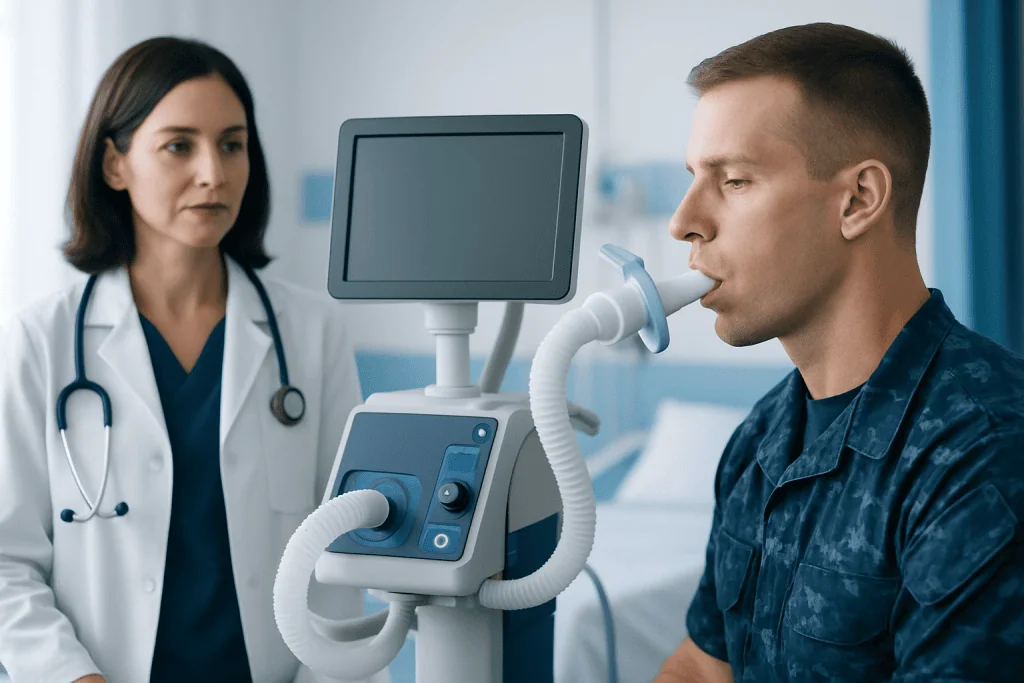
Asthma is a long-term condition in which the airways become inflamed and temporarily narrow. This can lead to wheezing, coughing, chest tightness, and shortness of breath. Symptoms may come and go, and they may be triggered by exercise, respiratory infections, allergens, smoke, cold air, or environmental irritants.
Military training often combines several of these triggers at once. Running, carrying heavy loads, exposure to dust or fumes, sleep disruption, and outdoor training in hot or cold weather can all provoke breathing symptoms in someone with active or poorly controlled asthma. For this reason, military standards are designed to reduce the risk of respiratory problems during training and deployment.
Another reason asthma receives close review is that symptoms may not always appear during a routine office visit. Some people breathe normally at rest but develop airway narrowing only during strenuous activity. This is sometimes called exercise-induced bronchoconstriction and may need specific testing if the history suggests it.
People who are unsure whether their symptoms are truly asthma may benefit from a proper respiratory assessment. In some cases, symptoms thought to be asthma turn out to be another issue, while in others, formal testing confirms asthma and helps guide next steps.
What usually affects eligibility

Military medical review commonly focuses on a few practical questions: At what age did symptoms occur? Have there been symptoms in recent years? Is any inhaler or daily medication still needed? Have there been urgent care visits, emergency treatment, or oral steroid courses? The more recent and active the condition is, the more likely it is to affect eligibility.
A history of childhood asthma does not always carry the same meaning as active asthma in adolescence or adulthood. Someone who wheezed only when very young and has had no symptoms, no inhaler use, and normal exercise tolerance for years may be considered differently from someone who still needs a rescue inhaler before sport or develops cough and tightness with cold-weather running.
Medical reviewers may also look for patterns that suggest hidden ongoing asthma, even if the person feels mostly well. These include nighttime cough, wheezing with colds, shortness of breath during exertion, or avoiding exercise because of chest symptoms. Records from schools, sports medicine, primary care, allergy specialists, or emergency visits may all contribute to the picture.
Importantly, exact rules vary. Different countries and branches may use different standards, and waiver processes are not identical. Because of this, applicants should check the current official requirements for the branch they plan to join and discuss their personal history with a qualified doctor rather than assuming that one person’s experience applies to everyone.
Symptoms and red flags that deserve medical review
Many breathing complaints are manageable and not immediately dangerous, but some should be evaluated before intense physical training or a military application. Symptoms that deserve attention include wheezing, chest tightness, frequent cough, shortness of breath during running, symptoms triggered by cold air, or needing to stop exercise because breathing becomes difficult.
Red flags are more concerning when symptoms are recurring, worsening, or affecting sleep and activity. A medical review is especially important if there has been recent inhaler use, urgent treatment for breathing trouble, repeated chest infections with wheeze, or symptoms that appear with exercise even when day-to-day breathing seems normal.
Emergency care is needed if breathing becomes severely difficult, lips or fingertips look blue, the chest or neck muscles are straining to breathe, speech is limited by breathlessness, or a rescue inhaler is not helping enough. These features can suggest a significant asthma flare or another serious lung problem and should not be ignored.
Not every episode of shortness of breath is asthma. Conditions affecting the heart, upper airway, fitness level, anxiety, or the lungs can sometimes cause similar symptoms. A careful assessment helps separate common, harmless explanations from signs that need treatment.
How doctors assess asthma before military application
A doctor usually starts with a detailed history. They may ask when symptoms first began, whether they occurred after a certain age, what triggers them, how often inhalers are used, and whether there have been hospital visits or steroid treatments. Exercise tolerance is important, especially if symptoms appear only during running or intense exertion.
The next step is often lung function testing. Spirometry measures how much air a person can blow out and how quickly they can do it. If the pattern suggests narrowed airways, the test may be repeated after bronchodilator medication to see whether breathing improves. This can help support or exclude a diagnosis of active asthma.
Sometimes additional tests are useful, such as exercise challenge testing, bronchial provocation testing, allergy evaluation, or imaging if another diagnosis is possible. These tests do not automatically determine military eligibility, but they can clarify whether symptoms are due to current asthma, a past history only, or another condition altogether.
If symptoms are uncertain or persistent, specialist input may help. A respiratory team may evaluate airflow limitation, identify triggers, and explain whether treatment is needed. In selected cases, doctors may use more advanced respiratory investigations or pulmonary function tests to better define lung health.
Treatment, control, and what happens next
If active asthma is confirmed, treatment aims to control inflammation, reduce symptoms, and lower the risk of flare-ups. Doctors commonly recommend avoiding known triggers where possible and using prescribed inhaled medicines appropriately. The exact treatment plan depends on symptom frequency, severity, and test results.
Good symptom control is important for overall health, but it does not automatically mean military standards will be met. A person may feel well in everyday life yet still not meet entry criteria if recent medication use, airway reactivity, or official standards indicate ongoing asthma. This can feel frustrating, but the goal is to protect the person’s safety during extreme physical demands.
If there is uncertainty, keeping accurate records can be helpful. Clinic notes, pharmacy history, test results, and a doctor’s summary may all be relevant during a military medical review. Some people may need a period of observation or repeat testing to confirm whether symptoms have truly resolved.
For people with ongoing respiratory concerns, management may involve a pulmonology review and structured follow-up. Depending on the findings, a doctor may recommend further assessment through services related to chest diseases care or, when symptoms are clearly linked to exertion, evaluation of exercise-related airway narrowing.
Self-care, documentation, and practical preparation
Before applying, it helps to take an honest view of breathing health rather than trying to minimize symptoms. If there is cough, wheeze, or shortness of breath during training, it is safer to assess this early. Trying to push through untreated symptoms can delay diagnosis and may increase the risk of a more serious flare during exercise.
Applicants can prepare by gathering prior medical records, noting any inhaler prescriptions, and documenting whether symptoms have occurred in recent years. It can also help to keep a simple symptom diary, especially if symptoms happen only with exercise, cold air, pets, pollen, or respiratory infections. Clear information makes medical review more straightforward.
General lung-friendly habits are worthwhile whether or not someone plans to join the military. These include avoiding smoking and vaping, limiting exposure to secondhand smoke, warming up before exercise, treating allergies if present, and following a doctor’s advice during colds or chest infections. Good conditioning supports breathing, but fitness alone does not rule out asthma.
If another respiratory problem is suspected, broader review may be needed. In some cases, doctors consider other lung diseases that can mimic asthma symptoms, especially when spirometry is unclear or symptoms do not fit the usual pattern.
When to seek medical care
Medical care should be arranged if there is wheezing, repeated cough, chest tightness, or breathlessness with exercise, particularly if these symptoms are new, recurring, or limiting training. Review is also important before a military medical exam if there has been inhaler use in recent years or if past asthma history is unclear.
Urgent medical attention is needed for severe shortness of breath, trouble speaking because of breathlessness, bluish lips, chest retractions, faintness, or symptoms that do not improve with prescribed reliever medication. These can be signs of a significant breathing emergency.
People who are concerned about eligibility often benefit from discussing the issue with both their usual doctor and, when appropriate, a respiratory specialist. This can clarify the diagnosis, ensure treatment is optimized, and help the person understand what official medical review is likely to consider.
For international patients who need evaluation, Acibadem International’s multidisciplinary specialists in JCI-accredited hospitals diagnose and treat respiratory conditions, including assessments related to bronchoscopy when clinically appropriate and broader pulmonary care.
Frequently asked questions
Can you join the military with asthma if you had it only as a child?
Possibly. A remote history of childhood asthma may be viewed differently from active asthma in the teen or adult years, especially if there have been no recent symptoms, no inhaler use, and normal breathing tests. Final decisions depend on the military branch’s current medical standards and official review.
Does using an inhaler automatically disqualify someone from military service?
Not automatically in every situation, but recent or ongoing inhaler use often triggers closer review because it may suggest active asthma. Reviewers usually consider why the inhaler was prescribed, how recently it was used, and whether testing confirms persistent airway reactivity.
What tests are commonly used to confirm asthma?
Doctors often begin with spirometry, which measures lung function before and after bronchodilator medication. If symptoms happen mainly with exertion or remain unclear, exercise challenge or other airway provocation tests may also be considered.
Can exercise-induced asthma affect military eligibility?
Yes. Symptoms that occur mainly during running or intense exertion can still matter because military training places high demands on breathing. If exercise causes cough, chest tightness, wheeze, or shortness of breath, medical assessment is important.
Should someone apply before seeing a doctor about possible asthma symptoms?
It is usually better to seek medical evaluation first. A clear diagnosis, up-to-date lung testing, and accurate records can prevent confusion and help the person understand both their health needs and likely next steps for application.
If asthma is well controlled, does that mean military service is allowed?
Not necessarily. Good control is excellent for health, but eligibility depends on official standards as well as symptom history, medication use, and objective testing. A person may be well controlled in daily life yet still need further review for military entry.
References
- Global Initiative for Asthma
- American Academy of Allergy, Asthma & Immunology
- National Heart, Lung, and Blood Institute
- Centers for Disease Control and Prevention
- American Thoracic Society
This article is for general information only and is not a substitute for professional medical advice. Please consult a qualified doctor about your individual situation.
Asthma in Turkey — costs, top hospitals & a free quote
JCI-accredited · board-certified surgeons · reply within 24h
Add us as a Preferred Source to see more of our trusted health content across Google Search, AI Overviews and Discover.