

Cancer Cachexia: Weight Loss, Appetite Changes, and Supportive Care

Cancer cachexia is more than poor appetite; it involves changes in metabolism, inflammation, and muscle loss. People may lose weight and strength even when trying to eat more.
Key Takeaways
- Cancer cachexia is more than poor appetite; it involves changes in metabolism, inflammation, and muscle loss.
- People may lose weight and strength even when trying to eat more.
- Treatment usually combines cancer care, nutrition support, symptom control, and physical activity when possible.
- Early assessment is important because cachexia can affect daily function, treatment tolerance, and recovery.
- Patients and families should report ongoing weight loss, poor appetite, or increasing weakness to the care team.
Cancer cachexia is a complex syndrome linked to cancer that causes ongoing weight loss, muscle wasting, reduced appetite, and fatigue. Early recognition and supportive care can help protect strength, comfort, and quality of life during treatment.
Overview
Cancer cachexia is a syndrome that can develop in people with cancer, especially in more advanced disease but sometimes earlier as well. It is marked by ongoing weight loss, loss of muscle mass, reduced appetite, tiredness, and weakness. Unlike simple starvation, cachexia is driven not only by eating less but also by changes in the body’s metabolism and inflammation.
In cancer cachexia, the body may break down muscle and fat faster than they can be replaced. This means a person may continue to lose weight even when trying to eat more. The condition can affect energy, mobility, mood, and the ability to tolerate cancer treatments.
Cachexia is not a sign of personal failure or lack of effort. It is a medical condition that needs proper assessment and support. Recognizing it early gives the healthcare team more opportunities to address symptoms, improve nutrition, and support daily functioning.
Symptoms and signs
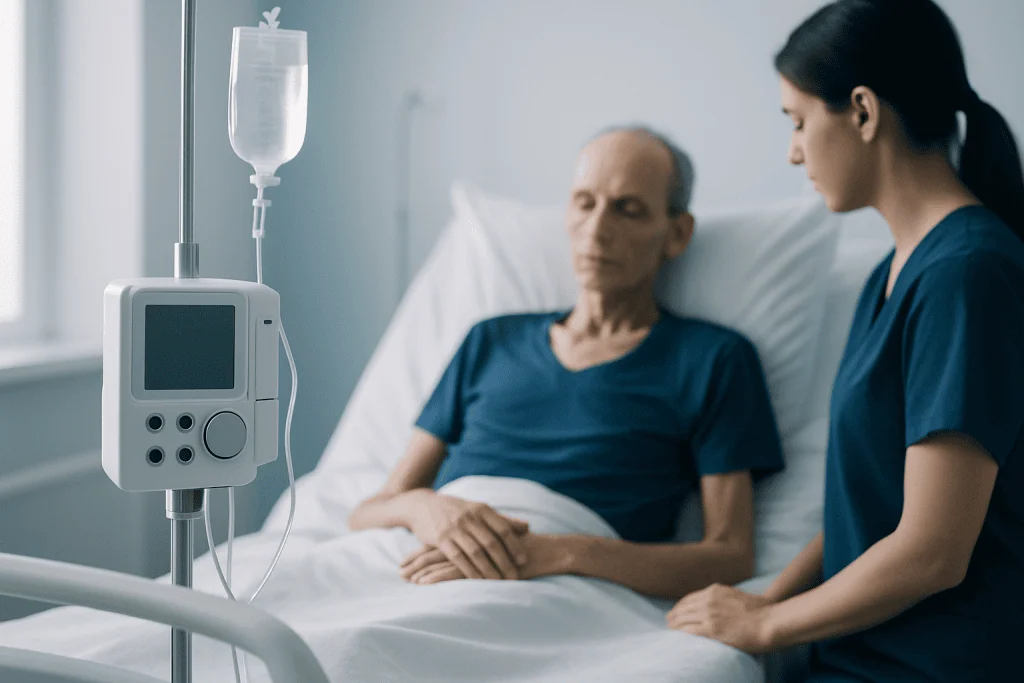
The most noticeable sign of cancer cachexia is unintentional weight loss. Clothes may fit more loosely, the face or limbs may look thinner, and strength may decline. Many people also notice a reduced appetite, feeling full quickly, changes in taste, nausea, or less interest in food.
Muscle loss is an important part of cachexia and may be more significant than the number on the scale suggests. A person may have trouble climbing stairs, carrying groceries, standing up from a chair, or continuing usual routines. Fatigue is common and can make eating, walking, and social activity more difficult.
Other symptoms may include:
- Weakness or reduced stamina
- Early satiety, meaning feeling full after small amounts of food
- Nausea, constipation, mouth sores, or swallowing problems
- Low mood, frustration, or anxiety related to eating and weight loss
- Swelling in some cases, which can hide true weight and muscle loss
Because these symptoms often overlap with cancer itself or with treatment side effects, it can be easy to overlook cachexia. Regular weight checks and open conversations about appetite, strength, and food intake can help identify it sooner.
Causes and risk factors

Cancer cachexia develops through several interacting processes. Tumors and the body’s immune response can release substances that increase inflammation and alter how the body uses protein, fat, and energy. These changes can lead to muscle breakdown, reduced appetite, and higher energy needs, even when a person is resting.
Symptoms related to cancer or treatment may make the problem worse. Pain, nausea, vomiting, constipation, depression, difficulty swallowing, dry mouth, mouth ulcers, and changes in smell or taste can all reduce food intake. Some cancers also affect digestion or absorption, making it harder for the body to use nutrients well.
Cachexia can occur with many cancer types, but it is more common in advanced cancers and in cancers that involve the digestive system, pancreas, stomach, lung, and other organs that strongly affect metabolism or eating. It may also be seen alongside related conditions such as lung cancer or stomach cancer.
Risk is higher when weight loss has been ongoing, food intake has been low for weeks, or physical activity has become limited. Even so, cachexia can affect people of different body sizes, including those who were previously overweight. This is why looking only at body weight may miss the early loss of muscle mass.
How doctors diagnose cancer cachexia
There is no single test that confirms cancer cachexia. Doctors diagnose it by combining information about weight changes, appetite, muscle mass, physical function, symptoms, and the underlying cancer. A careful history often includes how much weight has been lost over time, whether the loss was intentional, and how eating patterns have changed.
The examination may look for signs of muscle wasting, weakness, dehydration, or swelling. Blood tests can help assess inflammation, nutrition-related problems, anemia, kidney and liver function, and other conditions that may worsen fatigue or poor intake. In some cases, imaging already done for cancer care can also show reduced muscle mass.
The care team also looks for treatable contributors. For example, uncontrolled pain, nausea, constipation, depression, infection, or difficulty swallowing can all reduce appetite. Addressing these issues may improve comfort and support better nutrition, even if they do not fully reverse cachexia.
Because cachexia affects many parts of health, assessment often works best when several professionals are involved. This may include oncology, palliative care, dietitians, rehabilitation specialists, and sometimes speech and swallowing experts.
Treatment options and supportive care
Treatment for cancer cachexia usually focuses on several goals at the same time: treating the underlying cancer when appropriate, improving symptoms that interfere with eating, preserving muscle and function, and supporting quality of life. A realistic plan is tailored to the person’s cancer type, stage, overall health, and treatment goals.
If cancer treatment is likely to reduce tumor activity, it may also help slow cachexia. Depending on the clinical situation, this may involve chemotherapy, radiation therapy, or immunotherapy. Supportive medicines may sometimes be used to help appetite, nausea, pain, constipation, or other symptoms, but the choice depends on the individual’s needs and medical history.
Nutrition support is a central part of care, although eating more alone may not completely reverse cachexia. Dietitians often recommend small, frequent meals; high-protein, high-calorie foods; soft or easy-to-swallow options when needed; and drinks or supplements that are easier to take when appetite is low. The aim is not perfection but practical intake that feels manageable.
Gentle physical activity can also help, particularly resistance or strengthening exercises when safe and tolerated. Even modest movement may support muscle function, appetite, mood, and independence. In more complex cases, multidisciplinary cancer care is especially helpful; near the end of the care pathway, patients may also seek evaluation at centers such as Acibadem International, where multidisciplinary specialists in JCI-accredited hospitals care for international patients with cancer and related supportive needs.
Nutrition, self-care, and daily support
Daily routines can make a meaningful difference for people living with cancer cachexia. Many patients tolerate food better when meals are smaller and more frequent rather than large and scheduled. Eating at the times of day when appetite is best, keeping favorite foods available, and choosing energy-dense foods can reduce the pressure of trying to eat too much at once.
Helpful strategies may include:
- Adding protein-rich foods such as eggs, yogurt, cheese, beans, fish, or nut butters if tolerated
- Using smoothies, soups, or liquid nutrition when chewing feels tiring
- Managing dry mouth with sips of water, moist foods, or oral care guidance
- Taking short walks or doing gentle movement before meals if approved by a doctor
- Accepting help with shopping, cooking, and meal preparation
Emotional support is also important. Changes in eating can be distressing for both patients and families, and mealtimes may become a source of tension. It can help to focus on comfort, enjoyment, and realistic goals rather than pressuring the person to eat. A counselor, palliative care clinician, or support group may help families navigate these changes more calmly.
Some people may need additional supportive interventions if oral intake remains very poor or if swallowing is unsafe. Decisions about advanced nutrition support are individualized and should be discussed carefully with the treating team, taking into account the overall medical picture and the person’s preferences.
When to see a doctor
A doctor should be informed if there is ongoing unintentional weight loss, reduced appetite lasting more than several days, increasing weakness, or trouble doing normal daily activities. These changes can affect treatment tolerance, recovery, and safety, so early attention matters. It is also important to report symptoms such as nausea, vomiting, constipation, mouth sores, pain, swallowing difficulty, or persistent fatigue.
Urgent medical advice is needed if a person cannot keep fluids down, becomes confused, feels faint, has signs of dehydration, develops severe swallowing problems, or has rapid worsening of weakness. These issues may reflect complications that need prompt treatment.
Families and caregivers should not hesitate to raise concerns even if weight loss seems expected because of cancer. Tracking weight, appetite, and energy at home can give the medical team useful information. Early supportive care often improves comfort and helps the person stay as active and nourished as possible.
Frequently asked questions
What is the difference between cancer cachexia and general weight loss?
Cancer cachexia is not simply weight loss from eating less. It is a complex syndrome involving inflammation, metabolic changes, and loss of muscle, often alongside appetite changes. Because of this, it may continue even when a person tries to increase food intake.
Can cancer cachexia happen even if someone still eats?
Yes. A person can continue to lose weight and muscle despite eating because the body is using energy and protein differently. This is one reason cachexia should be assessed by a medical team rather than managed with diet changes alone.
Is cancer cachexia reversible?
It can sometimes improve, especially when it is identified early and the underlying cancer or related symptoms can be treated. However, complete reversal is not always possible. Supportive care can still help maintain strength, comfort, and day-to-day function.
What foods are best for someone with cancer cachexia?
There is no single best diet for everyone. In general, foods that are high in protein and calories, easy to eat, and well tolerated are often most helpful. A dietitian can adapt suggestions to taste changes, nausea, swallowing problems, and cultural food preferences.
Does exercise help with cancer cachexia?
Gentle, appropriate exercise may help preserve muscle function, improve mood, and support appetite. The type and amount should match the person's energy level, cancer treatment, and overall health. A doctor or rehabilitation professional can advise what is safe.
When should a family worry about appetite loss in cancer?
Families should speak with the care team if appetite remains poor for several days, if there is visible weight or muscle loss, or if weakness is getting worse. Medical attention is also important when poor intake comes with dehydration, vomiting, swallowing problems, or confusion. Early help can identify treatable causes and improve comfort.
References
- World Health Organization
- National Cancer Institute
- American Cancer Society
- European Society for Clinical Nutrition and Metabolism
- American Society of Clinical Oncology
This article is for general information only and is not a substitute for professional medical advice. Please consult a qualified doctor about your individual situation.
Medical weight-loss options in Turkey — costs & eligibility
JCI-accredited · board-certified surgeons · reply within 24h
Add us as a Preferred Source to see more of our trusted health content across Google Search, AI Overviews and Discover.

Medical Oncology Department
Medical treatment of cancer with chemotherapy, immunotherapy and targeted therapies under a multidisciplinary tumor board.
60 specialists in this unitMore from the Health Library



Related Specialists

Dt. Gonca Katmer
Oral & Dental Health
Prof. Dr. Sema Aydoğdu
Pediatric Gastroenterology
Assoc. Prof. Dr. Çetin Kılıççı
Gynecology & Obstetrics
Dr. Bülent Erdoğan
Emergency Service