Cancer Cells: How They Form and Spread

Cancer cells develop after genetic changes disrupt normal cell growth and control. Unlike healthy cells, cancer cells can keep dividing, avoid cell death, and invade nearby tissue.
Key Takeaways
- Cancer cells develop after genetic changes disrupt normal cell growth and control.
- Unlike healthy cells, cancer cells can keep dividing, avoid cell death, and invade nearby tissue.
- Some cancer cells spread through the blood or lymphatic system, a process called metastasis.
- Risk factors include age, tobacco, radiation, certain infections, inherited mutations, and lifestyle factors.
- Diagnosis often involves imaging, laboratory tests, and a biopsy to confirm the type of cancer.
- Treatment depends on the cancer type, stage, and the person’s overall health.
Cancer cells are abnormal cells that no longer follow the body’s usual rules for growth, repair, and death. Understanding how they form and spread can help people make sense of cancer diagnosis, testing, treatment, and prevention.
Overview
Cancer cells are cells that have changed in ways that let them grow out of control. In a healthy body, cells grow, divide, do their job, and die when they are old or damaged. This process is tightly regulated. Cancer begins when some cells stop responding to these normal controls.
These abnormal cells may form a mass called a tumor, although not all cancers produce tumors. Blood cancers, such as leukemia, usually involve abnormal cells circulating in the blood or building up in the bone marrow rather than forming a solid lump. Cancer cells can also invade nearby tissues and, in some cases, spread to distant organs.
Not every abnormal growth is cancer. Benign tumors can grow but do not invade other tissues or spread to other parts of the body. Malignant tumors are cancerous. They have the ability to damage nearby structures and may travel elsewhere in the body.
Understanding cancer cells helps explain why doctors recommend certain tests and treatments. It also helps patients and families understand terms such as mutation, tumor, stage, and metastasis in a clearer and less overwhelming way.
How Cancer Cells Form
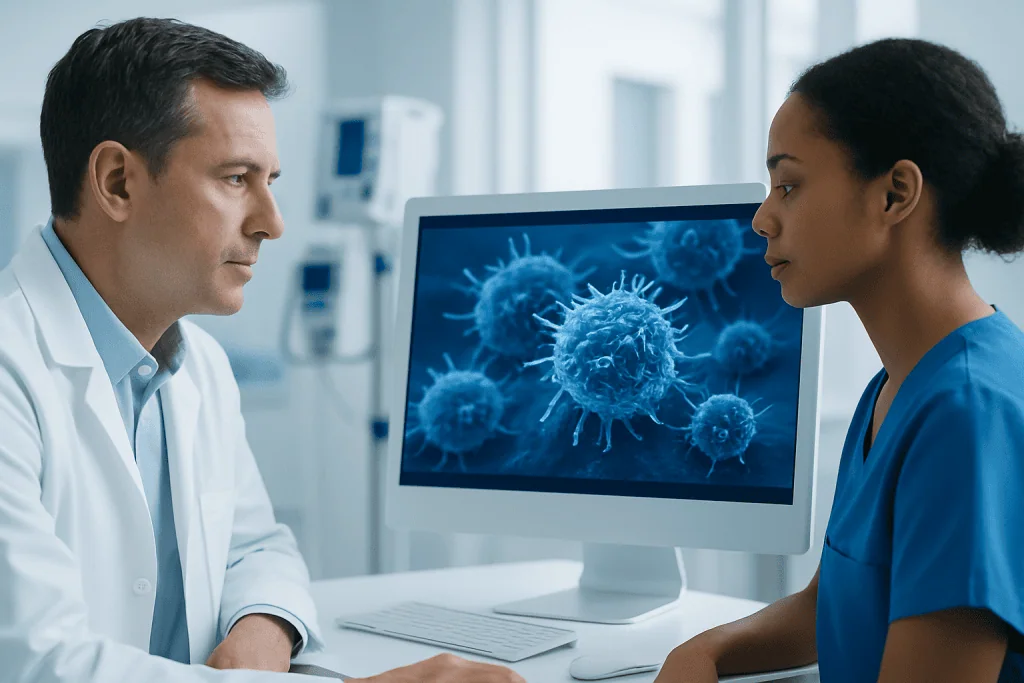
Cancer usually starts with changes in a cell’s genetic material. These changes, often called mutations, can affect genes that control how quickly cells divide, how damaged cells are repaired, and when cells should die. A single mutation is usually not enough to cause cancer. Over time, several changes may build up and allow a cell to become cancerous.
Some mutations happen by chance as cells divide. Others are linked to outside exposures such as tobacco smoke, ultraviolet radiation from the sun, certain chemicals, or radiation. In some people, inherited gene changes increase the risk of developing certain cancers, but inheriting a risk does not mean cancer is inevitable.
Healthy cells have built-in safety systems. They can repair damage, stop dividing, or undergo programmed cell death if the damage is too severe. Cancer cells often lose these protections. As a result, they survive when they should not, keep multiplying, and may become less specialized than the normal cells around them.
The immune system can sometimes recognize and destroy abnormal cells early. However, cancer cells may develop ways to avoid immune detection. This is one reason cancer can continue growing despite the body’s natural defenses.
What Makes Cancer Cells Different From Normal Cells
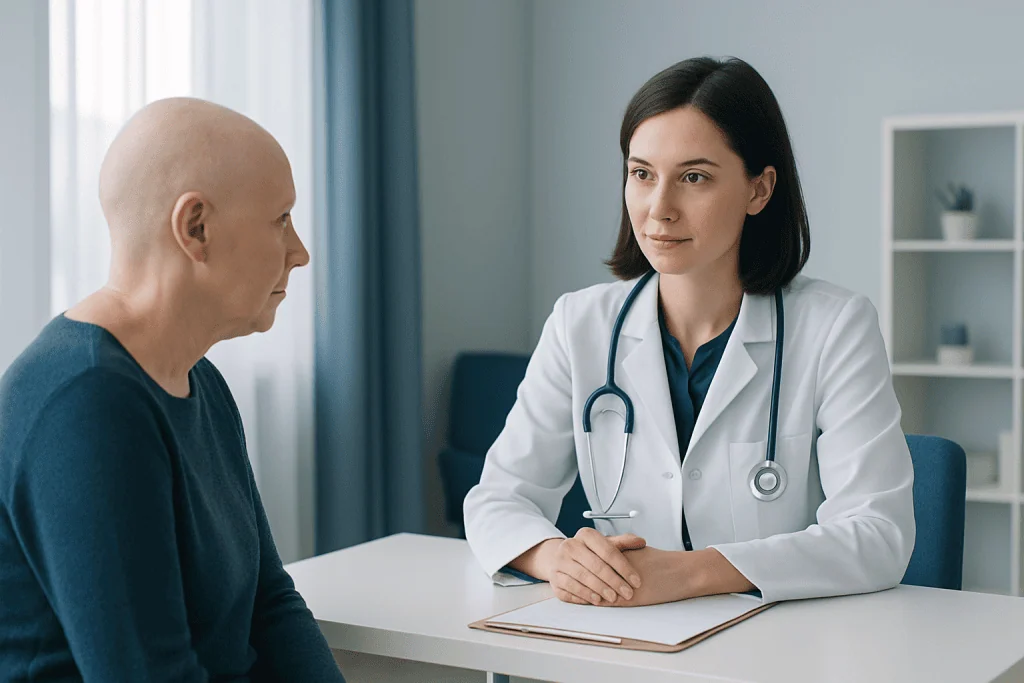
Cancer cells differ from normal cells in several important ways. They often divide faster, ignore signals to stop growing, and resist the normal process of cell death. They may also use energy differently and send signals that help them attract a blood supply, which supports continued growth.
Another key feature is their ability to invade nearby tissue. Normal cells usually stay in their proper place and respect boundaries between tissues. Cancer cells can break through these boundaries, making it harder to remove them completely and allowing the disease to progress.
As cancer develops, the cells can become increasingly disorganized. Under a microscope, pathologists often see that cancer cells look different from healthy cells in size, shape, and arrangement. These differences help doctors diagnose cancer and understand how aggressive it may be.
Some cancers are described by how much the cells resemble the original tissue. Cells that look more like normal cells are often called well differentiated, while those that look very abnormal are poorly differentiated. This information can be part of the overall picture used to plan care.
How Cancer Cells Spread
The spread of cancer cells from the original site to another part of the body is called metastasis. This process does not happen in every cancer, but it is a major reason cancer can become more difficult to treat. Metastatic cancer still carries the name of the place where it started. For example, breast cancer that spreads to the liver is still called breast cancer, not liver cancer.
To spread, cancer cells first break away from the primary tumor. They then move into nearby tissue and may enter blood vessels or lymphatic vessels. Once they travel through the body, some of these cells can leave the circulation, settle in a new location, and begin forming another tumor.
Metastasis is complex, and many cancer cells do not survive the journey. Those that do must adapt to a different environment and develop a new blood supply. This is why some cancers are more likely than others to spread, and why certain cancers tend to spread to particular organs.
Doctors use staging to describe how far a cancer has spread. Staging helps guide treatment and gives a clearer picture of the disease. It may include information about the size of the main tumor, whether lymph nodes are involved, and whether there is spread to distant organs.
Causes and Risk Factors
There is rarely a single cause of cancer. In most cases, cancer develops because of a combination of genetic susceptibility, aging, environmental exposures, and lifestyle factors. Many cancers become more common with age because cells have had more time to accumulate genetic changes.
Known risk factors include tobacco use, excess alcohol use, obesity, physical inactivity, unhealthy dietary patterns, ultraviolet radiation, ionizing radiation, and exposure to certain workplace chemicals. Some infections can also increase risk, including human papillomavirus, hepatitis B and C, and Helicobacter pylori.
Family history can matter, especially when close relatives have had the same or related cancers or when cancer occurs at a younger age than expected. In these situations, doctors may recommend genetic counseling. However, many people who develop cancer have no strong family history.
Having a risk factor does not mean someone will definitely develop cancer, and some people develop cancer without any clear risk factors. Common examples of cancer types include breast cancer, lung cancer, and colon cancer, each with its own pattern of risks, behavior, and treatment approach.
How Cancer Is Diagnosed
Cancer diagnosis usually begins when symptoms appear, a screening test finds an abnormality, or a doctor notices a concerning finding during an examination. The evaluation may include blood tests, imaging studies, and other specialized tests depending on the area involved.
Imaging tests such as ultrasound, CT, MRI, or PET scans can help locate an abnormal growth and show whether it may have spread. However, imaging alone usually cannot confirm whether a mass is cancer. In most cases, a biopsy is needed to make a definite diagnosis.
During a biopsy, a small sample of tissue or cells is removed and examined by a pathologist. This helps identify the cancer type, grade, and sometimes important molecular features. These details are increasingly important because modern cancer care is often tailored to the specific biology of the tumor.
After diagnosis, doctors may perform additional tests to determine the stage and build a treatment plan. This process can take time, but it is an important step in choosing the most appropriate care for the individual patient.
Treatment Options
Cancer treatment depends on the type of cancer, where it started, whether it has spread, and the patient’s overall health and preferences. The main goals may be to remove or destroy the cancer, control its growth, relieve symptoms, or reduce the risk of recurrence. Many people receive a combination of treatments.
Surgery may be used to remove a tumor when it is localized and can be safely taken out. In other situations, doctors may recommend chemotherapy to destroy rapidly dividing cells, radiation therapy to target cancer in a specific area, or immunotherapy to help the immune system recognize and attack cancer cells. Some cancers are also treated with targeted therapy or hormone therapy.
Treatment planning is often done by a multidisciplinary team that may include medical oncologists, surgeons, radiation oncologists, radiologists, pathologists, and supportive care specialists. This team-based approach helps balance effectiveness, safety, and quality of life. Side effects vary widely depending on the treatment and the person.
Supportive care is also an important part of cancer treatment. It may include pain management, nutritional support, emotional support, rehabilitation, and management of treatment-related side effects. Near the end of the care pathway, patients may seek evaluation at centers such as Acibadem International, where multidisciplinary specialists in JCI-accredited hospitals diagnose and treat cancer for international patients.
Prevention, Self-care, and When to See a Doctor
Not all cancers can be prevented, but many risk factors can be reduced. Avoiding tobacco, limiting alcohol, maintaining a healthy weight, staying physically active, protecting the skin from excess sun, and keeping up with recommended vaccines and screening tests can all support cancer prevention.
Screening can help find some cancers before symptoms begin or detect precancerous changes that can be treated early. Examples include screening for breast, cervical, colorectal, and some lung cancers in eligible people. A doctor can advise which screening tests are appropriate based on age, personal history, and family history.
People should speak with a doctor if they notice symptoms that do not go away, such as unexplained weight loss, a new lump, unusual bleeding, persistent pain, long-lasting cough, changes in bowel habits, or a mole that changes in size, shape, or color. These symptoms often have non-cancer causes, but persistent changes deserve medical attention.
Self-care during and after treatment matters too. Rest, balanced nutrition, gentle physical activity when possible, emotional support, and regular follow-up appointments can help people cope better with treatment and recovery. Questions about symptoms, side effects, or fears should always be discussed with a qualified healthcare professional.
Frequently asked questions
What are cancer cells?
Cancer cells are abnormal cells that grow and divide without following the body’s normal control systems. They may invade nearby tissues and, in some cases, spread to other parts of the body.
How do normal cells become cancer cells?
Normal cells can become cancer cells after genetic changes affect the genes that control growth, repair, and cell death. These changes may happen over time because of aging, random errors in cell division, inherited factors, or environmental exposures.
Do all cancer cells form tumors?
No. Many cancers form solid tumors, but some do not. Blood cancers such as leukemia usually affect the blood and bone marrow rather than forming a distinct mass.
What does metastasis mean?
Metastasis means cancer cells have spread from the original site to another part of the body. This can happen through the bloodstream or lymphatic system, where cells travel and form new tumors elsewhere.
Can cancer spread before symptoms appear?
Yes, some cancers can grow or spread before they cause noticeable symptoms. This is one reason screening and early evaluation of persistent changes can be important.
Are cancer cells always inherited?
No. Most cancers are not directly inherited. While some people inherit gene changes that increase risk, many cancers develop from mutations acquired during life.
Can cancer be prevented?
Not every cancer can be prevented, but risk can often be lowered. Healthy lifestyle choices, avoiding tobacco, protecting the skin from sun damage, vaccination, and appropriate screening all play a role.
References
- World Health Organization
- National Cancer Institute
- American Cancer Society
- Centers for Disease Control and Prevention
- National Health Service
This article is for general information only and is not a substitute for professional medical advice. Please consult a qualified doctor about your individual situation.
Oncology care in Turkey — second opinion and treatment plan
JCI-accredited · board-certified surgeons · reply within 24h
Add us as a Preferred Source to see more of our trusted health content across Google Search, AI Overviews and Discover.