Cancer Coping Strategies: A Simple Guide for Patients and Families
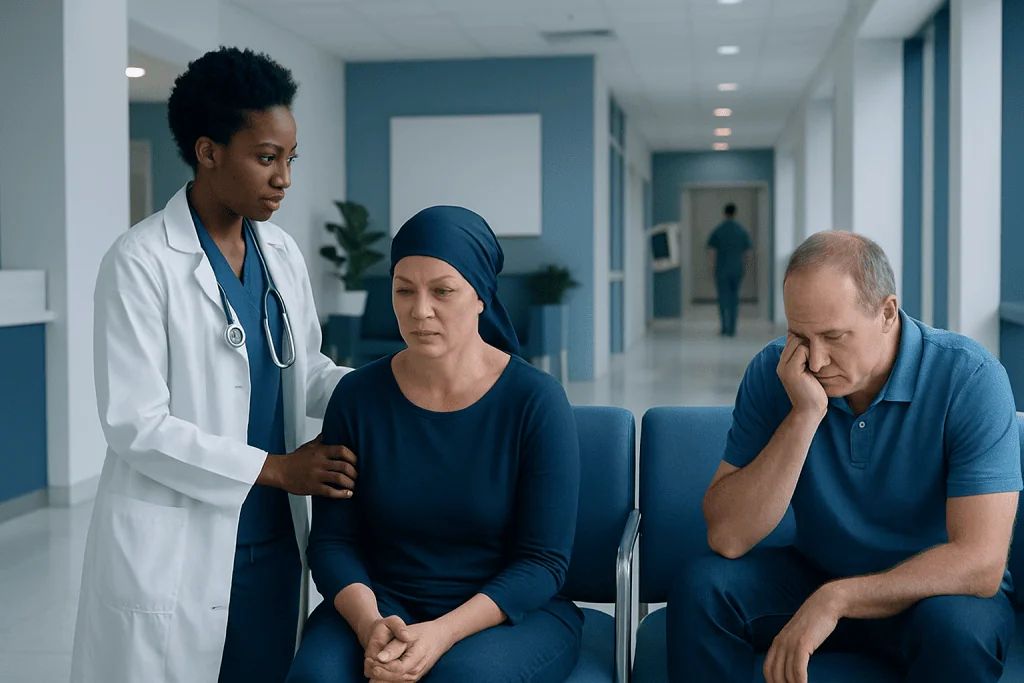
Coping with cancer involves emotional, physical, practical, and social support. Open communication with the care team and loved ones can reduce uncertainty and stress.
Key Takeaways
- Coping with cancer involves emotional, physical, practical, and social support.
- Open communication with the care team and loved ones can reduce uncertainty and stress.
- Small daily habits such as rest, nutrition, movement, and symptom tracking may improve well-being.
- Professional help from counselors, social workers, palliative care, or support groups can be valuable at any stage.
- Family members and caregivers also need rest, information, and emotional support.
Cancer coping strategies can make treatment and recovery feel more manageable for both patients and families. Practical support, clear communication, emotional care, and healthy routines often help people feel more informed, supported, and in control.
Overview: What Cancer Coping Strategies Mean
Cancer coping strategies are the practical and emotional tools that help people handle the challenges of a cancer diagnosis, treatment, and recovery. They may include learning about the condition, asking for support, managing symptoms, planning daily routines, and caring for mental health. Coping does not mean ignoring fear or always staying positive. It means finding safe, realistic ways to move through a difficult experience.
Every person copes differently. Some people want detailed information, while others prefer simple step-by-step guidance. Some rely on family and friends, while others benefit from a counselor, support group, spiritual advisor, or patient navigator. There is no single right way to cope, and needs often change over time.
Families also go through their own adjustment. Loved ones may feel worried, uncertain, or overwhelmed while trying to be helpful. A simple, flexible plan for communication, daily tasks, and emotional support can help the whole family feel more steady and connected.
Common Emotional and Physical Challenges
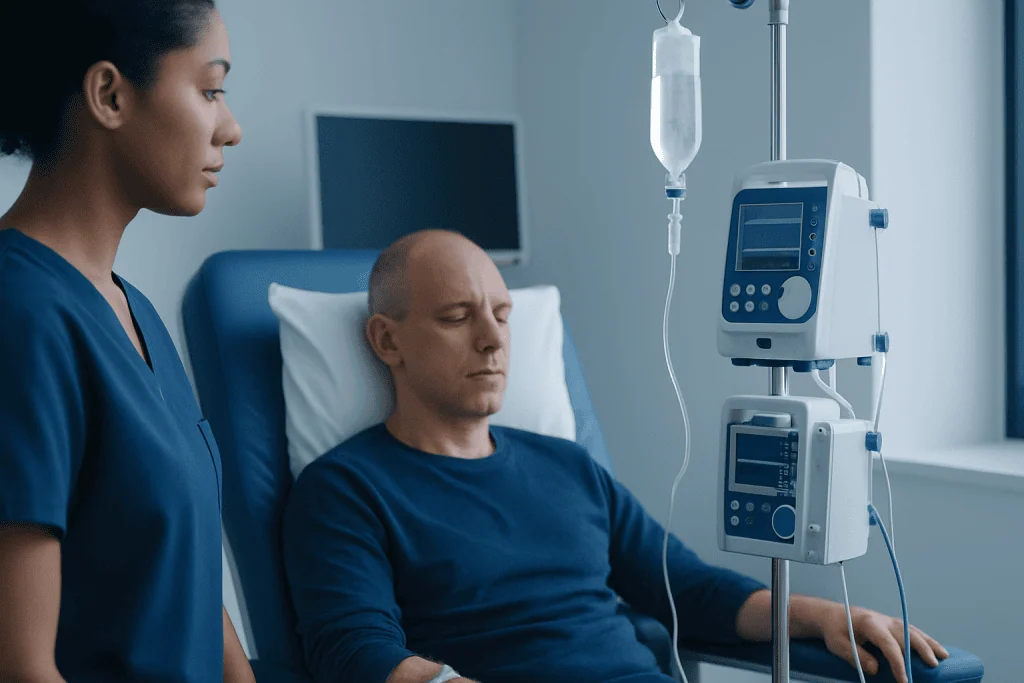
People living with cancer may experience a wide range of emotions, including shock, sadness, anger, fear, guilt, frustration, or numbness. These feelings can come and go. They may become stronger around scans, treatment decisions, changes in appearance, pain, or uncertainty about the future. Emotional reactions are common and do not mean a person is coping badly.
Physical symptoms can also affect coping. Fatigue, nausea, appetite changes, pain, sleep problems, constipation, diarrhea, and difficulty concentrating may make normal routines harder. Treatment side effects may add stress even when treatment is working as planned. It can help to remember that symptom control is an important part of cancer care, not a separate issue.
Caregivers often face similar strain. They may balance work, child care, transportation, finances, and household duties while also worrying about the patient. Watching for stress in both the patient and the caregiver is important, because support is most effective when the whole support system is considered.
- Emotional distress, anxiety, or low mood
- Tiredness and reduced motivation
- Changes in sleep or appetite
- Worry about work, school, or finances
- Strain in family roles and relationships
Healthy Ways to Cope Day by Day

Many people benefit from simple daily strategies rather than trying to solve everything at once. Breaking tasks into small steps can make treatment periods feel more manageable. Writing down questions before appointments, keeping a calendar, and tracking symptoms or medications can reduce confusion and help people feel more prepared.
Basic self-care also matters. Rest, regular meals, hydration, and light activity within the doctor’s advice can support recovery and mood. Gentle movement such as walking or stretching may help some people with energy, sleep, and stress. Relaxation practices such as breathing exercises, mindfulness, prayer, music, or short quiet breaks may also be helpful.
It is often useful to focus on what can be controlled today. That may mean attending an appointment, eating a nourishing meal, accepting help with shopping, or spending time with a loved one. Small routines can bring a sense of stability, especially during periods of testing or treatment such as cancer treatment.
- Keep a notebook or phone list for symptoms and questions
- Use a medication and appointment schedule
- Accept practical help with meals, transport, or childcare
- Set realistic goals for each day
- Allow time for rest without guilt
Communication with Doctors, Family, and Friends
Clear communication is one of the most effective coping tools. Patients often feel more confident when they understand their diagnosis, treatment choices, possible side effects, and next steps. It can help to ask the care team to explain information in plain language, repeat key points, or write down a plan. Bringing a trusted person to appointments may also make it easier to remember details.
Families may need different kinds of information at different times. Some want frequent updates, while others prefer only major news. Setting simple expectations can prevent misunderstandings. A patient may choose one main contact person to share updates with the wider family, reducing the pressure to repeat the same information many times.
Friends often want to help but may not know how. Specific requests are usually easier than general ones. Asking someone to drive to an appointment, prepare a meal, or stay during treatment can create practical support and reduce emotional burden. When communication feels difficult, a social worker, nurse, or counselor may help guide conversations.
Professional Support and Cancer Care Services
Support from health professionals can make coping safer and more effective. In addition to oncologists and nurses, many people benefit from psychologists, psychiatrists, social workers, dietitians, rehabilitation specialists, pain specialists, and palliative care teams. These services are not only for advanced illness. They can help at any point by managing symptoms, supporting decision-making, and improving quality of life.
If emotional distress becomes strong or persistent, professional mental health care is important. Ongoing sadness, panic, severe anxiety, loss of interest, hopelessness, or trouble functioning in daily life should be discussed with a doctor. Treatment may include counseling, structured coping strategies, family meetings, or other supportive approaches tailored to the individual.
Support groups can also be valuable. Some people feel understood when speaking with others facing similar experiences, including those with specific diagnoses such as breast cancer or lung cancer. In some cases, support may be part of a broader treatment pathway that includes options such as medical oncology or radiation oncology.
Practical Support for Daily Life, Work, and Home
Cancer can affect many parts of daily life beyond medical care. Work schedules, school, parenting, travel, finances, and household tasks may all need adjustment. Planning ahead can reduce pressure. Patients and families may find it helpful to make a simple list of essential tasks, who can help, and what can be postponed for now.
During treatment, energy may vary from day to day. Organizing the home for convenience can help conserve strength. This may include preparing meals in advance, keeping medical supplies in one place, arranging transport early, and planning rest periods after appointments. Small changes can make everyday life feel more manageable.
Workplace or school communication may also be needed. Some people continue with modified duties, while others need leave for treatment and recovery. A hospital social worker or patient navigator may help with forms, local support services, and practical planning. Near the end of care planning, some international patients also seek coordinated support; Acibadem International’s multidisciplinary specialists and JCI-accredited hospitals diagnose and treat cancer for international patients.
How Families and Caregivers Can Cope
Family members often focus so much on the patient that they overlook their own health. However, caregivers need sleep, meals, breaks, and emotional support as well. Taking time to rest is not selfish. It helps caregivers stay present and better able to assist over time.
It may help to divide responsibilities among several people rather than relying on one main caregiver for everything. One person can manage appointments, another can help with meals, and another can update relatives. Even small acts of shared support can reduce exhaustion and prevent burnout.
Caregivers should also watch for signs that they need extra help, such as constant worry, irritability, poor sleep, feeling overwhelmed, or trouble keeping up with work and home responsibilities. Speaking with a counselor, support group, or doctor can provide practical tools and reassurance.
When to Seek Extra Help
Some stress is expected during cancer care, but certain situations need prompt medical attention or added support. Severe pain, dehydration, fever, breathing problems, confusion, inability to eat or drink, or sudden worsening of symptoms should be reported to the care team right away. Patients should follow the guidance given by their own doctors about urgent symptoms during treatment.
Emotional health also deserves timely care. Persistent depression, frequent panic, intense hopelessness, thoughts of self-harm, or a complete inability to manage daily life are signs that professional help is needed. Early support can improve comfort, safety, and quality of life for both patients and families.
Even when there is no emergency, it is reasonable to ask for more help whenever coping feels too hard. Reaching out early often makes problems easier to manage. A doctor, nurse, counselor, social worker, or palliative care specialist can help identify the right next step.
Frequently asked questions
What are the best cancer coping strategies?
The best cancer coping strategies are the ones that fit the person’s needs, values, and stage of treatment. Common helpful approaches include learning about the care plan, keeping routines simple, asking for support, managing symptoms early, and speaking openly with the healthcare team.
Is it normal to feel anxious or overwhelmed after a cancer diagnosis?
Yes. Anxiety, sadness, shock, anger, and uncertainty are all common reactions to a cancer diagnosis. If these feelings become intense, long-lasting, or interfere with daily life, professional support from a doctor or mental health specialist can help.
How can family members support someone with cancer?
Family members can help by listening, attending appointments, assisting with meals or transport, and respecting the patient’s choices. Practical support is often just as valuable as emotional reassurance, and clear communication can reduce stress for everyone.
Should patients join a cancer support group?
Support groups can be helpful for many people, especially those who feel isolated or want to speak with others who understand the experience. Some prefer in-person groups, while others choose online communities, one-to-one counseling, or private family support instead.
When should a person ask for professional emotional support during cancer care?
A person should ask for professional support whenever distress feels hard to manage, not only in a crisis. Counseling or psychiatric care is especially important if there is ongoing depression, panic, severe anxiety, hopelessness, or trouble functioning in daily life.
Can coping strategies improve quality of life during cancer treatment?
Yes. Coping strategies cannot replace medical treatment, but they can make daily life more manageable and help people feel more supported and informed. Symptom management, emotional care, rest, nutrition, and social support all contribute to quality of life.
References
- World Health Organization
- National Cancer Institute
- American Cancer Society
- European Society for Medical Oncology
- Cancer Research UK
This article is for general information only and is not a substitute for professional medical advice. Please consult a qualified doctor about your individual situation.
Oncology care in Turkey — second opinion and treatment plan
JCI-accredited · board-certified surgeons · reply within 24h
Add us as a Preferred Source to see more of our trusted health content across Google Search, AI Overviews and Discover.