Cancer in Lymph Nodes Life Expectancy: Diagnosis, Outlook, and Modern Treatment Approaches
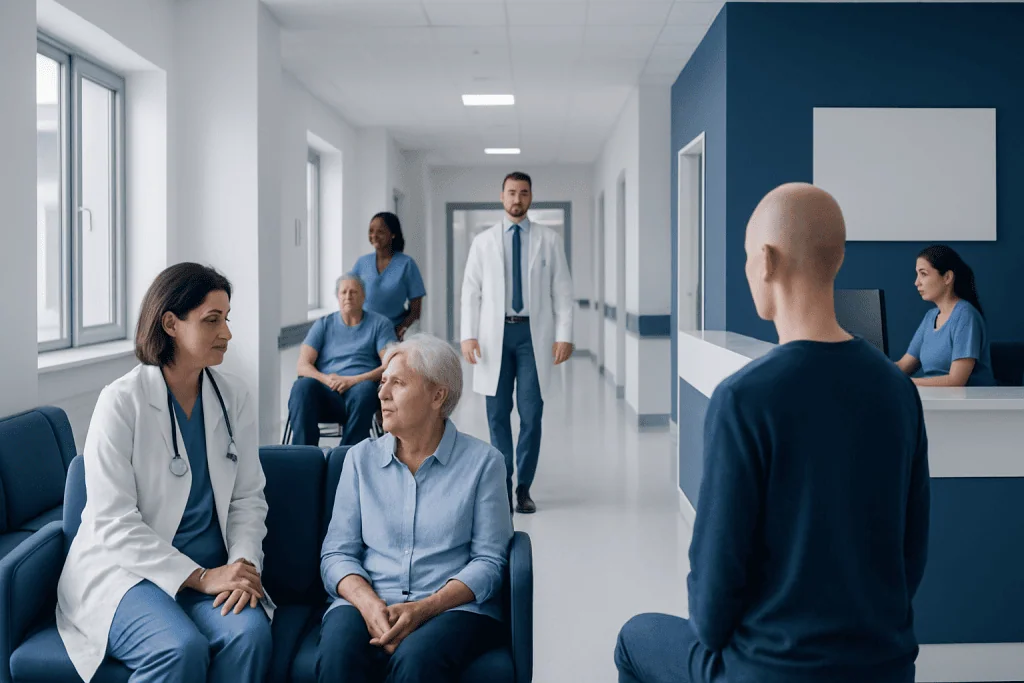
Lymph node involvement affects prognosis, but it is only one part of the overall picture. Doctors estimate outlook using cancer type, stage, tumor biology, imaging, biopsy results, and treatment response.
Key Takeaways
- Lymph node involvement affects prognosis, but it is only one part of the overall picture.
- Doctors estimate outlook using cancer type, stage, tumor biology, imaging, biopsy results, and treatment response.
- Modern care may include surgery, radiation therapy, chemotherapy, targeted therapy, immunotherapy, or combined treatment.
- Some cancers with lymph node spread are still highly treatable, and many people live for years with careful follow-up.
- Early evaluation of enlarged lymph nodes or a new cancer diagnosis helps guide the most effective treatment plan.
Cancer in lymph nodes life expectancy varies widely and cannot be predicted by lymph node involvement alone. Outlook depends on the original cancer type, how many nodes are affected, whether cancer has spread elsewhere, and how well it responds to treatment.
Overview: What Lymph Node Involvement Means for Life Expectancy
Cancer in lymph nodes life expectancy depends on much more than the presence of cancer cells in a lymph node. In general, lymph node involvement can mean the disease is more advanced than a tumor limited to one site, but it does not automatically mean the outlook is poor. Some cancers with nearby lymph node spread can still be treated with curative intent, while others are managed as long-term conditions with ongoing therapy.
Lymph nodes are small structures that help filter lymphatic fluid and support the immune system. Cancer may begin in the lymphatic system itself, as in lymphoma, or it may spread to lymph nodes from another organ, such as the breast, lung, colon, stomach, or skin. These are different situations, and their prognosis is not the same.
Doctors assess life expectancy by looking at the whole clinical picture: the type of cancer, the size and location of the original tumor, the number of lymph nodes affected, whether the involved nodes are nearby or distant, whether other organs are involved, and how the cancer responds to treatment. Age, general health, and certain tumor markers also matter.
For this reason, it is usually more helpful to think in terms of “outlook” or “prognosis” rather than a single number. A specialist team can explain what lymph node involvement means in an individual case and whether treatment aims to cure the cancer, reduce it, control symptoms, or lower the risk of recurrence.
How Cancer Reaches the Lymph Nodes
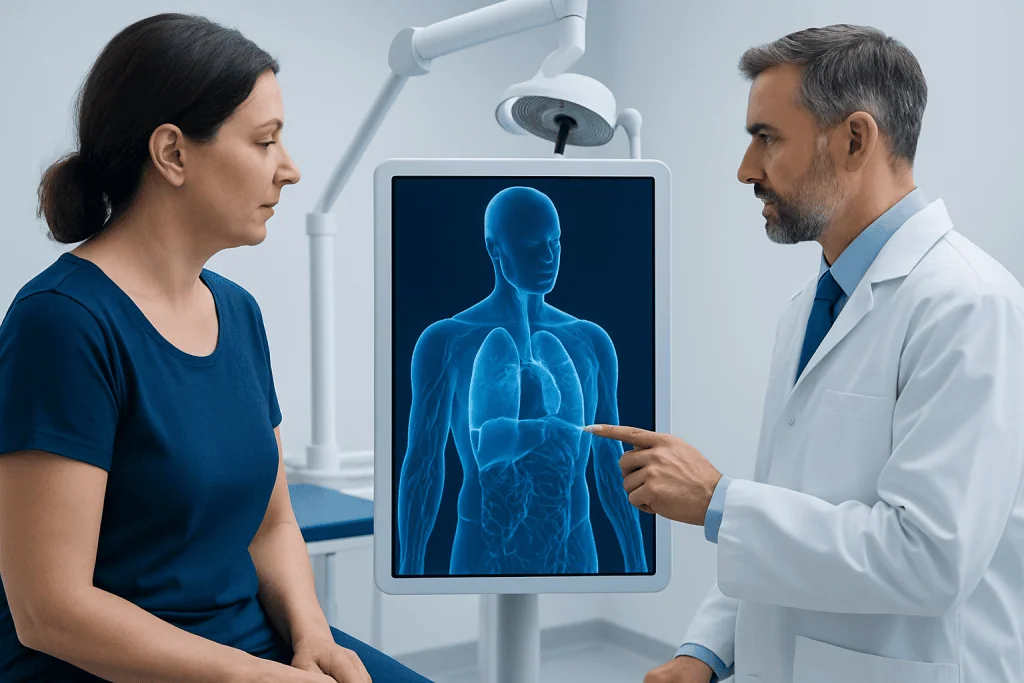
Cancer cells can break away from a primary tumor and travel through lymphatic channels into nearby lymph nodes. This is often one of the earliest pathways of spread for many solid tumors. When pathologists find cancer in one or more nodes, it helps doctors understand how far the disease has progressed.
Not all lymph node involvement is the same. Cancer found in a few nearby nodes may have a very different meaning from cancer found in many nodes or in nodes far from the original tumor. In staging systems for many cancers, these differences are recorded in the “N” category, which describes nodal spread, while the “M” category refers to spread to distant organs.
There is also an important difference between metastatic cancer in a node and cancer that starts in lymph tissue. Conditions such as lymphoma and leukemia involve blood or lymphatic cells and are diagnosed and staged differently from cancers that begin in organs and then spread to nodes.
Sometimes a person notices a swollen lymph node before the primary cancer is identified. In that situation, doctors may investigate the node itself with imaging or biopsy and then search for the original source. Enlarged nodes are not always cancerous, so careful evaluation is essential.
What Most Influences Prognosis
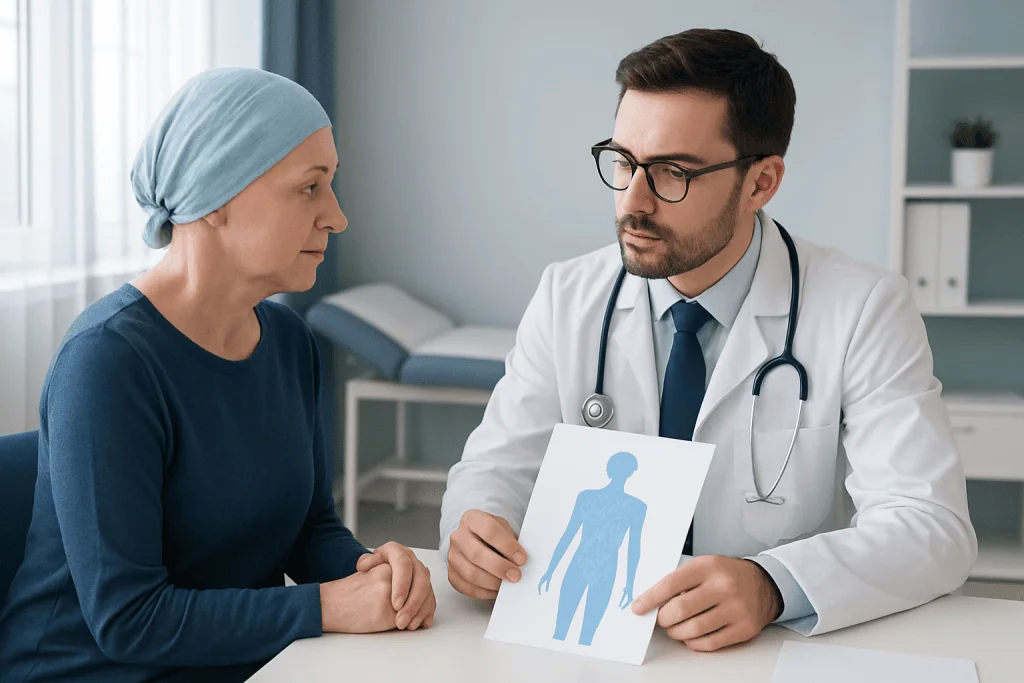
The strongest predictor of outlook is usually the cancer type. For example, breast cancer, colorectal cancer, melanoma, head and neck cancers, lung cancer, and gynecologic cancers each behave differently even when lymph nodes are involved. The tumor’s biology—such as grade, receptor status, or genetic mutations—can also make a major difference in how treatable it is.
The location and number of involved nodes matter as well. A small number of nearby positive nodes may suggest regional spread, which is often still treated aggressively. Cancer in distant nodes, or nodal disease combined with spread to organs such as the liver, lung, or bone, generally indicates a more advanced stage and may change treatment goals.
Response to treatment is another key factor. Some tumors shrink very well with chemotherapy, immunotherapy, radiation therapy, or targeted medicines. In these cases, prognosis may be better than it first appears. Doctors also consider whether the cancer can be completely removed with surgery or effectively controlled with combined treatment.
General health plays a practical role too. A person’s age, other medical conditions, nutrition, functional status, and tolerance of treatment help shape the plan and may affect outcomes. Because of this, no online estimate can replace an individualized discussion with an oncology team.
- Primary cancer type and tumor biology
- Number, size, and location of affected lymph nodes
- Whether spread is regional or distant
- Presence or absence of metastases in organs
- How well the cancer responds to treatment
- Overall health and ability to tolerate therapy
Diagnosis and Staging: How Doctors Assess the Situation
When doctors suspect cancer in lymph nodes, they first review symptoms, medical history, and a physical examination. Imaging tests may include ultrasound, CT, MRI, or PET-CT to see whether lymph nodes are enlarged, metabolically active, or associated with a primary tumor elsewhere in the body.
A biopsy is often needed to confirm whether a lymph node contains cancer and to identify the cancer type. Depending on the case, this may be done with a needle biopsy, endoscopic sampling, or surgical removal of part or all of a node. The tissue is then examined under a microscope, and additional laboratory tests may be used to look for markers that guide treatment.
For certain cancers, surgeons may evaluate the first draining lymph node from the tumor area, known as the sentinel lymph node. This is commonly used in selected cases of breast cancer and melanoma. If the sentinel node is free of cancer, more extensive node surgery may sometimes be avoided.
Staging brings together all of this information. Accurate staging helps estimate prognosis, compare treatment options, and decide whether care should focus on local treatment, systemic therapy, or both. In many centers, complex cases are reviewed by a multidisciplinary tumor board that includes oncologists, surgeons, pathologists, and radiologists.
Modern Treatment Approaches
Treatment for cancer in lymph nodes is directed at the underlying cancer, not only at the nodes themselves. The plan may include surgery, radiation therapy, systemic medicines, or a combination of these. The best approach depends on whether the goal is to cure the disease, lower the risk of recurrence after surgery, or control cancer that has spread more widely.
Surgery may remove the primary tumor and nearby lymph nodes or sample selected nodes for staging. In some cancers, more extensive lymph node dissection is recommended; in others, treatment has shifted toward less invasive approaches when evidence shows similar control with fewer side effects. If surgery is part of the plan, options may be discussed alongside cancer surgery.
Radiation therapy is often used to treat lymph node regions that contain cancer or are at high risk of containing microscopic disease. It may be given after surgery or, in some cases, instead of surgery. Systemic treatments such as chemotherapy, hormone therapy, targeted therapy, or immunotherapy can treat cancer cells throughout the body, including those in lymph nodes and distant sites.
Some people receive treatment before surgery to shrink the tumor and involved nodes, while others receive additional therapy after surgery to reduce recurrence risk. When the disease is advanced, treatment may focus on prolonging life, controlling symptoms, and maintaining quality of life. Near the end of the care pathway, patients may also seek evaluation at centers such as Acibadem International, where multidisciplinary specialists in JCI-accredited hospitals diagnose and treat cancer for international patients.
Living With the Diagnosis: Follow-Up, Side Effects, and Self-Care
After treatment begins, regular follow-up is important. Doctors may monitor symptoms, perform physical examinations, repeat scans, and order blood tests depending on the cancer type. The purpose is to measure treatment response, manage side effects, and watch for recurrence or progression.
Side effects vary by treatment. Surgery involving lymph nodes can increase the risk of swelling called lymphedema, especially in the arm, leg, or neck region depending on the cancer site. Radiation and systemic therapy may cause fatigue, skin changes, digestive symptoms, or changes in blood counts. Supportive care can often reduce these problems and help daily functioning.
Self-care does not replace medical treatment, but it can support recovery. Balanced nutrition, gentle physical activity as advised by the care team, good skin care, smoking cessation, stress management, and attending all follow-up visits are practical steps that may improve well-being. Patients should report new symptoms early rather than waiting for the next appointment.
Emotional support matters too. A diagnosis involving lymph nodes often raises fears about survival, even when the situation is treatable. Clear communication with the oncology team, counseling, support groups, and family support can help patients understand their options and cope with uncertainty.
When to Seek Medical Care
Medical care should be sought if a lymph node stays enlarged for more than a few weeks, continues to grow, feels hard or fixed, or appears in combination with unexplained weight loss, persistent fever, night sweats, unusual fatigue, or a new lump elsewhere in the body. These symptoms do not always mean cancer, but they should be assessed by a doctor.
People already diagnosed with cancer should contact their care team promptly if they notice rapidly enlarging nodes, worsening pain, new breathing difficulty, trouble swallowing, persistent cough, severe fatigue, or new neurological symptoms such as weakness or confusion. New symptoms may reflect treatment side effects, infection, or progression and should not be self-diagnosed.
Urgent evaluation is especially important if there is shortness of breath, chest pain, heavy bleeding, high fever during chemotherapy, or sudden swelling that affects the airway or limb function. Timely care can help prevent complications and may allow treatment to be adjusted early.
Because prognosis is individualized, anyone asking about cancer in lymph nodes life expectancy should speak with an oncologist who has access to the pathology and staging details. A clear explanation from the treating team is usually more useful than comparing one case with another online.
Frequently asked questions
Does cancer in lymph nodes always mean stage 4?
No. Cancer in nearby or regional lymph nodes is often not stage 4 and may still be treated with curative intent. Stage 4 usually refers to spread to distant organs or distant sites, although staging rules vary by cancer type.
Can cancer in lymph nodes be cured?
In some cases, yes. Cure is possible when lymph node involvement is limited and the cancer responds well to surgery, radiation, systemic therapy, or a combination of treatments. The chance of cure depends on the original cancer type and the extent of spread.
How do doctors estimate cancer in lymph nodes life expectancy?
Doctors use staging, biopsy findings, imaging results, tumor biology, and response to treatment to estimate prognosis. They also consider age, overall health, and whether the cancer is localized, regional, or metastatic.
Are swollen lymph nodes always a sign of cancer?
No. Swollen lymph nodes are more commonly caused by infections, inflammation, or other non-cancer conditions. A node that remains enlarged, grows, or is associated with other concerning symptoms should be evaluated by a doctor.
What treatments are used when cancer has spread to lymph nodes?
Treatment may include surgery, radiation therapy, chemotherapy, hormone therapy, targeted therapy, or immunotherapy. The exact plan depends on the primary cancer and whether the aim is cure, recurrence prevention, or long-term control.
Does removing lymph nodes improve survival?
Sometimes, but not in every situation. Lymph node removal can help stage the cancer accurately and may be part of curative treatment, but in some cancers less extensive surgery is appropriate. The decision depends on evidence for that specific cancer type.
References
- National Cancer Institute
- American Cancer Society
- World Health Organization
- National Comprehensive Cancer Network
- European Society for Medical Oncology
This article is for general information only and is not a substitute for professional medical advice. Please consult a qualified doctor about your individual situation.
Oncology care in Turkey — second opinion and treatment plan
JCI-accredited · board-certified surgeons · reply within 24h
Add us as a Preferred Source to see more of our trusted health content across Google Search, AI Overviews and Discover.