Cancer Prevention: What You Can Change and What You Cannot
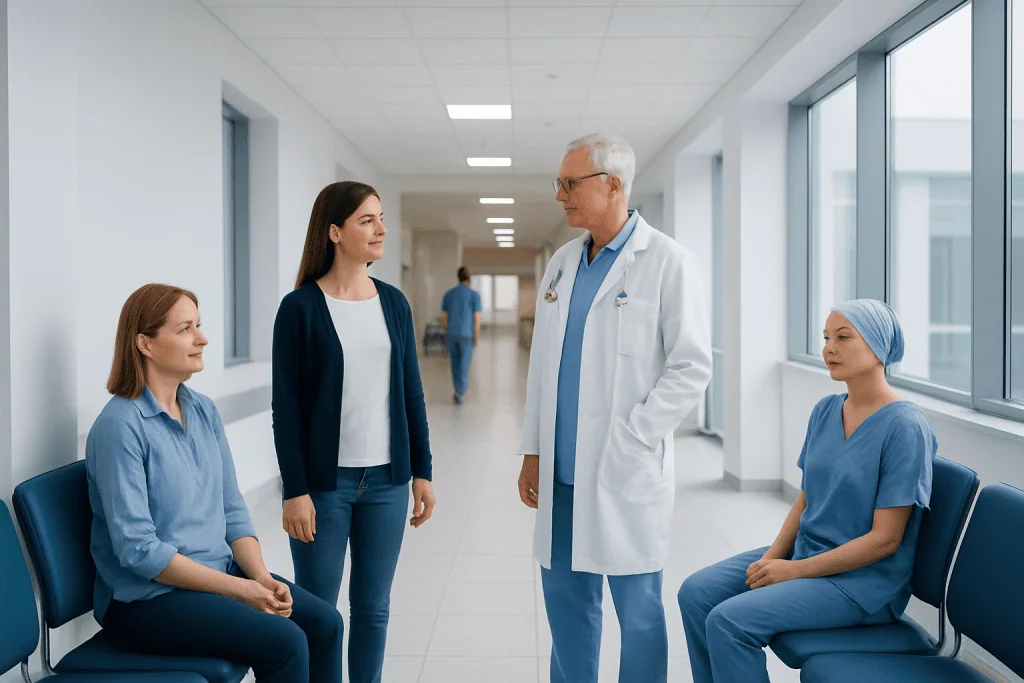
Some cancer risks can be changed, including tobacco use, alcohol use, weight, physical activity, and sun exposure. Other risks, such as age, family history, and certain inherited gene changes, cannot be changed.
Key Takeaways
- Some cancer risks can be changed, including tobacco use, alcohol use, weight, physical activity, and sun exposure.
- Other risks, such as age, family history, and certain inherited gene changes, cannot be changed.
- Vaccines, screening, and timely medical care can help prevent some cancers or find them earlier.
- A balanced lifestyle lowers risk but does not guarantee that cancer will never occur.
- People with a strong family history or unusual symptoms should speak with a qualified doctor.
Cancer prevention means lowering the chance of developing cancer by addressing risk factors that can be changed and understanding those that cannot. While no step can prevent every cancer, healthy habits, recommended vaccines, and regular screening can make a meaningful difference.
Overview
Cancer prevention refers to practical steps that may lower a person’s chance of developing cancer. It does not mean that cancer can always be avoided. Cancer develops when cells grow abnormally, and this process can be influenced by a mix of lifestyle, environmental exposures, infections, hormones, aging, and inherited traits.
Many people wonder why some individuals develop cancer despite living healthily, while others with several risk factors do not. This happens because cancer risk is complex. Some factors are within a person’s control, and others are not. Understanding this difference can help people make informed decisions without guilt or false reassurance.
The goal of prevention is not perfection. Instead, it is to reduce risk where possible, support overall health, and use screening to detect certain cancers early. For those who already have a diagnosis of cancer, preventive habits may still support long-term health, although treatment decisions should always follow medical advice.
What Can Be Changed
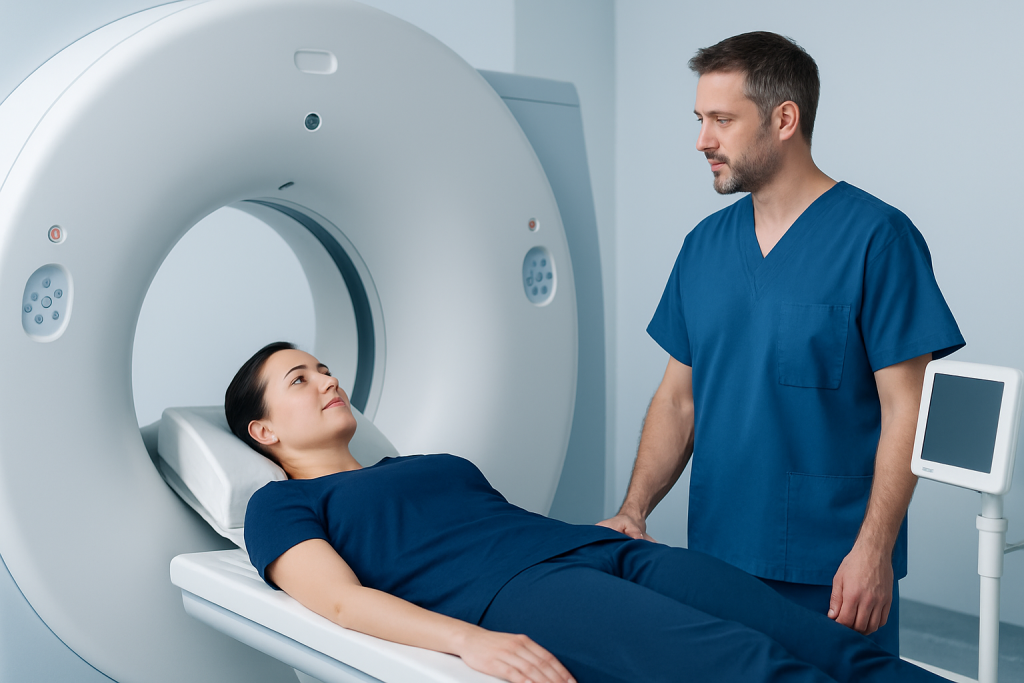
Several important cancer risk factors are modifiable, meaning they can be reduced through daily choices and public health measures. Avoiding tobacco is one of the most powerful steps. Smoking and other tobacco products are linked to many cancers, including lung, mouth, throat, bladder, kidney, and pancreas cancer. Avoiding secondhand smoke also matters.
Body weight, diet, and physical activity also play a role. A balanced eating pattern with vegetables, fruits, whole grains, beans, and minimally processed foods may support lower cancer risk. Regular movement helps maintain a healthy weight and benefits hormone balance, metabolism, and inflammation. There is no single “anti-cancer diet,” but long-term healthy habits are helpful.
Alcohol use increases the risk of several cancers, including breast, liver, bowel, mouth, and esophageal cancers. Reducing or avoiding alcohol can lower this risk. Protecting the skin from ultraviolet exposure is another key step, using shade, clothing, and sunscreen rather than tanning beds.
- Do not smoke or vape nicotine products if possible
- Limit or avoid alcohol
- Stay physically active most days of the week
- Aim for a healthy body weight over time
- Protect the skin from excessive sun exposure
- Follow workplace safety measures around chemicals or radiation
What Cannot Be Changed
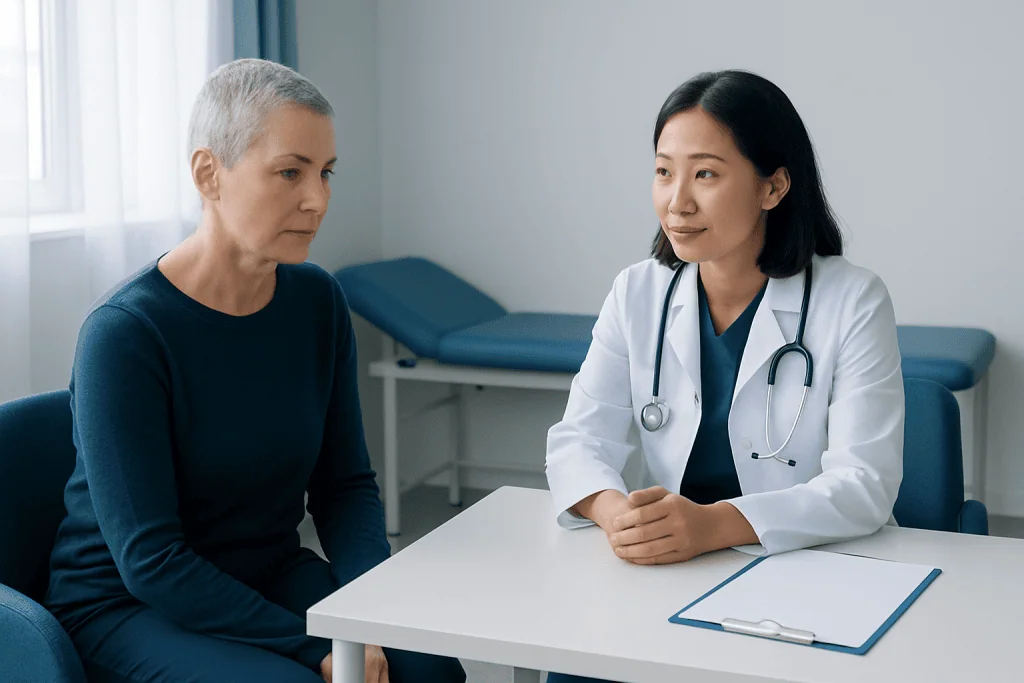
Some cancer risks are non-modifiable. Age is one of the strongest examples, because the chance of many cancers rises over time. This does not mean cancer is inevitable with aging, only that risk generally increases as cells experience more changes over the years.
Family history and inherited gene changes can also influence risk. Some people are born with gene variants that make certain cancers more likely, such as hereditary breast, ovarian, colorectal, or prostate cancers. Having a relative with cancer does not always mean there is an inherited syndrome, but it can be a clue that extra attention may be needed.
Biological sex, personal medical history, and some hormone-related factors may also affect risk. In addition, not every exposure can be fully controlled. People may encounter environmental pollution or other background risks despite healthy choices. For this reason, prevention should be understood as risk reduction rather than a guarantee.
Infections, Vaccines, and Environmental Exposures
Some cancers are linked to infections. Human papillomavirus, or HPV, can lead to cervical cancer and is also associated with anal, penile, vulvar, vaginal, and some head and neck cancers. Hepatitis B and hepatitis C can increase the risk of liver cancer. In some cases, treating chronic infection or preventing infection can reduce future risk.
Vaccination is therefore an important part of cancer prevention. HPV vaccination helps protect against types of HPV that commonly cause cancer. Hepatitis B vaccination helps reduce the risk of chronic infection and related liver disease. Vaccine timing depends on age and personal circumstances, so guidance from a healthcare professional is important.
Environmental and occupational exposures can matter as well. Examples include asbestos, radon, air pollution, and certain industrial chemicals. Not every exposure can be avoided, but testing homes for radon in some regions, using protective equipment at work, and following safety regulations can help reduce risk.
Screening and Early Detection
Screening is different from prevention, but it is closely connected. Screening aims to find cancer or pre-cancer before symptoms appear. In some cases, this can prevent cancer from developing at all, such as when pre-cancerous polyps are found and removed during colonoscopy. In other situations, screening may detect cancer earlier, when treatment is often more effective.
Common screening tools include mammography for breast cancer, cervical screening for cervical cancer, stool tests and colonoscopy for colorectal cancer, and low-dose CT in selected people at high risk for lung cancer. Screening recommendations vary by age, sex, family history, smoking history, and other personal factors. Not every test is appropriate for every person.
People should be cautious about seeking unnecessary tests without medical guidance. Good screening is evidence-based and individualized. A doctor can help decide which tests are suitable, when they should begin, and how often they should be repeated. If an abnormality is found, further evaluation may include biopsy or imaging to clarify the diagnosis.
Lifestyle Steps That Support Lower Risk
Healthy routines do not need to be extreme to be meaningful. Small, consistent changes are often more realistic and sustainable than major short-term efforts. Quitting tobacco, improving sleep, managing stress, staying active, and building a balanced diet are all steps that support general health and may reduce cancer risk over time.
It is also helpful to know what to approach carefully. Supplements marketed for “detox” or “cancer prevention” are not a substitute for proven strategies. Some may interact with medications or be harmful in high amounts. The safest approach is to focus on whole-food nutrition and speak with a healthcare professional before starting supplements for cancer prevention.
For people with inherited risk or a strong family history, lifestyle measures remain valuable but may not be enough on their own. These individuals may benefit from personalized follow-up, genetic counseling, or additional surveillance. In some cases, doctors may discuss targeted options such as genetic testing to guide risk assessment and future planning.
When to See a Doctor
A doctor should be consulted if there are persistent or unexplained symptoms, even when they seem mild. Warning signs can include a new lump, unusual bleeding, a lasting cough, unexplained weight loss, changes in bowel habits, difficulty swallowing, or a mole that changes in shape or color. These symptoms often have non-cancer causes, but they deserve proper evaluation.
Medical advice is also important for anyone with a strong family history of cancer, especially if close relatives were diagnosed at a young age or if several family members had the same or related cancers. A clinician can review personal and family history and advise on screening, referral, or inherited risk assessment.
Near the end of a preventive journey, many people need guidance on what applies to them personally. Multidisciplinary specialists at Acibadem International and its JCI-accredited hospitals diagnose and treat cancer-related conditions for international patients, and they can help coordinate screening, risk evaluation, and further care when needed, including PET-CT imaging when clinically appropriate.
Frequently asked questions
Can cancer always be prevented?
No. Cancer prevention lowers risk, but it cannot remove risk completely. Some factors, such as age, genetics, and chance cell changes, cannot be controlled.
What is the most important step to reduce cancer risk?
Avoiding tobacco is one of the most effective actions for reducing cancer risk. Smoking is linked to many types of cancer, and stopping at any age can still provide health benefits.
Does a healthy diet guarantee that someone will not get cancer?
No, a healthy diet cannot guarantee this. However, balanced eating patterns may help lower risk and support overall health, especially when combined with exercise, weight management, and avoidance of tobacco.
If cancer runs in the family, is it unavoidable?
Not necessarily. A family history can increase risk, but it does not mean cancer will definitely develop. It does mean that personalized screening or genetic counseling may be worth discussing with a doctor.
Are cancer screening tests the same as prevention?
Not exactly. Screening is mainly used to detect cancer early or find pre-cancerous changes before symptoms begin. In some cases, such as removal of colon polyps, screening can also help prevent cancer from developing.
Do vaccines help prevent cancer?
Yes, some vaccines do. HPV vaccination helps prevent cancers linked to human papillomavirus, and hepatitis B vaccination helps reduce the risk of chronic infection that can lead to liver cancer.
References
- World Health Organization
- National Cancer Institute
- Centers for Disease Control and Prevention
- American Cancer Society
- International Agency for Research on Cancer
This article is for general information only and is not a substitute for professional medical advice. Please consult a qualified doctor about your individual situation.
Oncology care in Turkey — second opinion and treatment plan
JCI-accredited · board-certified surgeons · reply within 24h
Add us as a Preferred Source to see more of our trusted health content across Google Search, AI Overviews and Discover.