Cancer Research News: How New Treatments Are Developed

New cancer treatments are developed in stages, starting with basic research and preclinical testing. Clinical trials help researchers study safety, dosing, and how well a treatment works.
Key Takeaways
- New cancer treatments are developed in stages, starting with basic research and preclinical testing.
- Clinical trials help researchers study safety, dosing, and how well a treatment works.
- Not every early finding becomes an approved treatment, because careful review is essential.
- Precision medicine and immunotherapy are important areas of current cancer research.
- Patients may be able to access innovative therapies through clinical trials when appropriate.
Cancer research news often highlights promising discoveries, but new treatments reach patients only after careful testing. The development process usually moves from laboratory research to clinical trials, regulatory review, and ongoing safety monitoring.
Overview
Cancer research news can be encouraging, especially when it reports a new drug, a promising laboratory result, or a breakthrough in personalized care. However, most cancer treatments do not move directly from discovery to everyday use. They are developed through a step-by-step process designed to answer important questions about safety, effectiveness, and which patients may benefit most.
Researchers begin by understanding how cancer starts, grows, spreads, and interacts with the body. This includes studying genes, proteins, immune responses, and the behavior of cancer cells. These discoveries can help identify new targets for treatment, such as a specific mutation in a tumor or a signal that allows cancer cells to avoid the immune system.
From there, scientists test possible therapies in the laboratory and in preclinical models before they are studied in people. If a treatment continues to show promise, it may move into clinical trials. Even after approval, the treatment is still monitored to learn more about long-term results and rare side effects.
How New Cancer Treatments Begin
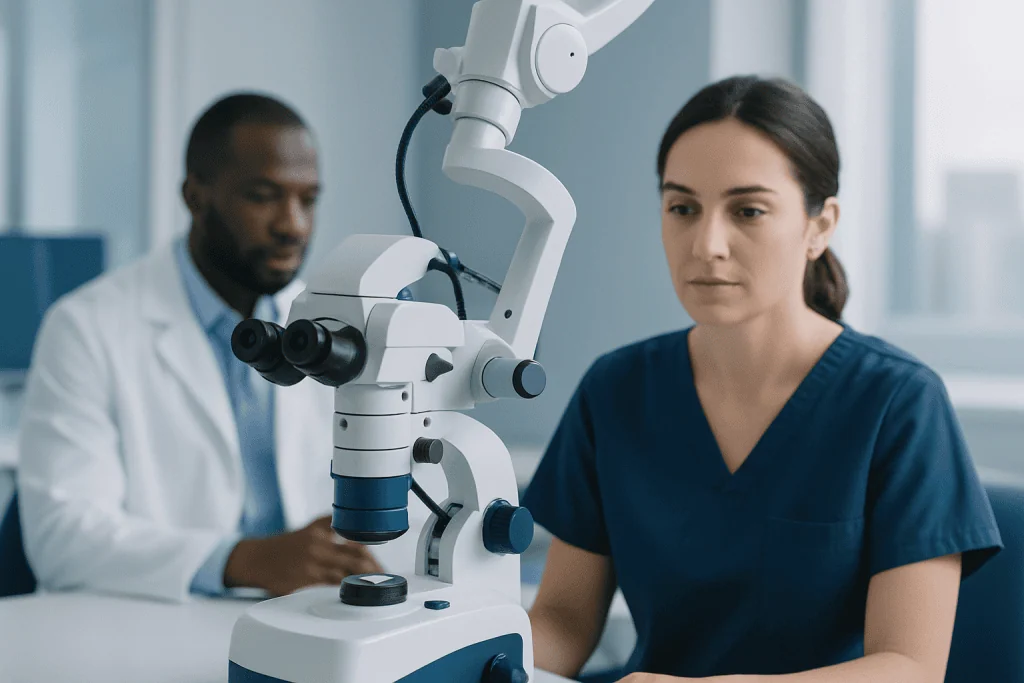
Most advances start with basic science. Researchers may discover that a certain gene mutation drives tumor growth, or that immune cells can be trained to recognize cancer more effectively. These findings can lead to treatment ideas such as targeted medicines, immunotherapies, new forms of radiation delivery, or improved ways to combine existing therapies.
At the preclinical stage, scientists test a potential treatment in cells and other research models. This helps answer early questions: Does the treatment affect cancer cells? Does it seem selective for a particular cancer type? Are there signs of toxicity that could make it unsafe? If a treatment does not perform well at this stage, development may stop or the approach may be redesigned.
Researchers also look at how a treatment behaves in the body, including how it is absorbed, broken down, and eliminated. This information helps prepare for human studies. In cancer care, innovation may involve medicines as well as techniques such as radiation therapy, chemotherapy, or immunotherapy when these approaches are refined or used in newer, more precise ways.
What Happens in Clinical Trials

Clinical trials are carefully planned studies in volunteers. They are essential because a treatment that looks promising in the laboratory may not work the same way in people. Trials are conducted in phases, each with a different purpose, and they follow strict ethical and safety rules.
Early-phase trials usually focus on safety, dose, and side effects. Researchers aim to find the safest way to give the treatment and to understand how the body responds. Later-phase trials look more closely at effectiveness, often by comparing the new approach with current standard treatment or by studying outcomes in a specific group of patients.
Participants in cancer trials are monitored closely, and informed consent is an important part of the process. Patients are told the goals of the study, possible benefits, known risks, and available alternatives. Some trials are designed for people with advanced cancer, while others test ways to improve treatment for earlier-stage disease or reduce the risk of recurrence after therapy.
Today, many trials are more personalized than in the past. Instead of grouping patients only by where the cancer started, some studies enroll people based on a particular biomarker or mutation. This reflects the growing role of precision oncology in conditions such as lung cancer and other tumor types.
Why Some Treatments Succeed and Others Do Not
Not every promising treatment becomes part of standard cancer care. This does not mean the research failed. It often means the process worked as intended by identifying limits, side effects, or lack of clear benefit before wider use. A treatment may appear effective in early studies but later prove less helpful than expected in larger groups of patients.
Cancer is not a single disease. Even tumors with the same name can behave differently from one person to another. Genetic changes, the tumor microenvironment, the immune response, and a patient’s overall health can all influence whether a treatment works. For this reason, researchers increasingly use biomarkers to predict who is most likely to benefit.
Sometimes a treatment is effective only when combined with another therapy, or only in a narrow subset of patients. Researchers may refine the dose, timing, or combination approach over time. This can lead to safer and more effective care, including better use of targeted therapy for cancers driven by specific molecular changes.
New Directions in Cancer Research
Several areas of cancer research receive frequent attention in the news. One is immunotherapy, which aims to help the immune system recognize and attack cancer cells. This includes immune checkpoint inhibitors, cell-based therapies, and therapeutic vaccines. Immunotherapy has changed care for some cancers, although it is not suitable or effective for everyone.
Another important area is precision medicine. Instead of treating all tumors the same way, doctors may use molecular testing to match treatment to a tumor’s unique features. This approach is especially relevant in diseases such as breast cancer, where hormone receptors, HER2 status, and other markers can guide decisions.
Researchers are also studying earlier detection, liquid biopsy techniques, resistance to treatment, and ways to reduce side effects. New surgical methods, more precise radiation techniques, and supportive care advances can also improve outcomes and quality of life. Cancer research is not only about finding entirely new drugs; it is also about making diagnosis and treatment smarter, safer, and more individualized.
Approval, Safety Review, and Ongoing Monitoring
If clinical trial results show that a treatment is safe enough and provides meaningful benefit, the evidence may be submitted to health authorities for review. Regulators examine the quality of the data, the balance of benefits and risks, and how the treatment should be used. Approval may apply to a specific cancer type, stage, biomarker group, or treatment setting.
Even after approval, monitoring continues. Doctors, hospitals, researchers, and regulatory agencies track side effects and outcomes in broader patient populations. This is important because rare adverse effects or long-term issues may become clearer only after a treatment is used more widely.
Over time, treatment recommendations can change as more evidence becomes available. A therapy may move earlier in treatment, be combined with other medicines, or be limited to patients with certain biomarkers. This ongoing review is a normal and important part of cancer care development.
What Cancer Research News Means for Patients
For patients and families, cancer research news can offer hope, but it is helpful to read headlines with context. A report about a breakthrough may describe a laboratory study, an early clinical trial, or a treatment already under regulatory review. These are very different stages, and each one carries a different level of certainty about whether the treatment will become widely available.
Patients who are interested in innovative care can ask their oncology team whether molecular testing, a second opinion, or a clinical trial may be appropriate. Trial participation is not right for everyone, but for some people it can provide access to emerging therapies while also helping advance medical knowledge.
Questions that may help include:
- What stage of research is this treatment in?
- Has it been studied in my type of cancer?
- Are there biomarkers that could affect whether it might work for me?
- Is there a clinical trial that I may be eligible for?
- How does this compare with standard treatment options?
At specialized centers, care is often guided by multidisciplinary teams that include medical oncologists, radiation oncologists, surgeons, pathologists, radiologists, and supportive care experts. Acibadem International’s multidisciplinary specialists and JCI-accredited hospitals diagnose and treat cancer for international patients, including evaluation for modern treatment pathways when appropriate.
When to Speak With a Doctor
Anyone with a new cancer diagnosis, a recurrence, or questions about treatment options should speak with a qualified doctor. This is especially important if cancer research news mentions a therapy that seems relevant, because medical headlines cannot replace individualized advice. A doctor can explain whether a new development applies to a person’s specific cancer type, stage, and overall health.
Patients already receiving treatment should also ask their oncology team before making any changes based on news reports. Stopping, delaying, or switching treatment without guidance can be unsafe. In some cases, the best next step may be additional testing, referral to a specialist center, or discussion of a clinical trial.
Prompt medical advice is also important if symptoms worsen, side effects become difficult to manage, or there are signs that a condition may be changing. Informed discussions with a trusted care team can help patients understand both current options and new developments in cancer research.
Frequently asked questions
How long does it take to develop a new cancer treatment?
It often takes years for a new cancer treatment to move from early research to routine clinical use. The process includes laboratory work, preclinical testing, clinical trials, and regulatory review to make sure the treatment is studied carefully.
What is the difference between preclinical research and a clinical trial?
Preclinical research happens before a treatment is tested in people and usually involves laboratory studies and other research models. A clinical trial studies the treatment in human volunteers under strict medical and ethical oversight.
Does a promising headline mean a treatment is already available?
Not necessarily. Some headlines describe very early findings, while others report results from later-stage trials or regulatory decisions. The stage of research matters because it affects how certain doctors can be about safety and benefit.
Why do some cancer treatments work only for certain patients?
Cancers can differ greatly at the molecular level, even when they start in the same organ. A treatment may only work well when a tumor has a particular biomarker, mutation, or immune profile, which is why personalized testing is increasingly important.
Are clinical trials safe?
Clinical trials are designed with safety protections, close monitoring, and clear rules about who can participate. While all treatments can have risks, trials are reviewed carefully and participants are informed about known side effects and alternatives.
Can patients ask about new treatments during routine cancer care?
Yes. Patients are encouraged to discuss new treatments, research news, and clinical trial options with their oncology team. A doctor can explain whether a new approach is appropriate, available, or still too early for routine use.
References
- World Health Organization
- National Cancer Institute
- American Cancer Society
- U.S. Food and Drug Administration
- European Medicines Agency
This article is for general information only and is not a substitute for professional medical advice. Please consult a qualified doctor about your individual situation.
Oncology care in Turkey — second opinion and treatment plan
JCI-accredited · board-certified surgeons · reply within 24h
Add us as a Preferred Source to see more of our trusted health content across Google Search, AI Overviews and Discover.