Cancer Treatment Clinical Trials: How It Works, Results and What to Expect

Cancer clinical trials follow written protocols and are reviewed by ethics committees to protect participants. A trial may compare a new approach with standard care, another treatment, or supportive care; participants are not guaranteed to benefit personally.
Key Takeaways
- Cancer clinical trials follow written protocols and are reviewed by ethics committees to protect participants.
- A trial may compare a new approach with standard care, another treatment, or supportive care; participants are not guaranteed to benefit personally.
- Eligibility depends on cancer type, stage, previous treatment, overall health, laboratory findings and other protocol criteria.
- Informed consent is an ongoing process, not a one-time signature, and patients may ask questions or withdraw from participation.
- Potential benefits include access to an investigational option and closer monitoring; downsides can include side effects, added visits and uncertain outcomes.
- A treating oncologist can help determine whether a suitable study fits a person's treatment goals and circumstances.
Cancer treatment clinical trials are carefully planned medical studies that evaluate whether new cancer treatments, combinations, diagnostic methods or supportive-care approaches are safe and effective. Participation is voluntary, and a patient can leave a trial at any time while continuing to discuss standard treatment options with their oncology team.
Overview: how cancer treatment clinical trials work
Cancer treatment clinical trials are research studies involving people that examine new ways to prevent, detect, treat or manage cancer and treatment-related symptoms. They may assess a new medicine, immunotherapy, targeted treatment, radiation approach, surgery technique, treatment schedule or combination of established therapies. Before a study opens to participants, the proposed plan is reviewed by scientific and ethics committees, and regulatory requirements apply.
For a person with cancer, a clinical trial can be one possible care option alongside established treatments such as surgery, chemotherapy, radiation therapy, targeted therapy and immunotherapy. A trial does not mean standard care has failed, although some studies are designed for cancers that have progressed after previous treatment. The most appropriate option depends on the specific cancer, its extent, molecular features, previous care and the person’s priorities.
Each study follows a detailed protocol. This document explains who may take part, which tests and visits are required, what treatment is given, how safety is monitored and how outcomes are measured. Some studies are randomized, meaning a computer assigns participants to one of two or more groups; this helps researchers make fair comparisons. When a standard effective treatment exists, it is commonly included as the comparison group rather than withholding care.
Candidacy and enrollment: who may be eligible?
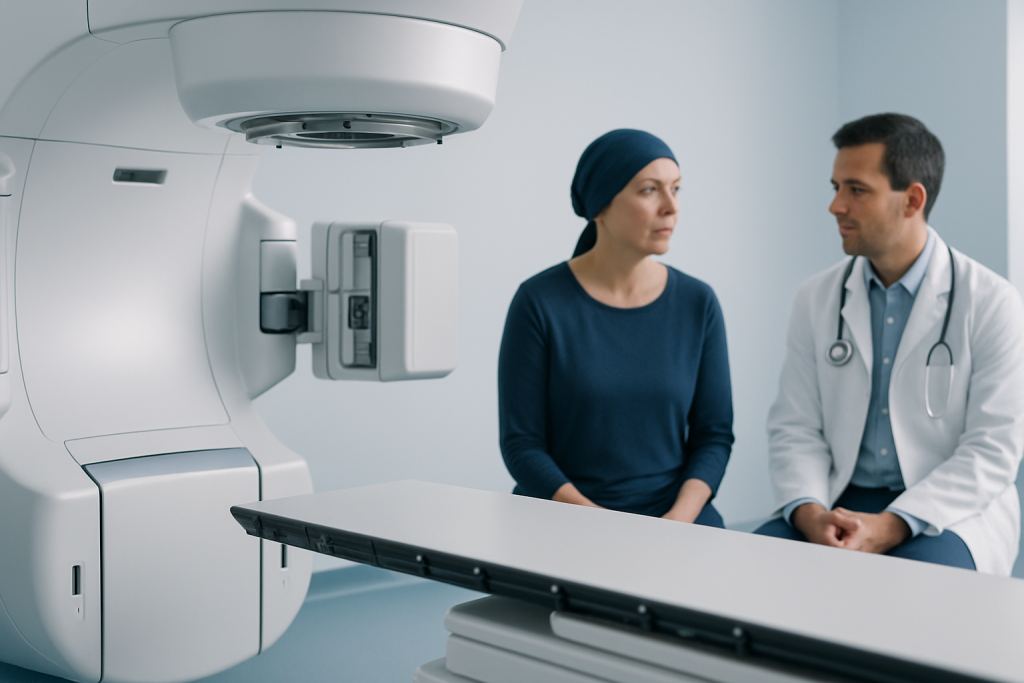
Clinical trial eligibility criteria help researchers answer a specific medical question while protecting participant safety. Criteria may include the cancer type and stage, pathology results, genetic or biomarker findings, previous treatments, current medicines, organ function, performance status, age and whether cancer has spread to particular areas of the body.
Not qualifying for one trial does not mean a person is not suitable for all research studies. A trial may be inappropriate because its enrollment has closed, a particular laboratory result is outside its required range, or the study is focused on a different cancer subtype. An oncologist can review available options and explain whether further tumor testing or referral to a specialist center could be useful.
Before joining, prospective participants receive information about the study’s purpose, possible benefits and risks, alternatives, privacy arrangements, visits and tests. This is called informed consent. Patients should have time to discuss the information with their oncology team and trusted family or supporters, and they should ask what care will be available if they decide not to participate.
- What is the main goal of this trial?
- Which treatment might be assigned, and how is assignment decided?
- Which visits, scans, blood tests or biopsies are required?
- What are the known and unknown risks, and whom should the patient contact about symptoms?
- What standard treatment options are available outside the study?
What happens step by step during a cancer clinical trial?
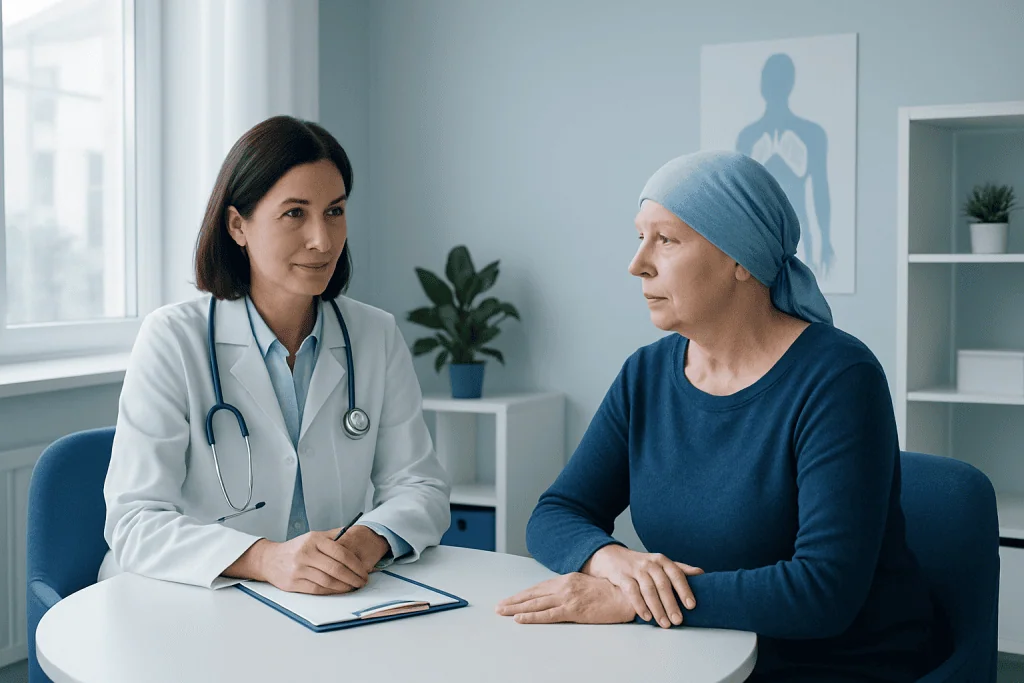
The process usually begins with a discussion between the patient and their oncologist or a research team. If a potentially suitable study is identified, the team provides the consent form and explains the protocol in understandable terms. Agreeing to screening does not obligate the patient to continue, and signing consent does not guarantee enrollment if screening criteria are not met.
Screening commonly includes a medical history, physical examination, review of pathology, blood tests, imaging and sometimes heart or lung assessments. Additional tumor tissue testing or a biopsy may be required in some studies. These assessments confirm eligibility and establish a baseline for monitoring treatment response and side effects.
If enrolled, the participant receives care according to the protocol. Treatment may involve tablets taken at home, intravenous medicines, injections, procedures, surgery or radiation treatment, depending on the study. Visits may be more frequent than during usual care because the research team records symptoms, examination findings, laboratory results and imaging outcomes in a standardized way.
At planned intervals, the team reviews whether treatment is helping and whether it remains safe to continue. A participant may stop the trial because of side effects, cancer progression, personal choice, a change in eligibility or completion of the study treatment. Follow-up may continue after treatment ends to assess longer-term outcomes and safety, with the patient’s permission.
How successful are clinical trials for cancer?
The success of cancer treatment clinical trials cannot be summarized by one percentage. A trial is successful scientifically when it answers its research question reliably, even if the investigational treatment does not prove better than current care. A treatment may show benefit for one cancer subtype or biomarker-defined group but not for another.
For an individual participant, outcomes are uncertain. Some people may have a meaningful response or improved disease control, while others may have no benefit or may experience side effects that require a treatment change. Early-phase studies are primarily designed to establish safe dosing and understand side effects; later-phase studies more often compare effectiveness with established treatment.
It is important to distinguish promising early findings from proven clinical benefit. Doctors consider measures such as tumor response, time before cancer progresses, survival, quality of life and treatment safety. Results should be interpreted in the context of the study design, the number of participants and whether findings have been confirmed in further research.
Why do 90% of clinical trials fail?
The statement that 90% of clinical trials fail is an oversimplification and may refer to drug-development estimates rather than every type of cancer study. Many investigational treatments do not advance through all research phases because they do not demonstrate sufficient benefit, cause unacceptable side effects, cannot be delivered reliably, or do not outperform available treatment.
In cancer research, a therapy can appear promising in laboratory studies or early human research but have a smaller effect in a broader patient group. Cancer is biologically diverse: tumors with the same name can differ in genetic changes, immune environment and treatment sensitivity. Careful trials identify which approaches work, for whom they work and when they should not be used.
Negative or inconclusive results still provide valuable information. They can prevent ineffective or unsafe treatments from becoming routine and guide researchers toward more precise study designs, better biomarkers or different treatment combinations. This rigorous testing is a central protection for current and future patients.
How long do cancer clinical trials usually last?
The length of participation varies considerably. A screening period may take days to several weeks, while active treatment can last weeks, months or longer if the treatment is working and remains tolerable. Some trials have a fixed number of treatment cycles, whereas others continue until the cancer progresses, side effects become unacceptable or the participant chooses to stop.
Follow-up may continue for months or years after the active treatment phase. Follow-up appointments can include symptom reviews, blood tests, imaging or requests for health updates. The aim is to understand lasting benefit, delayed side effects and overall outcomes, but participants should be told which follow-up activities are required and which are optional.
The overall research program often takes years, even when an individual participant’s involvement is shorter. Developing a cancer treatment usually progresses through early safety studies, larger studies of effectiveness and, when appropriate, post-approval research. Timelines can also be influenced by how quickly a study enrolls enough eligible participants.
What are the downsides of clinical trials?
Clinical trials can involve uncertainties and practical demands. An investigational treatment may not work, and not all side effects are known at the start of a study. Even established treatments used within a trial can cause side effects, and additional blood tests, scans, biopsies or clinic visits may be needed for close monitoring.
Randomized studies may assign a participant to a comparison group rather than the newer treatment. In some trials, neither the participant nor the care team knows which treatment is being given for a period of time; this is called blinding and can reduce bias. The research team should explain whether randomization or blinding applies before enrollment.
Travel, time away from work or family responsibilities, and the emotional burden of uncertain results can also be significant. Patients should discuss practical support, emergency contacts and what happens to treatment access when a study ends. Choosing not to join a trial is a valid decision, and patients should be offered appropriate standard care whenever it is indicated.
When to seek medical care and how to make a decision
A person with a new cancer diagnosis, recurrent cancer, metastatic disease or cancer that has not responded as expected to treatment should speak with their oncology team about all suitable evidence-based options, including whether a clinical trial may be relevant. It can be helpful to ask early, since some studies require specific treatment histories or samples obtained before a new therapy begins.
During any cancer treatment, urgent medical advice is needed for severe or rapidly worsening symptoms, such as trouble breathing, chest pain, confusion, uncontrolled bleeding, a high fever or signs of a serious allergic reaction. Participants in clinical trials should use the contact instructions provided by their research team, particularly when new symptoms develop after an investigational medicine or procedure.
A multidisciplinary discussion can help patients balance possible benefits, uncertainties, safety requirements and personal goals. Acibadem International’s multidisciplinary specialists and JCI-accredited hospitals diagnose and treat cancer for international patients, including through individualized discussions of appropriate treatment and research options.
For patients considering a trial, it may be useful to request a written summary of the study and bring questions to the next appointment. A second oncology opinion can also help clarify the diagnosis, pathology findings and standard treatment choices before a decision is made.
Frequently asked questions
Are cancer clinical trials safe?
Clinical trials are designed with safety monitoring, eligibility criteria and oversight by ethics and regulatory bodies. However, no treatment is entirely risk-free, especially when it is investigational, so participants should discuss known and possible unknown risks with the research team.
Can a patient leave a cancer clinical trial after joining?
Yes. Participation is voluntary, and a patient can withdraw at any time without losing the right to appropriate medical care. The oncology and research teams can explain how stopping the study may affect follow-up and what treatment options are available next.
Will a participant receive a placebo in a cancer clinical trial?
Placebos may be used in certain studies, often alongside standard treatment, but this depends on the research question and ethical considerations. When an effective standard therapy exists, a study generally does not replace it with placebo alone; the consent process should clearly explain the comparison groups.
Do clinical trial participants get better cancer care?
Participants may have more frequent assessments because study protocols require close monitoring. This does not guarantee better cancer outcomes, and standard cancer care outside a trial can also be high quality and appropriate.
Are clinical trials only for advanced cancer?
No. Some studies enroll people with newly diagnosed cancer, early-stage cancer, inherited cancer risk, cancer survivorship needs or treatment-related symptoms. Others focus on recurrent or metastatic disease, where investigational options may be particularly relevant.
How can a person find an appropriate cancer clinical trial?
The treating oncologist is often the best starting point because they can assess diagnosis details, prior treatment and current health. National or regional clinical trial registries and specialist cancer centers may also identify studies, but eligibility must be confirmed by the research team.
References
- National Cancer Institute
- U.S. Food and Drug Administration
- American Society of Clinical Oncology
- World Health Organization
- European Medicines Agency
This article is for general information only and is not a substitute for professional medical advice. Please consult a qualified doctor about your individual situation.
Oncology care in Turkey — second opinion and treatment plan
JCI-accredited · board-certified surgeons · reply within 24h
Add us as a Preferred Source to see more of our trusted health content across Google Search, AI Overviews and Discover.