Cancer Treatment in Turkey: Costs, Inclusions, and What Can Change the Price

The cost of cancer treatment in Turkey depends mainly on cancer type, stage, treatment method, and treatment duration. Initial quotes may or may not include consultations, imaging, pathology, hospitalization, medicines, and follow-up care.
Key Takeaways
- The cost of cancer treatment in Turkey depends mainly on cancer type, stage, treatment method, and treatment duration.
- Initial quotes may or may not include consultations, imaging, pathology, hospitalization, medicines, and follow-up care.
- Advanced treatments such as targeted therapy, immunotherapy, complex surgery, or combined treatment plans can change the total price significantly.
- Travel-related costs, interpreter support, accommodation, and the need for a companion may also affect the overall budget.
- Patients benefit from requesting a detailed written treatment plan and a clear list of what is included before traveling.
Cancer treatment in Turkey can include surgery, chemotherapy, radiotherapy, targeted therapies, and supportive care, but the total price depends on the individual diagnosis and treatment plan. Understanding what is usually included and what can increase or decrease the cost helps patients and families plan more confidently.
Overview: What Cancer Treatment in Turkey Usually Means
Cancer treatment in Turkey refers to a wide range of services used to diagnose, stage, treat, and monitor cancer. Depending on the person’s diagnosis, this may include specialist consultations, blood tests, imaging, biopsy review, surgery, chemotherapy, radiotherapy, targeted therapy, immunotherapy, hormone therapy, or a combination of several treatments. Because cancer care is highly individualized, there is no single standard price that fits every patient.
For many international patients, Turkey is considered for oncology care because it offers modern hospital infrastructure, multidisciplinary treatment planning, and coordinated support for medical travel. However, it is important to understand that a price estimate is usually based on the medical records available at the time. If additional tests are needed after arrival, or if the diagnosis is more complex than first expected, the treatment plan and total cost may change.
In practice, cancer care often starts with confirming the diagnosis and stage of disease. A patient may already have pathology and scan results from another country, but the treating team may recommend review or repeat testing to make sure treatment decisions are based on the most accurate information. This step can affect the schedule, as well as the final overall cost.
What Is Commonly Included in a Treatment Quote
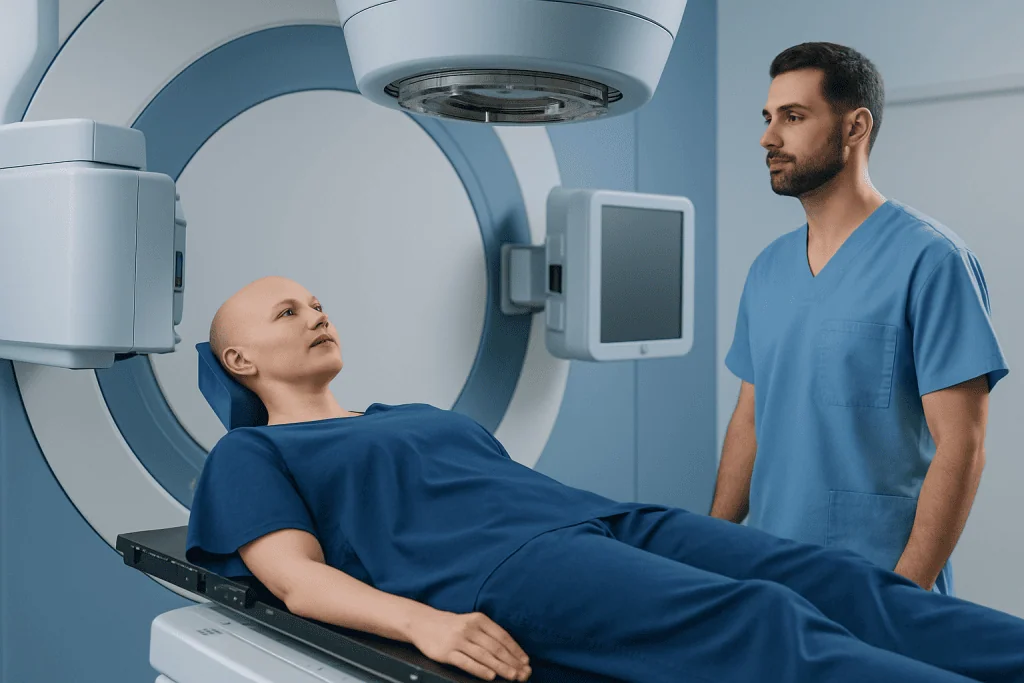
A cancer treatment quote in Turkey may include some or all parts of care, depending on the hospital and the planned treatment. Common inclusions are the first oncology consultation, review of medical records, standard blood tests, routine imaging needed for planning, and the main treatment itself, such as chemotherapy sessions, radiotherapy planning, or an operation. If surgery is involved, the quote may also include anesthesia, operating room use, routine ward stay, and basic inpatient nursing care.
However, not every quote includes the same items. Medicines used during treatment, advanced imaging, pathology second opinions, intensive care, extra hospital days, implantable devices, blood products, rehabilitation, or management of side effects may be listed separately. For this reason, patients should ask for an itemized breakdown rather than relying on a single total figure alone.
International patients may also need non-medical support services. These can include airport transfers, interpreter services, help with appointments, or assistance with accommodation planning. Some centers bundle these into a package, while others provide them as optional services. Knowing exactly what is and is not covered can help avoid confusion later in the process.
- Consultation and specialist review
- Diagnostic tests and staging investigations
- Main treatment sessions or procedure costs
- Hospital stay and routine nursing care
- Support services for international patients
What Can Change the Price of Cancer Treatment in Turkey

The main factor affecting the price is the type of cancer and how advanced it is. Early-stage cancers may be treated with a single surgery or a shorter course of therapy, while more advanced cancers often require multiple treatments over a longer period. A patient with localized disease may need one major intervention, but another patient with metastatic disease may need ongoing systemic treatment, repeated imaging, and supportive care over months.
The treatment method also matters. Chemotherapy prices can vary according to the number of cycles and the medicines used. Radiotherapy costs depend on the number of sessions, planning complexity, and technology used. Surgery costs differ based on the organ involved, the length and complexity of the operation, the need for reconstruction, and expected hospital stay. More personalized therapies, including some targeted medicines and immunotherapies, may increase the total cost considerably because they are selected according to tumor biology and are often given over time.
Additional factors include whether the patient needs repeated imaging, extra pathology tests, genetic or molecular profiling, intensive monitoring, nutritional support, or treatment for side effects such as infection or low blood counts. The patient’s general health can also affect the plan. Conditions such as heart disease, diabetes, lung disease, or poor nutritional status may require extra assessment and support before or during treatment.
Another practical consideration is timing. Some treatments are delivered in one short admission, while others take place over several weeks. This can increase accommodation and daily living costs for the patient and any companion traveling with them. If treatment needs to be adjusted in response to side effects or new findings, the duration and total budget may change as well.
How Different Treatment Types Influence Cost
Surgical oncology is often priced differently from medical oncology or radiation oncology. A cancer operation may involve pre-operative tests, the procedure itself, pathology analysis, anesthesia, and recovery in the hospital. Some surgeries are straightforward, while others are technically demanding and may require intensive post-operative monitoring or reconstruction. A patient considering robotic surgery should know that the price may differ from conventional surgery because of the equipment, planning, and team expertise involved.
Drug-based treatment can vary widely in cost. Standard chemotherapy may be priced by cycle, while targeted therapy or immunotherapy may depend on the drug selected, the number of doses, and the response to treatment. These therapies are not appropriate for every cancer, and they are usually recommended only after pathology and sometimes molecular testing clarify which option is suitable. In certain cases, chemotherapy is used alone, while in others it is combined with surgery or radiation.
Radiation treatment is another area where pricing can differ. The cost may reflect simulation, treatment planning, immobilization devices, and the number of sessions. More complex techniques can require additional planning to protect healthy tissue while effectively treating the tumor. When recommended, radiotherapy may be part of curative treatment, treatment before surgery, treatment after surgery, or symptom control.
Many patients receive more than one treatment type. A combined plan can be clinically appropriate, but it naturally changes the total cost because each part of care has its own preparation, timeline, and follow-up needs. This is why a final estimate is often more reliable after a multidisciplinary tumor board or specialist team has reviewed the full medical picture.
The Role of Diagnosis, Staging, and Personalized Planning
Before treatment begins, the team needs to confirm exactly what kind of cancer is present and how far it has spread. This usually means reviewing biopsy material, blood tests, and imaging such as CT, MRI, PET-CT, or ultrasound where appropriate. In some cases, pathology from another center is sufficient, but sometimes the hospital may advise a repeat biopsy or expert pathology review if results are unclear or incomplete. This step is essential because accurate diagnosis guides both treatment choice and cost.
Staging helps determine whether treatment aims to remove, control, or shrink the cancer, and whether one or several approaches are needed. For example, patients with cancer may need different treatment plans even if the tumor arises in the same organ, because stage, cell type, and molecular features can be very different. Personalized planning may also include discussions about fertility preservation, nutrition, pain control, rehabilitation, or palliative support where needed.
Some tumors require highly specific molecular or receptor testing before treatment decisions are made. These tests can identify whether a targeted medicine or another specialized treatment is likely to help. While this may add to the upfront cost, it can be an important part of evidence-based care. A well-defined treatment plan often helps patients understand which services are essential now and which may only be needed later depending on the response.
Travel, Accommodation, and Other Non-Medical Costs
When planning cancer treatment in Turkey, patients should think beyond the hospital bill. Flights, local transportation, accommodation, meals, travel insurance, and daily living expenses can all affect the total budget. Some patients need to remain in the country for days or weeks after treatment for monitoring, wound checks, blood tests, or early follow-up appointments. This is especially relevant for surgery, radiotherapy courses, or treatments given in repeated cycles.
It is also common for a family member or companion to travel with the patient, particularly if the person undergoing treatment may need help with mobility, communication, or emotional support. That can add to accommodation and transportation costs. If language support is needed, patients should ask whether interpreter services are included or charged separately.
Practical questions can make a real difference to planning. Patients may wish to ask how many days they are expected to stay, whether they can return home between treatment phases, how follow-up will be arranged, and which side effects might require an unscheduled visit. A realistic budget usually includes both expected medical costs and a reserve for possible extras.
How to Compare Options and Ask the Right Questions
Comparing cancer treatment options is not only about finding the lowest price. Patients benefit more from understanding the diagnosis, the recommended treatment goal, the experience of the treating team, the technology available, and the support offered before and after treatment. A lower initial quote may not include important tests, pathology review, medicines, or management of side effects, so direct comparison can be difficult unless each offer is itemized clearly.
Helpful questions include: What exactly is included in the quote? What might be charged separately? How many treatment sessions are expected? What tests must be repeated after arrival? Will the patient need hospitalization or intensive care? How will side effects or complications be handled? Is follow-up possible remotely after the patient returns home? Clear answers can help families prepare medically, financially, and emotionally.
Patients should also provide complete medical records whenever possible, including pathology reports, imaging discs, operation notes, and lists of current medicines. Better information often leads to a more accurate pre-travel estimate. Near the end of the planning process, some international patients choose centers such as Acibadem International, where multidisciplinary specialists and JCI-accredited hospitals diagnose and treat cancer for patients traveling from abroad.
When to Seek Medical Advice Before Traveling
Anyone considering cancer treatment abroad should first speak with a qualified oncology specialist. This is especially important if the diagnosis is new, symptoms are changing quickly, or urgent treatment may be needed. Delaying necessary care to compare travel options can sometimes make planning more stressful, so timing should be guided by the treating doctor.
Patients should also seek advice if they have severe pain, bleeding, unexplained weight loss, fever, shortness of breath, dehydration, or sudden weakness. These symptoms do not always mean an emergency, but they deserve prompt medical review. People who are already receiving chemotherapy, radiation, or immunotherapy should ask their treating team whether they are fit to travel and whether any precautions are needed.
Finally, if there is uncertainty about the diagnosis or the best treatment pathway, a second opinion can be helpful. A careful review of pathology and imaging may clarify the treatment plan and provide a more realistic cost estimate. The aim is not only to understand the price, but to make sure the proposed care is appropriate, safe, and well coordinated.
Frequently asked questions
How much does cancer treatment in Turkey cost?
There is no single fixed price because cancer treatment depends on the type of cancer, its stage, and the treatment plan. Costs usually vary according to whether the patient needs surgery, chemotherapy, radiotherapy, targeted therapy, hospitalization, repeated tests, and follow-up care.
Why can the price change after a patient arrives?
The treatment team may need to repeat scans, review pathology, or perform extra tests to confirm the diagnosis and stage accurately. If the medical findings differ from the original records or if the patient needs additional support, the treatment plan and total cost may change.
Are travel and accommodation usually included in cancer treatment packages?
Not always. Some international patient programs include selected support services, but flights, hotels, meals, and companion expenses are often separate unless clearly stated in writing. It is wise to ask for a detailed list of medical and non-medical inclusions.
Is a lower treatment quote always better?
Not necessarily. A lower quote may exclude important items such as pathology review, medicines, imaging, extra hospital days, or care for side effects. Patients are usually best served by comparing itemized plans rather than looking only at the total number.
What documents should patients send before requesting an estimate?
Useful documents include pathology reports, biopsy results, imaging reports and discs, blood test results, operation notes, and a list of current medicines. The more complete the information, the more accurate the medical review and estimated treatment plan are likely to be.
Can a patient get a second opinion before traveling to Turkey?
Yes, many patients seek a second opinion before making a treatment decision. A second opinion can help confirm the diagnosis, clarify treatment options, and provide a more realistic idea of the expected timeline and possible costs.
References
- World Health Organization
- National Cancer Institute
- American Cancer Society
- European Society for Medical Oncology
- National Comprehensive Cancer Network
This article is for general information only and is not a substitute for professional medical advice. Please consult a qualified doctor about your individual situation.
Oncology care in Turkey — second opinion and treatment plan
JCI-accredited · board-certified surgeons · reply within 24h
Add us as a Preferred Source to see more of our trusted health content across Google Search, AI Overviews and Discover.

Medical Oncology Department
Medical treatment of cancer with chemotherapy, immunotherapy and targeted therapies under a multidisciplinary tumor board.
60 specialists in this unit