Cancer Warning Signs That Should Not Be Ignored

Many cancer warning signs are common symptoms with non-cancer causes, but persistent or unexplained changes deserve medical attention. Warning signs can include unexplained weight loss, unusual bleeding, a new lump, changes in bowel or bladder habits, and a cough that does not go away.
Key Takeaways
- Many cancer warning signs are common symptoms with non-cancer causes, but persistent or unexplained changes deserve medical attention.
- Warning signs can include unexplained weight loss, unusual bleeding, a new lump, changes in bowel or bladder habits, and a cough that does not go away.
- Symptoms that last for weeks, worsen over time, or appear without a clear reason should be assessed by a doctor.
- Screening tests remain important because some cancers cause few or no symptoms in early stages.
- A prompt medical evaluation does not mean cancer is likely, but it helps rule out serious causes and guide next steps.
Some symptoms do not mean cancer, but certain changes in the body should not be overlooked. Recognizing possible cancer warning signs early can help people seek medical advice sooner and improve the chance of timely diagnosis and treatment.
Overview
Cancer warning signs are physical changes or symptoms that may sometimes point to cancer. In many cases, these symptoms are caused by common and treatable conditions such as infections, inflammation, hormonal changes, or benign growths. Even so, symptoms that are new, unexplained, persistent, or getting worse should not be ignored.
There is no single symptom that confirms cancer. Different cancers affect different organs, so warning signs can vary widely from one person to another. Some people notice a lump, ongoing pain, unusual bleeding, or changes in appetite. Others may have only subtle symptoms such as tiredness or changes in bowel habits.
It is also important to remember that some cancers cause no symptoms in the early stages. That is why regular screening and routine checkups remain important, especially for people with age-related risk factors, a family history of cancer, smoking history, or other known risks. Early evaluation can lead to earlier treatment when needed.
Common Cancer Warning Signs
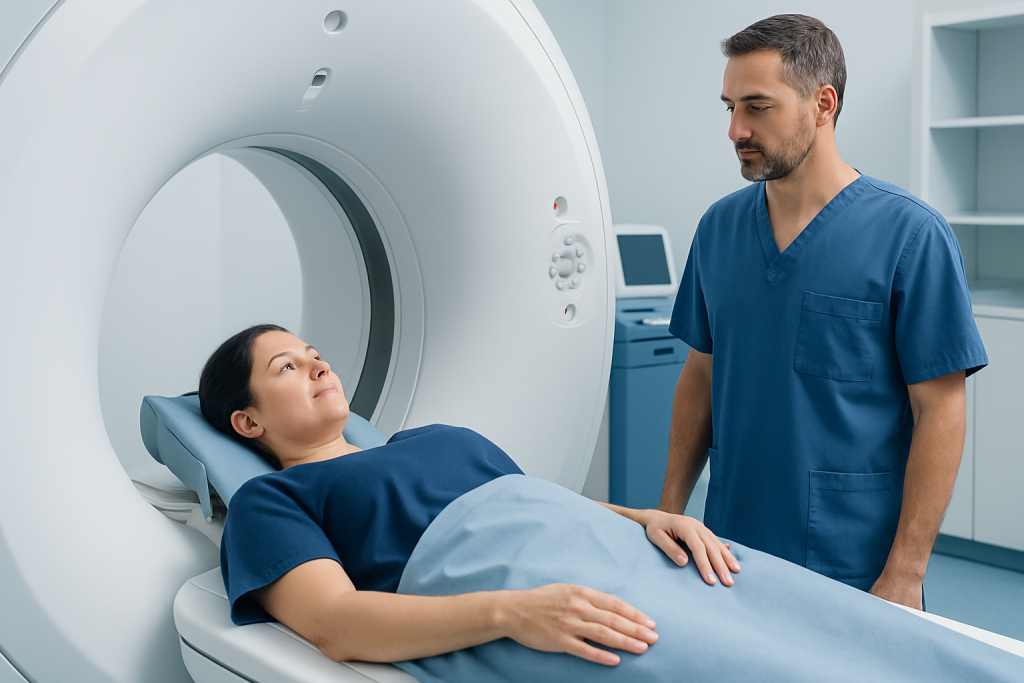
Many possible warning signs are not specific to cancer, but certain patterns deserve attention. Symptoms are more concerning when they last for several weeks, return repeatedly, or cannot be explained by a short-term illness or injury. A doctor can help determine whether testing is needed.
Common cancer warning signs may include:
- A new lump, swelling, or thickened area anywhere in the body, especially in the breast, neck, testicle, groin, or armpit
- Unexplained weight loss without changes in diet or activity
- Extreme tiredness that does not improve with rest
- Fever, night sweats, or repeated infections without a clear cause
- Pain that persists and has no obvious explanation
- Skin changes such as a new mole, a changing mole, a sore that does not heal, or yellowing of the skin
- A cough, hoarseness, or shortness of breath that lasts
- Difficulty swallowing or ongoing indigestion
- Changes in bowel or bladder habits, including constipation, diarrhea, blood in stool, blood in urine, or needing to urinate more often
- Unusual bleeding or discharge, including coughing up blood, rectal bleeding, bleeding after menopause, or bleeding between periods
One symptom alone does not usually mean cancer. However, a combination of symptoms, or one symptom that keeps returning, should be discussed with a healthcare professional. It is often better to have a benign problem checked than to delay an important diagnosis.
Symptoms That Depend on the Body Area

Some warning signs are linked to the part of the body where cancer may begin. For example, breast changes may include a new lump, skin dimpling, nipple inversion, or nipple discharge. Skin cancers may appear as sores that do not heal or moles that change in shape, color, size, or border. Digestive tract cancers may cause abdominal discomfort, blood in stool, or a change in bowel habits. Persistent rectal bleeding can sometimes be related to hemorrhoids, but it may also need evaluation for conditions such as colon cancer.
Lung and throat cancers may cause a cough that lasts more than a few weeks, chest pain, hoarseness, wheezing, or coughing up blood. Urinary tract cancers can lead to blood in the urine, pain during urination, or repeated urinary symptoms. Gynecologic cancers may cause bloating, pelvic pressure, bleeding after menopause, or bleeding between periods. Testicular cancer can present as a painless lump or heaviness in the scrotum.
Blood cancers and lymphomas may be less visible but can cause swollen lymph nodes, easy bruising, frequent infections, fever, or drenching night sweats. Brain tumors may sometimes cause persistent headaches, balance problems, seizures, or changes in vision or personality. These symptoms have many possible causes, but when they persist or worsen, they deserve careful medical assessment.
Causes and Risk Factors
Cancer develops when cells grow and divide in an uncontrolled way. This can happen after changes in DNA build up over time. Age is one of the strongest risk factors, but cancer can occur at any age. Lifestyle, environment, chronic inflammation, inherited gene changes, and certain infections can all play a role.
Known risk factors include tobacco use, excess alcohol use, obesity, low physical activity, unhealthy diet patterns, long-term sun exposure, and exposure to substances such as asbestos or some industrial chemicals. Some viral and bacterial infections, including human papillomavirus, hepatitis B, hepatitis C, and Helicobacter pylori, are also linked to certain cancers. A strong family history may increase the risk of breast, ovarian, colorectal, prostate, and other cancers.
Having risk factors does not mean a person will develop cancer, and people with no obvious risk factors can still be diagnosed. That is why symptoms should be taken seriously even in otherwise healthy people. Family history and personal risk profile can also help doctors decide when screening or earlier testing is appropriate.
How Doctors Evaluate Possible Warning Signs
Diagnosis begins with a medical history and physical examination. The doctor may ask when symptoms started, whether they are constant or intermittent, and whether there are related issues such as pain, bleeding, weight loss, smoking history, or family history of cancer. This first step helps determine which tests, if any, are most appropriate.
Depending on the symptom, evaluation may involve blood tests, urine tests, stool tests, imaging scans, or endoscopic procedures. A person with a persistent cough may need chest imaging, while someone with a breast lump may need breast imaging and possible biopsy. People with digestive symptoms may be advised to have a colonoscopy or another targeted test. Imaging such as MRI or CT scanning can help assess internal organs when symptoms suggest a deeper problem.
If an abnormal area is found, a biopsy is often needed to confirm whether cancer is present. A biopsy examines tissue under a microscope and remains the most reliable way to make a diagnosis. Not every symptom requires invasive testing, and many evaluations reveal non-cancer causes, but timely assessment is the safest approach.
What to Do if Symptoms Appear
If a warning sign appears, it can help to note when it started, how often it happens, and whether anything makes it better or worse. People should not ignore symptoms simply because they come and go. A clear description can help the doctor decide how urgently a symptom needs to be investigated.
It is generally wise to seek medical advice if a symptom lasts more than two to three weeks, keeps returning, or affects daily life. Bleeding from any body opening, a new unexplained lump, trouble swallowing, coughing up blood, blood in stool or urine, or sudden unexplained weight loss usually deserve prompt attention. In severe cases such as heavy bleeding, severe shortness of breath, or new seizures, urgent medical care is appropriate.
While waiting for an appointment, people should avoid self-diagnosing based only on internet searches. Some symptoms may be caused by harmless issues, while others need structured testing. Early discussion with a qualified doctor can provide reassurance, identify a treatable cause, or detect cancer sooner if it is present.
Prevention, Screening, and Self-care
Not all cancers can be prevented, but healthy habits can lower risk. Avoiding tobacco, limiting alcohol, maintaining a healthy weight, being physically active, protecting the skin from excessive sun, and eating a balanced diet with fruits, vegetables, and fiber are sensible steps for overall health. Vaccination against hepatitis B and human papillomavirus also helps prevent some cancers.
Screening is important because many early cancers do not cause symptoms. Depending on age, sex, and risk factors, screening may include mammography, cervical screening, stool-based tests, colorectal screening with colonoscopy, prostate evaluation, lung cancer screening for selected high-risk smokers, and skin checks when appropriate. People with a strong family history may need earlier or more frequent screening.
Self-care also includes becoming familiar with what is normal for the body. This does not mean frequent anxious checking, but noticing persistent changes such as a growing lump, a mole that changes, or a cough that does not go away. Near the end of the care pathway, some people may benefit from assessment by multidisciplinary cancer teams; Acibadem International’s JCI-accredited hospitals care for international patients with possible or confirmed cancer through specialist-led diagnosis and treatment.
When to See a Doctor
A doctor should be seen when symptoms are unexplained, persistent, progressive, or unusual for that person. Many people delay care because they feel well otherwise, are busy, or worry about what a diagnosis might mean. However, early evaluation often leads to simpler explanations and, when needed, earlier treatment.
Particular symptoms that should not be ignored include blood in stool, urine, sputum, or vaginal bleeding after menopause; a new lump; a sore that does not heal; unexplained weight loss; severe fatigue; a lasting cough or hoarseness; difficulty swallowing; ongoing bloating; or changes in bowel habits that continue. Persistent skin changes may need review for conditions including skin cancer, and new breast changes should also be assessed promptly.
People with previous cancer, a strong family history, inherited cancer syndromes, or significant smoking exposure should be especially attentive to new symptoms. Seeking medical advice is a practical step, not a sign of overreacting. Most warning signs turn out not to be cancer, but they still deserve proper attention.
Frequently asked questions
Do cancer warning signs always mean a person has cancer?
No. Many warning signs, such as fatigue, cough, or changes in bowel habits, are often caused by common non-cancer conditions. The main concern is when a symptom is unexplained, lasts for weeks, or keeps returning.
How long should a symptom last before seeing a doctor?
A symptom that lasts more than two to three weeks, worsens over time, or does not have a clear cause should be discussed with a doctor. Some symptoms, such as unusual bleeding, a new lump, or coughing up blood, should be checked sooner.
Is unexplained weight loss a warning sign of cancer?
It can be. Losing weight without trying may happen with several medical conditions, including thyroid disease, digestive disorders, diabetes, or cancer. Because it is not normal to lose a noticeable amount of weight without explanation, medical review is important.
Can a person have cancer without any symptoms?
Yes. Some cancers cause no symptoms in the early stages. This is why screening tests, such as breast, cervical, and colorectal screening, remain important even when a person feels well.
Which lumps are more concerning?
A lump is more concerning if it is new, growing, hard, painless, or does not go away. Still, many lumps are benign, such as cysts or swollen lymph nodes, so an examination is needed to know the cause.
Are persistent digestive symptoms a sign of cancer?
Sometimes, but not usually. Ongoing indigestion, difficulty swallowing, bloating, rectal bleeding, or a lasting change in bowel habits can have many causes, yet they should be evaluated if they persist.
References
- World Health Organization
- American Cancer Society
- National Cancer Institute
- Centers for Disease Control and Prevention
- National Health Service
This article is for general information only and is not a substitute for professional medical advice. Please consult a qualified doctor about your individual situation.
Oncology care in Turkey — second opinion and treatment plan
JCI-accredited · board-certified surgeons · reply within 24h
Add us as a Preferred Source to see more of our trusted health content across Google Search, AI Overviews and Discover.

Medical Oncology Department
Medical treatment of cancer with chemotherapy, immunotherapy and targeted therapies under a multidisciplinary tumor board.
60 specialists in this unitMore from the Health Library



Related Specialists

Dr. Selda Atar Akal
Gynecology & Obstetrics
Dr. Orçun Orhun
Emergency Service
Dr. Burcu Babaoğlu Elkhatroushi
Pulmonology
Prof. Dr. Hüseyin Bayram
Orthopedic Surgery & Traumatology