Carbon Monoxide Poisoning: An Evidence-Based Guide for Patients

Carbon monoxide cannot be seen or smelled, so exposure may go unnoticed until symptoms appear. Common symptoms include headache, dizziness, nausea, weakness, and confusion, but severe exposure can cause chest pain, loss of consciousness, or death.
Key Takeaways
- Carbon monoxide cannot be seen or smelled, so exposure may go unnoticed until symptoms appear.
- Common symptoms include headache, dizziness, nausea, weakness, and confusion, but severe exposure can cause chest pain, loss of consciousness, or death.
- The first step is to leave the area safely and call emergency services or seek urgent medical care.
- Treatment usually involves oxygen, and some patients may need hyperbaric oxygen therapy.
- Working CO detectors and proper maintenance of fuel-burning appliances are key prevention measures.
Carbon monoxide poisoning is a medical emergency caused by breathing in carbon monoxide, a colorless, odorless gas that prevents the body from getting enough oxygen. Quick removal from the source, emergency assessment, and oxygen treatment can prevent serious complications and improve recovery.
Overview: What Carbon Monoxide Poisoning Is
Carbon monoxide poisoning happens when a person breathes in too much carbon monoxide (CO), a gas produced when fuels such as gas, wood, coal, oil, kerosene, or charcoal do not burn completely. CO is especially dangerous because it has no smell, color, or taste. A person may be exposed at home, in a garage, in a vehicle, at work, or in any poorly ventilated space with a fuel-burning source.
Once inhaled, carbon monoxide binds to hemoglobin in the blood much more strongly than oxygen does. This reduces the blood’s ability to carry oxygen to the brain, heart, and other organs. As a result, symptoms can range from mild headache and fatigue to confusion, collapse, heart problems, and life-threatening complications.
Carbon monoxide poisoning can affect anyone, but infants, older adults, pregnant people, and those with heart or lung disease may become ill more quickly or more severely. Prompt recognition matters because early treatment can reduce the risk of lasting injury.
Symptoms and Warning Signs
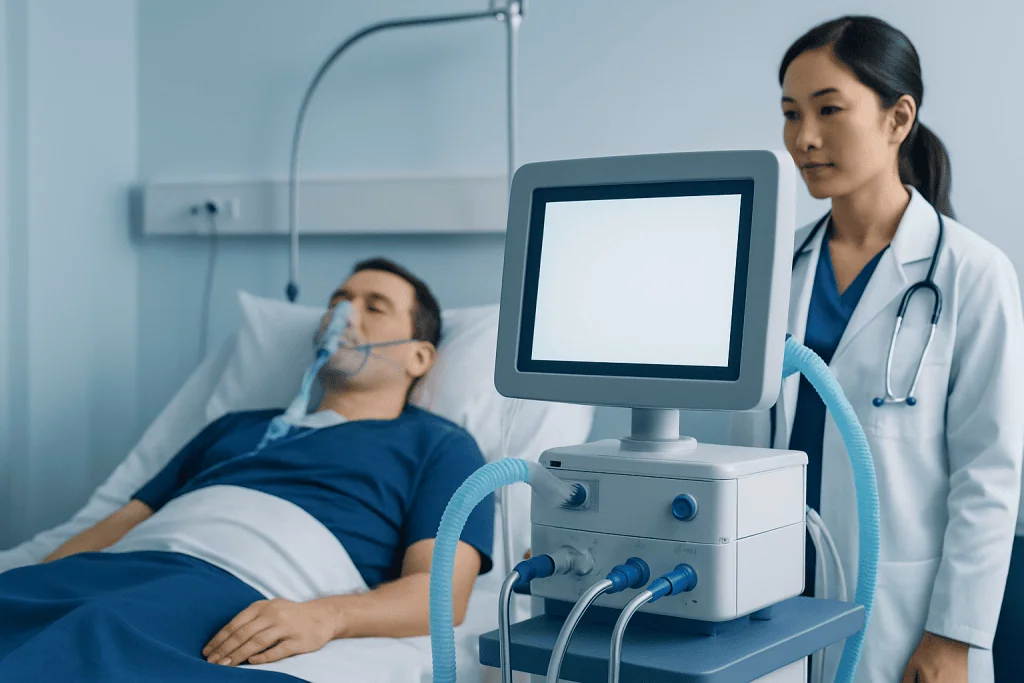
The symptoms of carbon monoxide poisoning are often mistaken for viral illness, food poisoning, migraine, or fatigue. Early symptoms commonly include headache, dizziness, weakness, nausea, vomiting, and a general sense of feeling unwell. Some people also notice shortness of breath, blurred vision, trouble concentrating, or unusual sleepiness.
As exposure continues or becomes more intense, symptoms may progress to confusion, poor coordination, chest pain, fainting, seizures, or loss of consciousness. Severe poisoning can injure the brain and heart because these organs need a constant oxygen supply. In some cases, the person may be unable to recognize that something is wrong.
One important clue is that symptoms often affect more than one person in the same place at the same time, including family members, coworkers, or pets. Symptoms that improve after leaving the building and return upon going back inside may also suggest CO exposure.
- Common symptoms: headache, dizziness, nausea, fatigue
- Possible moderate symptoms: vomiting, confusion, shortness of breath, blurred vision
- Emergency symptoms: chest pain, collapse, seizures, loss of consciousness
Common Causes and Risk Factors

Most cases are linked to fuel-burning devices used in enclosed or poorly ventilated spaces. Common sources include malfunctioning furnaces, gas water heaters, gas stoves, fireplaces, wood-burning stoves, portable generators, charcoal grills, and vehicle exhaust. Running a car in an attached garage, even with the garage door open, can allow dangerous CO to build up inside nearby living spaces.
Exposure can happen during storms, power outages, or cold weather when people use generators, heaters, or grills indoors for warmth or electricity. Boats, recreational vehicles, and camping equipment can also produce carbon monoxide in enclosed areas. Workplaces with engines, furnaces, or industrial combustion equipment may present additional risk.
Certain factors increase the chance of serious illness. These include older age, pregnancy, young children, anemia, and pre-existing heart or lung conditions. People who already have cardiovascular disease may be more vulnerable to complications such as arrhythmias or reduced oxygen delivery to the heart. Related heart effects may overlap with concerns seen in heart disease.
Diagnosis: How Doctors Confirm CO Exposure
Diagnosis begins with a careful history. A doctor will ask about recent exposure to heaters, stoves, fireplaces, generators, car exhaust, or smoke, as well as whether others in the same setting developed similar symptoms. This context is important because the symptoms alone are not specific to carbon monoxide poisoning.
To confirm the diagnosis, clinicians commonly measure the level of carboxyhemoglobin in the blood. This can help show how much carbon monoxide has attached to hemoglobin. However, results must be interpreted carefully because levels may start falling once the person is breathing fresh air or receiving oxygen. Pulse oximeters used on the finger can be misleading in CO poisoning because they may appear normal even when the body’s tissues are not getting enough oxygen.
Additional tests may be used depending on the severity of illness. These can include blood tests, heart monitoring, chest imaging, or neurologic evaluation. If chest pain, an abnormal heartbeat, or signs of reduced blood flow are present, doctors may investigate for cardiac complications and may use tools also involved in cardiology check-up.
Treatment Options and Immediate Response
The first priority is to move the person away from the source of carbon monoxide and into fresh air as safely as possible. Emergency services should be called if there is any concern for significant exposure, severe symptoms, pregnancy, older age, or an underlying medical condition. A person who is unconscious should not be given food or drink.
In the hospital, treatment usually starts with high-flow oxygen. Oxygen helps carbon monoxide detach from hemoglobin more quickly and improves oxygen delivery to tissues. Supportive care may include monitoring breathing, heart rhythm, blood pressure, and neurologic status. Some patients need treatment for complications such as dehydration, aspiration, or heart strain.
In selected cases, doctors may recommend hyperbaric oxygen therapy. This treatment delivers oxygen under increased pressure and may be considered for severe poisoning, loss of consciousness, neurologic symptoms, pregnancy, or evidence of heart injury. The decision depends on the clinical picture, timing, and specialist judgment.
If symptoms suggest significant brain involvement, doctors may also arrange a detailed neurologic assessment or imaging, sometimes using resources related to brain MRI when appropriate. At Acibadem International, multidisciplinary specialists in JCI-accredited hospitals evaluate and treat carbon monoxide poisoning for international patients when advanced care is needed.
Recovery, Follow-Up, and Possible Complications
Many people recover fully after prompt treatment, especially when exposure is recognized early. Mild symptoms such as headache or fatigue often improve within hours after oxygen therapy and removal from the source. Even so, some patients may feel tired or mentally slowed for a short period and may need follow-up if symptoms do not settle.
More serious exposures can lead to delayed problems affecting the brain, mood, memory, concentration, movement, or sleep. These issues may appear days to weeks later, even after seeming improvement. Because of this possibility, medical teams may advise follow-up if there was loss of consciousness, neurologic symptoms, pregnancy, or a prolonged exposure.
Carbon monoxide poisoning can also stress the heart, particularly in people with existing cardiovascular disease. Rarely, severe poisoning causes lasting neurologic injury or other organ damage. Any new confusion, weakness, chest discomfort, or ongoing shortness of breath after discharge should be discussed with a doctor promptly.
Prevention and Self-Care at Home
Prevention is the most effective way to reduce harm from carbon monoxide poisoning. Every home should have working carbon monoxide detectors placed according to product guidance, especially near sleeping areas. Detectors should be tested regularly, batteries replaced as recommended, and the entire unit replaced at the end of its service life.
Fuel-burning appliances, fireplaces, chimneys, and heating systems should be installed and maintained by qualified professionals. Portable generators should never be used indoors, in basements, in garages, or close to windows and doors. Charcoal grills, camping stoves, and fuel-powered heaters should not be used inside homes, tents, or enclosed spaces.
Vehicles should not be left running in garages, and blocked exhaust pipes should be addressed immediately. During storms or cold weather, it is especially important to use alternative heating and power sources safely. If a CO alarm sounds, everyone should leave the area, get fresh air, and seek guidance from emergency services or the fire department.
When to Seek Medical Care
Urgent medical care is needed if a person may have been exposed to carbon monoxide and develops headache, dizziness, nausea, confusion, unusual sleepiness, chest pain, shortness of breath, or fainting. Emergency care is especially important if the person is pregnant, very young, older, has heart or lung disease, or if more than one person in the same place has symptoms.
A person should not wait to see whether symptoms pass if the exposure may still be ongoing. Leaving the area and contacting emergency services is safer than trying to identify the exact source first. If someone is unconscious, having a seizure, or having trouble breathing, emergency medical help is needed immediately.
After treatment, follow-up medical review is advisable if symptoms persist, return, or if problems with memory, mood, balance, or concentration develop later. Identifying and fixing the source of exposure before returning to the space is essential to prevent repeat poisoning.
Frequently asked questions
What is the first thing to do for carbon monoxide poisoning?
The first step is to get the person into fresh air as quickly and safely as possible. Emergency services or urgent medical care should then be contacted, especially if symptoms are moderate or severe.
Can carbon monoxide poisoning feel like the flu?
Yes. Early carbon monoxide poisoning often causes headache, nausea, fatigue, and dizziness, which can resemble the flu or another common illness. A key clue is that symptoms may affect several people in the same place and improve after leaving the area.
How do doctors test for carbon monoxide poisoning?
Doctors usually confirm exposure with a blood test that measures carboxyhemoglobin. They may also assess the heart, lungs, and nervous system depending on symptoms and the severity of exposure.
Is carbon monoxide poisoning always fatal?
No. Many people recover fully when the exposure is recognized quickly and treated promptly with oxygen. However, severe or prolonged exposure can be life-threatening and may cause lasting complications.
Who is most at risk from carbon monoxide exposure?
Anyone can be affected, but infants, older adults, pregnant people, and those with heart or lung disease may become sick more quickly. These groups may also be at higher risk of complications from reduced oxygen delivery.
Can symptoms return after treatment?
Sometimes. Some people develop delayed neurologic symptoms days or weeks after a serious exposure, including memory problems, difficulty concentrating, mood changes, or balance issues. Persistent or new symptoms should be reviewed by a doctor.
References
- World Health Organization
- Centers for Disease Control and Prevention
- National Institute for Occupational Safety and Health
- Mayo Clinic
- Merck Manual
This article is for general information only and is not a substitute for professional medical advice. Please consult a qualified doctor about your individual situation.
Persistent digestive symptoms? Get evaluated in Turkey
JCI-accredited · board-certified surgeons · reply within 24h
Add us as a Preferred Source to see more of our trusted health content across Google Search, AI Overviews and Discover.