Cardiovascular System — Explained by Medical Evidence, Not Myths

The cardiovascular system includes the heart, arteries, veins, capillaries, and blood. Its main job is to circulate oxygen, nutrients, hormones, and immune cells throughout the body.
Key Takeaways
- The cardiovascular system includes the heart, arteries, veins, capillaries, and blood.
- Its main job is to circulate oxygen, nutrients, hormones, and immune cells throughout the body.
- Healthy habits such as regular exercise, not smoking, and balanced nutrition support cardiovascular health.
- Common cardiovascular problems may develop silently before symptoms appear.
- Chest pain, sudden shortness of breath, fainting, or stroke-like symptoms need urgent medical attention.
The cardiovascular system is the body’s transport network, made up of the heart, blood, and blood vessels. It delivers oxygen and nutrients, removes waste, and helps maintain temperature, fluid balance, and overall organ function.
Overview: what the cardiovascular system does
The cardiovascular system is the body’s circulation network. It consists of the heart, the blood vessels, and the blood itself, working together to move oxygen, nutrients, hormones, and immune cells to tissues while carrying carbon dioxide and other waste products away.
This system does much more than “pump blood.” It also helps regulate body temperature, maintain blood pressure, support healing, and keep organs supplied with what they need to function. When the cardiovascular system is healthy, these tasks happen continuously and efficiently, usually without a person noticing.
Many myths suggest that heart and circulation problems always cause obvious warning signs. In reality, some cardiovascular conditions develop gradually and quietly. Understanding how the system works can help people recognize why prevention, regular checkups, and attention to risk factors matter.
Main parts of the cardiovascular system
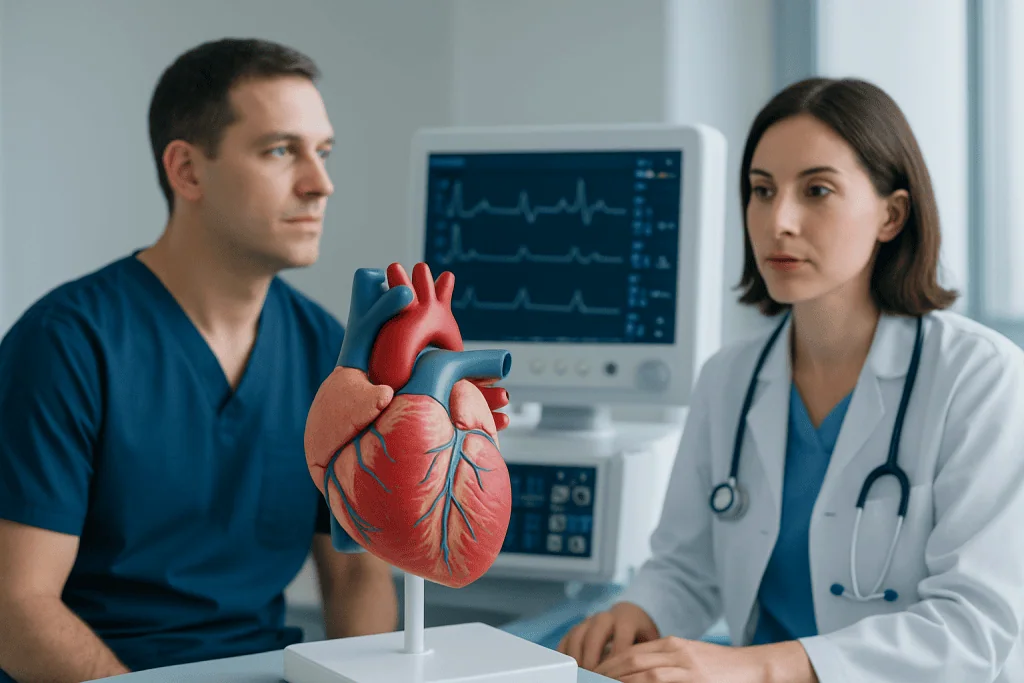
The heart is a muscular pump located in the chest. It has four chambers that work in a coordinated rhythm to move blood to the lungs for oxygen and then out to the rest of the body. The right side of the heart sends blood to the lungs, while the left side pumps oxygen-rich blood through the body.
Blood vessels form the pathways that blood travels through. Arteries carry blood away from the heart under higher pressure. Veins return blood to the heart and often contain valves that help keep blood moving in the right direction. Capillaries are tiny vessels where oxygen, nutrients, and waste products are exchanged between blood and tissues.
Blood itself is part of the cardiovascular system. Red blood cells carry oxygen, white blood cells support immune defense, platelets help with clotting, and plasma transports nutrients, hormones, and proteins. Together, these components allow the system to nourish tissues and respond to injury or infection.
- Heart: pumps blood continuously
- Arteries: deliver blood from the heart to organs and tissues
- Veins: return blood to the heart
- Capillaries: allow exchange of gases and nutrients
- Blood: carries oxygen, waste, hormones, and immune cells
How blood circulates through the body
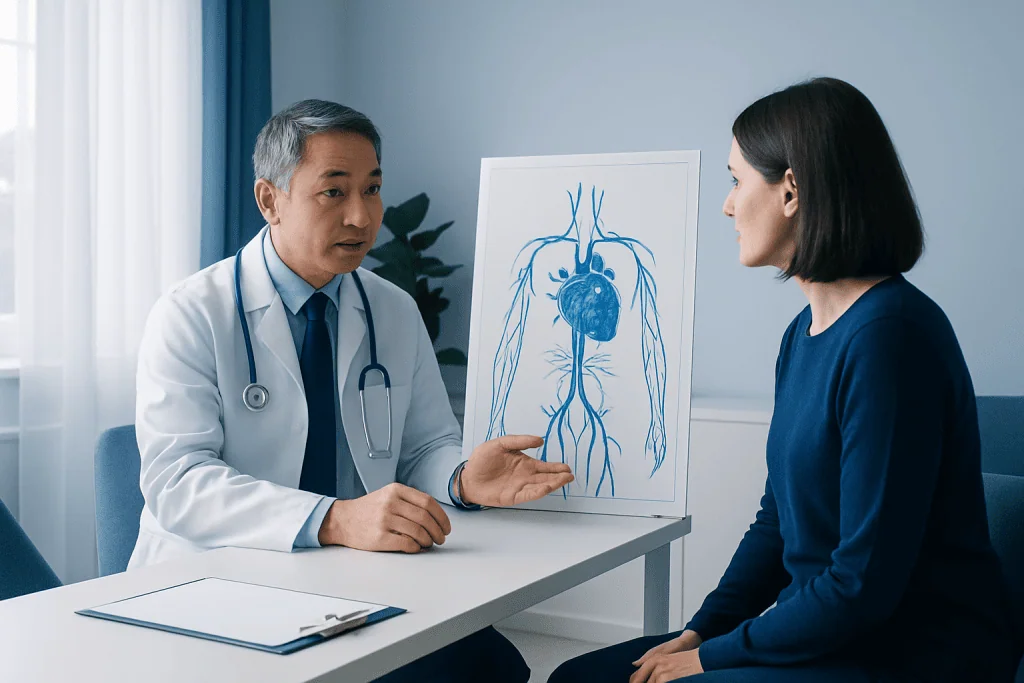
Blood circulation happens in two linked loops: pulmonary circulation and systemic circulation. In pulmonary circulation, blood that is low in oxygen travels from the right side of the heart to the lungs. There, carbon dioxide is released and oxygen is taken in. The oxygen-rich blood then returns to the left side of the heart.
In systemic circulation, the left side of the heart pumps oxygen-rich blood through the aorta and into arteries that branch throughout the body. As blood reaches capillaries, tissues receive oxygen and nutrients. Blood then collects waste products and returns through veins to the right side of the heart to begin the cycle again.
This process is guided by electrical signals in the heart that coordinate each heartbeat. Blood pressure, vessel elasticity, fluid balance, and the body’s changing needs all influence circulation. For example, during exercise, the heart beats faster and more strongly so muscles receive more oxygen.
Because the system is interconnected, a problem in one area can affect the rest of the body. A blocked artery, weakened heart muscle, or damaged valve can reduce blood flow and strain organs over time.
What affects cardiovascular health
Cardiovascular health is shaped by a mix of lifestyle, age, family history, and other medical conditions. Some risk factors cannot be changed, such as getting older or having a strong family history of heart disease. However, many important risks can be reduced with prevention and treatment.
High blood pressure, high cholesterol, diabetes, smoking, obesity, poor sleep, ongoing stress, and physical inactivity can all place extra strain on the cardiovascular system. Over time, these factors may damage blood vessels, contribute to plaque buildup, and increase the risk of heart attack, stroke, heart failure, and peripheral artery disease.
Diet also plays a role. Patterns that are high in excess salt, trans fats, and heavily processed foods may contribute to elevated blood pressure and unhealthy cholesterol levels. In contrast, a balanced eating pattern centered on vegetables, fruits, whole grains, legumes, healthy fats, and appropriate protein intake supports long-term vascular health.
Some cardiovascular conditions are closely linked with other medical issues. For example, a person may be assessed for coronary artery disease if symptoms or test results suggest narrowed heart arteries, or for high blood pressure when repeated readings remain elevated.
Common symptoms and warning signs
Not every cardiovascular problem causes symptoms early on. High blood pressure and high cholesterol, for example, may remain silent for years. This is why routine checkups are important, especially for adults with risk factors or a family history of heart disease.
When symptoms do occur, they may include chest discomfort, shortness of breath, fatigue, palpitations, dizziness, swelling in the legs or ankles, or reduced exercise tolerance. Some people notice pain in the calves while walking, cold extremities, or slow-healing wounds, which can suggest reduced circulation.
Symptoms can vary depending on the underlying condition and the part of the system involved. Heart rhythm problems may feel like fluttering or skipped beats. Valve disease may cause breathlessness or fatigue. Vascular disease may lead to limb pain, numbness, or color changes in the skin.
These symptoms do not always mean a serious heart problem, but they should not be ignored, especially if they are new, getting worse, or occurring with exertion. A qualified clinician can help determine whether evaluation for a cardiovascular disorder is needed.
How doctors evaluate the cardiovascular system
Assessment usually begins with a medical history and physical examination. A doctor may ask about symptoms, exercise tolerance, smoking, medications, sleep, family history, and conditions such as diabetes or kidney disease. Blood pressure, heart rate, oxygen level, and the sounds of the heart and lungs offer important first clues.
Common tests include blood work to check cholesterol, blood sugar, kidney function, and markers of inflammation or heart strain. An electrocardiogram records the heart’s electrical activity and may show rhythm disturbances or signs of previous damage. Depending on symptoms, imaging tests such as echocardiography, stress testing, or vascular ultrasound may be recommended.
More advanced studies can help when there is concern about blocked arteries, structural heart problems, or circulation disorders. For example, some patients may need echocardiography to evaluate heart structure and pumping function, or coronary angiography if there is suspicion of narrowed coronary arteries.
Doctors interpret these results together rather than relying on a single number or symptom. This evidence-based approach helps distinguish common myths from medically meaningful findings and supports a treatment plan tailored to the individual.
Treatment, prevention, and self-care
Treatment depends on the specific cardiovascular issue. For many people, the first steps include lifestyle changes and treatment of risk factors such as high blood pressure, cholesterol, or diabetes. A clinician may recommend medication, supervised exercise, smoking cessation support, or ongoing monitoring.
When a structural or blood-flow problem is found, treatment may involve targeted procedures. In selected cases, options may include cardiac catheterization for diagnosis or treatment, or heart valve surgery when a damaged valve affects circulation. The best approach depends on symptoms, test findings, age, and overall health.
Prevention remains central even when treatment is needed. Helpful daily habits include regular physical activity, a heart-conscious diet, maintaining a healthy weight, limiting alcohol, managing stress, sleeping well, and taking prescribed medicines consistently. Regular follow-up helps track blood pressure, cholesterol, and blood sugar over time.
Acibadem International’s multidisciplinary specialists and JCI-accredited hospitals diagnose and treat cardiovascular conditions for international patients. Even so, long-term cardiovascular health still relies heavily on prevention, early evaluation, and working closely with a qualified doctor.
When to seek medical care
Medical care should be sought promptly if a person has ongoing chest pain, pressure, unexplained shortness of breath, fainting, severe palpitations, or swelling that is new or worsening. These symptoms can have many causes, but they deserve timely assessment to rule out a cardiovascular problem.
Urgent care is especially important if symptoms come on suddenly or occur with exertion. Sudden weakness on one side of the body, trouble speaking, facial drooping, or sudden vision changes may suggest a stroke and need emergency attention immediately. Chest pain that spreads to the arm, back, jaw, or is accompanied by sweating or nausea also requires emergency evaluation.
Even in the absence of urgent symptoms, routine medical review is wise for people with high blood pressure, diabetes, high cholesterol, a strong family history of heart disease, or a history of smoking. Early detection can help prevent complications and support healthier long-term circulation.
Frequently asked questions
Is the cardiovascular system the same as the circulatory system?
These terms are often used interchangeably in everyday language. In most patient education, the cardiovascular system refers to the heart, blood, and blood vessels that circulate blood through the body.
What is the main function of the cardiovascular system?
Its main function is to transport oxygen, nutrients, hormones, and immune cells to tissues while removing carbon dioxide and waste. It also helps regulate temperature, blood pressure, and fluid balance.
Can cardiovascular disease be present without symptoms?
Yes. Conditions such as high blood pressure, high cholesterol, and early artery disease may not cause symptoms at first. That is why regular checkups and risk assessment are important.
What lifestyle habits support a healthy cardiovascular system?
Regular physical activity, a balanced diet, not smoking, healthy sleep, stress management, and maintaining a healthy weight all support cardiovascular health. Taking prescribed medicines as directed is also important when risk factors are present.
How does exercise help the cardiovascular system?
Exercise strengthens the heart, improves circulation, and can help lower blood pressure and improve cholesterol and blood sugar control. It also supports weight management and overall endurance.
When should someone worry about chest pain or palpitations?
Chest pain, pressure, or palpitations should be assessed if they are new, persistent, worsening, or linked to shortness of breath, dizziness, or fainting. Emergency care is needed for severe chest pain or symptoms that could suggest a heart attack or stroke.
This article is for general information only and is not a substitute for professional medical advice. Please consult a qualified doctor about your individual situation.
Heart care in Turkey — expert evaluation and treatment
JCI-accredited · board-certified surgeons · reply within 24h
Add us as a Preferred Source to see more of our trusted health content across Google Search, AI Overviews and Discover.
Check your numbers in seconds
BMI, calories, due date, blood pressure and 30+ more clinical calculators — free, instant, doctor-reviewed ranges.

More from the Health Library

Ginger Shots: What Patients Need to Know

Abulia — Explained by Medical Evidence, Not Myths

Neurobion: An Evidence-Based Guide for Patients

Assimplants — Explained by Medical Evidence, Not Myths
Vagus Nerve — Explained by Medical Evidence, Not Myths