Cardioversion: A Complete Medical Overview

Cardioversion can be done with medication or with a controlled electrical shock delivered under short sedation. It is commonly used for atrial fibrillation, atrial flutter, and certain other abnormal fast heart rhythms.
Key Takeaways
- Cardioversion can be done with medication or with a controlled electrical shock delivered under short sedation.
- It is commonly used for atrial fibrillation, atrial flutter, and certain other abnormal fast heart rhythms.
- Doctors often check for blood clots and may prescribe blood thinners before and after cardioversion.
- The procedure can be very effective, but some people may need repeat treatment or ongoing rhythm control.
- Follow-up care is important because the underlying heart rhythm problem can return.
Cardioversion is a medical treatment that helps return an abnormal heart rhythm to a normal rhythm, either with medicines or a carefully timed electrical shock. It is most often used for atrial fibrillation, atrial flutter, and some other fast heart rhythms when a doctor decides rhythm restoration is appropriate and safe.
What cardioversion is and why it is used
Cardioversion is a treatment used to restore a heart rhythm that is too fast or irregular back to a normal, coordinated rhythm. It may be performed with medicines, called pharmacologic or chemical cardioversion, or with a brief controlled electrical shock, called electrical cardioversion. The goal is not simply to slow the heart, but to reset the rhythm so the upper and lower chambers can work together more effectively.
Doctors most often consider cardioversion for rhythm problems such as atrial fibrillation, atrial flutter, and certain forms of supraventricular tachycardia. In some situations, the priority is to relieve symptoms such as palpitations, fatigue, shortness of breath, or dizziness. In others, restoring normal rhythm may help improve heart function and quality of life.
Cardioversion is not the same as defibrillation. Defibrillation is an emergency treatment used when the heart is in a life-threatening rhythm and a person may be unresponsive. Cardioversion, by contrast, is usually planned, carefully timed to the heartbeat, and performed when the patient is stable enough for evaluation and preparation.
Who may need cardioversion
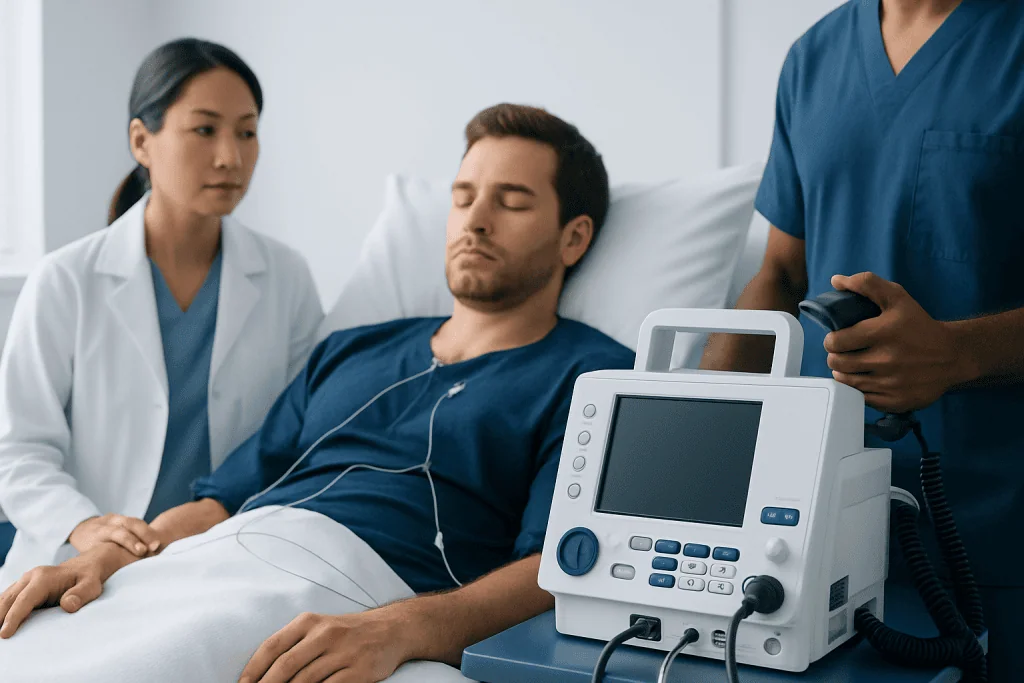
A doctor may recommend cardioversion when an abnormal rhythm is causing symptoms, affecting blood pressure, reducing exercise tolerance, or increasing the risk of complications. Some people feel a racing or fluttering heartbeat, while others notice weakness, chest discomfort, poor sleep, or shortness of breath. A few may have very mild symptoms and only discover the rhythm problem during an exam or ECG.
The decision depends on several factors, including how long the abnormal rhythm has been present, whether the person has structural heart disease, and whether the rhythm is expected to respond to treatment. Cardioversion may be more successful when the rhythm problem is recent, but it can still be considered later in selected patients after appropriate preparation.
It is also important to understand that cardioversion treats the current rhythm episode, but it does not always remove the underlying tendency for the rhythm to return. For that reason, doctors may discuss longer-term management options, such as lifestyle changes, medications, or cardiac ablation for people with recurring arrhythmias.
Types of cardioversion and how they differ

Chemical cardioversion uses antiarrhythmic medicines to help the heart return to a normal rhythm. These medicines may be given by mouth or through a vein, depending on the clinical situation. This approach can be useful when a doctor wants to avoid a procedure or when the rhythm may respond quickly to medication.
Electrical cardioversion uses adhesive pads or paddles placed on the chest, and sometimes the back, to deliver a synchronized shock. The timing is matched to the heart’s electrical activity to safely interrupt the abnormal rhythm and allow the normal rhythm to resume. Because the shock can be uncomfortable, it is usually done with short-acting sedation so the patient sleeps through the procedure.
Neither method is automatically better for every person. The choice depends on the type of arrhythmia, how urgently normal rhythm is needed, the person’s medical history, medication risks, and how likely the rhythm is to recur.
- Chemical cardioversion: avoids a shock, but may work more slowly and can have medication side effects.
- Electrical cardioversion: often works quickly and predictably, but requires monitoring and sedation.
- Long-term planning: some patients may also need electrophysiology evaluation to define the rhythm problem and guide future care.
How doctors prepare for cardioversion
Preparation is an important part of safe cardioversion. One of the key concerns, especially in atrial fibrillation or atrial flutter, is whether a blood clot may have formed in the heart. If a clot is present, restoring normal rhythm could increase the chance of stroke. To reduce this risk, a doctor may prescribe blood-thinning medication before and after the procedure, depending on how long the arrhythmia has been present and the patient’s stroke risk factors.
In some cases, doctors perform a test called transesophageal echocardiography, which uses an ultrasound probe passed gently into the esophagus to look closely at the heart and check for clots. Standard tests may also include an ECG, blood tests, and an echocardiogram to assess heart structure and function. These steps help confirm the diagnosis and ensure the safest treatment plan.
Patients are usually asked not to eat or drink for a period before electrical cardioversion because sedation may be used. The medical team will also review current medicines, allergies, pacemakers or implanted devices, and any history of sleep apnea, lung disease, or prior anesthesia reactions. Careful preparation helps improve both safety and the chance of success.
What happens during and after the procedure
For electrical cardioversion, the patient is connected to heart and oxygen monitors, and an intravenous line is placed. A sedative is given so the patient is comfortable and usually asleep for the brief procedure. The doctor then delivers a synchronized shock through pads on the skin. The treatment itself lasts only seconds, and the heart rhythm is checked immediately afterward.
Recovery is usually quick. Many people wake within a short time and spend a period in observation while blood pressure, heart rhythm, and breathing are monitored. Mild skin redness where the pads were placed can happen, and some patients feel groggy from the sedation for several hours. Because of this, they generally need someone to accompany them home and should follow local instructions about driving or returning to work.
Chemical cardioversion may take place in a hospital, clinic, or monitored setting depending on the medicine used and the person’s overall health. The team watches for rhythm changes and side effects, because antiarrhythmic drugs can occasionally trigger other rhythm disturbances. Whether treatment is electrical or medication-based, follow-up is important to confirm that normal rhythm remains stable.
Benefits, risks, and possible outcomes
The main benefit of cardioversion is restoration of a more normal heart rhythm, which can improve symptoms and daily functioning. Some patients notice that they breathe more easily, feel less fatigued, and have better exercise tolerance after successful treatment. In certain situations, returning to normal rhythm may also help the heart pump more efficiently.
Like any medical procedure, cardioversion has risks. The most important is stroke related to a blood clot, which is why clot prevention and careful timing are so important. Other possible risks include temporary low blood pressure, skin irritation, brief rhythm instability, medication side effects, or the rhythm not converting successfully. Serious complications are uncommon when the procedure is done with proper assessment and monitoring.
Even when cardioversion is successful, the arrhythmia can come back. Recurrence is more likely in people with long-standing atrial fibrillation, enlarged atria, untreated sleep apnea, thyroid problems, high blood pressure, obesity, or underlying heart disease. Doctors may recommend medicines, risk-factor control, or procedures such as arrhythmia treatment strategies to help maintain normal rhythm over time.
Living well after cardioversion
After cardioversion, many patients need ongoing care even if they feel well. The treatment plan may include antiarrhythmic medicines, rate-control drugs, or blood thinners, depending on the rhythm type and stroke risk. It is important not to stop prescribed medication without medical advice, because doing so may increase the chance of recurrence or complications.
Everyday health habits can also support rhythm control. Managing high blood pressure, diabetes, thyroid disease, and sleep apnea can make a meaningful difference. Reducing alcohol intake, avoiding stimulant misuse, maintaining a healthy weight, staying physically active within a doctor’s guidance, and limiting excess caffeine when it triggers symptoms may all help some individuals.
Patients should keep follow-up appointments and report any return of palpitations, unusual fatigue, chest discomfort, fainting, or worsening shortness of breath. In more complex cases, care may involve cardiologists, electrophysiologists, and imaging specialists. Acibadem International’s multidisciplinary specialists in JCI-accredited hospitals diagnose and treat heart rhythm disorders for international patients when advanced evaluation or coordinated care is needed.
When to seek medical care
Medical evaluation is important whenever a person develops a new irregular heartbeat, persistent palpitations, dizziness, unexplained shortness of breath, or reduced exercise capacity. These symptoms do not always mean a dangerous condition, but they should be assessed by a qualified doctor, especially in someone with known heart disease, high blood pressure, or a previous stroke.
Urgent care is needed if symptoms occur with chest pain, fainting, severe shortness of breath, confusion, or signs of stroke such as facial drooping, arm weakness, or difficulty speaking. If the heartbeat feels very fast and the person becomes unstable, immediate medical attention is the safest course.
People who have already had cardioversion should also seek care if symptoms return, if they miss doses of blood thinners, or if they have signs of bleeding while taking anticoagulants. Early review can help confirm whether the rhythm has recurred and whether treatment needs to be adjusted.
Frequently asked questions
Is cardioversion the same as defibrillation?
No. Cardioversion is usually a planned treatment for certain abnormal but organized heart rhythms, and the electrical shock is synchronized to the heartbeat. Defibrillation is an emergency treatment used for life-threatening rhythms such as ventricular fibrillation or pulseless ventricular tachycardia.
Is electrical cardioversion painful?
Electrical cardioversion is typically performed with short sedation, so most patients do not feel the shock itself. Afterward, some people may have mild skin irritation where the pads were placed or feel sleepy for a few hours from the sedative.
How successful is cardioversion?
Cardioversion can be very effective at restoring a normal rhythm, especially for recent-onset atrial fibrillation or atrial flutter. However, success varies from person to person, and the rhythm may return later depending on the underlying cause and other health factors.
Why are blood thinners sometimes needed before cardioversion?
When the upper chambers of the heart do not beat effectively, blood can pool and form clots. If a normal rhythm is restored while a clot is present, the clot could move and cause a stroke. Blood thinners or imaging tests help reduce this risk.
Can atrial fibrillation come back after cardioversion?
Yes. Cardioversion can reset the rhythm, but it does not always remove the underlying reason the arrhythmia developed. Ongoing treatment, risk-factor management, and follow-up with a doctor may help reduce recurrence.
How long does recovery take after cardioversion?
Recovery after electrical cardioversion is usually brief, and many patients go home the same day after observation. Some tiredness from sedation can last the rest of the day, so it is common to rest and avoid driving until the medical team says it is safe.
References
- American Heart Association
- National Heart, Lung, and Blood Institute
- European Society of Cardiology
- National Institute for Health and Care Excellence
- Mayo Clinic
This article is for general information only and is not a substitute for professional medical advice. Please consult a qualified doctor about your individual situation.
Heart care in Turkey — expert evaluation and treatment
JCI-accredited · board-certified surgeons · reply within 24h
Add us as a Preferred Source to see more of our trusted health content across Google Search, AI Overviews and Discover.
Check your numbers in seconds
BMI, calories, due date, blood pressure and 30+ more clinical calculators — free, instant, doctor-reviewed ranges.