Cataract Surgery Recovery: Vision Changes, Activity Limits, and Warning Signs

Mild blurry vision, scratchiness, light sensitivity, and tearing are common early after cataract surgery. Most people recover quickly, but full healing and stable vision can take several weeks.
Key Takeaways
- Mild blurry vision, scratchiness, light sensitivity, and tearing are common early after cataract surgery.
- Most people recover quickly, but full healing and stable vision can take several weeks.
- Patients are usually advised to avoid eye rubbing, heavy lifting, swimming, and dusty environments for a period after surgery.
- Severe pain, sudden vision loss, increasing redness, or flashes and floaters need prompt medical assessment.
- Following eye drop instructions and attending follow-up visits are important for safe healing.
Cataract surgery recovery is usually smooth, with many people noticing clearer vision within a few days and continued improvement over several weeks. Knowing what is normal, which activities to avoid, and which symptoms need urgent attention can help recovery feel more predictable and reassuring.
Overview of Cataract Surgery Recovery
Cataract surgery recovery refers to the healing period after the cloudy natural lens of the eye is removed and usually replaced with an artificial intraocular lens. The procedure is commonly performed as day surgery, and many patients go home shortly afterward. Recovery is often straightforward, but the eye still needs time to heal and adjust.
In the first day or two, vision may be blurry, dim, or slightly distorted. This does not always mean there is a problem. The eye can be temporarily irritated from the procedure, the pupil may still be affected by dilating drops, and the brain may need time to adapt to the new lens. Many people notice gradual improvement over the first week, with continued sharpening of vision over several weeks.
Each person heals at a different pace. Recovery can depend on the health of the eye before surgery, the type of lens implanted, whether one or both eyes need treatment, and whether there are other eye conditions such as glaucoma or macular disease. A doctor’s advice after surgery should always take priority over general guidance.
Common Vision Changes After Surgery
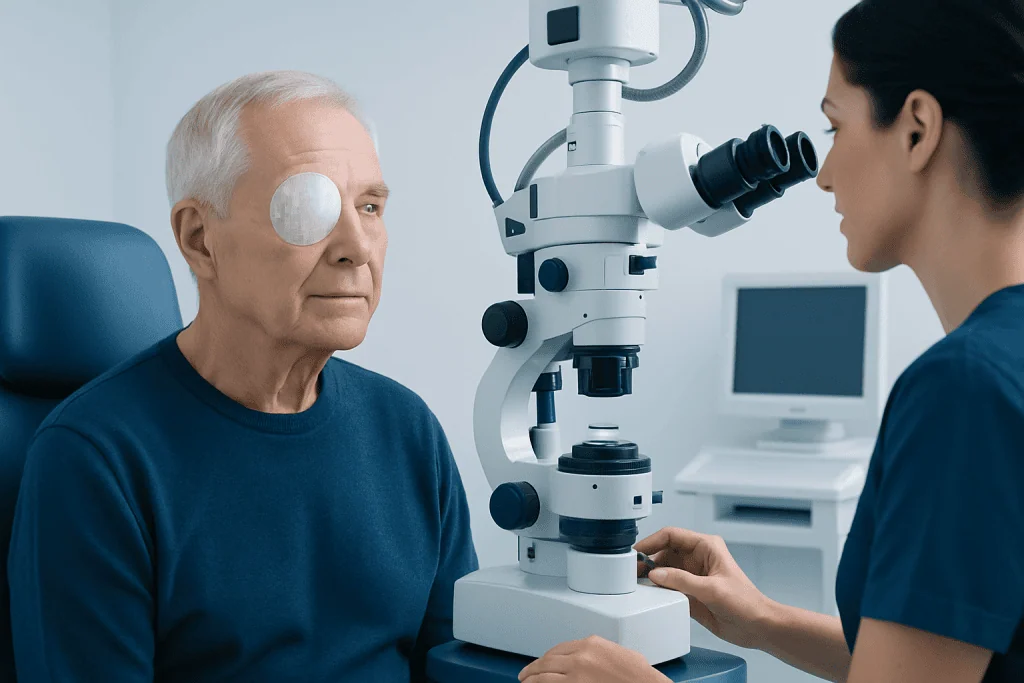
Vision changes after cataract surgery are common and usually temporary. It is normal for vision to be blurry or foggy at first. Some people describe seeing halos around lights, mild glare, or colors appearing unusually bright. This can happen because the cloudy lens has been removed, allowing more light to enter the eye.
The eye may also feel mildly gritty, watery, or sensitive to light. A sensation similar to having an eyelash in the eye can occur, especially during the first few days. These symptoms often improve as the surface of the eye calms and the small surgical incision heals.
Some patients notice that near vision, distance vision, or depth perception feels different from what they expected. This is not unusual, particularly if only one eye has been treated so far or if glasses are still needed for certain tasks. In some cases, the doctor may recommend waiting until healing is more complete before updating a glasses prescription.
If recovery is uncomplicated, vision often becomes more stable over time. However, persistent blur can also be related to dryness, swelling in the cornea, inflammation, or another eye condition that was already present before surgery. Follow-up appointments help the doctor distinguish normal recovery from a problem that needs treatment.
Typical Recovery Timeline

On the day of surgery, the eye may be protected with a shield, and vision may be hazy. Patients are generally advised to rest, use prescribed eye drops exactly as instructed, and avoid rubbing or pressing on the eye. It is common to need someone else to accompany the patient home.
During the first few days, many people return to light activities such as reading, watching television, and walking. Vision often starts to improve within this period, although clarity can fluctuate from hour to hour. Mild discomfort, tearing, or a foreign-body sensation may still be present.
By the first few weeks, the incision is healing and vision is usually becoming more consistent. The doctor may gradually relax some restrictions depending on the patient’s progress. If surgery is planned for the second eye, it may be scheduled during this stage based on healing and visual needs.
Full healing commonly takes several weeks. This is also the period when long-term visual outcomes become clearer and any further adjustments, such as prescription glasses or additional care for other eye problems, can be discussed. Patients who undergo cataract surgery should remember that the exact timeline may vary from person to person.
Activity Limits and Daily Care
Activity restrictions after cataract surgery are meant to protect the healing eye from pressure, contamination, or injury. Doctors commonly advise avoiding eye rubbing, bending in a way that puts pressure on the eye, and lifting heavy objects for a period after surgery. The exact limits depend on the surgeon’s instructions and the patient’s overall eye health.
Patients are often told to keep soap, shampoo, makeup, and unclean water out of the eye while healing. Swimming pools, hot tubs, and natural bodies of water are usually avoided for a time because they can raise the risk of infection. Dusty or smoky environments may also increase irritation and should be limited if possible.
Normal gentle activities are often allowed quite soon. These may include walking, light household tasks, reading, and using screens as tolerated. Sunglasses can help with outdoor light sensitivity, and a protective eye shield may be recommended during sleep for the first days to prevent accidental rubbing.
Eye drops are a key part of self-care. These drops may be used to reduce inflammation, prevent infection, and support healing. It is important to wash hands before use, avoid touching the bottle tip to the eye, and complete the prescribed course even if the eye feels better.
- Avoid rubbing or pressing on the eye.
- Use prescribed drops on schedule.
- Wear the eye shield if instructed, especially at night.
- Avoid heavy lifting and strenuous exercise until cleared.
- Keep unclean water, dust, and eye makeup away from the eye during early healing.
Possible Side Effects and What Is Usually Normal
Some side effects after cataract surgery are expected and usually improve without causing harm. Mild redness, slight swelling, watery eyes, light sensitivity, and fluctuating vision are often part of normal healing. The treated eye may also feel tired more easily during reading or screen use in the first days.
Dry eye symptoms are also common after eye procedures. Burning, stinging, or intermittent blur may be related to the tear film rather than the lens implant itself. Lubricating drops may be recommended by the doctor if dryness is contributing to discomfort.
Patients may occasionally hear about a later change called posterior capsule opacification, sometimes described as a secondary cataract. This is not the cataract growing back, but a clouding of the thin membrane behind the new lens. If it develops, it can usually be treated with a simple laser procedure such as YAG laser capsulotomy.
Although uncommon, recovery may be more complex in people with pre-existing eye disease, diabetes, prior eye surgery, or significant inflammation. In these situations, doctors may monitor closely for issues such as retinal swelling or pressure changes, and sometimes extra treatment is needed to support the best possible visual outcome.
Warning Signs That Need Prompt Medical Attention
While mild discomfort is common, severe or worsening symptoms are not considered a normal part of recovery. A patient should contact the surgical team promptly if there is significant eye pain, sudden drop in vision, rapidly increasing redness, or thick discharge. These can be signs of infection, pressure problems, or another complication that should be assessed quickly.
New flashes of light, a sudden increase in floaters, or a shadow or curtain over part of the vision also deserve urgent attention. These symptoms may point to a retinal problem that needs immediate evaluation. Nausea, vomiting, or severe headache together with eye pain can also suggest a rise in eye pressure.
It is helpful for patients to know that serious complications after modern cataract surgery are uncommon, but early treatment matters when they do occur. Prompt review can protect vision and reduce the risk of lasting damage. For this reason, patients should not wait for symptoms to settle on their own if they seem dramatic or clearly worse.
If there is any uncertainty, it is safer to call the eye clinic or emergency service and describe the symptoms. Doctors may ask about timing, whether the symptom is improving or worsening, and whether one or both eyes are affected. A professional review is the best way to decide whether the healing process is on track.
Follow-Up, Long-Term Results, and When to See a Doctor
Follow-up visits are a routine and important part of cataract surgery recovery. At these appointments, the doctor checks healing, eye pressure, the position of the new lens, and how vision is improving. These visits also give patients an opportunity to ask practical questions about work, travel, exercise, and using glasses.
Many patients enjoy long-term improvement in clarity, contrast, and brightness after surgery. Still, cataract surgery does not prevent every cause of visual change. Conditions affecting the retina, optic nerve, or eye pressure may continue to influence sight, and some patients may still need glasses for reading or distance vision. In selected situations, care may overlap with treatments such as retina treatment if another eye condition is present.
A doctor should be consulted if vision is not improving as expected, if discomfort persists, or if new symptoms appear at any stage of recovery. Patients with diabetes or other eye diseases may need closer observation. People who are also being treated for macular degeneration or other retinal conditions should follow both recovery plans carefully.
For international patients seeking coordinated eye care, Acibadem International’s multidisciplinary specialists in JCI-accredited hospitals diagnose and treat cataracts and related eye conditions, with follow-up planning tailored to the individual patient.
Frequently asked questions
How long does cataract surgery recovery usually take?
Many people notice some improvement within a few days, but vision can continue to settle over several weeks. Full healing often takes about a month, although the exact timeline varies depending on the eye and any other medical conditions.
Is blurry vision normal after cataract surgery?
Yes, mild blurry or fluctuating vision is common early in recovery. The eye may be healing, adjusting to the new lens, or affected by dryness and temporary inflammation. If blur suddenly worsens or does not improve as expected, a doctor should review it.
What activities should be avoided after cataract surgery?
Patients are commonly advised to avoid rubbing the eye, heavy lifting, strenuous exercise, swimming, and getting unclean water into the eye for a period after surgery. The surgeon may also recommend avoiding dusty environments and eye makeup during early healing.
When can someone drive after cataract surgery?
Driving is usually only safe once vision meets the legal standard and the doctor confirms that recovery is progressing well. Some people return to driving quickly, while others need more time, especially if only one eye has been treated or vision is still adjusting.
What warning signs after cataract surgery should never be ignored?
Severe pain, sudden loss of vision, rapidly increasing redness, thick discharge, or a marked drop in clarity need prompt medical attention. Flashes, many new floaters, or a dark curtain in the vision can also signal an urgent retinal problem.
Can a cataract come back after surgery?
The cataract itself does not grow back because the cloudy natural lens has been removed. However, some people later develop clouding of the membrane behind the new lens, which can cause blurred vision and is often treatable with a laser procedure.
References
- American Academy of Ophthalmology
- National Eye Institute
- Royal College of Ophthalmologists
- National Health Service
- Mayo Clinic
This article is for general information only and is not a substitute for professional medical advice. Please consult a qualified doctor about your individual situation.
Cataract Surgery in Turkey — costs, top hospitals & a free quote
JCI-accredited · board-certified surgeons · reply within 24h
Add us as a Preferred Source to see more of our trusted health content across Google Search, AI Overviews and Discover.

Ophthalmology
Comprehensive eye care from laser vision correction to retina, cornea and cataract surgery.
75 specialists in this unit