Catathrenia: A Complete Medical Overview
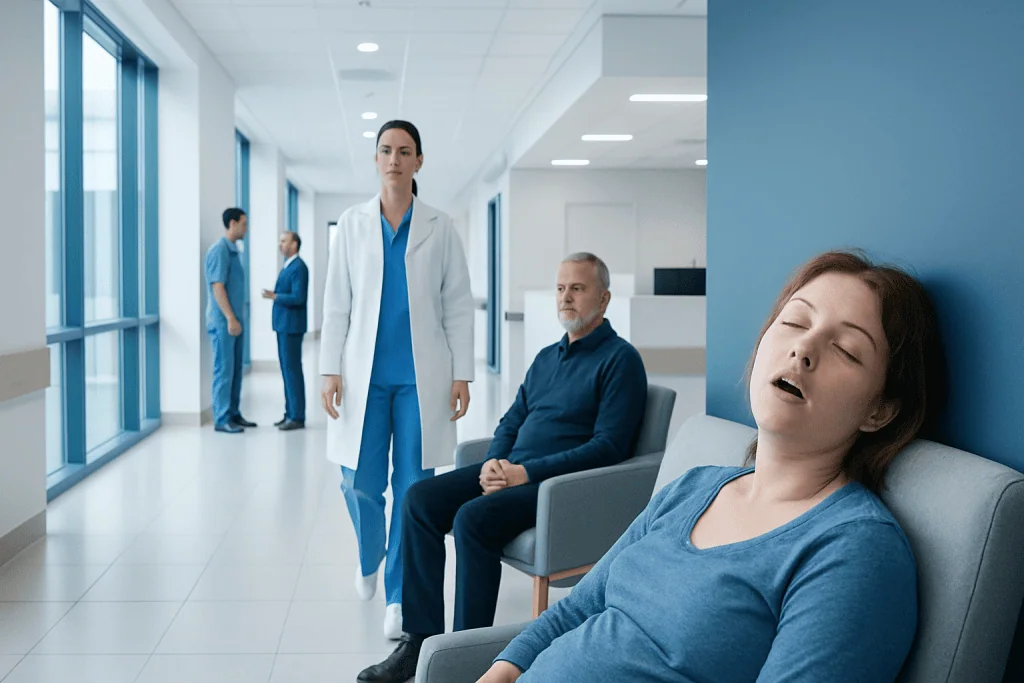
Catathrenia typically causes a long, low-pitched groan during exhalation while a person is asleep. People with catathrenia are often unaware of the sounds, while bed partners may notice them regularly.
Key Takeaways
- Catathrenia typically causes a long, low-pitched groan during exhalation while a person is asleep.
- People with catathrenia are often unaware of the sounds, while bed partners may notice them regularly.
- An overnight sleep study is the most reliable way to distinguish catathrenia from snoring, obstructive sleep apnea, seizures, or other nighttime events.
- Treatment is not always necessary, but positive airway pressure therapy may be considered when symptoms are troublesome or another breathing disorder is present.
- Persistent daytime sleepiness, breathing pauses, choking during sleep, or new neurologic symptoms should be assessed by a healthcare professional.
Catathrenia is an uncommon sleep-related breathing pattern in which a person makes prolonged groaning or moaning sounds while breathing out during sleep. Although it can be disruptive for a bed partner and may resemble snoring or sleep apnea, it is often not dangerous; assessment can help clarify the diagnosis and identify any coexisting sleep disorder.
What Is Catathrenia?
Catathrenia is an uncommon sleep-related condition characterized by repeated groaning, humming, or moaning sounds during sleep. The sound usually occurs during a prolonged exhalation: a person may take a normal or deep breath in, hold it briefly, and then release air slowly while making a low-pitched vocal sound. Episodes can last for several seconds and may recur in clusters during the night.
Catathrenia is sometimes called sleep groaning or nocturnal groaning. It is different from ordinary talking in sleep, although both occur without conscious awareness. Many people with catathrenia feel well and learn about it only after a partner, family member, or roommate hears the sounds or records them.
Sleep specialists classify catathrenia among sleep-related breathing disorders, although aspects of the condition can overlap with parasomnias, which are unusual behaviors during sleep. This classification reflects ongoing clinical discussion rather than uncertainty that the symptom is real. A careful sleep assessment is useful because the same nighttime sound can have more than one cause.
How Catathrenia Sounds and Feels
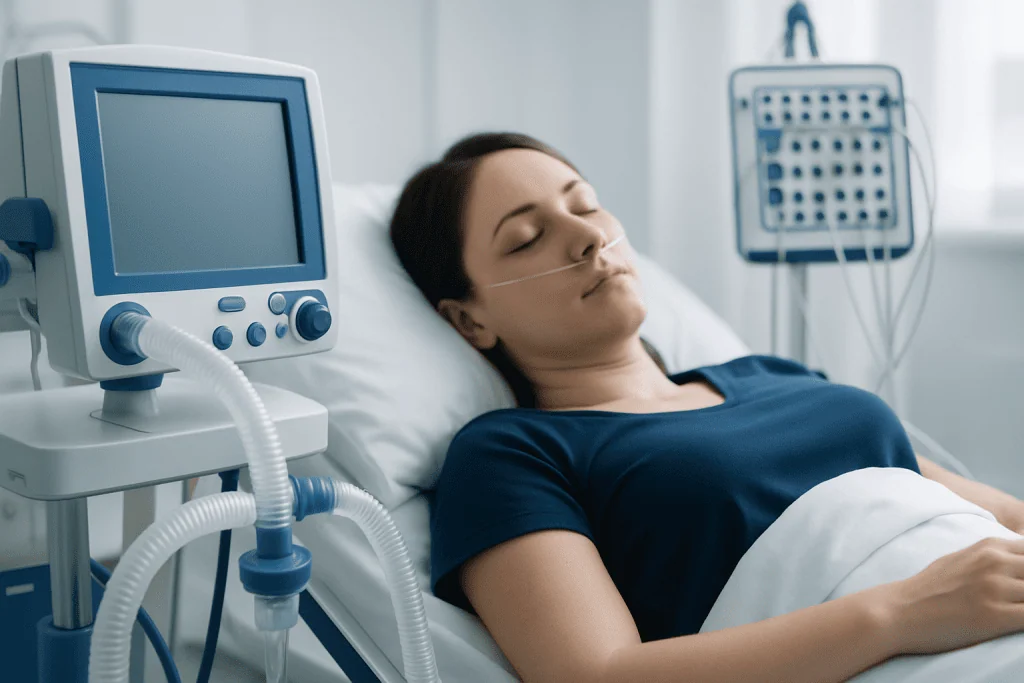
The typical catathrenia sound is prolonged rather than brief. It is often described as a groan, drone, sigh, moan, or humming noise, and it commonly appears during breathing out. By contrast, snoring is usually a rougher, vibrating sound produced when tissues in the upper airway partially narrow during breathing in or out.
Episodes may occur in any sleep stage, but they are often reported during rapid eye movement (REM) sleep, when vivid dreaming is more common. A bed partner may notice several episodes in one part of the night, followed by quieter periods. The person making the sound is generally asleep and does not intentionally produce it.
Catathrenia itself does not always cause poor sleep quality, tiredness, or low oxygen levels. However, some people also have insomnia, fragmented sleep, daytime fatigue, snoring, or sleep apnea. These symptoms should not automatically be attributed to catathrenia, because they may point to a separate condition that needs its own evaluation.
Why Catathrenia Happens

The exact cause of catathrenia is not fully understood. It appears to involve an unusual pattern of breathing control during sleep, particularly a prolonged exhalation with partial closure of the vocal cords. This can create the characteristic sound without the person being awake or deliberately vocalizing.
Catathrenia has been observed in children and adults. It may be more noticeable during periods of disrupted sleep, sleep deprivation, stress, or changes in sleep routine, but these factors do not explain every case. A family tendency has occasionally been reported, yet there is not enough evidence to say that catathrenia is usually inherited.
Alcohol, sedating medicines, nasal congestion, and sleeping on the back can worsen breathing noises for some people. Their role in catathrenia specifically is less certain. It is important not to stop prescribed medication without medical advice; instead, a clinician can review whether medicines, substances, nasal obstruction, or another sleep condition may be affecting nighttime breathing.
Catathrenia, Snoring, and Sleep Apnea: Important Differences
Catathrenia is frequently mistaken for snoring, but the timing and quality of the sound differ. Snoring is caused by vibration of relaxed tissues in the nose, mouth, or throat. Catathrenia is more often a sustained vocal sound during a slow exhalation, sometimes after a brief pause in breathing. Audio recordings can be helpful, but they cannot confirm the diagnosis on their own.
It is also important to distinguish catathrenia from obstructive sleep apnea. In obstructive sleep apnea, the upper airway repeatedly narrows or closes during sleep, reducing or stopping airflow. Common clues include loud habitual snoring, witnessed breathing pauses, gasping or choking, morning headaches, unrefreshing sleep, and excessive daytime sleepiness. Catathrenia may occur alone, but both conditions can be present in the same person.
Other possibilities include sleep talking, laryngospasm, nighttime seizures, reflux-related throat symptoms, and less commonly other respiratory or neurologic conditions. The pattern of sounds, body movements, awareness, breathing measurements, and sleep stages helps a specialist separate these conditions. For this reason, self-diagnosis based on online recordings is not recommended.
How Catathrenia Is Diagnosed
A clinician usually begins by asking about the sounds, how often they occur, sleep quality, daytime alertness, medical history, medicines, alcohol use, and symptoms reported by a bed partner. A short audio or video recording may provide useful context, particularly when the sound is difficult to describe. It should be viewed as supportive information rather than a replacement for clinical testing.
When the diagnosis is uncertain or symptoms are disruptive, an overnight sleep study, also called polysomnography, may be advised. This test records breathing, airflow, oxygen levels, heart rate, brain activity, eye movements, muscle activity, body position, and often audio-video information. It can show whether groaning is linked to prolonged exhalation and whether apnea, oxygen drops, limb movements, or other sleep disturbances occur.
Home sleep apnea tests can identify some cases of obstructive sleep apnea, but they may not capture enough information to diagnose catathrenia reliably. A full laboratory sleep study is generally more informative when unusual nighttime vocalizations are the main concern. Evaluation may involve a sleep medicine physician and, when appropriate, ear, nose, and throat or respiratory specialists.
Treatment Options and Practical Self-Care
Not everyone with catathrenia needs treatment. If a sleep study shows normal oxygen levels, no important breathing obstruction, and no meaningful effect on daytime functioning, reassurance and observation may be appropriate. The main impact is often social, especially when the sounds disturb a partner or create worry about nighttime breathing.
If catathrenia is frequent, distressing, or associated with sleep-disordered breathing, a clinician may recommend treatment tailored to the findings. Continuous positive airway pressure, or CPAP, can reduce catathrenia episodes in some people and is a standard therapy when obstructive sleep apnea is diagnosed. CPAP treatment should be selected and adjusted with professional guidance, particularly because the evidence for isolated catathrenia is limited.
General sleep measures can support better sleep even though they may not eliminate catathrenia. These include keeping a regular sleep schedule, allowing enough time for sleep, limiting alcohol close to bedtime, avoiding non-prescribed sedatives, addressing nasal blockage with medical advice, and trying side sleeping if back sleeping seems to worsen symptoms. Earplugs, white noise, or separate sleep arrangements may also help a bed partner while assessment is underway.
There is no well-established medication specifically for catathrenia. Surgery is not routinely used for catathrenia alone, but treatment for an identified nasal, throat, or sleep apnea problem may be considered when clinically appropriate. Decisions should be based on objective sleep-study findings and the person’s symptoms, rather than on the sound alone.
When to Seek Medical Care
It is reasonable to arrange a non-urgent medical appointment if nighttime groaning is persistent, newly developed, distressing, or affecting a partner’s sleep. A sleep evaluation is especially helpful when the person has loud snoring, witnessed pauses in breathing, gasping, morning headaches, concentration difficulties, or daytime sleepiness. These signs can indicate a coexisting sleep-related breathing disorder that may be treatable.
Prompt medical advice is appropriate if nighttime sounds are accompanied by repeated choking, severe breathlessness, bluish lips or skin, chest pain, confusion after episodes, injuries during sleep, or unusual movements that could suggest seizures. Emergency care should be sought for severe or ongoing breathing difficulty, chest pain, or loss of consciousness.
For international patients who need further assessment, Acibadem International’s multidisciplinary specialists and JCI-accredited hospitals can evaluate sleep-related symptoms and coordinate appropriate testing and care. The goal of assessment is not simply to stop a sound, but to understand whether sleep, breathing, or overall health is being affected.
Frequently asked questions
Is catathrenia dangerous?
Catathrenia is often not harmful when it occurs alone and does not affect oxygen levels, sleep quality, or daytime function. However, it can resemble or coexist with obstructive sleep apnea and other sleep conditions. A medical assessment is sensible if there are breathing pauses, gasping, significant tiredness, or other concerning symptoms.
Does catathrenia happen every night?
It can occur nightly for some people and only intermittently for others. Episodes may cluster during certain parts of the night and can vary with sleep position, sleep disruption, alcohol use, or nasal congestion. A bed partner’s observations or an overnight recording can help describe the pattern.
Can catathrenia wake the person making the sound?
Most people remain asleep and do not remember the episodes. The sound is more likely to wake or disturb a bed partner than the person with catathrenia. If the person repeatedly wakes choking, short of breath, or panicked, another sleep or breathing condition should be considered.
Is catathrenia the same as sleep apnea?
No. Catathrenia involves prolonged groaning during exhalation, while sleep apnea involves repeated reductions or pauses in airflow during sleep. The two can sound similar to an observer and may occasionally occur together, so a sleep study may be needed to distinguish them.
Can CPAP help catathrenia?
CPAP may reduce catathrenia in some people, particularly if obstructive sleep apnea or airway narrowing is also present. It is not necessary for every person with sleep groaning. A sleep specialist can determine whether CPAP is appropriate after reviewing symptoms and sleep-study results.
Can lifestyle changes cure catathrenia?
Healthy sleep habits may reduce sleep disruption and can be useful alongside medical assessment, but they do not reliably cure catathrenia. Maintaining regular sleep, avoiding alcohol near bedtime, and managing nasal congestion may be worth discussing with a clinician. Persistent symptoms should not be assumed to be harmless without considering other causes.
References
- American Academy of Sleep Medicine
- International Classification of Sleep Disorders, Third Edition Text Revision
- National Heart, Lung, and Blood Institute
- Cleveland Clinic
- Merck Manual Consumer Version
This article is for general information only and is not a substitute for professional medical advice. Please consult a qualified doctor about your individual situation.
Explore treatments in Turkey — costs, top hospitals & a free quote
JCI-accredited · board-certified surgeons · reply within 24h
Add us as a Preferred Source to see more of our trusted health content across Google Search, AI Overviews and Discover.

More from the Health Library



Related Specialists

Dr. Tarık Yanık
Otorhinolaryngology
Embriyolog Firuze Sönmez
Vitro Fertilization and Reproductive Medicine Center
Asst. Prof. Dr. Murat Tuğrul Eren
Urology
Dr. Dilek Tomatır
Ophthalmology