Cauda Equina Syndrome: Diagnosis, Outlook, and Modern Treatment Approaches

Cauda equina syndrome happens when nerves in the lower spine are compressed. Typical warning signs include severe low back pain, sciatica, leg weakness, saddle numbness, and new bladder or bowel changes.
Key Takeaways
- Cauda equina syndrome happens when nerves in the lower spine are compressed.
- Typical warning signs include severe low back pain, sciatica, leg weakness, saddle numbness, and new bladder or bowel changes.
- MRI is usually the key test to confirm the cause and guide urgent treatment.
- Many people need prompt surgery to relieve pressure on the nerves.
- Recovery varies, and some symptoms may improve gradually over weeks to months with rehabilitation.
Cauda equina syndrome is a serious condition caused by compression of the bundle of nerves at the lower end of the spinal canal. Fast recognition, urgent imaging, and timely treatment are important because early care can improve the outlook and help reduce the risk of permanent nerve damage.
Overview: what cauda equina syndrome means
Cauda equina syndrome is a condition in which the group of nerve roots at the base of the spinal cord becomes compressed. These nerves control sensation and movement in the legs and also help regulate bladder, bowel, and sexual function. Because these nerves are highly important, cauda equina syndrome is treated as a medical emergency.
The most common cause is a large lumbar disc herniation, but other problems can also press on the nerves. Examples include spinal stenosis, tumors, infection, bleeding, inflammation, or injury. The exact symptoms depend on which nerve roots are affected and how quickly the compression develops.
One reason this condition receives urgent attention is that nerve injury can become harder to reverse if pressure continues. Prompt assessment does not mean every person will need the same treatment, but it does mean new red-flag symptoms should be evaluated without delay. People with symptoms related to a lumbar disc herniation in the lower back may be advised to have urgent specialist review if nerve function is changing.
Symptoms and warning signs
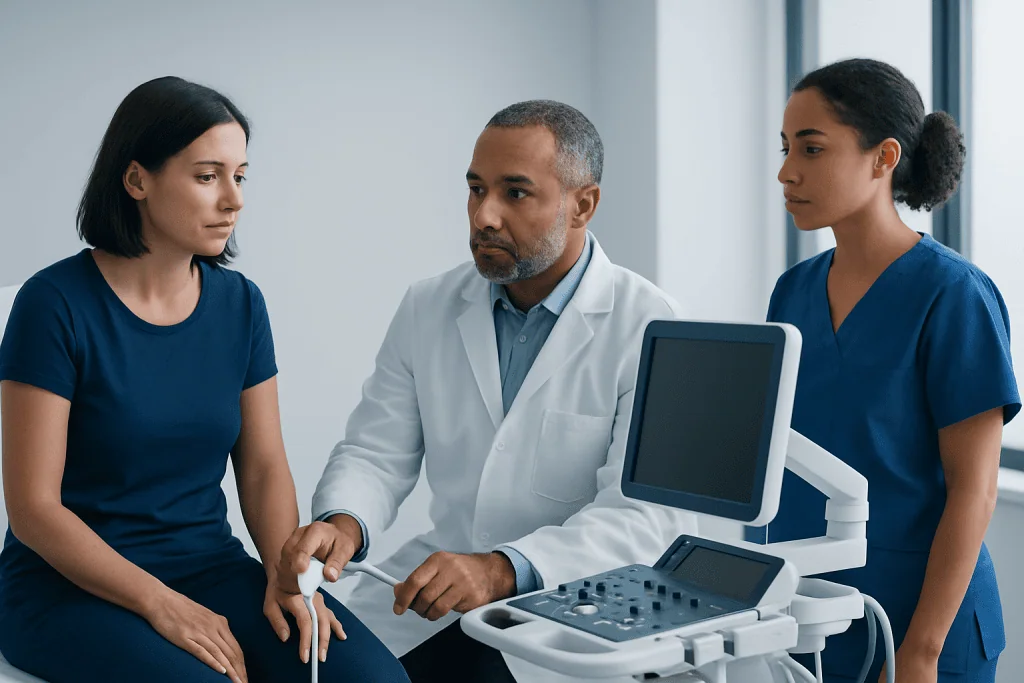
Symptoms of cauda equina syndrome can begin suddenly or develop over a short period of time. Many people notice severe low back pain together with pain shooting down one or both legs, often described as sciatica. Numbness, tingling, or weakness in the legs may also occur, making walking less steady or climbing stairs more difficult.
Doctors pay close attention to changes in the area that would touch a saddle when sitting on a horse. This is called saddle anesthesia or saddle numbness and may affect the inner thighs, buttocks, genitals, or the area around the anus. It can be partial at first, so even a subtle new change in sensation matters.
Bladder and bowel symptoms are especially important. These may include trouble starting urination, loss of awareness of bladder fullness, urinary retention, leaking urine, constipation, or reduced control of bowel movements. Some people also notice a change in sexual sensation or function.
- Severe low back pain
- Sciatica in one or both legs
- Leg numbness or weakness
- Saddle numbness
- New bladder or bowel dysfunction
- Reduced sexual sensation or function
Why it happens: causes and risk factors
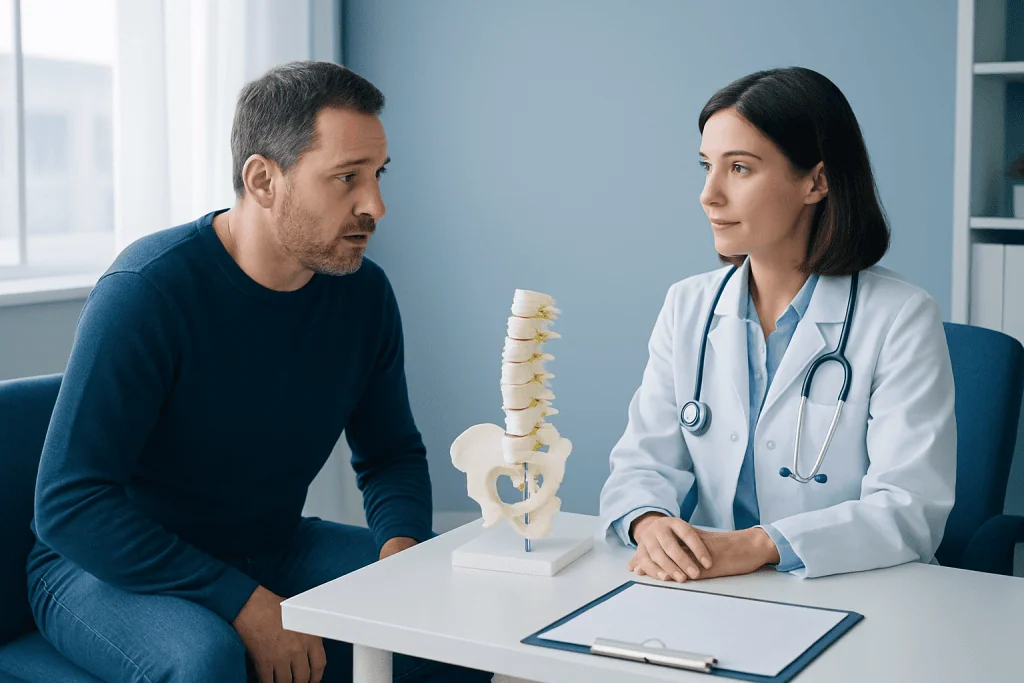
A large herniated lumbar disc is one of the leading causes of cauda equina syndrome. In this situation, disc material presses into the spinal canal and compresses the nerve roots. Degenerative changes in the spine can also narrow the canal and contribute to nerve compression, especially in people with pre-existing lower back problems.
Other causes are less common but still important. These include spinal tumors, severe infection such as an epidural abscess, bleeding around the spine, inflammatory disease, trauma, or complications after spinal procedures. In some people, several factors are present at the same time, such as chronic narrowing plus an acute disc prolapse.
Risk factors depend on the underlying cause rather than the syndrome itself. They may include a history of disc disease, significant spinal injury, infections affecting the spine, blood-thinning medication in some settings, or known spinal tumors. Conditions involving the lower back, including spinal stenosis, may increase the chance that a new event leads to critical nerve compression.
How doctors diagnose cauda equina syndrome
Diagnosis starts with a careful history and neurological examination. The doctor asks about the timing of symptoms, the pattern of pain, leg weakness, numbness, and any changes in bladder or bowel function. Examination usually includes testing strength, reflexes, sensation, walking, and sensation around the saddle area when appropriate and with sensitivity to the patient’s comfort and privacy.
Magnetic resonance imaging, or MRI, is usually the most important test because it can show whether the cauda equina nerves are being compressed and why. In urgent situations, MRI is often arranged as quickly as possible. If MRI cannot be done, another form of spinal imaging may be considered based on clinical need and local resources.
Doctors may also check whether the bladder is emptying properly, sometimes with a bladder scan after urination. Blood tests can be useful if infection, inflammation, or bleeding is suspected, but they do not replace imaging. Once the diagnosis is suspected, patients are often reviewed by spine specialists, neurologists, neurosurgeons, or orthopedic spine surgeons so that treatment decisions can be made without unnecessary delay.
Modern treatment approaches
Treatment depends on the cause, severity, and speed of symptom progression, but the main goal is always to relieve pressure on the affected nerves. When a structural problem such as a large disc herniation is causing compression, urgent surgery is commonly recommended. The procedure may involve removing the material pressing on the nerves, such as with microdiscectomy or other forms of spine surgery, depending on the anatomy and surgeon’s judgment.
If the cause is infection, treatment may include antibiotics and sometimes surgical drainage. If a tumor is responsible, management may involve surgery, oncology care, radiation therapy, or a combination of approaches. When inflammation or bleeding is involved, treatment is tailored to the underlying problem and the patient’s overall condition.
After the emergency phase, many people benefit from rehabilitation. This may include physical therapy for strength and walking, bladder and bowel support, pain management, and follow-up neurological assessment. In selected cases, physical therapy and rehabilitation becomes an important part of regaining independence and adapting safely during recovery.
Outlook and recovery
The outlook for cauda equina syndrome varies from person to person. Some people recover well, especially when diagnosis and treatment happen quickly, while others may continue to have some degree of bladder, bowel, sexual, sensory, or mobility problems. The outcome often depends on the cause, how severe the compression was, and how much nerve function was affected before treatment.
Recovery is not always immediate. Nerves can heal slowly, so changes in leg strength, numbness, bladder control, or pain may continue to improve over weeks or months. Follow-up appointments are important because the healthcare team can monitor progress, adjust rehabilitation plans, and address symptoms such as ongoing pain or difficulty emptying the bladder.
It can also help to prepare for the emotional side of recovery. Temporary or lasting changes in continence, mobility, and sexual function can affect confidence and daily life. Support from rehabilitation specialists, continence services, pain teams, and mental health professionals may be useful for some patients and families.
Prevention and self-care after treatment
Not every case can be prevented, especially when the cause is sudden or unexpected. Still, caring for spinal health may help reduce the risk of some contributing conditions. General measures include staying active within personal limits, using safe lifting technique, maintaining a healthy body weight, and getting medical advice for persistent back pain or worsening leg symptoms.
After treatment, self-care focuses on protecting recovery and watching for changes. Patients are often advised to follow activity guidance from their surgeon or rehabilitation team, take medicines as prescribed, and attend follow-up visits. Pelvic floor support, bladder training strategies, and bowel management plans may also be recommended when needed.
People should not ignore new or returning red-flag symptoms after treatment. A sudden increase in leg weakness, fresh numbness in the saddle area, or new bladder or bowel problems needs urgent reassessment. In complex cases, multidisciplinary teams such as those at Acibadem International’s JCI-accredited hospitals may coordinate diagnosis, surgery, rehabilitation, and follow-up care for international patients.
When to seek medical care
Immediate medical care is needed if someone develops severe back pain together with new difficulty passing urine, loss of bladder or bowel control, numbness around the genitals or anus, or rapidly worsening weakness in the legs. These symptoms do not always mean cauda equina syndrome, but they should be treated as urgent until a doctor has assessed them.
It is also sensible to seek prompt medical advice for sciatica that is getting worse, numbness spreading between the legs, or trouble walking that is new and unexplained. The earlier the cause is identified, the sooner appropriate treatment can begin. Anyone who already has a known lower spine condition should be especially attentive to sudden neurological changes.
Frequently asked questions
Is cauda equina syndrome an emergency?
Yes. Cauda equina syndrome is generally treated as a medical emergency because pressure on the lower spinal nerves can lead to lasting problems if not addressed quickly. Urgent medical assessment helps confirm the cause and guide the right treatment.
What are the earliest symptoms of cauda equina syndrome?
Early symptoms may include severe lower back pain, sciatica, leg numbness, or weakness. Some people also notice altered sensation in the inner thighs or around the genitals, or subtle trouble starting urination. Even mild bladder or saddle-area changes should be taken seriously.
Can cauda equina syndrome happen without back pain?
It can, although back pain is common. In some cases, bladder, bowel, sensory, or leg symptoms are more noticeable than pain. That is why doctors look at the full pattern of neurological symptoms rather than relying on one sign alone.
Does everyone with cauda equina syndrome need surgery?
Not everyone, but many people do require urgent surgery, especially when a disc herniation or another structural problem is compressing the nerves. If the cause is infection, inflammation, bleeding, or tumor, treatment may involve other therapies in addition to or instead of surgery. The plan depends on imaging findings and the person’s overall condition.
How long does recovery take?
Recovery time varies widely. Some symptoms improve soon after treatment, while nerve-related problems such as numbness, weakness, or bladder dysfunction may take weeks or months to improve. Regular follow-up is important because rehabilitation and symptom management can support recovery over time.
Can bladder and bowel function return to normal?
Sometimes they can improve significantly, especially when treatment is not delayed. However, some people continue to have bladder or bowel symptoms and may need ongoing support such as continence care, medication, or rehabilitation strategies. The degree of recovery depends on how much the nerves were affected.
References
- National Institute of Neurological Disorders and Stroke
- National Health Service
- American Association of Neurological Surgeons
- National Institute for Health and Care Excellence
- North American Spine Society
This article is for general information only and is not a substitute for professional medical advice. Please consult a qualified doctor about your individual situation.
Persistent digestive symptoms? Get evaluated in Turkey
JCI-accredited · board-certified surgeons · reply within 24h
Add us as a Preferred Source to see more of our trusted health content across Google Search, AI Overviews and Discover.