Celiac Plexus Block: An Evidence-Based Patient Guide

A celiac plexus block targets a network of nerves behind the stomach that carries pain signals from upper abdominal organs. It can be performed as a temporary diagnostic or therapeutic block, or as a longer-lasting neurolytic procedure in selected people with cancer pain.
Key Takeaways
- A celiac plexus block targets a network of nerves behind the stomach that carries pain signals from upper abdominal organs.
- It can be performed as a temporary diagnostic or therapeutic block, or as a longer-lasting neurolytic procedure in selected people with cancer pain.
- Imaging guidance helps the clinician place the needle accurately and reduce procedural risk.
- Pain relief varies between individuals and is usually part of a wider plan that may include medicines, cancer treatment, nutrition support, and psychological care.
- Most people go home the same day, but should arrange for an adult to accompany them and avoid driving after sedation.
- New weakness, severe dizziness, fever, worsening abdominal pain, or signs of bleeding after the procedure require prompt medical assessment.
A celiac plexus block is an image-guided pain procedure that interrupts pain signals from organs in the upper abdomen. It may be considered when pain from pancreatic cancer, chronic pancreatitis, or certain other abdominal conditions remains difficult to control with medicines alone.
Overview: what is a celiac plexus block?
A celiac plexus block is a minimally invasive, image-guided procedure used to help manage persistent upper abdominal pain. The celiac plexus is a group of nerves located deep in the abdomen, near the aorta and behind the stomach. It carries pain messages from organs such as the pancreas, liver, gallbladder, stomach, spleen, kidneys, and parts of the intestine to the brain.
During the procedure, a pain specialist injects medication near these nerves to reduce the transmission of pain signals. A local anesthetic may be used for a temporary block, while alcohol or phenol may be used to intentionally disrupt nerve signaling for longer-lasting relief in carefully selected patients, most commonly those with cancer-related pain. This latter approach may be called celiac plexus neurolysis.
This celiac plexus block patient information guide explains how the procedure works, who may benefit, what recovery is usually like, and when medical advice is needed. It is not a treatment for the underlying disease, but it may make pain easier to manage and may reduce the need for opioid pain medicines for some people.
How the procedure works and when it may help
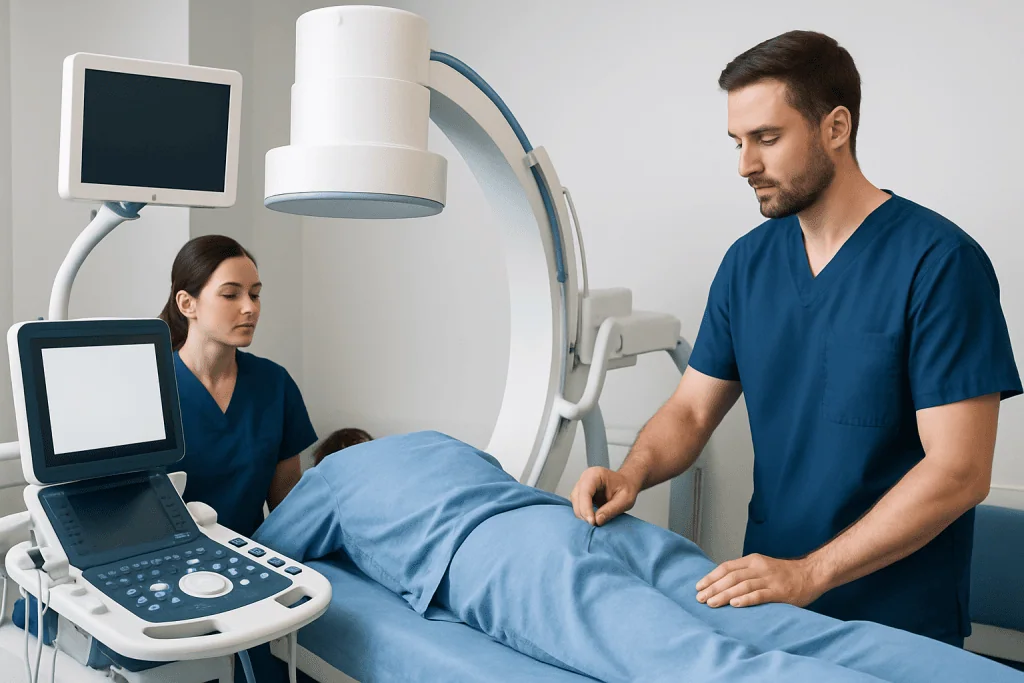
The goal of a celiac plexus block is to interrupt pain signals before they reach the brain. By reducing nerve transmission from the upper abdominal organs, the procedure may lessen deep, persistent abdominal pain that can radiate through to the back. It does not remove a tumor, cure pancreatitis, or correct other causes of abdominal disease.
It is most often considered for pain related to pancreatic cancer and other upper abdominal cancers. It can also be considered for chronic pancreatitis or selected non-cancer pain conditions when symptoms remain severe despite an individualized medication plan. Pain arising from the lower abdomen, pelvis, skin, muscles, or spine may not respond because it travels through different nerve pathways.
Celiac plexus block effectiveness differs according to the condition, the source of pain, procedure technique, and individual response. Some people have meaningful pain reduction within hours or days; others experience limited or temporary benefit. A pain specialist reviews the expected benefits in the context of each person’s diagnosis, imaging findings, overall health, and treatment goals.
Who may be a candidate?

Potential candidates usually have substantial upper abdominal pain that is affecting sleep, eating, mobility, mood, or daily activities despite appropriate medical care. For a person with pancreatic cancer, an earlier discussion may be helpful when pain is escalating or when opioid-related effects such as constipation, nausea, drowsiness, or confusion are becoming difficult to manage.
Before recommending a block, the clinical team assesses the cause and location of pain, current medicines, allergy history, medical conditions, and recent imaging. Blood tests may be needed to check clotting and platelet levels. The clinician also reviews whether the person uses anticoagulants, antiplatelet medicines, diabetes medicines, or supplements that can increase bleeding risk; these should never be stopped without instructions from the prescribing clinician.
A celiac plexus block may not be appropriate in the presence of an untreated infection, an uncorrected bleeding disorder, unstable medical illness, or certain anatomical concerns. The procedure can sometimes be adapted, but a specialist needs to weigh its potential value and risks carefully. People with abdominal pain may also need evaluation and treatment for related conditions such as pancreatic cancer or chronic pancreatitis.
What happens during a celiac plexus block procedure?
The procedure is commonly performed in a hospital or outpatient interventional pain setting. The patient is asked not to eat or drink for a specified period if sedation is planned. On arrival, staff check vital signs, review consent, confirm medicines and allergies, and establish intravenous access when needed. Sedation may be offered, although some blocks are performed with local anesthetic and light sedation only.
The patient may lie on the stomach, side, or back depending on the selected approach. The skin is cleaned and numbed. Using CT, fluoroscopy, ultrasound, or endoscopic ultrasound guidance, the clinician advances a fine needle toward the area around the celiac plexus. Contrast dye may be used in some techniques to confirm needle position before medication is injected.
The injection may include local anesthetic, a steroid in selected non-cancer circumstances, or a neurolytic agent for longer-lasting cancer pain relief. An endoscopic ultrasound-guided approach may be performed through the stomach during an endoscopy. The exact approach is chosen based on anatomy, diagnosis, available expertise, and safety considerations.
A formal celiac plexus block procedure note is part of the medical record. It typically documents the indication, imaging method, medications used, needle placement, immediate response, complications if any, and post-procedure plan. Patients can ask their care team how the procedure will be performed and what type of injection is recommended in their situation.
Benefits, limits, and possible risks
The main potential benefit is reduced upper abdominal pain. When successful, a block may improve comfort, sleep, appetite, activity, and ability to participate in cancer treatment or rehabilitation. Some people may be able to lower their dose of opioid pain medicine, although any medication change should be guided by the treating clinician and should not be assumed after the procedure.
Relief can be immediate after a local anesthetic injection, but the duration is variable. Neurolytic procedures may provide relief for weeks or months, while disease progression can lead to new or recurring pain. A temporary diagnostic block may help indicate whether a longer-lasting intervention is likely to be useful, but it does not predict benefit perfectly.
Temporary low blood pressure and diarrhea are relatively common because the celiac plexus also influences parts of the autonomic nervous system. Back soreness, bruising, or short-lived pain at the injection site may occur. The care team monitors the person after the procedure and gives instructions about fluids, standing slowly, and symptom monitoring.
Serious complications are uncommon but can include bleeding, infection, injury to nearby organs or blood vessels, allergic reaction, nerve injury, or unintended effects on leg strength. Imaging guidance and careful patient selection help lower these risks, but cannot remove them completely. A balanced celiac plexus block review should recognize both its potential for meaningful pain relief and its limitations.
Recovery and self-care after the injection
After the procedure, patients are observed while sedation wears off and blood pressure is checked. Many return home the same day, but they need a responsible adult to accompany them if sedating medicines were used. Driving, alcohol, important decisions, and strenuous activity should generally be avoided for the rest of that day, or longer if the treating team advises it.
It is common to have mild tenderness at the injection site for a short period. People should follow their discharge instructions about eating, drinking, bathing, activity, and use of usual pain medicines. Keeping a simple pain diary for several days can help the team assess changes in pain intensity, sleep, function, medication needs, bowel symptoms, and possible side effects.
Managing the underlying cause of pain remains essential. Depending on the diagnosis, care may include oncology treatment, gastroenterology support, nutrition advice, palliative care, physical therapy, and emotional support. A celiac plexus block works best as one component of coordinated symptom management, rather than as a replacement for disease-directed care.
For international patients, Acibadem International’s multidisciplinary specialists and JCI-accredited hospitals can assess complex abdominal pain and coordinate appropriate diagnostic and interventional care. A qualified pain specialist can explain whether a celiac plexus block is suitable after reviewing the individual clinical picture.
When to seek medical care
Patients should contact their treating team promptly if pain worsens significantly after the expected short-term soreness has passed, if diarrhea is severe or persistent, or if dizziness continues despite resting and drinking fluids as advised. They should also report new numbness, weakness, difficulty walking, trouble passing urine, fever, chills, increasing redness or swelling at the injection site, or vomiting that prevents adequate fluid intake.
Urgent medical care is needed for chest pain, fainting, severe or rapidly worsening abdominal or back pain, breathing difficulty, confusion, heavy bleeding, black stools, or signs of a severe allergic reaction such as swelling of the face or throat. These symptoms are not expected after a routine procedure and should not be managed by waiting at home.
Before the procedure, people should seek medical advice if they develop a new infection, fever, or unexpected illness, or if there is any uncertainty about blood-thinning medicines. Clear communication with the pain, oncology, gastroenterology, and primary care teams supports safer planning and better continuity of care.
Frequently asked questions
Is a celiac plexus block the same as a celiac plexus neurolysis?
They are related but not identical. A block usually uses anesthetic, sometimes with other medication, to temporarily reduce pain signaling. Neurolysis uses a chemical agent, often alcohol or phenol, to create a longer-lasting interruption of the nerve pathway and is more often used for cancer-related pain.
How long does pain relief from a celiac plexus block last?
The duration varies widely. A temporary block may help for hours, days, or longer, while neurolysis may provide relief for weeks or months in some people. The underlying disease and the specific source of pain influence how long benefit lasts.
Is the celiac plexus block procedure painful?
The skin is numbed before needle placement, and sedation is often available depending on the clinical setting. Some pressure or temporary discomfort can still occur while the needle is positioned or medication is injected. The team monitors comfort and can discuss pain-control options in advance.
Can a celiac plexus block reduce opioid use?
For some patients, effective pain reduction can allow opioid doses to be reduced. This is not guaranteed, and medicines should only be adjusted with guidance from the prescribing clinician. Opioids may still be needed for breakthrough pain or pain from other sources.
What is meant by celiac plexus block NCBI information?
NCBI is the National Center for Biotechnology Information, which provides access to scientific literature and medical resources, including reviews of celiac plexus block techniques and evidence. Published evidence is useful for understanding general benefits and risks, but it cannot determine whether the procedure is appropriate for one individual. A specialist should interpret research in the context of the person’s diagnosis and health status.
How soon can someone eat and resume normal activities?
Instructions vary according to sedation, the procedure approach, and individual health needs. Many people can resume light meals and gentle activity after the observation period, but should avoid driving and strenuous activity on the day of sedation. The treating team’s written discharge advice should take priority.
References
- National Cancer Institute
- American Society of Regional Anesthesia and Pain Medicine
- Society of Interventional Radiology
- National Center for Biotechnology Information
- American Cancer Society
This article is for general information only and is not a substitute for professional medical advice. Please consult a qualified doctor about your individual situation.
Persistent digestive symptoms? Get evaluated in Turkey
JCI-accredited · board-certified surgeons · reply within 24h
Add us as a Preferred Source to see more of our trusted health content across Google Search, AI Overviews and Discover.