Cellular Therapy for Cancer: A Patient Guide

Cellular therapy for cancer uses modified or selected living cells to help the immune system attack cancer. CAR T-cell therapy is one of the best-known forms of cellular therapy, especially for certain blood cancers.
Key Takeaways
- Cellular therapy for cancer uses modified or selected living cells to help the immune system attack cancer.
- CAR T-cell therapy is one of the best-known forms of cellular therapy, especially for certain blood cancers.
- Not every cancer or every patient is suitable for cellular therapy, so careful testing and specialist evaluation are needed.
- Treatment can cause significant side effects, but patients are closely monitored and supportive care is available.
- Follow-up is an important part of care to check response, recovery, and long-term health.
Cellular therapy for cancer is a type of treatment that uses living cells, often immune cells, to recognize and fight cancer. This patient guide explains how it works, who may benefit, possible side effects, and what to expect before, during, and after treatment.
Overview of Cellular Therapy for Cancer
Cellular therapy for cancer is a treatment approach that uses living cells to help the body identify and destroy cancer cells. In many cases, the cells come from the patient’s own immune system. These cells may be collected, changed or expanded in a laboratory, and then returned to the body to improve the immune response against cancer.
This treatment belongs to the broader field of cancer immunotherapy. Unlike chemotherapy, which directly targets rapidly dividing cells, cellular therapy aims to strengthen or redirect the immune system. Some cellular therapies help immune cells better recognize cancer, while others increase the number of cancer-fighting cells in the body.
One of the most well-known examples is CAR T-cell therapy, which engineers T cells to find specific targets on cancer cells. Other forms include tumor-infiltrating lymphocyte therapy, donor immune cell infusions in selected settings, and investigational therapies being studied in clinical trials. Cellular therapy is an evolving area of oncology, and its role continues to grow as research advances.
How Cellular Therapy Works
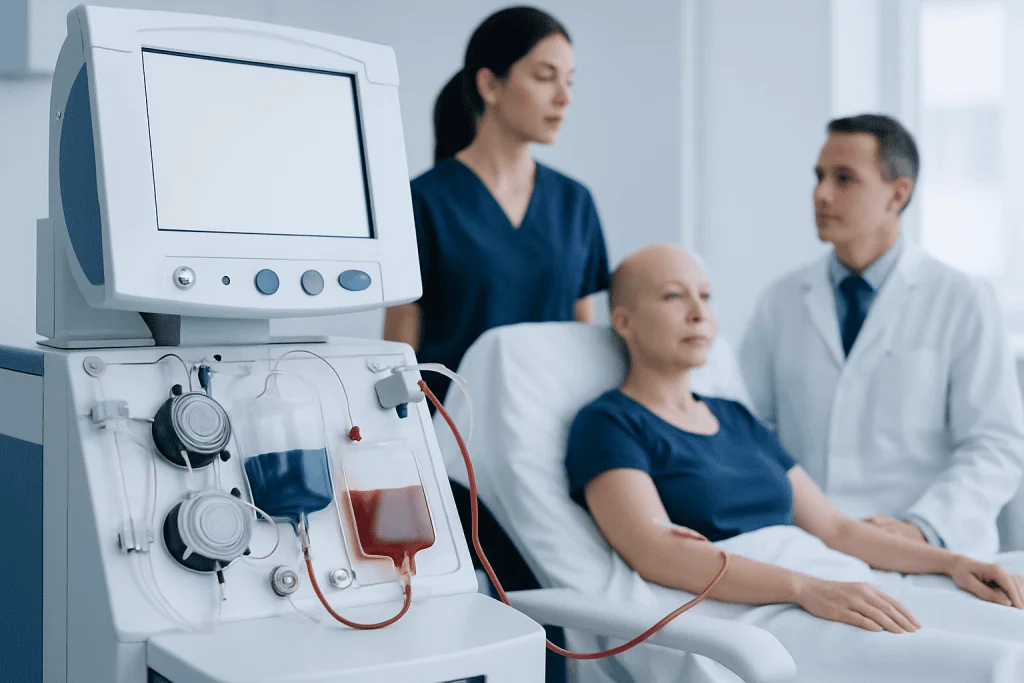
The immune system naturally looks for abnormal cells, including some cancer cells. However, cancer can sometimes avoid immune detection or suppress immune activity. Cellular therapy is designed to overcome this problem by giving the immune system more effective tools.
In a common process, doctors first collect immune cells, often T cells, from the patient’s blood. In the laboratory, these cells may be selected, multiplied, or genetically modified so they can better recognize cancer. The treated cells are then infused back into the patient, where they can seek out and attack cancer cells.
The exact process depends on the type of therapy. Some treatments focus on blood cancers such as leukemia, lymphoma, or myeloma. Others are being studied for solid tumors. Because the treatment is highly specialized, patients usually need care from a multidisciplinary team that may include medical oncologists, hematologists, transplant specialists, pathologists, and intensive supportive care teams.
- Cells may come from the patient or, in selected cases, from a donor.
- Some therapies use genetic engineering to improve cancer targeting.
- Preparation may include chemotherapy before the cell infusion.
- Close monitoring is needed after treatment because side effects can develop quickly.
Who May Benefit and Which Cancers Are Treated
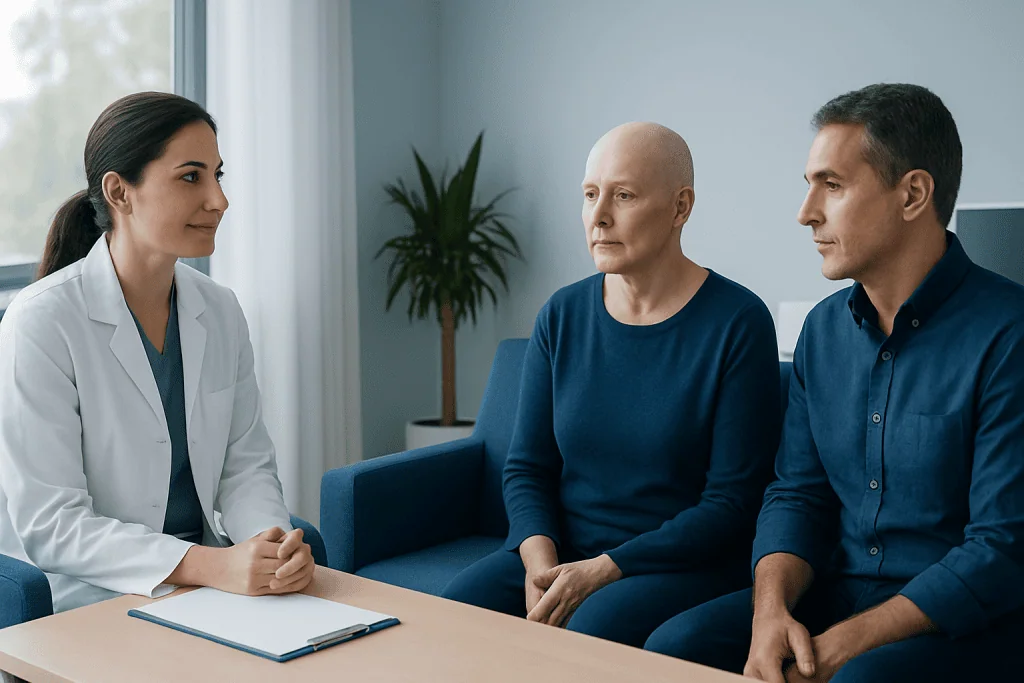
Cellular therapy is not a standard option for every type of cancer. At present, it is most established for certain blood cancers, particularly some forms of leukemia, lymphoma, and multiple myeloma. Doctors may consider it when the cancer has come back after treatment, has not responded as expected, or requires a highly specialized approach.
Eligibility depends on several factors. These include the exact cancer type and subtype, previous treatments, overall health, organ function, infection status, and whether the cancer carries a target that the therapy can recognize. Age alone does not always determine suitability, but a patient must be well enough to safely undergo treatment and monitoring.
For some people, cellular therapy may be discussed alongside other advanced treatments such as bone marrow transplant. In blood cancers, the care team may compare benefits, timing, and risks of each option. For patients with conditions such as leukemia or lymphoma, treatment planning is individualized and often guided by test results, prior response to therapy, and expert review.
Assessment and Diagnosis Before Treatment
Before cellular therapy begins, patients usually have a detailed assessment to confirm the diagnosis and determine whether the treatment is appropriate. This process may include blood tests, bone marrow studies, imaging, heart and lung evaluation, and infection screening. Doctors also review current symptoms, previous treatments, and any other medical conditions.
Testing helps the team understand the cancer’s behavior and whether there is a suitable target for therapy. In some cases, specialized laboratory tests are used to analyze cancer markers, immune cell features, or genetic changes. These details can influence whether a patient is likely to benefit from a specific cellular therapy.
Because timing matters, doctors may recommend additional treatment while the personalized cells are being prepared. This is sometimes called bridging therapy. Patients and families are also prepared for what to expect during admission, follow-up, possible side effects, and the need for a caregiver during recovery. Clear communication is an important part of safe care.
What Treatment Involves
The treatment journey often starts with collecting cells from the blood in a procedure called apheresis. This is usually done through a vein or a special line. The collected cells are sent to a laboratory, where they are processed according to the planned therapy. This step can take time, especially for personalized products.
Before the cell infusion, many patients receive a short course of chemotherapy to reduce certain immune cells and make space for the new therapeutic cells to work. After that, the prepared cells are given back through an infusion, similar to receiving medication through a drip. The infusion itself is often brief, but the observation period afterward is very important.
Some patients are monitored in hospital, while others may have part of their care as outpatients, depending on the therapy and the center’s protocol. Follow-up includes regular visits, blood tests, and checks for signs of response or complications. In certain situations, related supportive treatments such as stem cell transplant may be part of the wider cancer care pathway, though this depends on the diagnosis and treatment goals.
Benefits, Risks, and Possible Side Effects
For selected patients, cellular therapy can offer meaningful disease control when other treatments have not worked well enough. In some cases, it can lead to deep responses. It is considered an important option in modern oncology because it uses a different strategy from chemotherapy, radiation therapy, or standard targeted drugs.
At the same time, cellular therapy can cause serious side effects and requires expert monitoring. One of the best-known complications is cytokine release syndrome, an inflammatory reaction that can cause fever, low blood pressure, and breathing or heart-related symptoms. Another possible complication is immune-related effects on the brain and nervous system, which may cause confusion, headache, speech changes, tremor, or drowsiness. These problems can often be treated, but they need rapid medical attention.
Other side effects may include fatigue, infection risk, low blood counts, nausea, poor appetite, and the need for transfusions or antibiotics. Recovery varies from person to person. The care team explains the warning signs to watch for and gives a clear plan for when to seek urgent medical help.
- Benefits depend on the cancer type, previous treatment history, and individual response.
- Short-term side effects may appear days to weeks after infusion.
- Some patients need intensive observation or hospital care during recovery.
- Long-term follow-up helps detect delayed effects and monitor cancer control.
Recovery, Self-Care, and Long-Term Follow-Up
Recovery after cellular therapy is a gradual process. Patients are often advised to stay close to the treatment center for a period after infusion in case symptoms develop. Energy levels may be lower than usual, and normal routines may need to be reduced temporarily. Rest, balanced nutrition, hydration, and careful infection prevention are usually recommended.
Because the immune system may be weakened for some time, patients may need to avoid crowded settings, practice good hand hygiene, and follow advice about food safety and vaccinations. The care team may also give instructions about driving, returning to work, travel, and when it is safe to resume usual activities. Family support can be very helpful during this period.
Long-term follow-up is an essential part of treatment. Doctors monitor blood counts, organ function, immune recovery, and signs that the cancer is responding or returning. Patients should keep all scheduled appointments and report any new symptoms promptly. Near the end of the care pathway, some people may seek evaluation at experienced international centers; Acibadem International’s multidisciplinary specialists and JCI-accredited hospitals diagnose and treat cancer conditions, including selected patients who may need advanced cell-based therapies.
When to Speak With a Doctor
Anyone considering cellular therapy for cancer should speak with a qualified oncology team to understand whether it is a suitable option. This is especially important for people with relapsed or hard-to-treat blood cancers, those seeking a second opinion, or those who want to know whether a clinical trial may be appropriate.
After treatment, urgent medical advice is needed for fever, chills, confusion, severe weakness, trouble breathing, chest symptoms, seizures, unusual sleepiness, or signs of infection. Even symptoms that seem mild can become important after cellular therapy, so patients should follow the emergency instructions given by their care team.
Questions are encouraged throughout the process. Patients may wish to ask about expected benefits, possible risks, the length of treatment, likely time in hospital, caregiver needs, and long-term follow-up. A clear discussion with specialists helps patients make informed decisions that fit their diagnosis, goals, and overall health.
Frequently asked questions
What is cellular therapy for cancer in simple terms?
Cellular therapy for cancer uses living cells, usually immune cells, to help the body find and attack cancer. The cells may be collected from the patient, changed or expanded in a lab, and then returned as treatment.
Is CAR T-cell therapy the same as cellular therapy?
CAR T-cell therapy is one type of cellular therapy, but it is not the only one. Cellular therapy is a broader term that includes different approaches using immune or other therapeutic cells.
Which cancers are most often treated with cellular therapy?
Cellular therapy is most commonly used for certain blood cancers, such as some leukemias, lymphomas, and multiple myeloma. Its use in solid tumors is still developing and may depend on clinical trial access or highly specialized programs.
How long does cellular therapy take?
The full process can take several weeks or longer, depending on the treatment type. Time is needed for testing, cell collection, laboratory preparation, the infusion itself, and close monitoring afterward.
What are the main risks of cellular therapy for cancer?
Important risks include inflammatory reactions such as cytokine release syndrome, nervous system side effects, infections, and low blood counts. Because these complications can be serious, treatment is given with careful specialist monitoring.
Will a patient need to stay in the hospital?
Some patients stay in the hospital for part of the treatment or recovery period, while others may have some care as outpatients. The decision depends on the type of therapy, the patient’s condition, and the treatment center’s protocol.
Can cellular therapy cure cancer?
For some patients, cellular therapy can lead to a very strong response, and in selected cases the response may be long-lasting. However, results vary, and no treatment can guarantee a cure, so ongoing follow-up is essential.
References
- National Cancer Institute
- American Cancer Society
- Leukemia & Lymphoma Society
- European Society for Medical Oncology
- World Health Organization
This article is for general information only and is not a substitute for professional medical advice. Please consult a qualified doctor about your individual situation.
Oncology care in Turkey — second opinion and treatment plan
JCI-accredited · board-certified surgeons · reply within 24h
Add us as a Preferred Source to see more of our trusted health content across Google Search, AI Overviews and Discover.