Central Nervous System Lymphoma Cancer: Symptoms, Causes, and Treatment Options

Central nervous system lymphoma cancer usually begins in the brain, spinal cord, meninges, or eye rather than spreading there from another site. Symptoms vary by the area affected and may include headaches, memory changes, weakness, balance problems, seizures, or visual symptoms.
Key Takeaways
- Central nervous system lymphoma cancer usually begins in the brain, spinal cord, meninges, or eye rather than spreading there from another site.
- Symptoms vary by the area affected and may include headaches, memory changes, weakness, balance problems, seizures, or visual symptoms.
- Diagnosis often combines MRI, eye examination when needed, laboratory tests, and a biopsy to confirm the lymphoma type.
- Treatment commonly centers on high-dose chemotherapy, with radiation, targeted medicines, or stem cell transplant considered in selected cases.
- Prompt medical evaluation is important because early treatment planning can help protect neurological function and quality of life.
Central nervous system lymphoma cancer is a rare type of non-Hodgkin lymphoma that starts in the brain, spinal cord, the tissues around them, or sometimes the eye. It can cause neurological symptoms such as headaches, weakness, confusion, or vision changes, and treatment often involves specialized chemotherapy, imaging, and close care from neurology, oncology, and radiology teams.
Overview
Central nervous system lymphoma cancer is a rare cancer of the lymphatic system that develops in the brain, spinal cord, the membranes covering the brain and spinal cord, or the eye. In most cases, it refers to primary central nervous system lymphoma, meaning the lymphoma starts in these areas rather than spreading from somewhere else in the body. It is most often a type of diffuse large B-cell lymphoma, a subtype of non-Hodgkin lymphoma.
This condition can be challenging because its symptoms often resemble those of other neurological disorders. A person may first notice headaches, changes in thinking, weakness, problems with balance, or blurred vision. Because these symptoms are not specific, careful assessment is needed to distinguish central nervous system lymphoma cancer from infections, inflammatory disorders, stroke, or other brain tumors.
Unlike many cancers that are discussed mainly by where they spread, this disease is understood by where it begins and how it affects brain and nerve function. That makes diagnosis and treatment especially dependent on collaboration between specialists in neurology, oncology, radiology, pathology, and sometimes ophthalmology. In some situations, doctors also evaluate whether findings could be related to other brain tumors or to a lymphoma that began elsewhere in the body.
Symptoms and how they may appear
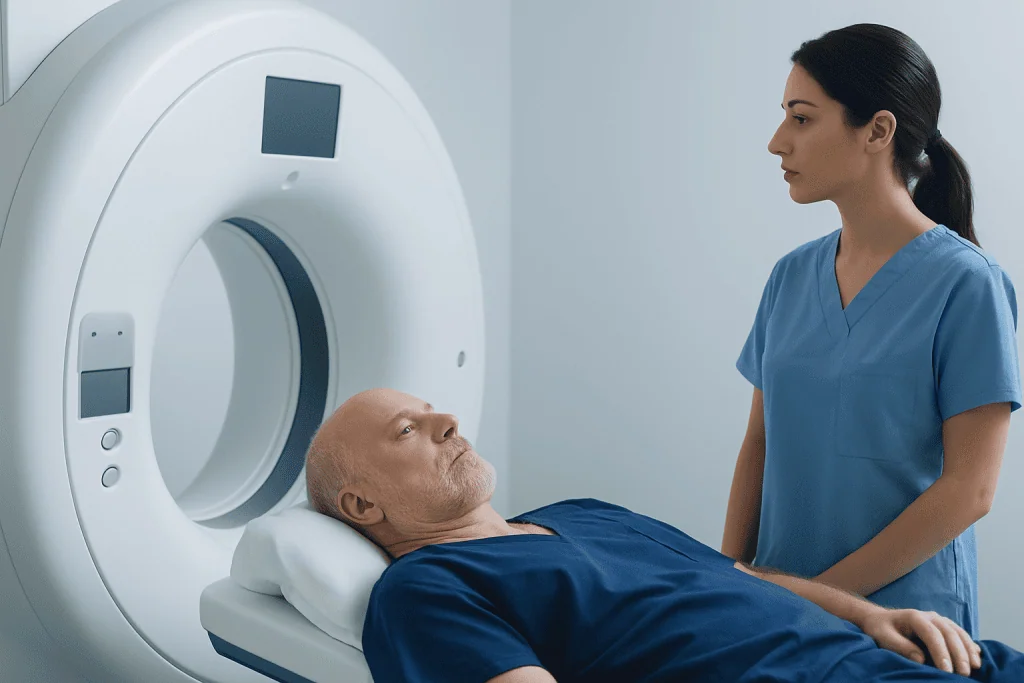
Symptoms of central nervous system lymphoma cancer depend on the location and size of the affected area. Problems may begin gradually over days to weeks, though sometimes they seem to worsen more quickly than other neurological conditions. Many people experience a combination of symptoms rather than a single clear sign.
Common symptoms can include persistent headaches, nausea, vomiting, confusion, memory problems, personality or behavior changes, speech difficulties, weakness on one side of the body, numbness, unsteady walking, or seizures. If the eye is involved, symptoms may include blurred vision, floaters, eye pain, or reduced vision. When the spinal cord or its coverings are affected, back pain, leg weakness, or bowel and bladder changes can occur.
Because the brain controls many body functions, the symptom pattern can vary widely. Some people mainly notice cognitive changes, while others first seek care for difficulty walking or new vision problems. It is also possible for symptoms to overlap with conditions such as lymphoma outside the central nervous system or with other neurological illnesses, which is one reason accurate testing is so important.
- Headache that is new, persistent, or worsening
- Weakness, numbness, or coordination problems
- Memory loss, confusion, or personality changes
- Seizures
- Blurred vision or floaters
- Speech or balance difficulties
Causes and risk factors

The exact cause of central nervous system lymphoma cancer is not fully understood. Like other lymphomas, it develops when certain lymphocytes, most commonly B cells, begin to grow and divide abnormally. These cells can form tumors within the central nervous system and disrupt normal brain, spinal cord, or eye function.
Although anyone can develop this disease, some factors are linked with higher risk. A weakened immune system is one of the best recognized risk factors. This may be related to conditions that affect immunity, medicines used after organ transplantation, or other causes of immunosuppression. However, many people diagnosed with primary CNS lymphoma do not have a clearly weakened immune system.
Age also plays a role, as the disease is more often diagnosed in older adults, though it can occur at different ages. Researchers continue to study the biological changes inside lymphoma cells that allow them to survive in the central nervous system. While family history may influence cancer risk in general, central nervous system lymphoma cancer is not usually thought of as a strongly inherited disease.
How central nervous system lymphoma cancer is diagnosed
Diagnosis usually starts with a neurological examination and brain imaging. MRI with contrast is often the most useful first imaging test because it can show the location, size, and appearance of suspicious lesions. Additional scans may be used to learn whether disease is present elsewhere in the body and to help plan the next steps safely.
A confirmed diagnosis usually requires tissue or cell sampling. In many cases, this means a brain biopsy performed by a neurosurgical team. If the eye is involved, an ophthalmic evaluation and specialized sampling may be needed. Cerebrospinal fluid obtained through lumbar puncture can sometimes provide important information, although it does not always confirm the diagnosis by itself.
Doctors are careful to avoid treatments that could make biopsy interpretation more difficult unless they are urgently needed. Laboratory studies may include blood tests, HIV testing when appropriate, and evaluation for infection or systemic lymphoma. Depending on the case, imaging support such as MRI and tissue confirmation through biopsy are central to distinguishing this cancer from metastases, inflammation, infection, or other primary brain lesions.
Once lymphoma is confirmed, staging and functional assessment help guide treatment. This may include eye examination, body imaging, and tests of kidney function or general fitness because these influence chemotherapy planning. A clear diagnosis is essential, as treatment for central nervous system lymphoma cancer differs from the management of many other brain cancers.
Treatment options
Treatment for central nervous system lymphoma cancer is individualized, but high-dose chemotherapy is often the main approach. Doctors commonly use medicines that can reach the central nervous system effectively, since not all cancer drugs cross the blood-brain barrier well. Treatment is usually delivered by a multidisciplinary team with experience in both lymphoma and neurological care.
Depending on the person’s age, general health, kidney function, and disease extent, treatment may include chemotherapy alone or chemotherapy combined with other approaches. In selected cases, targeted therapies, immunotherapy, radiation therapy, or consolidation with stem cell transplant may be considered. Corticosteroids can reduce swelling and improve symptoms, but they are used thoughtfully because they can sometimes shrink lymphoma temporarily before a biopsy is obtained.
Radiation therapy may be considered in some situations, especially if disease returns, symptoms need control, or chemotherapy is not suitable. Supportive care is also important and may include seizure management, physical rehabilitation, measures to reduce swelling, and help with memory or mobility issues. Some patients may be candidates for advanced oncology services such as chemotherapy or carefully selected radiation therapy as part of an overall treatment plan.
Follow-up is an important part of treatment because response must be monitored over time. Repeat MRI scans, neurological assessment, and sometimes ophthalmologic evaluation help determine how well treatment is working and whether adjustments are needed. The goals are to control the lymphoma, preserve neurological function, and support quality of life.
Living with the condition: self-care and daily support
Living with central nervous system lymphoma cancer often involves more than treating the tumor itself. Symptoms can affect concentration, balance, speech, mood, and independence in daily tasks. Practical support from family, caregivers, rehabilitation teams, and mental health professionals can make a meaningful difference during treatment and recovery.
Helpful self-care steps may include keeping a written list of symptoms, medicines, and appointments; asking for help with transportation or household tasks when needed; and using memory aids such as reminders or calendars. People receiving treatment should speak with their care team before starting supplements or over-the-counter products, since these may interact with medicines or affect treatment plans.
Nutrition, sleep, hydration, and gentle activity can support overall well-being, though these do not replace medical treatment. Physical, occupational, and speech therapy may help with weakness, coordination, communication, or swallowing issues. If vision is affected, practical adaptations at home and specialist eye follow-up may also be helpful.
- Attend all scheduled imaging and follow-up visits
- Report new neurological symptoms promptly
- Ask about rehabilitation services early
- Use medication exactly as prescribed
- Seek emotional support when coping feels difficult
When to seek medical care
Medical care should be sought promptly for new or unexplained neurological symptoms, especially persistent headache, sudden weakness, confusion, seizures, difficulty speaking, trouble walking, or significant vision changes. These symptoms can have many causes, but they should not be ignored. Early assessment helps doctors identify whether the cause is central nervous system lymphoma cancer or another condition needing urgent treatment.
People already diagnosed with this disease should contact their medical team if symptoms worsen, new symptoms appear, or treatment side effects become difficult to manage. Fever, dehydration, unusual sleepiness, severe vomiting, or a rapid decline in thinking or mobility should be discussed without delay. If there are emergency warning signs such as a seizure, loss of consciousness, or sudden major neurological change, urgent emergency care is appropriate.
For international patients seeking specialist evaluation, Acibadem International’s multidisciplinary teams in JCI-accredited hospitals diagnose and treat complex neurological and oncological conditions, including central nervous system lymphoma cancer. Expert review can be especially helpful when pathology confirmation, treatment planning, or coordination between neurology, oncology, and neurosurgery is needed.
Frequently asked questions
Is central nervous system lymphoma cancer the same as brain cancer?
It is a type of cancer that affects the brain, spinal cord, meninges, or eye, but it begins in lymphocytes rather than in typical brain cells. So it is different from many other primary brain tumors, even though it can cause similar symptoms.
What is the difference between primary CNS lymphoma and lymphoma that spreads to the brain?
Primary CNS lymphoma starts in the central nervous system itself. Secondary involvement means lymphoma began elsewhere in the body and later spread to the brain, spinal cord, or related tissues, and the treatment approach may differ.
Can central nervous system lymphoma cancer be cured?
Some people respond very well to treatment and may achieve long periods without active disease. Outcomes vary based on age, overall health, immune status, response to therapy, and how extensive the disease is, so the treating team is best placed to discuss prognosis.
Why is a biopsy often needed?
Imaging can strongly suggest the diagnosis, but a biopsy usually provides the tissue confirmation needed to identify the exact lymphoma type. This helps doctors choose the most appropriate treatment and avoid using therapies meant for a different condition.
Are surgery and tumor removal common treatments?
Surgery is usually used mainly to obtain tissue for diagnosis rather than to remove the whole tumor. Because this lymphoma often responds better to chemotherapy-based treatment than to extensive surgical removal, complete resection is not typically the main strategy.
What side effects can treatment cause?
Side effects depend on the treatment used but may include fatigue, nausea, lowered blood counts, infection risk, and effects on memory or concentration. The care team monitors these closely and may adjust treatment or provide supportive therapies to reduce complications.
References
- National Cancer Institute
- National Comprehensive Cancer Network
- American Cancer Society
- World Health Organization
- Leukemia & Lymphoma Society
This article is for general information only and is not a substitute for professional medical advice. Please consult a qualified doctor about your individual situation.
Lymphoma in Turkey — costs, top hospitals & a free quote
JCI-accredited · board-certified surgeons · reply within 24h
Add us as a Preferred Source to see more of our trusted health content across Google Search, AI Overviews and Discover.

Medical Oncology Department
Medical treatment of cancer with chemotherapy, immunotherapy and targeted therapies under a multidisciplinary tumor board.
60 specialists in this unit