Central Nervous System: What Patients Need to Know

The central nervous system includes the brain and spinal cord. It controls movement, sensation, thought, memory, and many automatic body functions.
Key Takeaways
- The central nervous system includes the brain and spinal cord.
- It controls movement, sensation, thought, memory, and many automatic body functions.
- Symptoms of central nervous system problems can range from headaches and weakness to seizures, confusion, or changes in balance.
- Diagnosis may involve a neurological exam, imaging tests, and sometimes laboratory or spinal fluid studies.
- Treatment depends on the cause and may include medication, rehabilitation, surgery, or long-term monitoring.
- Urgent medical care is important for sudden symptoms such as severe weakness, seizures, or sudden confusion.
The central nervous system is the body’s control center, made up of the brain and spinal cord. It processes information, coordinates movement, supports thinking and memory, and helps regulate essential functions such as breathing, heartbeat, and balance.
Overview: What the Central Nervous System Does
The central nervous system is the part of the nervous system made up of the brain and spinal cord. In simple terms, it acts as the body’s main communication and control center. It receives information from the senses, interprets that information, sends signals to muscles and organs, and helps the body respond to the world around it.
The brain manages higher functions such as thinking, memory, language, emotion, and decision-making. It also oversees automatic tasks that people do not consciously control, including breathing patterns, sleep-wake cycles, and aspects of heart and hormone regulation. The spinal cord carries messages between the brain and the rest of the body and also helps coordinate reflexes.
Because the central nervous system is involved in nearly every body function, problems affecting it can appear in many different ways. A person may notice changes in movement, sensation, speech, coordination, mood, memory, or consciousness. Some conditions develop slowly over time, while others begin suddenly and need immediate attention.
How the Brain and Spinal Cord Work Together
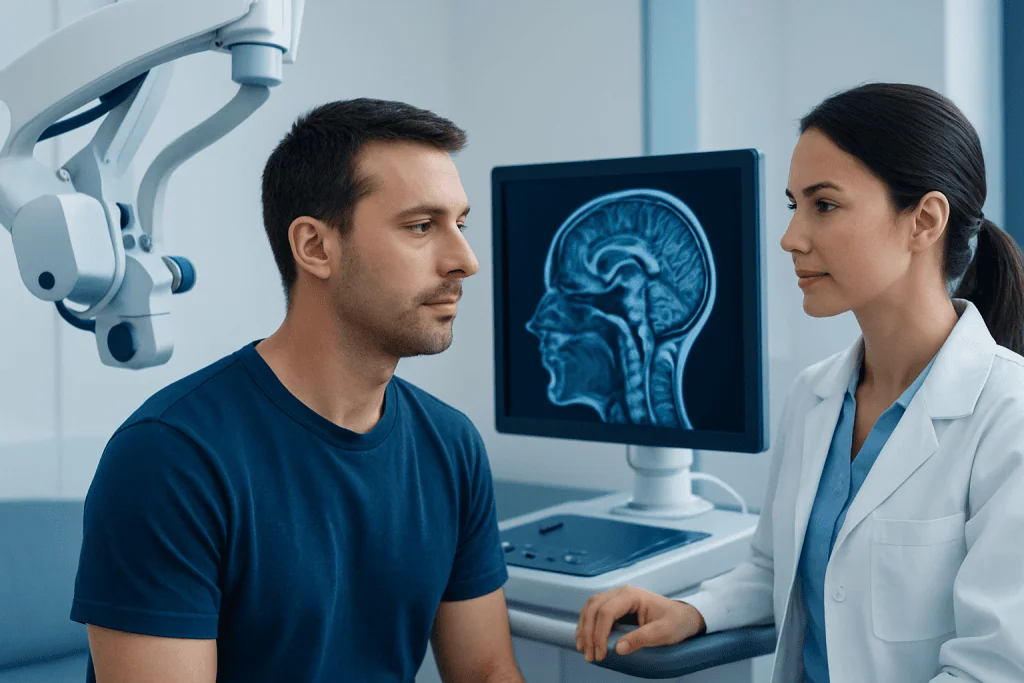
The brain and spinal cord do not work in isolation. They are part of a larger network that includes peripheral nerves, which connect the central nervous system to the limbs, skin, and internal organs. When someone touches a hot surface, for example, sensory nerves send a signal through the spinal cord to the brain, which recognizes danger and directs the body to move away.
Different areas of the brain have specialized roles. Some regions help control muscle movement, others process vision or hearing, and others support planning, learning, or emotional regulation. The spinal cord is organized into segments, and each segment helps relay signals to and from particular parts of the body. This is one reason why the location of a brain or spinal cord problem can affect the pattern of symptoms.
The central nervous system is protected by the skull, the vertebrae, layers of tissue called meninges, and cerebrospinal fluid. These structures help cushion delicate nerve tissue. Even so, infections, injuries, blood flow problems, autoimmune disease, tumors, and degenerative conditions can all affect how the system works.
Common Symptoms of Central Nervous System Problems

Symptoms related to the central nervous system vary widely because the brain and spinal cord control so many functions. Some symptoms are mild and temporary, while others may signal a more serious condition. A careful medical evaluation is important when symptoms are new, persistent, worsening, or affecting daily life.
Possible symptoms may include:
- Headache, especially if severe, new, or different from usual
- Weakness in the face, arm, or leg
- Numbness, tingling, or altered sensation
- Balance problems, dizziness, or trouble walking
- Vision changes, double vision, or loss of vision
- Speech or language difficulties
- Memory problems, confusion, or personality changes
- Seizures or episodes of loss of consciousness
- Tremor, stiffness, or involuntary movements
- Back pain with weakness, numbness, or bladder or bowel changes
Sometimes symptoms point to a specific type of problem. For example, sudden one-sided weakness or difficulty speaking may suggest a stroke, while gradual changes in memory may be related to a neurodegenerative disorder. Symptoms such as headache, fever, neck stiffness, and confusion can be associated with infections or inflammation involving the brain or its surrounding tissues.
Causes and Risk Factors
Central nervous system disorders can arise from many different causes. Vascular conditions affect blood flow to the brain or spinal cord and include stroke and bleeding in or around the brain. Infections may be caused by viruses, bacteria, fungi, or other organisms. Autoimmune and inflammatory conditions occur when the immune system mistakenly attacks the nervous system. Degenerative conditions can slowly damage nerve cells over time.
Other causes include traumatic injury, congenital conditions present from birth, metabolic disturbances, exposure to toxins, and growths such as brain or spinal tumors. Sometimes doctors identify a clear cause, while in other cases diagnosis takes time and several tests. Examples of conditions that affect the central nervous system include brain tumors and stroke.
Risk factors depend on the specific condition, but some broader factors increase the likelihood of nervous system disease. These may include older age, high blood pressure, diabetes, smoking, high cholesterol, infection exposure, immune system disorders, family history, head injury, or certain vitamin deficiencies. Managing general health risks can support nervous system health, even though not all conditions are preventable.
How Doctors Diagnose Central Nervous System Conditions
Diagnosis usually begins with a detailed medical history and neurological examination. A doctor may ask when symptoms started, how they have changed, whether they are constant or episodic, and whether there are any related symptoms such as fever, headache, weakness, falls, or memory changes. The neurological examination may assess strength, reflexes, sensation, coordination, vision, speech, balance, and mental status.
Imaging tests are often central to diagnosis. Magnetic resonance imaging may provide detailed views of the brain and spinal cord, while computed tomography can be especially useful in emergencies such as suspected bleeding or acute stroke. Depending on the situation, doctors may also use electroencephalography for seizures, nerve conduction studies, blood tests, or a lumbar puncture to examine cerebrospinal fluid.
Diagnosis sometimes requires input from more than one specialty. Neurologists, neurosurgeons, neuroradiologists, rehabilitation specialists, and other clinicians may work together to understand the cause and plan treatment. In selected situations, care may include advanced evaluation such as brain MRI, neurology evaluation, or neurosurgical care when structural disease is suspected.
Treatment Options and Long-Term Care
There is no single treatment for all central nervous system disorders. Treatment depends on the cause, the area affected, the severity of symptoms, and the patient’s overall health. Some conditions are treated with medication, such as anti-seizure drugs, anti-inflammatory therapies, antibiotics, or medicines that help manage symptoms like spasticity, pain, or tremor.
Other conditions may require procedures or surgery, especially when there is a tumor, bleeding, pressure on the spinal cord, or a structural abnormality. Rehabilitation is often an important part of care. Physical therapy, occupational therapy, speech therapy, and cognitive rehabilitation can help people regain function, improve safety, and adapt to changes in mobility or daily activities.
Long-term follow-up may be needed for chronic conditions such as multiple sclerosis, epilepsy, movement disorders, or progressive memory disorders. Treatment goals may include controlling disease activity, preventing complications, preserving independence, and supporting quality of life. Near the end of the care pathway, some patients may benefit from coordinated specialty care; Acibadem International’s multidisciplinary specialists in JCI-accredited hospitals diagnose and treat central nervous system conditions for international patients.
Prevention and Self-Care for Nervous System Health
Not every central nervous system condition can be prevented, but healthy habits can lower the risk of some disorders and support overall brain and spinal cord health. Managing blood pressure, blood sugar, and cholesterol is especially important for reducing the risk of stroke and vascular damage. Avoiding tobacco and limiting alcohol may also help protect the nervous system.
Regular physical activity, balanced nutrition, restorative sleep, and social and mental engagement can support brain health over time. Wearing seat belts, using helmets when appropriate, and taking steps to prevent falls can reduce the risk of head and spinal injuries. Good infection prevention, including hand hygiene and recommended vaccinations, may also reduce certain nervous system infections.
Self-care is helpful, but it should not replace medical evaluation for concerning symptoms. New neurological symptoms deserve attention, particularly when they interfere with walking, speaking, memory, or independent daily function. For people with an established neurological diagnosis, following the treatment plan, attending follow-up visits, and discussing any medication side effects can help improve day-to-day management.
When to Seek Medical Care
Medical care should be sought promptly for any new or unexplained neurological symptom. Even symptoms that seem mild at first can become more important if they recur, worsen, or appear alongside other changes such as fever, severe headache, or confusion. Early assessment can help clarify the cause and guide timely treatment.
Urgent or emergency care is especially important for symptoms such as sudden weakness on one side, new facial drooping, difficulty speaking, a seizure, sudden severe headache, sudden loss of vision, loss of consciousness, or trouble walking that starts abruptly. Severe back or neck pain with weakness, numbness, or loss of bladder or bowel control also needs immediate evaluation.
If symptoms are not sudden but continue over days or weeks, a person should still arrange a medical review. Persistent headaches, increasing forgetfulness, numbness, tremor, changes in balance, or ongoing pain may require neurological assessment. Timely diagnosis can make treatment more effective and may help prevent complications.
Frequently asked questions
What is the central nervous system?
The central nervous system is made up of the brain and spinal cord. It processes information, controls movement and sensation, and helps regulate thinking, memory, mood, and many automatic body functions.
What symptoms can suggest a central nervous system problem?
Symptoms can include headaches, weakness, numbness, balance problems, seizures, confusion, speech difficulty, or vision changes. The exact symptoms depend on which part of the brain or spinal cord is affected and how suddenly the problem develops.
Are all central nervous system symptoms emergencies?
Not all symptoms are emergencies, but some need immediate care. Sudden weakness, sudden confusion, seizures, severe new headache, or sudden trouble speaking or seeing should be treated as urgent warning signs.
How are central nervous system disorders diagnosed?
Doctors usually begin with a medical history and neurological examination. Depending on the symptoms, they may recommend imaging tests such as MRI or CT, blood tests, EEG, or spinal fluid testing.
Can central nervous system disorders be treated?
Many central nervous system disorders can be treated or managed, although the approach depends on the cause. Treatment may involve medication, rehabilitation, surgery, or regular follow-up to monitor changes over time.
Can lifestyle changes help protect the central nervous system?
Healthy habits can support brain and spinal cord health, even though they cannot prevent every disorder. Managing blood pressure and diabetes, staying active, sleeping well, eating a balanced diet, and avoiding smoking are all helpful steps.
References
- World Health Organization
- National Institute of Neurological Disorders and Stroke
- Centers for Disease Control and Prevention
- National Institute on Aging
- Mayo Clinic
This article is for general information only and is not a substitute for professional medical advice. Please consult a qualified doctor about your individual situation.
Joint and spine care in Turkey — expert assessment & treatment
JCI-accredited · board-certified surgeons · reply within 24h
Add us as a Preferred Source to see more of our trusted health content across Google Search, AI Overviews and Discover.

More from the Health Library

Fistula Operation: A Complete Medical Overview

Mucuna Pruriens: An Evidence-Based Guide for Patients

Juice Cleanse — Explained by Medical Evidence, Not Myths

Condom Catheter — Explained by Medical Evidence, Not Myths

How to loosen a bowel blockage at home? A Doctor-Reviewed Answer