Central Sleep Apnea: How It Differs From Obstructive Sleep Apnea

Central sleep apnea happens when breathing pauses because of reduced or unstable brain signaling during sleep. Obstructive sleep apnea is different because the airway collapses or becomes blocked even though the body is trying to breathe.
Key Takeaways
- Central sleep apnea happens when breathing pauses because of reduced or unstable brain signaling during sleep.
- Obstructive sleep apnea is different because the airway collapses or becomes blocked even though the body is trying to breathe.
- Common symptoms include fragmented sleep, daytime tiredness, morning headaches, and witnessed pauses in breathing.
- Diagnosis usually requires a medical evaluation and a sleep study to identify the type and pattern of apnea.
- Treatment focuses on the underlying cause and may include positive airway pressure, oxygen, or other device-based therapies.
- Anyone with sleep-related breathing symptoms, heart failure, stroke history, or opioid use should discuss concerns with a doctor.
Central sleep apnea is a sleep-related breathing disorder in which breathing repeatedly slows or stops because the brain does not consistently send the proper signals to the breathing muscles. It differs from obstructive sleep apnea, where airflow is blocked despite ongoing breathing effort.
Overview
Central sleep apnea is a disorder in which breathing repeatedly becomes shallow or stops for short periods during sleep because the brain does not reliably send the signals needed to keep breathing regular. During these pauses, the airway may remain open, but the normal drive to breathe temporarily decreases or disappears. This makes central sleep apnea different from obstructive sleep apnea, where the airway narrows or collapses even though the person is still making an effort to breathe.
Breathing during sleep is controlled by a complex system involving the brain, nerves, lungs, chest muscles, and blood levels of oxygen and carbon dioxide. In central sleep apnea, this control system becomes unstable. The result can be repeated awakenings, drops in oxygen levels, and poor-quality sleep even if the person does not fully remember waking up.
Central sleep apnea can occur on its own, but it is often linked to another medical issue such as heart failure, stroke, certain neurological conditions, high-altitude exposure, or the use of opioid pain medicines. It may also appear during treatment for obstructive sleep apnea, a pattern sometimes called treatment-emergent central sleep apnea. A careful evaluation is important because treatment depends on the type and cause of the problem.
How Central Sleep Apnea Differs From Obstructive Sleep Apnea
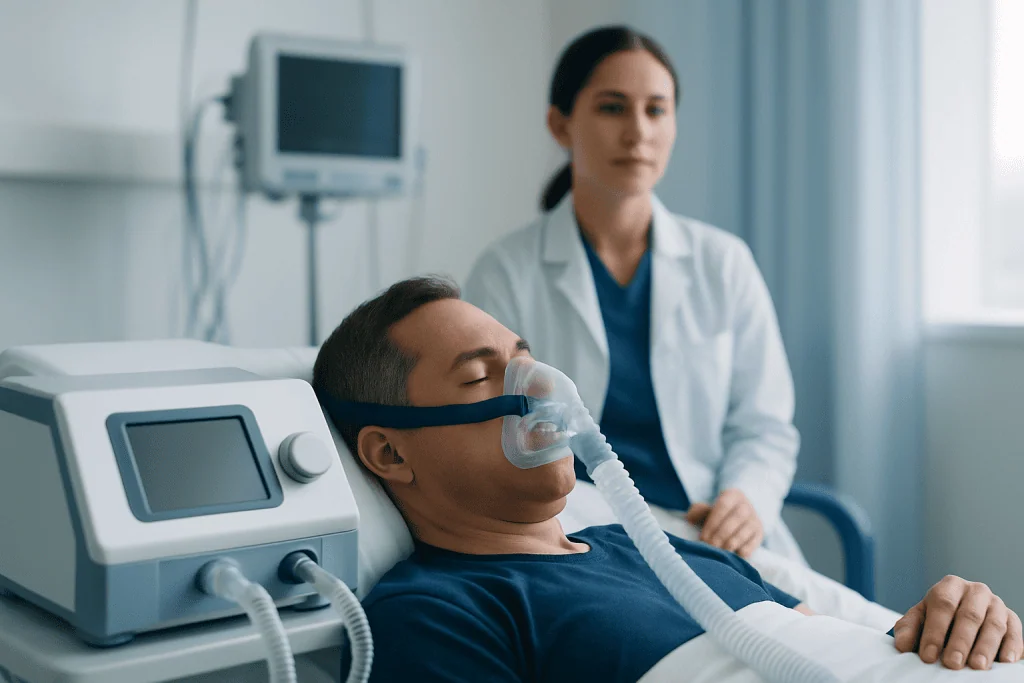
The key difference is what causes the breathing pause. In central sleep apnea, the pause happens because the brain’s breathing control temporarily fails to send a stable signal to the respiratory muscles. In obstructive sleep apnea, the brain is still trying to breathe, but airflow is blocked because the upper airway partially or fully collapses during sleep.
These two disorders can cause some of the same symptoms, including poor sleep, snoring, daytime sleepiness, and observed breathing pauses. However, loud habitual snoring and choking or gasping are often more strongly associated with obstructive sleep apnea. Central sleep apnea may be more likely in people with certain heart, neurological, or medication-related risk factors.
It is also possible for a person to have both types of sleep apnea. That is why self-diagnosis can be misleading. A sleep study helps distinguish between central and obstructive events by looking at airflow, oxygen levels, breathing effort, and brain activity during sleep. This is important because the best treatment approach for one type may not be the same for the other.
People who want to understand the broader spectrum of sleep-related breathing disorders may also hear about sleep apnea as an umbrella term. Central sleep apnea is one specific subtype within that broader group, and identifying the exact subtype helps guide treatment safely and effectively.
Symptoms

Symptoms of central sleep apnea can be subtle, and some people only learn about the problem when a bed partner notices unusual breathing patterns during sleep. Repeated pauses in breathing may disrupt normal sleep architecture, leading to poor rest and daytime symptoms even when the person spends enough hours in bed.
Common symptoms may include:
- Observed pauses in breathing during sleep
- Frequent awakenings or restless sleep
- Difficulty staying asleep
- Excessive daytime sleepiness or fatigue
- Morning headaches
- Problems with concentration, attention, or memory
- Waking up short of breath
- Snoring, though it may be less prominent than in obstructive sleep apnea
In some people, the most noticeable problem is not sleepiness but poor sleep quality, low energy, irritability, or reduced exercise tolerance during the day. Symptoms can overlap with many other conditions, including insomnia, heart disease, depression, and medication side effects.
When central sleep apnea is related to another medical condition, symptoms of that condition may also be present. For example, people with heart failure may notice swelling, breathlessness, or reduced stamina, while those with a neurological disorder may have additional symptoms affecting movement, speech, or strength.
Causes and Risk Factors
Central sleep apnea develops when the normal feedback system that controls breathing becomes unstable. This can happen if the brain’s respiratory centers are affected directly, if circulation or blood gas regulation is altered, or if medications suppress breathing drive. In many cases, central sleep apnea is not an isolated issue but part of a broader medical picture.
Known causes and risk factors include:
- Heart failure and certain other cardiovascular conditions
- Stroke or other disorders affecting the brainstem or nervous system
- Use of opioid pain medicines or other medications that depress breathing
- Sleeping at high altitude
- Treatment-emergent central sleep apnea during therapy for obstructive sleep apnea
- Older age
- Male sex
- Certain chronic medical illnesses that affect breathing control
One recognized breathing pattern linked to central sleep apnea is Cheyne-Stokes respiration, which involves cycles of gradually deeper and then shallower breathing followed by pauses. This pattern is often associated with heart failure or neurological disease and can be seen on a sleep study.
Sometimes central sleep apnea improves when the underlying cause is treated, such as medication adjustment, stabilization of heart failure, or adaptation after starting positive airway pressure. In other cases, specific sleep apnea therapy is needed. Because the causes vary, management should be individualized rather than based on symptoms alone.
Diagnosis
Diagnosis usually begins with a detailed medical history and physical examination. The doctor may ask about snoring, witnessed breathing pauses, insomnia, daytime sleepiness, medication use, heart or neurological conditions, and sleep habits. Input from a bed partner can be especially helpful because many people are unaware of their nighttime breathing changes.
The main test used to confirm central sleep apnea is a sleep study, also called polysomnography. This test records breathing patterns, airflow, oxygen levels, heart rhythm, brain waves, and breathing effort during sleep. These measurements help specialists determine whether apneas are central, obstructive, or mixed, and how severe they are.
Additional testing may be recommended to look for the cause. Depending on the situation, this may include heart evaluation, neurological assessment, blood tests, or a review of current medications. In some patients, doctors also consider other sleep disorders or breathing problems that can mimic or worsen symptoms.
Accurate diagnosis matters because treatment choices differ by apnea type. A person who appears to have ordinary snoring or obstructive apnea symptoms may actually have central events, mixed events, or another condition such as sleep disorders more broadly. A structured sleep evaluation helps make treatment safer and more effective.
Treatment Options
Treatment for central sleep apnea focuses first on identifying and addressing the underlying cause whenever possible. This may mean reviewing opioid or sedating medications, optimizing management of heart failure, or treating an associated neurological condition. In some people, central sleep apnea improves when these contributing factors are corrected.
Device-based therapies are often used when symptoms persist or when breathing disturbances are significant. Positive airway pressure therapy may help stabilize breathing during sleep, although the most appropriate mode depends on the individual and the pattern seen on testing. Some patients are treated with continuous positive airway pressure, while others may need more specialized support under close medical supervision. In selected cases, doctors may discuss sleep study testing to guide titration and treatment decisions, as well as therapies related to sleep apnea treatment.
Other options may include supplemental oxygen during sleep or specific forms of noninvasive ventilation. In carefully selected patients, a device-based approach such as phrenic nerve stimulation may be considered by a specialist. The right choice depends on the cause of central sleep apnea, overall health, and whether other sleep-related breathing disorders are present.
Follow-up is an important part of care. Symptoms, sleep quality, and adherence to treatment should be reviewed over time, and repeat testing may be needed in some cases. Near the end of the diagnostic and treatment pathway, patients seeking international care may also wish to know that Acibadem International’s multidisciplinary specialists in JCI-accredited hospitals evaluate and treat sleep-related breathing disorders for international patients.
Prevention and Self-care
Not all cases of central sleep apnea can be prevented, especially when they are related to heart, neurological, or other chronic medical conditions. Still, certain practical steps can support healthier breathing during sleep and may reduce risk in some people.
Helpful self-care measures include:
- Following treatment plans for heart failure, stroke recovery, and other chronic illnesses
- Discussing opioid medicines or sedatives with a doctor if sleep-related breathing problems are suspected
- Avoiding alcohol close to bedtime if it worsens sleep quality or breathing
- Keeping a regular sleep schedule
- Reporting new symptoms promptly after starting positive airway pressure therapy
- Seeking assessment before spending prolonged time at high altitude if there is a history of sleep-related breathing problems
General sleep habits can also make a difference. A comfortable sleep environment, consistent wake times, and attention to overall health may improve rest and make symptoms easier to recognize. However, self-care alone is usually not enough to diagnose or manage central sleep apnea.
If a person is already using therapy for another type of apnea but continues to feel unrefreshed, wakes short of breath, or is told that breathing still pauses during sleep, follow-up is important. Persistent symptoms should not be ignored, because the treatment plan may need adjustment.
When to See a Doctor
A doctor should be consulted if there are repeated pauses in breathing during sleep, frequent awakenings, unexplained daytime sleepiness, morning headaches, or nighttime shortness of breath. Medical review is especially important when symptoms occur in someone with heart failure, a history of stroke, a neurological condition, or ongoing opioid use.
Urgent assessment may be needed if sleep-related breathing symptoms are accompanied by worsening shortness of breath, chest pain, confusion, fainting, or signs that an underlying heart or neurological condition is becoming unstable. These symptoms may not be caused by sleep apnea alone and should be evaluated promptly.
People who have already been diagnosed with obstructive sleep apnea should also speak with their doctor if treatment does not seem to be helping or if new symptoms appear after therapy starts. Sometimes persistent symptoms suggest a different or mixed form of sleep-disordered breathing that needs a revised plan.
Specialist care in sleep medicine, neurology, pulmonology, or cardiology may be helpful depending on the likely cause. In some cases, evaluation may include related care pathways such as neurology consultation when a neurological cause is suspected.
Frequently asked questions
Is central sleep apnea the same as obstructive sleep apnea?
No. Central sleep apnea happens when the brain does not consistently send the right signals to keep breathing steady during sleep. Obstructive sleep apnea happens when the airway becomes blocked even though the body is still trying to breathe.
Can central sleep apnea go away?
Sometimes it can improve if the underlying cause is treated, such as medication changes, improved heart failure management, or adaptation after starting therapy for another sleep disorder. In other cases, ongoing treatment and monitoring are needed.
Does central sleep apnea always cause loud snoring?
No. Snoring can occur, but it may be less prominent than in obstructive sleep apnea. Some people mainly notice poor sleep, fatigue, morning headaches, or awakenings with shortness of breath.
How is central sleep apnea diagnosed?
Diagnosis usually requires a medical evaluation and a sleep study called polysomnography. The sleep study helps doctors see whether breathing pauses are central, obstructive, or mixed and whether other sleep problems are also present.
Who is more likely to develop central sleep apnea?
Risk is higher in people with heart failure, prior stroke, certain neurological diseases, high-altitude exposure, or opioid use. Older adults and men are also affected more often, although central sleep apnea can occur in others as well.
What treatments are used for central sleep apnea?
Treatment depends on the cause and may include managing an underlying medical condition, adjusting medicines, positive airway pressure therapy, oxygen, or other specialist-guided device options. The best approach is individualized after proper testing.
References
- American Academy of Sleep Medicine
- National Heart, Lung, and Blood Institute
- American Thoracic Society
- National Institute of Neurological Disorders and Stroke
- European Respiratory Society
This article is for general information only and is not a substitute for professional medical advice. Please consult a qualified doctor about your individual situation.
Sleep Apnea in Turkey — costs, top hospitals & a free quote
JCI-accredited · board-certified surgeons · reply within 24h
Add us as a Preferred Source to see more of our trusted health content across Google Search, AI Overviews and Discover.

Otorhinolaryngology (ENT)
Care for ear, nose, throat and head-and-neck conditions, including hearing and balance disorders.
126 specialists in this unit