Central Sleep Apnea: When Breathing Pauses May Be Linked to the Brain

Central sleep apnea is different from obstructive sleep apnea because the airway may stay open, but the drive to breathe temporarily decreases or stops. Common symptoms include fragmented sleep, daytime tiredness, waking up short of breath, and reports of breathing pauses during sleep.
Key Takeaways
- Central sleep apnea is different from obstructive sleep apnea because the airway may stay open, but the drive to breathe temporarily decreases or stops.
- Common symptoms include fragmented sleep, daytime tiredness, waking up short of breath, and reports of breathing pauses during sleep.
- Heart conditions, neurological disorders, certain medications, high altitude, and some medical treatments can contribute to central sleep apnea.
- Diagnosis usually involves a sleep study and an assessment for underlying medical causes.
- Treatment focuses on the cause and may include optimizing related medical conditions, adjusting medicines, oxygen, or positive airway pressure therapy.
Central sleep apnea is a sleep-related breathing disorder in which breathing repeatedly stops or becomes shallow because the brain does not consistently signal the breathing muscles. With proper evaluation, the underlying cause can often be identified and treatment can improve sleep quality, daytime function, and overall health.
Overview
Central sleep apnea is a condition in which breathing repeatedly pauses during sleep because the brain does not reliably send signals to the muscles that control breathing. These pauses may last several seconds and can happen many times through the night. As a result, sleep becomes disrupted even if the person does not fully wake up each time.
It differs from obstructive sleep apnea, where breathing stops because the upper airway becomes blocked. In central sleep apnea, the problem is not mainly a physical blockage. Instead, the body’s normal control of breathing becomes unstable during sleep. Some people have a mixed pattern, with both central and obstructive events.
Central sleep apnea can occur on its own, but it is often linked with another health issue, such as heart failure, stroke, certain neurological conditions, opioid medications, kidney disease, or sleeping at high altitude. It may also appear during treatment for obstructive sleep apnea in some patients, a pattern sometimes called treatment-emergent central sleep apnea.
Although the name can sound worrying, central sleep apnea is treatable. A careful medical evaluation helps identify why it is happening and which therapy is most suitable for the individual.
Symptoms and signs
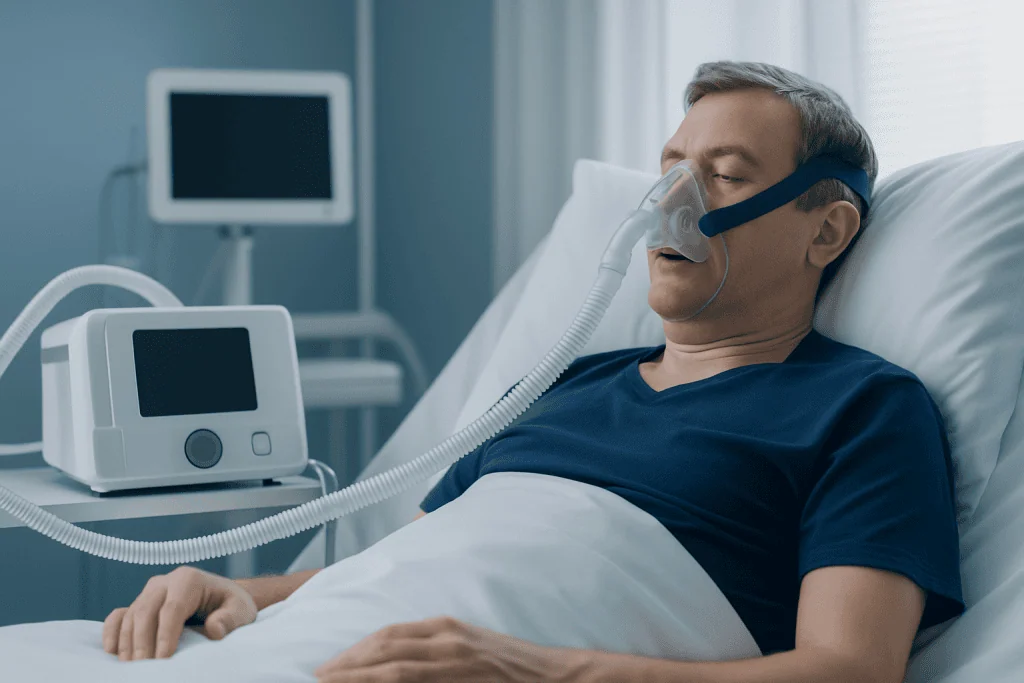
The symptoms of central sleep apnea can be subtle. Many people first learn about it from a bed partner who notices quiet periods of stopped breathing, irregular breathing, or repeated awakenings during the night. Others mainly notice how they feel during the day.
Common symptoms may include unrefreshing sleep, frequent nighttime awakenings, insomnia, morning headaches, trouble concentrating, memory difficulties, irritability, or excessive daytime sleepiness. Some people wake suddenly with shortness of breath. Snoring may occur, but it is often less prominent than in obstructive sleep apnea.
Not everyone with central sleep apnea feels very sleepy. In some cases, the condition is discovered during testing for another problem, such as heart disease or a neurological disorder. Symptoms can also overlap with other sleep disorders, including sleep apnea more broadly, so formal assessment is important.
- Observed pauses in breathing during sleep
- Restless or fragmented sleep
- Waking up gasping or breathless
- Daytime fatigue or sleepiness
- Morning headaches
- Reduced attention, mood changes, or poor concentration
Causes and risk factors

Breathing is controlled by complex signals between the brain, nerves, lungs, and blood chemistry. Central sleep apnea develops when this control system becomes unstable or the signal to breathe temporarily weakens. The exact pattern varies from person to person and often depends on the underlying medical cause.
One recognized pattern is Cheyne-Stokes breathing, often seen in some people with heart failure or after stroke. This causes a cyclical pattern of breathing that gradually becomes deeper and faster, then shallower, followed by a pause. Other causes include brainstem problems, neurodegenerative disease, severe illness, kidney failure, and use of opioid pain medicines or other sedating drugs that affect respiratory drive.
Central sleep apnea can also occur at high altitude, where lower oxygen levels change the body’s breathing responses. In some people, central events appear after starting continuous positive airway pressure for obstructive sleep apnea. This treatment-emergent pattern sometimes improves over time, but it still deserves follow-up.
Risk is generally higher in older adults, men, and people with cardiovascular or neurological disease. However, central sleep apnea can affect different age groups and should not be assumed based on symptoms alone. A doctor may also evaluate related conditions such as heart failure or prior stroke when considering why breathing pauses are happening.
How central sleep apnea is diagnosed
Diagnosis begins with a medical history, a review of symptoms, and questions about sleep habits, medications, heart and lung health, and neurological history. If a bed partner has observed breathing pauses, that information can be very helpful. The doctor may also ask about opioid use, recent altitude exposure, and previous treatment for obstructive sleep apnea.
The main test is a sleep study, called polysomnography. During this overnight assessment, sensors track breathing effort, airflow, oxygen levels, heart rhythm, brain activity, and body movement. This helps specialists distinguish central events from obstructive ones and determine how often they occur.
In some cases, additional tests are needed to look for the cause. These may include blood tests, heart evaluation such as echocardiography, lung testing, or neurological assessment. Imaging may be considered when a structural neurological cause is suspected.
Because central sleep apnea is often linked to another condition, diagnosis is not only about counting breathing pauses. It also involves understanding why those pauses are occurring so that treatment can be tailored safely and effectively.
Treatment options
Treatment depends on the underlying cause, the severity of symptoms, and the pattern seen on the sleep study. The first step is often to address contributing medical problems. This may include improving management of heart failure, reviewing kidney disease care, reducing sedating medicines when medically appropriate, or reassessing opioid therapy under a doctor’s supervision. People should not stop prescription medicines on their own.
Supportive treatment during sleep may also be recommended. Positive airway pressure therapy can help some patients, especially when there is a mixed pattern of central and obstructive events or when central events emerge during treatment for obstructive sleep apnea. Depending on the person’s needs, clinicians may consider CPAP therapy or other forms of assisted breathing support. Supplemental oxygen at night may also help selected patients.
For some forms of central sleep apnea, other specialized approaches may be considered after thorough evaluation. These can include adaptive forms of positive airway pressure in carefully selected patients, treatment of altitude-related symptoms, or device-based therapies in certain cases. Suitability depends strongly on the cause, especially in people with heart disease, so treatment should be guided by sleep and medical specialists.
When diagnosis is complex or several conditions are involved, care may include sleep medicine, neurology, cardiology, pulmonology, and internal medicine working together. Acibadem International’s multidisciplinary specialists and JCI-accredited hospitals diagnose and treat central sleep apnea for international patients, with care plans based on the individual’s medical needs.
Prevention and self-care
Not all cases of central sleep apnea can be prevented, particularly when the condition is linked to heart, kidney, or neurological disease. Still, practical self-care can support treatment and may reduce symptom burden. Following medical advice for underlying conditions is one of the most important steps.
Good sleep habits can also help improve sleep quality. A regular sleep schedule, a calm sleep environment, and limiting alcohol or sedatives unless prescribed may reduce additional sleep disruption. If a doctor recommends positive airway pressure therapy, using it consistently matters. Proper mask fit and follow-up can improve comfort and adherence.
People who use opioid medicines should discuss sleep symptoms with their doctor, since these drugs can affect breathing control during sleep. If travel or residence at high altitude seems to worsen symptoms, a doctor can advise on acclimatization or other measures. Weight management may still be helpful for overall sleep health, although central sleep apnea is not primarily caused by airway blockage.
- Keep follow-up appointments and review symptoms regularly
- Take medicines exactly as prescribed
- Avoid changing opioid or sedative doses without medical advice
- Use sleep therapy devices as directed
- Support heart, lung, kidney, and neurological health through ongoing care
When to see a doctor
A person should speak with a doctor if they have repeated nighttime awakenings, daytime sleepiness, unexplained morning headaches, or a bed partner has noticed breathing pauses. Medical review is especially important when symptoms occur in someone with heart failure, stroke history, neurological disease, or opioid use.
Urgent medical attention is needed if breathing problems during sleep are accompanied by chest pain, fainting, severe shortness of breath, bluish lips, new confusion, or signs of a medical emergency. These symptoms may point to another serious condition that needs immediate care.
Because central sleep apnea is often related to broader health issues, early evaluation can do more than improve sleep. It can help identify underlying problems and guide treatment before symptoms become more disruptive. A qualified sleep specialist or physician can explain which tests are appropriate and what treatment choices are safest.
Frequently asked questions
What is the difference between central sleep apnea and obstructive sleep apnea?
In central sleep apnea, breathing pauses happen because the brain does not consistently send signals to breathe during sleep. In obstructive sleep apnea, breathing pauses happen because the upper airway becomes narrowed or blocked. Some people have a combination of both patterns.
Is central sleep apnea serious?
It can affect sleep quality, daytime function, and overall health, especially when it is linked to heart or neurological disease. The level of concern depends on how often breathing pauses occur and what is causing them. Proper evaluation helps determine the right treatment and whether an underlying condition needs attention.
Can central sleep apnea go away on its own?
Sometimes it can improve, especially if it is related to temporary factors such as high altitude exposure or treatment-emergent changes after starting therapy for obstructive sleep apnea. In many cases, however, it persists until the underlying cause is addressed. Follow-up is important even when symptoms seem to improve.
How is central sleep apnea tested?
The usual test is an overnight sleep study called polysomnography. It measures airflow, breathing effort, oxygen levels, heart rhythm, and brain activity during sleep. These details help doctors tell central sleep apnea apart from obstructive sleep apnea and assess severity.
Does central sleep apnea always cause snoring?
No. Snoring can happen, but it is often less prominent than in obstructive sleep apnea. Some people mainly notice fragmented sleep, breathlessness during the night, or daytime fatigue rather than loud snoring.
What treatments are used for central sleep apnea?
Treatment may include addressing the underlying cause, reviewing medications, using oxygen during sleep, or trying positive airway pressure therapy. The best option depends on the type of central sleep apnea and the person’s overall health. A doctor will tailor treatment based on sleep study results and related medical conditions.
References
- American Academy of Sleep Medicine
- National Heart, Lung, and Blood Institute
- American Heart Association
- National Institute of Neurological Disorders and Stroke
- European Respiratory Society
This article is for general information only and is not a substitute for professional medical advice. Please consult a qualified doctor about your individual situation.
Sleep Apnea in Turkey — costs, top hospitals & a free quote
JCI-accredited · board-certified surgeons · reply within 24h
Add us as a Preferred Source to see more of our trusted health content across Google Search, AI Overviews and Discover.

Otorhinolaryngology (ENT)
Care for ear, nose, throat and head-and-neck conditions, including hearing and balance disorders.
126 specialists in this unitMore from the Health Library



Related Specialists

Prof. Dr. Melih Paksoy
General Surgery
Dyt. Gizem Katkıcı Taşkın
Nutrition & Diet
Prof. Dr. Salih Serdar Erturan
Pulmonology
Prof. Dr. Kahraman Öztürk
Orthopedic Surgery & Traumatology