Cervicogenic Dizziness Explained: Common Triggers and Red Flags
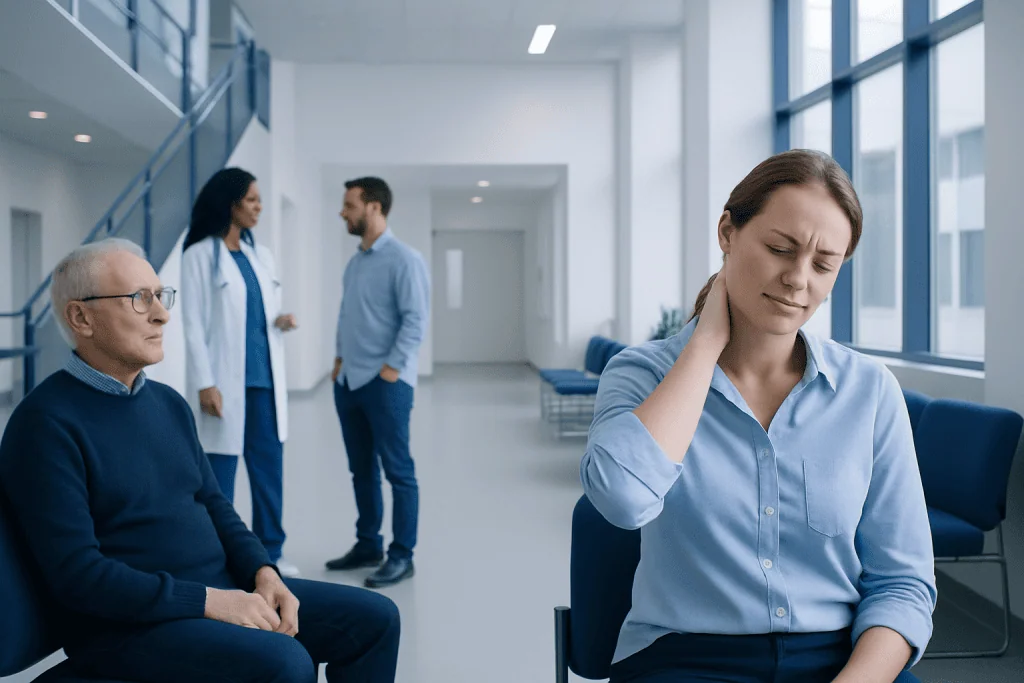
Cervicogenic dizziness usually involves dizziness or unsteadiness together with neck pain or reduced neck movement. It is not a single test diagnosis; clinicians first exclude inner ear, neurological, cardiovascular, and medication-related causes.
Key Takeaways
- Cervicogenic dizziness usually involves dizziness or unsteadiness together with neck pain or reduced neck movement.
- It is not a single test diagnosis; clinicians first exclude inner ear, neurological, cardiovascular, and medication-related causes.
- Common triggers include neck injury, muscle tension, poor posture, arthritis, and sudden head or neck movements.
- Treatment often focuses on the neck problem itself, such as physical therapy, posture correction, pain control, and guided exercises.
- Red flags include new neurological symptoms, severe headache, chest pain, fainting, and dizziness after major trauma.
Cervicogenic dizziness is a type of dizziness thought to come from problems in the neck, especially when neck pain, stiffness, or certain head movements occur at the same time. It is usually considered only after other common and potentially serious causes of dizziness have been carefully ruled out.
Overview: what cervicogenic dizziness means
Cervicogenic dizziness refers to dizziness that appears to be related to dysfunction in the cervical spine, the muscles around it, or the way the neck sends position signals to the brain. People often describe it as lightheadedness, imbalance, floating, or a sense of disorientation rather than a true spinning sensation. Neck pain, stiffness, or a recent neck strain commonly occur at the same time.
The idea behind this condition is that the neck plays an important role in balance. Muscles, joints, and ligaments in the upper neck contain sensory receptors that help the brain understand head position. If these signals become disturbed by pain, inflammation, injury, or mechanical dysfunction, the brain may receive mismatched information from the neck, eyes, and inner ear, which can contribute to dizziness.
Cervicogenic dizziness remains a clinical diagnosis, which means it is made by combining symptoms, physical examination findings, and exclusion of other causes. Because dizziness can come from many conditions, clinicians do not usually label it cervicogenic until they have considered common alternatives such as vestibular disorders, migraine, medication effects, low blood pressure, and certain neurological problems.
How it feels and the symptoms people notice

The most typical pattern is dizziness that occurs along with neck discomfort. Symptoms may worsen when the person turns the head, looks up, keeps the neck in one position for too long, or after prolonged desk work. Some people feel off-balance when walking, while others notice a vague sense of fogginess or spatial disorientation.
Neck-related symptoms often provide an important clue. These can include stiffness, soreness, reduced range of motion, tenderness in the upper neck or shoulder muscles, and headaches that begin in the neck and travel toward the back of the head. In some cases, symptoms start after a whiplash-type injury or after a flare of chronic cervical spine problems.
Symptoms vary from person to person, but may include:
- Unsteadiness or poor balance
- Lightheadedness or a floating sensation
- Neck pain or stiffness
- Symptoms triggered by head or neck movement
- Headaches, especially from the neck region
- Nausea without a clear inner ear cause
- Difficulty concentrating during flare-ups
True rotational vertigo, in which the room seems to spin, can occur with other balance disorders and is not the most typical description of cervicogenic dizziness. This is one reason a careful assessment matters. Conditions such as vertigo or vestibular disease may feel similar at first but often need different treatment.
Common triggers and why the neck can affect balance

The neck can influence balance because it constantly communicates with the brain about head position. This information is integrated with signals from the inner ear and the eyes. If pain or mechanical dysfunction changes those neck signals, the brain may struggle to coordinate them smoothly, leading to dizziness or imbalance.
Common triggers include acute strain, poor posture, cervical muscle spasm, degenerative changes in the neck, and previous trauma such as whiplash. Long periods of screen use with the head pushed forward may aggravate symptoms in some people. Flare-ups can also happen when underlying neck disorders become more active, including chronic tension, arthritis, or disc-related irritation.
Examples of possible contributors include:
- Whiplash or other neck injury
- Poor ergonomics and prolonged forward-head posture
- Cervical arthritis or age-related wear
- Muscle tension in the neck and shoulders
- Restricted neck joint movement
- Headaches linked to the neck, such as cervicogenic headache
Not every person with neck pain develops dizziness, and not every dizzy person with neck pain has a neck-based cause. For that reason, clinicians look for a pattern: symptoms that start or worsen with neck movement, improve as the neck condition improves, and are not better explained by another diagnosis.
How doctors diagnose it and rule out other causes
There is no single scan or blood test that confirms cervicogenic dizziness. Diagnosis usually begins with a detailed history. A doctor asks what the dizziness feels like, when it occurs, whether there is neck pain, whether symptoms followed an injury, and what makes them better or worse. Medication use, migraine history, falls, hearing changes, and cardiovascular symptoms are also important.
The physical exam may include checking neck mobility, posture, muscle tenderness, balance, eye movements, coordination, blood pressure, and a neurological examination. Vestibular testing may be considered if an inner ear cause is suspected. Depending on the situation, imaging of the cervical spine or brain may be useful, but these tests are ordered to investigate specific concerns rather than to prove cervicogenic dizziness on their own.
Doctors commonly try to rule out other causes first, such as:
- Benign paroxysmal positional vertigo and other vestibular disorders
- Migraine-associated dizziness
- Medication side effects
- Low blood pressure or heart rhythm problems
- Anxiety-related dizziness
- Stroke, transient ischemic attack, or other neurological disease
Sometimes assessment involves more than one specialist, especially if symptoms are persistent or unclear. A patient may benefit from evaluation in neurology, ENT, rehabilitation, or spine care depending on the full clinical picture. In some cases, doctors may also assess related symptoms such as headache when neck pain and dizziness occur together.
Treatment options and what recovery often involves
Treatment aims to address the neck problem that may be contributing to dizziness and to improve balance confidence. For many people, the main approach is conservative care. This often includes physical therapy focused on neck mobility, posture, muscle control, and gradual balance retraining. Manual therapy may be used by appropriately trained professionals when suitable for the individual case.
Exercise is usually introduced gradually. A therapist may guide deep neck muscle activation, shoulder girdle strengthening, range-of-motion work, and vestibular or balance exercises if needed. When symptoms began after injury, a structured rehabilitation plan is often more helpful than prolonged rest. Some people also benefit from ergonomic changes at work and pacing strategies during recovery.
Treatment may include:
- Targeted physical therapy and rehabilitation
- Posture and workstation correction
- Heat, gentle stretching, and guided home exercises
- Short-term pain relief measures recommended by a doctor
- Management of related cervical spine conditions, including selected pain management approaches
If there is significant structural disease in the cervical spine, treatment is tailored to the underlying diagnosis. A spine specialist may evaluate whether additional imaging, injections, or other interventions are needed. For persistent or complex cases, coordinated assessment through neurology or rehabilitation services can help clarify symptoms and guide care. Acibadem International’s multidisciplinary specialists and JCI-accredited hospitals also evaluate and treat cervicogenic dizziness for international patients when expert assessment is needed.
Self-care, posture habits, and prevention
Although not every case can be prevented, healthy neck habits may reduce flare-ups. Good posture is especially important for people who spend long hours reading, using mobile devices, or working at a computer. Keeping screens at eye level, taking regular movement breaks, and avoiding prolonged forward-head posture can ease strain on the upper cervical region.
Gentle movement is usually better than complete inactivity, unless a doctor has advised otherwise after injury. Simple daily habits such as changing positions often, supporting the neck during sleep, and staying physically active can support recovery. Stress management may also help because muscle tension in the neck and shoulders often worsens discomfort.
Helpful self-care strategies include:
- Frequent stretch and posture breaks during desk work
- Ergonomic adjustment of chair, monitor, and keyboard
- Using exercises prescribed by a clinician rather than self-directed intense neck manipulation
- Gradual return to activity after a neck strain
- Tracking symptom triggers to discuss with a healthcare professional
People should avoid forceful neck movements or unverified treatments, especially if dizziness is severe, new, or associated with neurological symptoms. Any self-care plan is safest when guided by a qualified clinician who has already evaluated the cause of dizziness.
When to seek medical care
Medical review is appropriate when dizziness is new, persistent, recurrent, or affecting daily activities. A person should also seek care if dizziness occurs with ongoing neck pain after an injury, if symptoms are becoming more frequent, or if balance problems are leading to falls or near-falls. Even when the neck seems to be involved, a proper assessment is important because dizziness has many possible causes.
Urgent medical attention is needed if dizziness appears with red flag symptoms such as sudden weakness, numbness, trouble speaking, fainting, severe chest pain, new confusion, double vision, or a sudden severe headache. Care is also important after major trauma, especially if there is severe neck pain, difficulty walking, or new neurological changes.
A clinician can help determine whether symptoms are likely to be cervicogenic dizziness or whether another cause needs to be treated first. Early evaluation is especially helpful if the pattern is unclear, if there is hearing loss or ringing in the ears, or if symptoms do not improve with initial conservative measures.
Frequently asked questions
Is cervicogenic dizziness the same as vertigo?
Not exactly. Cervicogenic dizziness often feels like unsteadiness, lightheadedness, or disorientation linked to neck pain or neck movement, while vertigo more often describes a spinning sensation. However, symptoms can overlap, which is why a clinical assessment is important.
Can neck tension alone cause dizziness?
Neck muscle tension may contribute to dizziness in some people, especially if it affects posture, neck movement, and sensory input from the cervical muscles and joints. Still, dizziness has many other possible causes, so neck tension should not be assumed to be the reason without evaluation.
How long does cervicogenic dizziness last?
The duration varies widely. Some people improve within days to weeks after a neck strain, while others have recurrent symptoms if underlying posture, arthritis, or chronic neck dysfunction is not addressed. Recovery often depends on identifying the correct cause and following a tailored treatment plan.
What kind of doctor treats cervicogenic dizziness?
Evaluation may begin with a primary care doctor, neurologist, ENT specialist, or rehabilitation specialist, depending on the symptoms. Physical therapists with experience in vestibular and cervical conditions often play an important role in treatment once serious causes have been ruled out.
Can cervicogenic dizziness happen after whiplash?
Yes. Symptoms may develop after whiplash or another neck injury because pain, muscle spasm, and altered neck mechanics can affect the sensory signals involved in balance. If dizziness follows trauma, medical assessment is recommended to rule out more serious injury.
Will imaging confirm cervicogenic dizziness?
Usually not. Imaging such as X-ray, CT, or MRI may help identify cervical spine problems or exclude other conditions, but no imaging test by itself confirms this diagnosis. Doctors rely on the overall pattern of symptoms, examination findings, and exclusion of other causes.
References
- World Health Organization
- National Institute of Neurological Disorders and Stroke
- American Academy of Otolaryngology–Head and Neck Surgery
- American Physical Therapy Association
- National Institute for Health and Care Excellence
This article is for general information only and is not a substitute for professional medical advice. Please consult a qualified doctor about your individual situation.
Joint and spine care in Turkey — expert assessment & treatment
JCI-accredited · board-certified surgeons · reply within 24h
Add us as a Preferred Source to see more of our trusted health content across Google Search, AI Overviews and Discover.
Check your numbers in seconds
BMI, calories, due date, blood pressure and 30+ more clinical calculators — free, instant, doctor-reviewed ranges.