Chain of Infection Explained: How Breaks Stop Disease Spread

The chain of infection has six main links: infectious agent, reservoir, portal of exit, mode of transmission, portal of entry, and susceptible host. An infection can often be prevented by breaking just one link in the chain.
Key Takeaways
- The chain of infection has six main links: infectious agent, reservoir, portal of exit, mode of transmission, portal of entry, and susceptible host.
- An infection can often be prevented by breaking just one link in the chain.
- Handwashing, vaccination, cleaning shared surfaces, and safe food and water practices are key prevention steps.
- Healthcare settings use extra precautions such as protective equipment, isolation, and sterilization to stop transmission.
- People with weaker immune systems may be more susceptible and may need additional protection.
The chain of infection describes how germs move from one source to another person and cause illness. Understanding each link in the chain helps explain why hand hygiene, cleaning, vaccination, and isolation measures can reduce disease spread.
Overview
The chain of infection is a simple model used to explain how infectious diseases spread. It shows that infection usually does not happen by chance. Instead, a germ follows a sequence of steps that allows it to move from a source to a new person. When one of these steps is interrupted, the spread can often be slowed or stopped.
The six classic links are the infectious agent, reservoir, portal of exit, mode of transmission, portal of entry, and susceptible host. These terms may sound technical, but they describe familiar situations. For example, a virus living in a person’s airways can leave the body in droplets, travel through close contact, enter another person’s nose or mouth, and cause illness if that person is vulnerable.
This framework is widely used in hospitals, clinics, public health, schools, and home care. It helps guide practical measures such as hand hygiene, cleaning, vaccination, food safety, and staying home when sick. It also helps people understand why several small protective steps together can make a meaningful difference.
The Six Links in the Chain of Infection
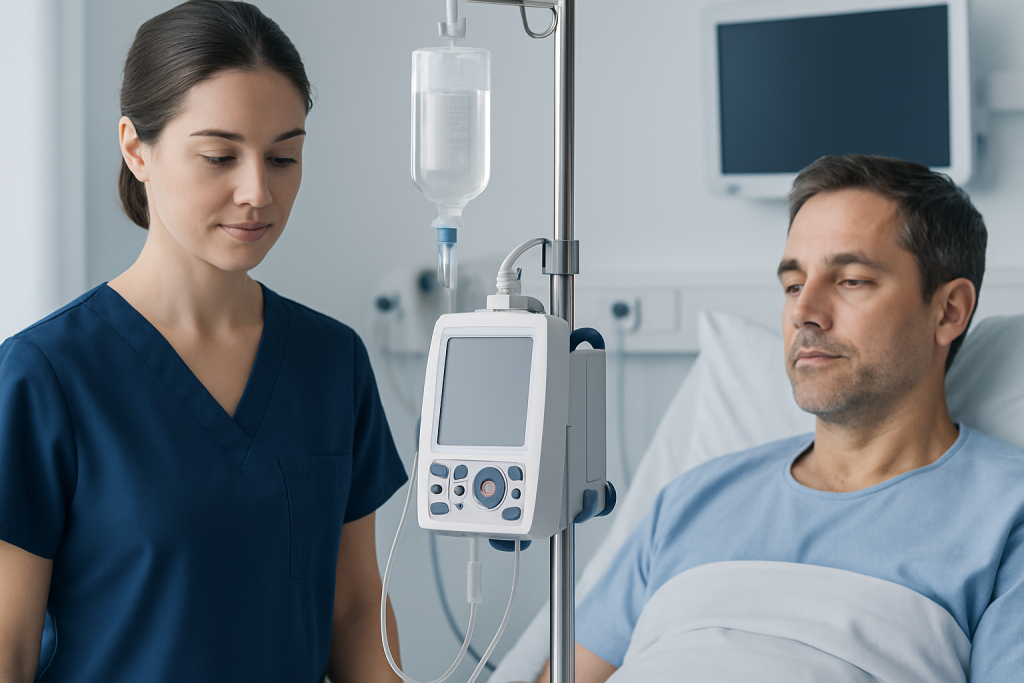
The first link is the infectious agent, which is the microorganism that can cause disease. This may be a virus, bacterium, fungus, or parasite. Some agents are highly contagious, while others spread less easily or cause illness mainly in people with weakened defenses.
The second link is the reservoir, the place where the germ lives and multiplies. Reservoirs can include humans, animals, food, water, soil, or contaminated equipment. In some infections, a person may carry a germ without obvious symptoms and still serve as a reservoir.
The third and fourth links are the portal of exit and mode of transmission. The portal of exit is how the germ leaves its reservoir, such as through respiratory droplets, blood, stool, urine, skin lesions, or other body fluids. Transmission is how it moves onward, including direct contact, indirect contact through surfaces, droplets, airborne spread, contaminated food or water, or insect bites.
The fifth and sixth links are the portal of entry and susceptible host. The portal of entry is how the germ enters the next person, often through the nose, mouth, eyes, broken skin, or the digestive tract. A susceptible host is a person whose body is more likely to allow infection, whether because of age, underlying illness, immune suppression, poor nutrition, pregnancy, or lack of prior immunity.
How Infections Spread in Everyday Life

Many common illnesses can be understood through the chain of infection. Respiratory infections often spread when an infected person coughs, sneezes, talks, or breathes out droplets and small particles. These germs may be inhaled by others or transferred from hands to the face after touching contaminated surfaces.
Foodborne and waterborne infections follow a different path. A germ may contaminate food during preparation or storage, survive if cooking is inadequate, and then enter the digestive tract when the food is eaten. Similar spread can occur through unsafe drinking water or poor sanitation.
Some infections spread by direct skin contact, sexual contact, blood exposure, or insect vectors such as mosquitoes or ticks. In healthcare settings, risks can increase when many vulnerable people are close together and invasive devices or procedures create additional portals of entry. This is why infection control measures are especially important in hospitals and clinics.
Examples of illnesses that spread through different routes include influenza, gastrointestinal infections, skin infections, and tuberculosis. The exact route varies by organism, but the same principle applies: if one link is broken, transmission becomes less likely.
Why Some People Are More Susceptible
Not everyone exposed to a germ becomes ill. The final link in the chain, the susceptible host, helps explain why. A healthy immune system can often recognize and fight off harmful organisms before they cause symptoms. In other cases, immunity from previous infection or vaccination can lower the risk of getting sick or reduce illness severity.
Certain groups may be more vulnerable. These include infants, older adults, pregnant people, people with chronic diseases, and those receiving treatments that weaken immune function. Poor sleep, stress, undernutrition, and some lifestyle factors can also affect how well the body responds to infection.
Skin integrity and protective barriers matter too. Cuts, burns, catheters, surgical wounds, and medical devices can create easier entry points for germs. In hospitals, clinicians pay close attention to these risks and use sterile technique and careful monitoring to reduce complications.
Understanding susceptibility is not about blame. It helps tailor prevention to the individual, such as staying current with vaccines, managing chronic conditions, and seeking medical advice sooner when symptoms develop.
How to Break the Chain of Infection
Breaking the chain of infection means stopping the germ at one or more links. This can happen in many ways. For the infectious agent and reservoir, treatment of the infected person, safe food handling, proper waste disposal, and cleaning contaminated environments can reduce the amount of germ present.
At the portal of exit and mode of transmission, simple measures are often very effective. Covering coughs and sneezes, wearing a mask when appropriate, avoiding close contact when ill, washing hands well with soap and water, and disinfecting high-touch surfaces can all help limit spread. In healthcare settings, gloves, gowns, eye protection, and isolation precautions may be used depending on the infection.
To protect the portal of entry and the susceptible host, vaccination plays a major role. So do wound care, safe sex practices, insect bite prevention, food and water safety, and good general health habits. Hospitals may also use sterilized instruments and microbiology laboratory testing to identify organisms and guide control measures.
- Wash hands before eating, after using the toilet, and after coughing or sneezing.
- Stay home when sick if possible, especially with fever or contagious symptoms.
- Clean shared surfaces and avoid sharing personal items.
- Prepare food safely and drink clean water.
- Keep recommended vaccines up to date.
Diagnosis and Infection Control in Healthcare
When an infection is suspected, diagnosis may involve a medical history, physical examination, and laboratory testing. Depending on symptoms, clinicians may request blood tests, urine tests, stool tests, throat swabs, cultures, or imaging. Identifying the likely germ and route of spread helps guide both treatment and prevention steps.
Healthcare teams also assess whether an infection could spread to others. They may ask about recent travel, sick contacts, animal exposures, food intake, hospital stays, or medical devices. In some situations, extra precautions are used while test results are pending, especially if there is concern for a highly transmissible disease.
Hospitals break the chain of infection through several layers of protection. These include hand hygiene programs, environmental cleaning, sterilization of instruments, ventilation measures, safe injection practices, and the appropriate use of personal protective equipment. If needed, patients may receive infectious diseases specialist care to help diagnose unusual infections and coordinate treatment.
Near the end of the care pathway, patient education is also important. People need clear advice on taking medicines correctly, caring for wounds, recognizing warning signs, and protecting household members during recovery. Acibadem International’s multidisciplinary specialists in JCI-accredited hospitals also diagnose and treat infectious conditions for international patients when expert evaluation is needed.
Prevention, Self-Care, and When to Seek Medical Advice
Everyday prevention focuses on consistent habits rather than perfection. Regular handwashing, respiratory etiquette, routine vaccination, adequate sleep, balanced nutrition, and cleaning frequently touched items can all reduce risk. During outbreaks or seasonal increases in respiratory illness, following local public health guidance adds another layer of protection.
Self-care at home depends on the situation. If someone has a mild contagious illness, rest, fluids, limiting close contact, and careful hygiene may help reduce spread within the household. Personal items such as towels, utensils, and toothbrushes should not be shared when infection is suspected.
Medical advice is important if symptoms are severe, worsening, or unusual. A person should seek prompt care for breathing difficulty, chest pain, dehydration, persistent high fever, confusion, severe weakness, a rapidly spreading rash, or signs of infection in a wound. People with weakened immune systems, infants, older adults, and pregnant people should contact a clinician earlier because their risks may be different.
If an infection keeps returning or spreads easily in a home, workplace, or care facility, professional evaluation may help identify the source and the broken links that are still missing. In some cases, check-up services or targeted testing can help uncover contributing factors and support a practical prevention plan.
Frequently asked questions
What is the chain of infection in simple terms?
The chain of infection is a step-by-step explanation of how germs spread from one source to another person. It includes the germ itself, where it lives, how it leaves, how it travels, how it enters someone else, and whether that person is vulnerable.
How many links are in the chain of infection?
There are six main links in the classic model. These are the infectious agent, reservoir, portal of exit, mode of transmission, portal of entry, and susceptible host.
Why is handwashing so important?
Handwashing can break the chain of infection by removing germs before they spread to surfaces, food, or the face. It is one of the simplest and most effective ways to reduce transmission in homes, schools, workplaces, and healthcare settings.
Can infection be prevented by breaking only one link?
Yes, in many situations stopping just one link can greatly reduce the chance of spread. For example, vaccination can protect the susceptible host, while cleaning contaminated surfaces can interrupt transmission.
Who is most at risk of infection?
People at higher risk often include infants, older adults, pregnant people, and those with chronic illness or weakened immune systems. Risk also depends on the type of germ, exposure level, and whether the person has protective immunity.
Is the chain of infection only used in hospitals?
No, it applies everywhere, including homes, schools, travel, food preparation, and community settings. Hospitals use it very actively because many patients are more vulnerable and because procedures can create extra routes for germs to enter the body.
References
- World Health Organization
- Centers for Disease Control and Prevention
- European Centre for Disease Prevention and Control
- National Health Service
- Mayo Clinic
This article is for general information only and is not a substitute for professional medical advice. Please consult a qualified doctor about your individual situation.
Explore treatments in Turkey — costs, top hospitals & a free quote
JCI-accredited · board-certified surgeons · reply within 24h
Add us as a Preferred Source to see more of our trusted health content across Google Search, AI Overviews and Discover.

Infectious Diseases Department
22 specialists in this unitMore from the Health Library



Related Specialists

Prof. Dr. K. Latif Abbasoğlu
Pediatric Surgery
Dr. Arzu Oran
Clinical Laboratory
Prof. Dr. Erkin Aribal
Breast Clinic Clinical Service
Assoc. Prof. Dr. Murat Kiraz
Neurosurgery