Chelation Iron Therapy: How It Works, Results and What to Expect

Iron chelation is used when iron accumulates beyond the body's ability to remove it naturally. Treatment may be oral or delivered under the skin, depending on the medicine, the cause of iron overload and individual needs.
Key Takeaways
- Iron chelation is used when iron accumulates beyond the body's ability to remove it naturally.
- Treatment may be oral or delivered under the skin, depending on the medicine, the cause of iron overload and individual needs.
- Regular blood tests and, in some cases, MRI scans help clinicians assess iron levels and treatment response.
- Benefits develop gradually, and treatment often continues for months or years when ongoing transfusions are needed.
- Side effects are possible, so chelation should always be prescribed and monitored by an experienced medical team.
Chelation iron therapy is a medical treatment for iron overload. It uses medicines called chelators to bind excess iron in the body, allowing it to be removed mainly through urine or stool and reducing the risk of long-term organ damage.
Overview: What Is Chelation Iron Therapy?
Chelation iron therapy is a treatment that lowers harmful excess iron in the body. The medicines used, called iron chelators, attach to iron molecules and help the body eliminate them. This treatment is not used for iron deficiency; it is specifically intended for iron overload, a condition in which stored iron becomes high enough to threaten organs over time.
Iron is essential for making red blood cells and supporting normal body functions. However, the body has no efficient natural system for removing large amounts of excess iron. Repeated red blood cell transfusions, inherited conditions that increase iron absorption, and certain blood disorders can therefore lead to iron accumulation in the liver, heart, endocrine glands and other tissues.
When used consistently and monitored carefully, chelation can reduce body iron stores and help protect organ function. The treatment plan is individualized by a hematology team according to the cause of overload, iron measurements, current health, other medicines and whether transfusions are ongoing.
How Chelation Iron Therapy Works
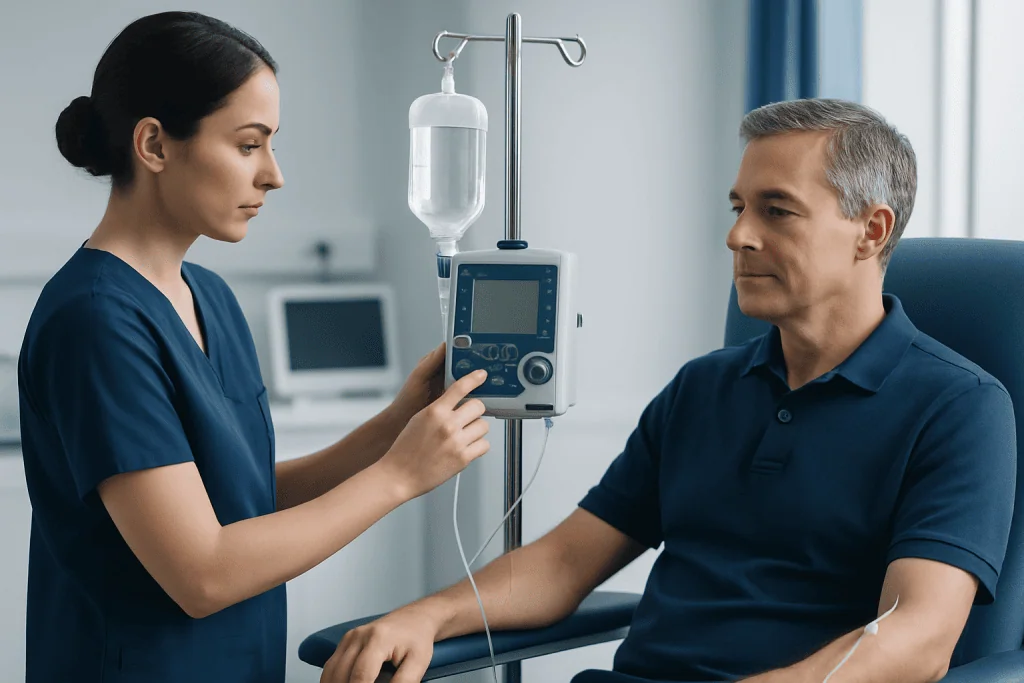
Iron chelators are medicines designed to form a stable complex with excess iron. Once the medicine has bound iron, the complex is cleared from the body. Depending on the specific chelator, iron may leave mainly through the urine, stool or both.
There are several established iron chelation medicines. Some are taken by mouth, while another may be administered as a slow infusion under the skin. The most suitable option depends on factors such as age, kidney and liver function, the severity and pattern of iron accumulation, potential interactions and a person’s ability to follow the treatment schedule.
Clinicians do not rely on one test alone. Blood ferritin levels are commonly followed over time, although they can be affected by inflammation, infection and liver conditions. MRI-based measurements of iron in the liver and sometimes the heart may provide a clearer picture of tissue iron and guide longer-term decisions.
Iron overload may occur alongside blood conditions such as thalassemia, where regular transfusions can be necessary. Addressing both the underlying condition and accumulated iron is important for long-term care.
Who May Be a Candidate for Iron Chelation?

Iron chelation is generally considered for people with confirmed iron overload that is significant enough to create a future risk to health. A frequent reason is chronic transfusion therapy, because each unit of transfused red blood cells contains iron. People receiving transfusions for thalassemia, myelodysplastic syndromes, sickle cell disease or other conditions may need regular assessment for transfusional iron overload.
Some people with hereditary hemochromatosis are usually treated with therapeutic phlebotomy, meaning planned blood removal. Chelation may be considered instead when phlebotomy is not appropriate, such as in selected people with significant anemia or other clinical limitations. The decision requires specialist evaluation.
Before treatment begins, the care team reviews medical history, transfusion history, ferritin trends, organ function and imaging results when needed. Kidney function, liver health, blood counts, hearing and vision may also be assessed depending on the chelator being considered.
Pregnancy, breastfeeding, severe kidney or liver problems, certain blood-count abnormalities and use of interacting medicines can affect treatment choice. These factors do not always rule out treatment, but they require an individualized risk-benefit discussion with a qualified clinician.
What Happens During Treatment and Follow-Up?
Iron chelation is usually an ongoing medication plan rather than a single hospital procedure. After assessment, the specialist selects a chelator and explains how and when to take or receive it. Oral chelators are taken according to the prescribed schedule, while infusion-based treatment may be delivered through a small needle placed under the skin over several hours, often with a portable pump.
At the start of treatment, appointments and laboratory monitoring may be more frequent so the team can confirm that the medicine is tolerated and adjust the plan if needed. The clinician may check blood counts, kidney and liver tests, ferritin trends and urine findings. Some chelators also require periodic hearing or eye assessments.
Consistency matters because body iron rises and falls slowly. Patients should not independently skip, double or stop doses, even if they feel well. If nausea, diarrhea, rash, reduced urine output, unusual fatigue, fever, visual changes, hearing changes or other concerning symptoms occur, the prescribing team should be contacted promptly.
Care for iron overload may involve hematologists, transfusion specialists, cardiologists, liver specialists and endocrinologists when there is concern about organ iron. Hematology care can coordinate investigation, monitoring and treatment planning for people with complex blood-related needs.
How Long Does Iron Chelation Therapy Take to Work?
Iron chelation therapy begins binding and removing iron after treatment starts, but meaningful reductions in total body iron usually take time. Blood-test trends are commonly reviewed over weeks to months, while MRI findings in the liver or heart may be reassessed at longer intervals depending on the clinical situation.
The pace of improvement depends on how much iron is present, whether transfusions are continuing, the chelator used, adherence to treatment and the body’s response. If a person continues to receive transfusions, chelation may first aim to prevent further iron accumulation before producing a substantial decrease in stored iron.
Many people require treatment for months or years. For those who need lifelong transfusion support, chelation may also be long term. The care team adjusts treatment based on repeated results rather than expecting a rapid or fixed timeline.
How Do You Feel After Chelation?
Many people do not feel an immediate physical change after chelation because iron overload often develops gradually and treatment works gradually as well. Over time, some people may notice improvement in symptoms linked to iron excess, such as fatigue, but fatigue has many possible causes and should not be used alone to judge whether treatment is working.
Some people experience side effects, especially early in treatment. Depending on the medicine, these may include stomach upset, nausea, diarrhea, skin rash, headache or changes in urine color. Infusion-based treatment can cause discomfort, redness or swelling at the injection site.
New or severe symptoms should not be ignored. The prescribing clinician can assess whether symptoms are likely to be treatment-related, whether blood tests are needed and whether the medication, schedule or supportive care should be changed. Patients should continue taking medication exactly as directed unless their clinician advises otherwise.
What Is the Success Rate of Chelation?
There is no single success rate for chelation iron therapy because outcomes depend on the underlying disease, degree of iron overload, ongoing transfusion needs, the medicine used and how consistently treatment can be followed. Success is usually measured by stabilization or reduction of iron stores, rather than by a single short-term result.
Clinicians may consider treatment effective when ferritin levels show an appropriate downward or stable trend, MRI measurements show reduced or controlled liver and heart iron, and there is no evidence of progressive iron-related organ injury. These measures must be interpreted in the context of each person’s overall health.
Chelation is most effective when it is started at the appropriate time, taken as prescribed and monitored regularly. It is an important preventive strategy, but it cannot reverse every complication that may already be present. Early identification and sustained follow-up offer the best opportunity to limit further iron-related damage.
Is Iron Chelation Therapy Safe?
Iron chelation therapy can be safe and beneficial when it is prescribed for a clear indication and monitored by an experienced medical team. All chelators can cause side effects, and safety depends on selecting the appropriate medicine, checking organ function and responding quickly to any concerning symptoms or laboratory changes.
Potential serious complications are uncommon but can include kidney or liver problems, low blood counts, severe skin reactions, gastrointestinal bleeding, or changes in hearing or vision, depending on the specific medication. The risk varies between medicines and between individuals. Regular testing is an essential part of treatment, not an optional extra.
People should tell their clinician about all prescription medicines, over-the-counter products, vitamins and supplements they use. They should also discuss new illness, dehydration, pregnancy plans or changes in kidney or liver health. Iron supplements should not be taken unless a clinician specifically recommends them.
Acibadem International’s multidisciplinary specialists and JCI-accredited hospitals diagnose and treat iron overload and related blood conditions for international patients, with treatment plans guided by individual monitoring needs.
When to Seek Medical Care
Anyone receiving repeated blood transfusions should ask their healthcare team how iron levels will be monitored and whether chelation may be needed. People with a family history of iron overload or an inherited blood disorder should also discuss appropriate testing with a doctor, particularly if they have persistent tiredness, abdominal discomfort, joint symptoms, changes in skin color or unexplained abnormal liver tests.
People already taking an iron chelator should contact their prescribing team promptly for significant vomiting or diarrhea, dehydration, fever, rash, severe abdominal pain, black or bloody stools, reduced urination, yellowing of the skin or eyes, unusual bruising or bleeding, visual changes, or hearing changes. These symptoms do not always mean a serious reaction, but they require timely medical assessment.
Emergency care is appropriate for severe allergic symptoms, such as difficulty breathing or swelling of the face or throat, severe weakness, fainting, chest pain or sudden confusion. For routine concerns, patients should arrange review with their hematologist or treating physician rather than changing treatment on their own.
Frequently asked questions
What is chelation iron therapy used for?
Chelation iron therapy is used to lower excessive iron stores in the body. It is commonly prescribed for transfusion-related iron overload and may be considered in selected people who cannot undergo blood removal for other forms of iron overload. A specialist confirms the cause and severity of overload before treatment begins.
How long does iron chelation therapy take to work?
Chelators begin binding iron after treatment starts, but a measurable improvement in stored iron generally develops over weeks to months. The full timeline varies with the amount of iron present, ongoing transfusions, medication adherence and the individual's response. Treatment is often long term.
How do you feel after chelation?
Some people feel no immediate difference because excess iron and its treatment change gradually. Others may experience stomach upset, diarrhea, rash, headache or injection-site irritation, depending on the medicine. Persistent or severe symptoms should be discussed promptly with the prescribing team.
What is the success rate of chelation?
A single success rate does not apply to everyone. Clinicians assess success by reviewing iron measurements over time, including ferritin trends and, when appropriate, MRI measurements of liver or heart iron. Regular treatment and monitoring improve the likelihood of controlling iron accumulation.
Is iron chelation therapy safe?
Iron chelation therapy is generally safe when it is prescribed appropriately and monitored regularly. Side effects and rare serious reactions can occur, so blood tests and other checks are important. The safest treatment choice depends on the person's kidney and liver function, other health conditions and medications.
Can iron chelation replace blood transfusions?
No. Chelation removes excess iron but does not replace red blood cells or treat the reason a person needs transfusions. It is commonly used alongside transfusion care to reduce the iron that transfusions add to the body. The underlying blood condition requires its own treatment plan.
References
- World Health Organization
- National Heart, Lung, and Blood Institute
- American Society of Hematology
- U.S. Food and Drug Administration
- Thalassaemia International Federation
This article is for general information only and is not a substitute for professional medical advice. Please consult a qualified doctor about your individual situation.
Explore treatments in Turkey — costs, top hospitals & a free quote
JCI-accredited · board-certified surgeons · reply within 24h
Add us as a Preferred Source to see more of our trusted health content across Google Search, AI Overviews and Discover.

More from the Health Library



Related Specialists

Dyt. Edagül Kopuz
Nutrition & Diet
Assoc. Prof. Dr. İsmail Ahmet Bilgin
General Surgery
Dr. İletişim | 444 55 44
Emergency Service
Assoc. Prof. Dr. Fatih Aygün
Pediatric Intensive Care Unit