Chemo: A Complete Medical Overview
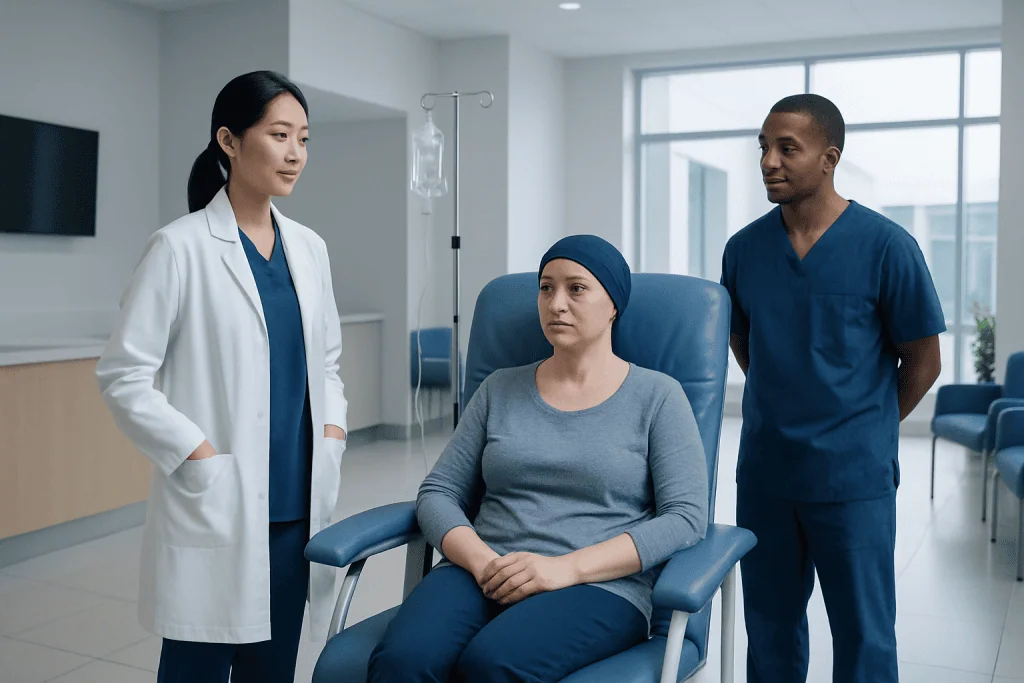
Chemo uses anti-cancer drugs to kill or control fast-growing cancer cells. It may be used before surgery, after surgery, or as the main treatment.
Key Takeaways
- Chemo uses anti-cancer drugs to kill or control fast-growing cancer cells.
- It may be used before surgery, after surgery, or as the main treatment.
- Side effects vary widely and often can be prevented, reduced, or managed.
- Treatment plans are individualized based on the cancer type, overall health, and goals of care.
- Patients should promptly report fever, dehydration, breathing trouble, or severe side effects.
Chemo is a cancer treatment that uses medicines to destroy cancer cells, slow their growth, or reduce the chance that cancer will return. It can be given alone or together with surgery, radiation, targeted therapy, immunotherapy, or hormone treatment depending on the cancer type and stage.
Overview: what chemo is and why it is used
Chemo, short for chemotherapy, is a medical treatment that uses drugs to destroy cancer cells or stop them from growing and dividing. Because cancer cells usually multiply more quickly than most normal cells, chemotherapy can help shrink tumors, control disease, relieve symptoms, or lower the risk of cancer coming back after other treatment.
Chemotherapy is not a single medicine. It is a broad group of drugs that work in different ways, and doctors often combine more than one drug to improve effectiveness. A person may receive chemo as the main treatment or as part of a larger plan that includes surgery, radiation therapy, targeted therapy, immunotherapy, or hormone therapy.
The goals of chemo differ from one patient to another. In some cases, the aim is to cure cancer. In others, the purpose is to keep the cancer under control for as long as possible or to ease symptoms and improve quality of life. Understanding the goal of treatment can help patients prepare emotionally and practically for what lies ahead.
How chemotherapy works in the body
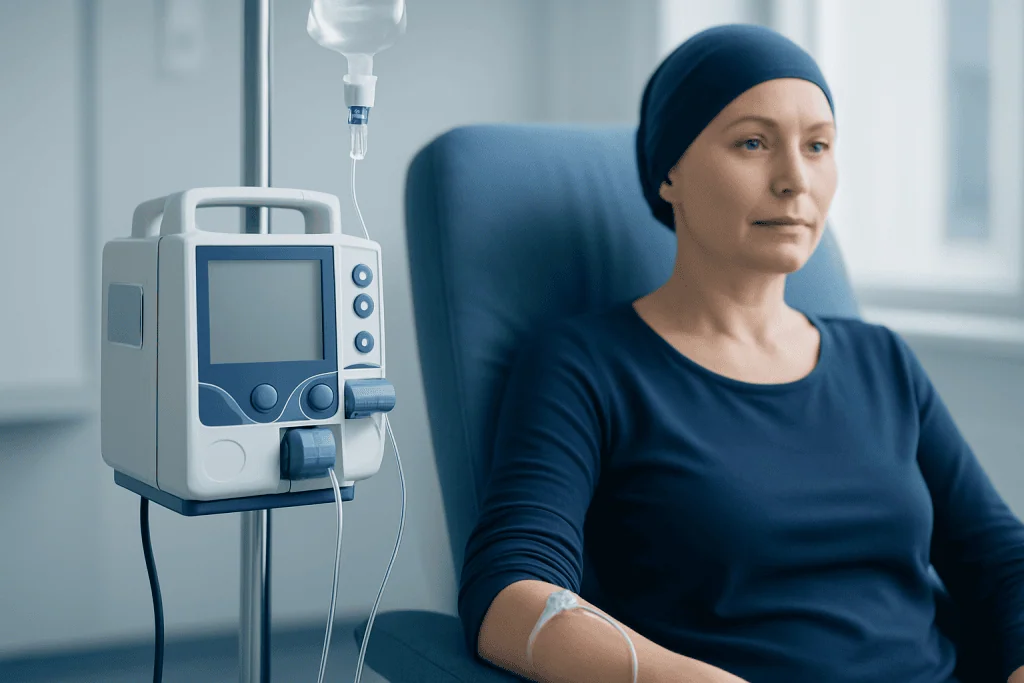
Chemotherapy drugs travel through the bloodstream and reach cancer cells throughout the body. This is why chemo is called a systemic treatment. It is especially useful when cancer cells may have spread beyond the original tumor, even if that spread is too small to see on scans.
Different chemo drugs affect cancer cells at different points in their growth cycle. Some damage the cell’s genetic material, while others block the steps needed for cell division. Because many normal cells also grow quickly, especially in the hair follicles, digestive tract, bone marrow, and reproductive tissues, these healthy cells can also be affected. This explains why side effects can happen during treatment.
Doctors may recommend chemo in several settings:
- Before other treatment to shrink a tumor, sometimes called neoadjuvant therapy.
- After surgery or radiation to destroy remaining cancer cells, called adjuvant therapy.
- As primary treatment when chemo is the best option for the cancer type.
- For symptom relief when reducing tumor size may ease pain or pressure.
Many people receiving chemo also undergo evaluation and care for the underlying cancer itself, such as cancer diagnosis and staging, which help guide the exact treatment plan.
How chemo is given and what treatment schedules mean
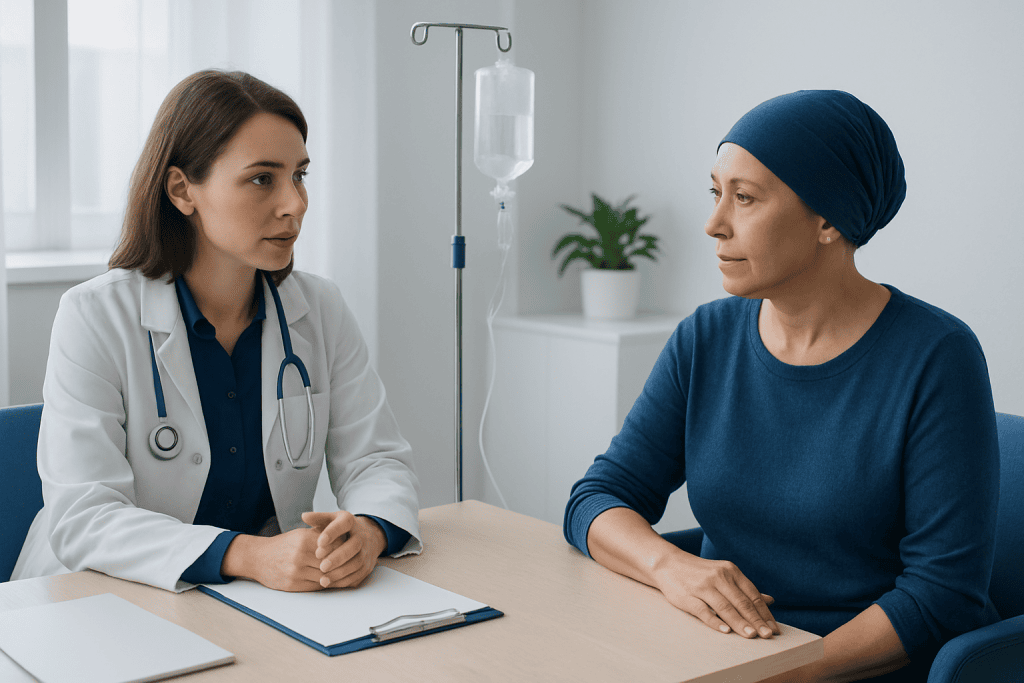
Chemotherapy can be given in several ways. The most common method is intravenous infusion through a vein, often in an outpatient infusion center. Some drugs are taken by mouth as tablets or capsules. Others may be injected under the skin, into a muscle, into the spinal fluid, or directly into a body cavity, depending on the cancer and the medicine being used.
Treatment is usually organized into cycles. A cycle includes a period of treatment followed by a rest period that allows the body to recover. For example, a person might receive medicine on one day every few weeks, or on several days in a row followed by time off. The exact schedule depends on the drug combination, the cancer type, blood test results, and how well the patient is tolerating treatment.
Before each cycle, the care team may check blood counts, kidney and liver function, symptoms, weight, and overall strength. In some situations, treatment is adjusted, delayed, or changed to keep it as safe and effective as possible. Procedures such as chemotherapy planning, infusion support, and monitoring are an important part of care.
Some patients need a central venous access device, such as a port, to make repeated treatment easier and to protect smaller veins. The oncology team explains how these devices work and how to care for them safely at home.
Common side effects and how they are managed
Side effects from chemo vary widely. Some people have mild symptoms, while others need more active supportive care. The type of drug, dose, treatment schedule, the person’s age, nutrition, and general health all influence how side effects appear. Not everyone loses hair, feels very sick, or experiences the same challenges.
Common side effects include fatigue, nausea, vomiting, reduced appetite, taste changes, mouth sores, diarrhea, constipation, hair loss, and skin or nail changes. Because chemo can lower blood cell counts, it may also increase the risk of infections, bruising, bleeding, or anemia-related tiredness and shortness of breath.
Supportive treatments can make a major difference. Anti-nausea medicines, hydration, diet changes, mouth care, rest planning, infection precautions, and treatment timing adjustments often help people stay more comfortable during therapy. In some cases, doctors use growth factor support, transfusions, or additional medications to reduce complications.
Some side effects deserve special attention because they may become urgent if ignored. These include fever, signs of infection, persistent vomiting, severe diarrhea, trouble breathing, chest pain, confusion, poor urine output, or sudden weakness. Patients should ask their care team exactly which symptoms need an immediate call or urgent evaluation.
Diagnosis, planning, and personalized treatment decisions
Chemotherapy is not chosen in isolation. Before treatment begins, doctors usually confirm the cancer diagnosis with imaging, laboratory tests, and often a biopsy. The cancer type, its stage, molecular features, and the patient’s overall health help determine whether chemo is recommended and which drugs are most appropriate.
Oncologists also consider the treatment goal, whether cure, long-term control, or symptom relief. Previous treatments, current medications, fertility plans, heart function, kidney health, liver function, and other medical conditions all matter. This is one reason cancer care is often delivered by a multidisciplinary team rather than by a single specialist alone.
In some cancers, chemotherapy is combined with radiation oncology or surgery for better local and systemic control. In others, modern approaches such as targeted medicines or immunotherapy may be added or used instead of standard chemo, depending on the biology of the tumor.
Patients often find it helpful to ask practical questions before starting: What is the goal of treatment? How often will sessions happen? Which side effects are most likely? Will work, school, travel, or driving be affected? Clear answers can reduce uncertainty and help with planning for daily life during treatment.
Self-care during chemo and reducing everyday risks
Self-care during chemotherapy focuses on protecting health, managing side effects early, and conserving energy. Drinking enough fluids, eating regular nourishing meals when possible, getting gentle activity, and resting when needed can all support recovery between cycles. Even simple routines, such as keeping a symptom diary, can help patients notice patterns and describe problems clearly to their care team.
Infection prevention is especially important when white blood cell counts are low. Handwashing, avoiding close contact with people who are sick, handling food safely, and following advice about crowded places can reduce risk. Oral care also matters because a healthy mouth can lower the chance of painful sores and infection.
Patients should avoid starting vitamins, herbal products, or over-the-counter remedies without checking first. Some supplements may interfere with chemotherapy or increase bleeding risk. Alcohol, smoking, and poor sleep can also make treatment harder to tolerate, so discussing lifestyle habits honestly with the oncology team is useful.
Emotional well-being is another part of treatment. Anxiety, sadness, fear, and uncertainty are common and understandable. Support from family, friends, counselors, support groups, oncology nurses, and palliative care teams can help patients cope while continuing medically appropriate cancer treatment.
When to seek medical care
Patients receiving chemo should contact their medical team promptly if they develop a fever, shaking chills, a new cough, burning with urination, or any other possible sign of infection. Because chemotherapy can lower the body’s immune defenses, infections may become serious more quickly than usual.
Urgent medical care is also important for chest pain, severe shortness of breath, uncontrolled vomiting, signs of dehydration, fainting, heavy bleeding, severe constipation or diarrhea, confusion, seizures, or sudden swelling. New or rapidly worsening pain should not be ignored.
Even symptoms that seem less dramatic, such as numbness in the hands or feet, painful mouth sores, difficulty eating, extreme fatigue, or a rash, are worth reporting early. Quick communication often allows side effects to be treated before they become more disruptive or require delays in therapy.
For patients seeking coordinated cancer care, Acibadem International’s multidisciplinary specialists and JCI-accredited hospitals diagnose and treat cancer for international patients, including advanced supportive services and medical oncology assessment when chemotherapy is being considered.
Frequently asked questions
Is chemo the same as chemotherapy?
Yes. Chemo is the common shortened term for chemotherapy. Both refer to drug treatment used to kill cancer cells, slow their growth, or reduce the chance of recurrence.
Does everyone lose their hair during chemo?
No. Hair loss depends on the specific drugs used, the dose, and the treatment plan. Some chemotherapy medicines cause significant hair loss, while others cause only thinning or no hair loss at all.
How long does chemo treatment usually last?
The length of treatment varies by cancer type, stage, the medicines used, and the goal of therapy. Some people receive a few cycles over several weeks, while others continue treatment for months with regular reassessment.
Can chemo cure cancer?
In some situations, yes. For certain cancers, chemotherapy can be given with curative intent, either alone or with surgery and radiation. In other cases, its role is to control the disease, shrink tumors, or relieve symptoms.
What should a patient eat during chemo?
Most patients benefit from regular, balanced meals with adequate protein and fluids, adjusted for appetite and side effects. If nausea, mouth sores, or taste changes develop, a doctor or dietitian can suggest softer foods, smaller meals, and practical nutrition strategies.
Is it safe to work or exercise during chemo?
Many people can continue some work and physical activity during treatment, but energy levels often vary from day to day. Light to moderate exercise may help fatigue and mood, but plans should be adapted to symptoms, infection risk, and medical advice.
This article is for general information only and is not a substitute for professional medical advice. Please consult a qualified doctor about your individual situation.
Oncology care in Turkey — second opinion and treatment plan
JCI-accredited · board-certified surgeons · reply within 24h
Add us as a Preferred Source to see more of our trusted health content across Google Search, AI Overviews and Discover.

More from the Health Library
Code Blue Hospital: A Complete Medical Overview

Incomplete Bowel Movement — Explained by Medical Evidence, Not Myths

Mouth — Explained by Medical Evidence, Not Myths
General Health Panel Blood Test: What It Shows and How to Prepare
Trap Exercises: An Evidence-Based Guide for Patients

Gottron Papules: What Patients Need to Know
Medical Oncology Specialists at Acibadem
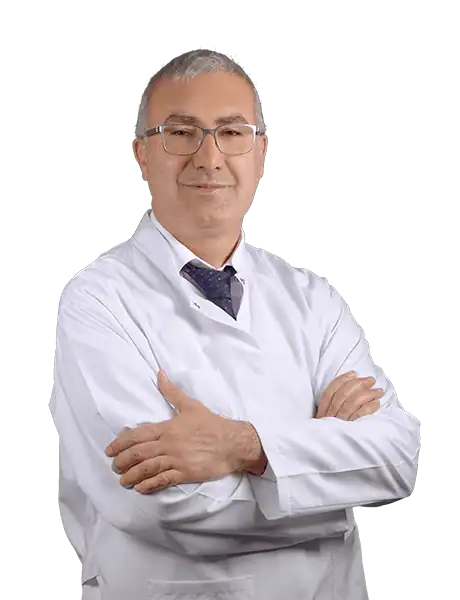
Assoc. Prof. Dr. Hasan Üstün
Medical Oncology
Assoc. Prof. Dr. Hatice Yılmaz
Medical Oncology
Assoc. Prof. Dr. Hilmi Kodaz
Medical Oncology
Prof. Dr. Hüseyin Engin
Medical Oncology