General Health Panel Blood Test: What It Shows and How to Prepare

A general health panel blood test usually combines several routine blood tests rather than one single test. It may evaluate blood cells, blood sugar, electrolytes, kidney function, liver function, and cholesterol.
Key Takeaways
- A general health panel blood test usually combines several routine blood tests rather than one single test.
- It may evaluate blood cells, blood sugar, electrolytes, kidney function, liver function, and cholesterol.
- Preparation depends on the exact tests ordered, and some panels require fasting while others do not.
- Abnormal results do not always mean disease, but they should be reviewed in context by a doctor.
- Regular blood testing can support prevention, early detection, and monitoring of ongoing health conditions.
A general health panel blood test is a group of routine lab tests that helps assess overall health, organ function, and possible early signs of common medical conditions. Understanding what it includes and how to prepare can make the process easier and help patients get the most useful results.
Overview
A general health panel blood test is a common way to check how the body is functioning overall. It usually refers to a set of laboratory tests ordered together during a routine checkup, before surgery, or when a doctor wants a broad picture of a person’s health. Rather than diagnosing every condition, it helps identify patterns that may need closer attention.
Depending on age, symptoms, medical history, and the reason for testing, the panel may include a complete blood count, blood sugar, electrolytes, kidney function tests, liver enzymes, and a lipid profile. Some doctors may also add thyroid tests, iron studies, vitamin levels, or inflammation markers when appropriate.
These blood tests can help detect signs of anemia, infection, diabetes, dehydration, kidney problems, liver disease, or high cholesterol. They are also useful for monitoring people who already have a known condition or who take medicines that can affect certain organs.
In many cases, results are normal and reassuring. If one or more values fall outside the reference range, that does not automatically mean something is seriously wrong. Test results need to be interpreted together with symptoms, physical examination, medications, and sometimes repeat testing.
What a General Health Panel Usually Shows
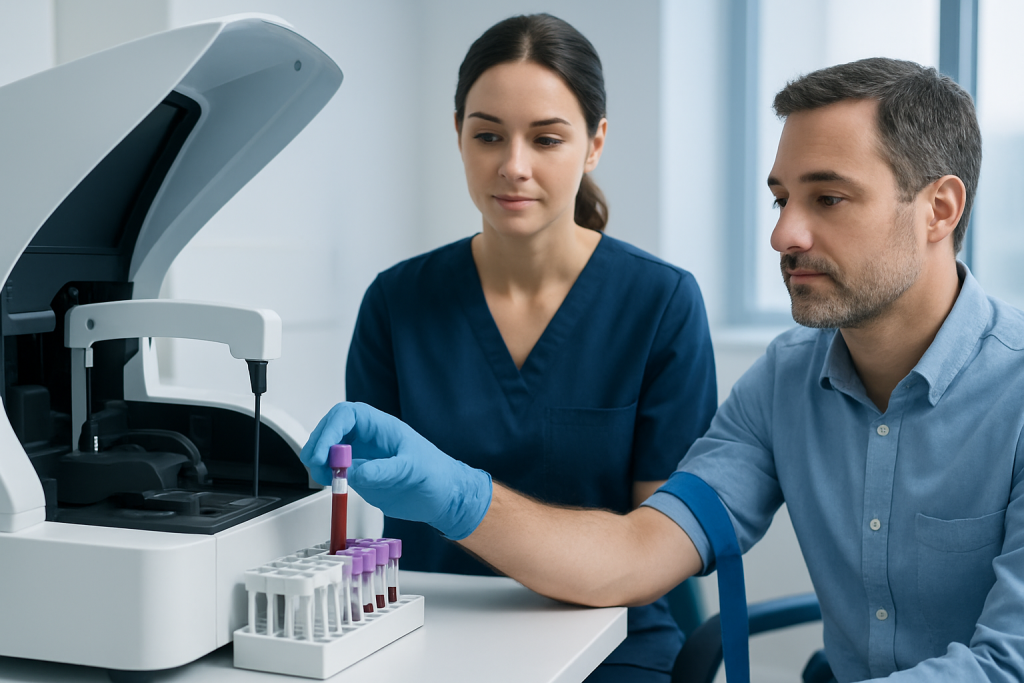
The exact contents of a general health panel blood test vary by clinic and country, but several core tests are commonly included. Each one looks at a different part of health, which is why the panel can provide a useful overview.
A complete blood count, often called a CBC, measures red blood cells, white blood cells, hemoglobin, hematocrit, and platelets. This can help show whether there may be anemia, signs of infection or inflammation, or issues affecting blood clotting.
A metabolic panel may measure glucose, sodium, potassium, calcium, bicarbonate, and markers of kidney function such as creatinine and blood urea nitrogen. These values can reflect hydration status, blood sugar control, kidney health, and the body’s chemical balance.
Liver tests commonly include enzymes such as ALT, AST, alkaline phosphatase, and bilirubin. A lipid profile often measures total cholesterol, LDL cholesterol, HDL cholesterol, and triglycerides. Together, these tests can help assess risks related to heart and vascular health, including high cholesterol.
- CBC: blood cells and platelets
- Glucose: blood sugar levels
- Kidney markers: creatinine and related values
- Liver markers: enzymes and bilirubin
- Electrolytes: sodium, potassium, and others
- Lipid profile: cholesterol and triglycerides
Why Doctors Order It

Doctors may recommend a general health panel blood test during routine preventive care, especially for adults who want a baseline view of their health. It is also often ordered before planned procedures, after a period of illness, or when a person has symptoms such as fatigue, weight change, dizziness, swelling, fever, or frequent urination.
The test is especially helpful because many common conditions do not cause noticeable symptoms in their early stages. High blood sugar, abnormal cholesterol, mild kidney disease, and some liver problems may only become apparent through routine blood work. Early detection can make follow-up and treatment more effective.
For people with known conditions, these tests can support ongoing monitoring. A doctor may repeat certain blood tests to follow diabetes, cholesterol problems, medication effects, or issues involving the kidneys or liver. In some cases, a broader workup may lead to more focused testing, such as diabetes evaluation or blood pressure and cardiovascular risk assessment.
General health panels are not meant to replace a full medical evaluation. They are one part of a larger picture that includes personal history, family history, lifestyle, physical examination, and other tests when needed.
How to Prepare for the Test
Preparation for a general health panel blood test depends on which tests are included. Some panels can be done at any time of day, while others require fasting for several hours beforehand. If fasting is needed, the doctor or laboratory usually advises not eating or drinking anything except water for the specified period.
It is important to follow instructions carefully because food, drinks, alcohol, supplements, and some medicines can affect results. Blood sugar and triglyceride levels, for example, may change after eating. Patients should not stop prescribed medications unless their doctor specifically tells them to do so.
Good hydration can make blood collection easier, unless there are instructions to limit fluids for another reason. Wearing clothing with sleeves that can be rolled up may also help. People who have fainted during blood draws before should let the healthcare team know in advance.
Before the test, it can help to bring a list of medications, vitamins, and supplements. Recent illness, strenuous exercise, menstruation, and pregnancy can also influence some results, so sharing this information with the doctor is useful. When a more detailed assessment is needed, a physician may combine blood work with other evaluations such as check-up and screening.
What Happens During and After the Blood Draw
A blood draw is usually quick and straightforward. A healthcare professional places a tourniquet around the upper arm, cleans the skin, inserts a small needle into a vein, and collects one or more tubes of blood. Most people feel a brief pinch or pressure, and the process often takes only a few minutes.
After the sample is taken, light pressure is applied to reduce bruising, and a small bandage is placed over the site. Mild soreness or a small bruise can happen, but this usually improves within a day or two. Serious complications are uncommon.
Results may be available the same day or within a few days, depending on the laboratory and the types of tests ordered. Laboratories provide reference ranges, but these ranges can vary slightly between labs, and normal values may differ by age, sex, and individual circumstances.
If a result is unexpected, a doctor may recommend repeating the test, especially if there were factors that could affect accuracy, such as fasting problems, dehydration, or a recent illness. Additional testing may be advised if a result suggests a specific issue that needs more investigation.
Understanding the Results
It is natural to focus on any result marked high or low, but one abnormal number does not always mean a disease is present. Some values change temporarily because of stress, exercise, mild infections, diet, menstrual cycle, or medications. Doctors look for patterns across the full panel rather than relying on a single result alone.
For example, low hemoglobin may suggest anemia, but the likely cause depends on other blood cell measurements and the person’s history. Elevated glucose may point to a problem with blood sugar regulation, but confirmation may require repeat testing or a separate diabetes-specific test. Slightly raised liver enzymes may be related to fatty liver, alcohol use, medications, or a recent viral illness.
When cholesterol values are high, doctors often consider the overall cardiovascular picture, including blood pressure, smoking status, family history, weight, and activity level. If kidney markers are abnormal, they may review fluid intake, medication use, and urinary symptoms before deciding on next steps. In selected cases, further assessment may include imaging or specialist review, and some patients may benefit from services such as cardiology check-up if cardiovascular risk factors are found.
Patients should review results with a qualified doctor rather than trying to interpret them in isolation. This helps prevent unnecessary worry and ensures that any true abnormalities are followed appropriately.
Follow-Up, Prevention, and Self-Care
When a general health panel blood test is normal, it can serve as a helpful baseline for future comparisons. Even with normal results, healthy habits remain important. A balanced diet, regular physical activity, adequate sleep, stress management, and avoiding tobacco all support long-term health.
If the test shows changes that may be related to lifestyle, a doctor may suggest practical steps such as improving food choices, reducing alcohol intake, increasing exercise, or working toward a healthy weight. Repeat testing after a period of lifestyle change is often used to see whether these measures are helping.
People with chronic conditions may need regular monitoring at intervals recommended by their doctor. This can be especially important for diabetes, kidney disease, liver disease, thyroid disorders, and cholesterol problems. In some cases, additional supportive assessments such as internal medicine check-up can help organize follow-up care.
Near the end of the care pathway, some patients may also seek coordinated international evaluation. Acibadem International’s multidisciplinary specialists and JCI-accredited hospitals diagnose and treat a wide range of conditions for international patients, with testing and follow-up planned according to individual needs.
When to See a Doctor
A general health panel blood test is often planned in advance, but medical advice should be sought sooner if a person has ongoing symptoms such as unusual fatigue, unexplained weight loss, persistent fever, shortness of breath, swelling, jaundice, frequent thirst, or changes in urination. These symptoms do not always mean a serious problem, but they deserve proper assessment.
Medical review is also important when test results are abnormal, especially if several markers are outside the expected range or if symptoms are present at the same time. A doctor can explain what the findings may mean, whether repeat testing is needed, and what type of follow-up is most appropriate.
People with a strong family history of diabetes, heart disease, kidney disease, thyroid disease, or high cholesterol may benefit from regular screening even if they feel well. Preventive blood testing is most useful when it is tailored to age, risk factors, and personal health history.
Seeking guidance from a qualified healthcare professional helps ensure that blood test results are interpreted safely and in context. This supports timely treatment when needed and avoids unnecessary concern when small changes are not clinically significant.
Frequently asked questions
Is a general health panel blood test the same as one single test?
No. A general health panel blood test usually refers to a group of routine blood tests ordered together. The exact combination can vary depending on the doctor, the laboratory, and the reason for testing.
Do patients need to fast before a general health panel blood test?
Sometimes, but not always. Fasting may be needed if the panel includes tests such as glucose or triglycerides, so it is important to follow the laboratory or doctor's instructions carefully.
What can a general health panel blood test detect?
It can show signs that may suggest anemia, infection, blood sugar problems, kidney or liver issues, electrolyte imbalance, or abnormal cholesterol. It is a screening and monitoring tool, not a complete diagnosis by itself.
Does an abnormal result always mean there is a disease?
No. Some results are temporarily affected by diet, hydration, exercise, stress, medications, or recent illness. A doctor needs to interpret the findings together with symptoms and medical history.
How often should someone have a general health panel blood test?
That depends on age, health status, family history, symptoms, and whether there are ongoing medical conditions. Some people have routine testing during regular checkups, while others need it more or less often based on individual risk.
Can medications or supplements affect the results?
Yes. Prescription medicines, over-the-counter drugs, and vitamins or herbal supplements can influence some blood values. Patients should tell their doctor and the laboratory about everything they are taking.
References
- World Health Organization
- Centers for Disease Control and Prevention
- National Institute of Diabetes and Digestive and Kidney Diseases
- MedlinePlus
- American Heart Association
This article is for general information only and is not a substitute for professional medical advice. Please consult a qualified doctor about your individual situation.
Explore treatments in Turkey — costs, top hospitals & a free quote
JCI-accredited · board-certified surgeons · reply within 24h
Add us as a Preferred Source to see more of our trusted health content across Google Search, AI Overviews and Discover.
Check your numbers in seconds
BMI, calories, due date, blood pressure and 30+ more clinical calculators — free, instant, doctor-reviewed ranges.