Code Blue Hospital: A Complete Medical Overview

A code blue in a hospital usually means a patient needs immediate life-saving treatment. The most common reasons are cardiac arrest, severe breathing problems, or sudden collapse.
Key Takeaways
- A code blue in a hospital usually means a patient needs immediate life-saving treatment.
- The most common reasons are cardiac arrest, severe breathing problems, or sudden collapse.
- Hospitals use code blue systems to mobilize a trained team quickly and follow standard emergency steps.
- Early CPR, defibrillation when needed, and rapid treatment improve the chance of survival.
- Family members should know that a code blue is a coordinated medical response, not a diagnosis.
Code blue hospital refers to a hospital emergency alert used when a patient has a life-threatening event, most often cardiac arrest or severe breathing failure. It signals a trained team to respond immediately with CPR, defibrillation, airway support, and other urgent treatments.
Overview: What Does Code Blue Hospital Mean?
Code blue hospital is a term used in many hospitals to announce a medical emergency that requires immediate, expert response. In most settings, it means a person is in cardiac arrest, has stopped breathing, or is in another life-threatening condition that needs urgent life support. The announcement is designed to bring a specialized team and emergency equipment to the patient without delay.
Although the exact wording and protocols can differ between hospitals and countries, the purpose is similar: to activate a fast, organized response. Team members may include doctors, nurses, respiratory therapists, and other clinicians trained in resuscitation. They work together to assess the patient, start CPR if needed, support breathing, monitor heart rhythm, and deliver defibrillation or medications when appropriate.
For patients and families, the term can sound alarming. It helps to know that a code blue is part of a structured safety system. Hospitals practice these events regularly so the team can move quickly and follow evidence-based steps during a real emergency.
What Happens During a Code Blue?
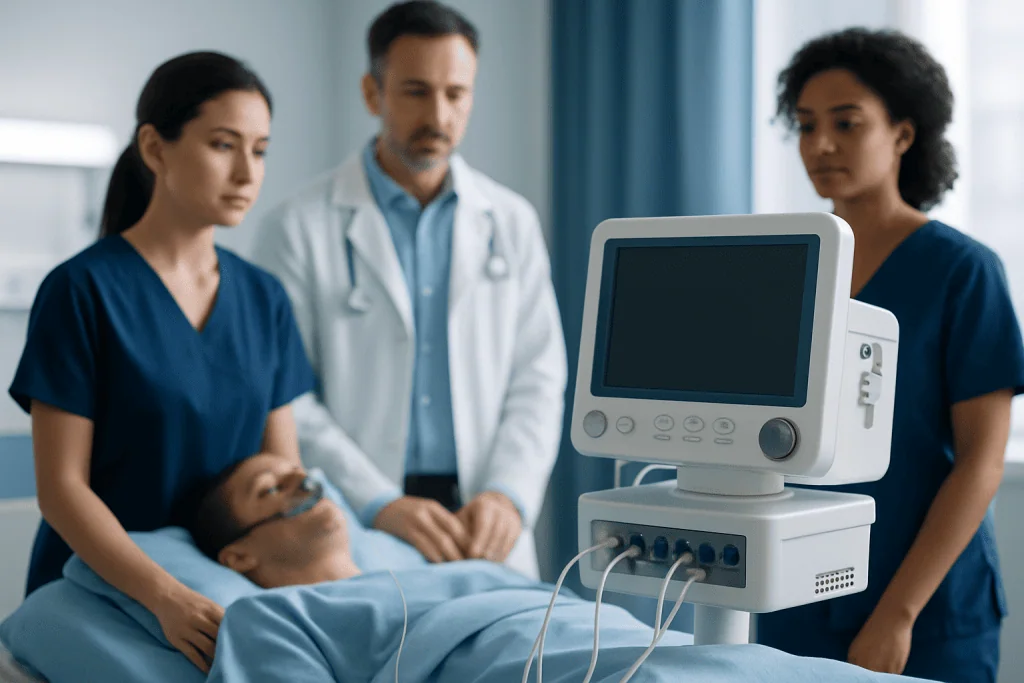
When a code blue is called, the first priority is to confirm the emergency and begin basic life support right away. If a patient has no pulse or is not breathing normally, staff start chest compressions and call for the code team. Emergency equipment such as a defibrillator, oxygen, suction, airway tools, and medications is brought to the bedside.
The team then follows a clear sequence. One clinician may lead the response, while others perform CPR, manage the airway, check the heart rhythm, place intravenous access, document events, and communicate with nearby staff or family. If the rhythm is shockable, defibrillation may be used. If the patient has a reversible cause such as low oxygen, a severe electrolyte problem, bleeding, or a drug reaction, the team treats that as well.
After the immediate emergency, the next steps depend on the outcome. A patient who regains circulation may be transferred to intensive care for close monitoring and treatment of the underlying cause. If the person does not respond, the team continues resuscitation according to clinical guidelines and the patient’s care plan, including any known advance directives.
- Immediate assessment of breathing, pulse, and consciousness
- Start of CPR when indicated
- Defibrillation for certain abnormal heart rhythms
- Airway and oxygen support
- Search for and treat the underlying cause
Why a Code Blue May Be Called

A code blue is not a diagnosis itself. It is an emergency response to a life-threatening event. The most common trigger is cardiac arrest, where the heart suddenly stops pumping effectively. This may happen because of a heart attack, a dangerous arrhythmia, severe heart failure, major blood loss, or other critical conditions. Patients with heart attack or arrhythmia can be at increased risk of sudden deterioration.
Breathing emergencies are another major reason. Severe asthma, pneumonia, choking, complications after surgery, pulmonary embolism, or advanced lung disease can cause the oxygen level to fall rapidly. If breathing stops or becomes ineffective, a code blue may be called so the patient can receive urgent airway support and resuscitation.
Other causes include severe infections, stroke, medication reactions, trauma, electrolyte disturbances, or complications of chronic illness. In hospitalized patients, a code blue can also follow warning signs that were not reversible despite earlier treatment. Many hospitals also use rapid response teams to intervene before a full code blue is needed.
Warning Signs Before a Code Blue
Not every code blue happens without warning. In many cases, patients show signs of deterioration first. These can include increasing shortness of breath, chest pain, confusion, bluish lips, a sudden drop in blood pressure, very fast or very slow heart rate, reduced oxygen levels, or a new loss of consciousness. Recognizing these changes early can help staff respond before the situation becomes a cardiac arrest.
Hospitals often use early warning scores, bedside monitoring, and rapid response systems to identify patients who are becoming critically ill. A rapid response team may be called when the patient is unstable but still has a pulse and is breathing. This earlier step can sometimes prevent a code blue by allowing faster treatment of the underlying problem.
For family members, it is reasonable to alert staff if a hospitalized loved one suddenly seems much worse, unusually sleepy, confused, or unable to breathe comfortably. Families should not feel they are interrupting care by speaking up. In many hospitals, family concerns can help prompt reassessment.
Diagnosis and Immediate Medical Evaluation After the Event
Once the patient is stabilized, doctors focus on finding out why the emergency happened. This evaluation may include a physical examination, blood tests, heart monitoring, electrocardiogram, chest imaging, and sometimes bedside ultrasound. The goal is to identify problems such as a heart attack, severe infection, internal bleeding, blood clot, low oxygen, or metabolic imbalance.
If the event was related to the heart, clinicians may use more advanced tests and procedures. Depending on the situation, treatment could involve coronary angiography to look for blocked heart arteries or ongoing cardiac rhythm monitoring to detect recurrent arrhythmias. Some patients may need intensive care, ventilator support, or medications to support blood pressure and organ function.
Neurologic assessment is also important, especially after a period of reduced blood flow to the brain. Doctors monitor consciousness, reflexes, and recovery over time. The exact tests and timing depend on the patient’s condition, medical history, and how long resuscitation was needed.
Treatment Options and Recovery After a Code Blue
Treatment after a code blue depends on the cause of the emergency and the patient’s overall condition. In the first phase, care focuses on stabilizing breathing, circulation, and oxygen delivery. This may include oxygen therapy, airway support, intravenous fluids, treatment for infection, control of bleeding, management of blood sugar or electrolytes, and medicines for heart rhythm or blood pressure.
When the emergency is caused by a heart problem, further treatment may involve specialist cardiac care, rhythm management, or procedures to restore blood flow. Some patients need intensive care observation because the first hours after resuscitation are important for detecting recurrent instability or organ complications. Others may recover more quickly once the underlying issue is corrected.
Recovery can be physical and emotional. Patients may feel weak, sore, confused, or tired after CPR and critical illness. Families may also need clear communication about what happened, what treatments were given, and what the next steps are. Near the end of the care pathway, hospitals may discuss rehabilitation, prevention of recurrence, and future emergency planning. Acibadem International’s multidisciplinary specialists in JCI-accredited hospitals diagnose and treat critically ill international patients when advanced evaluation and coordinated care are needed.
Prevention, Self-Care, and When to Seek Medical Care
Not all code blue events can be prevented, but some risks can be lowered by managing chronic illnesses and seeking help early for warning symptoms. Good control of heart disease, lung disease, diabetes, kidney disease, and infections may reduce the chance of sudden deterioration. Following prescribed treatment, keeping follow-up appointments, and discussing concerning symptoms promptly are important steps.
In hospital, prevention also depends on regular monitoring, medication review, fall prevention, and quick escalation when a patient worsens. If a person has known heart disease or recurrent rhythm problems, doctors may recommend targeted evaluation such as electrophysiology assessment or additional cardiac testing. Patients and families can support safety by sharing the full medical history, allergies, medication use, and prior emergency events.
When to seek medical care: urgent medical attention is needed for chest pain, sudden shortness of breath, fainting, new confusion, severe weakness, bluish skin or lips, or a fast change in consciousness. In the community setting, emergency services should be called immediately if a person collapses, is unresponsive, has no normal breathing, or may be in cardiac arrest. In a hospital, notify staff at once if a patient suddenly becomes much more unwell.
Frequently asked questions
Is code blue always the same in every hospital?
No. The exact terminology and protocol can vary by hospital or country. However, code blue commonly refers to a life-threatening emergency requiring immediate resuscitation or advanced life support.
Does code blue always mean cardiac arrest?
Often, but not always. It usually means cardiac arrest, respiratory arrest, or another sudden event where the patient is critically unstable and needs urgent intervention right away.
What is the difference between a rapid response and a code blue?
A rapid response is typically called when a patient is worsening but has not yet had a full arrest. A code blue is generally used when the patient is unresponsive, not breathing normally, or has no pulse and needs immediate life-saving measures.
Can family members call for help if they think a patient is getting worse?
In many hospitals, yes. Families should tell the nurse or nearby staff immediately if they notice sudden changes such as trouble breathing, confusion, collapse, or severe distress. Some hospitals also have family-activated rapid response systems.
What happens after someone survives a code blue?
After return of circulation or breathing, the patient is monitored closely and doctors look for the cause of the emergency. Further care may involve intensive care, heart tests, breathing support, infection treatment, or rehabilitation depending on the situation.
Can code blue events be prevented?
Some can be reduced by early recognition of warning signs and good management of underlying medical conditions. In hospitals, monitoring systems and rapid response teams are designed to identify and treat deterioration before it becomes a full emergency.
References
- American Heart Association
- European Resuscitation Council
- National Heart, Lung, and Blood Institute
- Mayo Clinic
- World Health Organization
This article is for general information only and is not a substitute for professional medical advice. Please consult a qualified doctor about your individual situation.
Heart care in Turkey — expert evaluation and treatment
JCI-accredited · board-certified surgeons · reply within 24h
Add us as a Preferred Source to see more of our trusted health content across Google Search, AI Overviews and Discover.
Check your numbers in seconds
BMI, calories, due date, blood pressure and 30+ more clinical calculators — free, instant, doctor-reviewed ranges.

More from the Health Library

Docosanol: What Patients Need to Know

Kirkland Minoxidil: What Patients Need to Know

Panlobular Emphysema: What Patients Need to Know

Torn Tricep: A Complete Medical Overview

Amylase and Lipase — Explained by Medical Evidence, Not Myths