Chemo Cytarabine: How It Works, Results and What to Expect
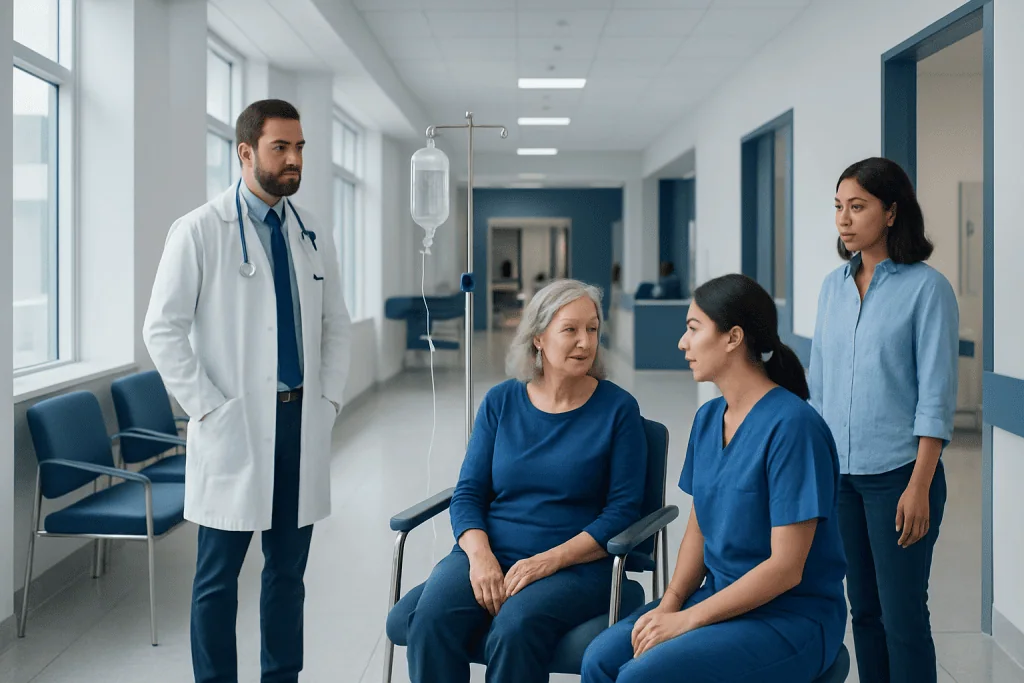
Cytarabine is a cornerstone treatment for acute myeloid leukemia and is also used in some acute lymphoblastic leukemia regimens. It may be given under the skin, into a vein, into spinal fluid, or occasionally by another route depending on the treatment goal.
Key Takeaways
- Cytarabine is a cornerstone treatment for acute myeloid leukemia and is also used in some acute lymphoblastic leukemia regimens.
- It may be given under the skin, into a vein, into spinal fluid, or occasionally by another route depending on the treatment goal.
- Low blood counts, infection risk, fatigue, nausea and mouth soreness are common concerns, particularly after higher doses.
- Response is assessed with blood tests, bone marrow examinations and the patient's overall clinical condition rather than symptoms alone.
- Fever during cytarabine treatment needs urgent medical assessment because it may signal infection when white blood cells are low.
Chemo cytarabine is an antimetabolite chemotherapy medicine used most often to treat acute leukemias and certain related blood cancers. It interferes with DNA production in rapidly dividing cells, so careful blood-test monitoring and supportive care are central parts of treatment.
Chemo Cytarabine: An Overview
Chemo cytarabine is a chemotherapy medicine that treats certain blood cancers, especially <a href="https://acibademinternational.com/diseases/acute-myeloid-leukemia/”>acute myeloid leukemia (AML). It works by blocking the ability of rapidly dividing cells to copy their DNA, which can slow or destroy leukemia cells. The exact schedule, dose and combination of medicines depend on the diagnosis, the person’s health, laboratory findings and the aim of treatment.
Cytarabine is also called cytosine arabinoside or Ara-C. It is commonly used as part of combination chemotherapy rather than as a stand-alone medicine. In AML, it may be used to induce remission, to deepen or maintain a remission, or in treatment for relapsed disease. It can also have a role in some acute lymphoblastic leukemia (ALL) treatment plans and in preventing or treating leukemia involving the central nervous system.
Although cytarabine targets cancer cells, it can temporarily affect healthy fast-growing cells in the bone marrow, digestive tract and hair follicles. Oncology teams plan monitoring, infection prevention and symptom relief alongside chemotherapy so treatment can be delivered as safely as possible.
How Cytarabine Works and Who May Receive It
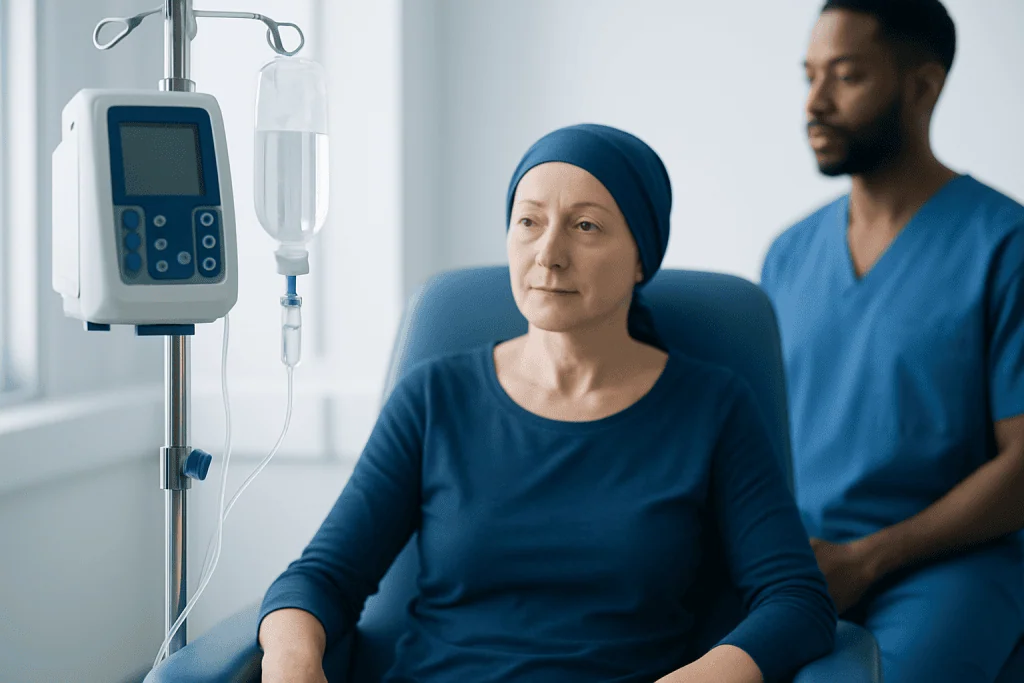
Cytarabine is an antimetabolite. After it enters cells, it is converted into an active form that resembles a natural building block of DNA. When a leukemia cell tries to divide, cytarabine disrupts DNA synthesis and replication. Cells that are dividing quickly are generally more sensitive to this effect, which is why cytarabine is useful in acute leukemias.
Candidacy is determined by a hematologist-oncologist after reviewing the exact leukemia type, genetic and molecular test results, blood counts, kidney and liver function, heart and lung health, age, daily functioning and previous treatment. For people with AML, the intensity of therapy may range from intensive inpatient regimens to lower-intensity approaches, depending on what is medically appropriate.
Cytarabine can be used at standard or high doses. Higher-dose treatment may provide an important benefit in selected situations but also requires closer observation for effects on the nervous system, eyes, liver and blood counts. The treatment plan is individualized; a medicine that is suitable for one person may not be the safest or most effective choice for another.
What Happens During Cytarabine Treatment

The way cytarabine is given depends on the protocol. It may be injected under the skin, infused into a vein through a cannula or central venous catheter, or injected into the fluid surrounding the spinal cord and brain when central nervous system treatment is needed. Intravenous treatment may take place in hospital or an outpatient infusion unit; intensive leukemia treatment often involves a hospital stay because blood counts can become very low.
Before each cycle or dose, the care team usually checks blood counts and may assess kidney and liver function. During treatment, clinicians ask about fever, bleeding, bowel changes, mouth pain, rash, eye symptoms and changes in balance, coordination or thinking. Medicines to prevent nausea, blood products, antibiotics or antivirals, and other supportive treatments may be recommended when clinically indicated.
Bone marrow testing is often performed at planned points in leukemia treatment, such as after induction therapy or before a consolidation phase. This test helps show whether leukemia cells remain and guides next steps. It is more reliable than judging response by how a person feels on any one day.
- Bring an up-to-date list of medicines, supplements and allergies to every appointment.
- Ask the treatment team whom to contact after hours and what temperature requires an urgent call.
- Do not start vitamins, herbal products or over-the-counter medicines without checking with the oncology team.
Benefits, Risks and Expected Recovery Timeline
The main potential benefit of chemo cytarabine is control of leukemia cells, including achieving remission when used in an appropriate regimen. In acute leukemia, remission means that blood and bone marrow findings no longer show detectable evidence of active disease by standard testing. It does not always mean that treatment is finished, as additional therapy may be needed to reduce the chance of recurrence.
Blood counts often begin to fall during or shortly after a treatment course. The lowest point, often called the nadir, can occur about one to two weeks after treatment, though timing differs substantially by regimen and individual. During this period, fatigue, infection risk, bruising or bleeding may increase. Blood counts may take several weeks to recover after intensive therapy, and recovery can be longer if further treatment is planned or complications occur.
Common side effects include tiredness, nausea, vomiting, diarrhea or constipation, appetite changes, mouth sores, rash and low blood counts. More serious but less common effects can include severe infection, significant bleeding, allergic reactions, inflammation of the eyes, liver changes, lung problems and neurologic toxicity, particularly with high-dose cytarabine. The care team may use preventive eye drops with high-dose treatment and will adjust or pause therapy if safety concerns arise.
Recovery is not measured only by blood counts. Energy, appetite, sleep, emotional wellbeing and ability to return to regular activities may improve gradually. Rest, adequate fluids, food safety and gentle activity as advised can support recovery, but patients should follow the specific precautions provided by their oncology team.
Is Cytarabine a Strong Chemo?
Cytarabine is considered a potent chemotherapy medicine because it can strongly suppress bone marrow activity and is used in intensive treatment regimens for acute leukemia. However, “strong” is not a precise medical term. Its effects depend on the dose, schedule, other chemotherapy medicines used at the same time and a person’s individual health.
High-dose cytarabine requires particularly close monitoring because some side effects, including effects on coordination, speech, balance and the eyes, become more likely at higher exposures. Clinicians assess these risks before and during therapy and may change the plan if concerning symptoms or laboratory results develop.
Many people receive cytarabine safely with comprehensive supportive care. The oncology team balances the expected benefit of treatment against possible harms and explains why a particular intensity of therapy has been recommended.
What Are Some Signs That Chemotherapy Is Working?
Symptoms alone cannot reliably show whether chemotherapy is working. Some people feel better as leukemia-related symptoms improve, such as fever, tiredness, shortness of breath or bleeding caused by low blood counts. However, treatment itself can also cause fatigue and low blood counts, so feeling unwell does not necessarily mean the medicine is ineffective.
For leukemia, the most meaningful measures of response are blood tests, bone marrow examination and, when relevant, specialized tests that look for remaining leukemia cells. The healthcare team compares these results with those obtained before treatment and uses them to discuss remission status and future treatment options.
It can be helpful to report changes in symptoms, but patients should avoid interpreting day-to-day changes as a sign of success or failure. Asking when response testing is planned and what the results will mean can make the treatment process easier to understand.
When Are the Worst Days After Chemo Treatment?
There is no single worst day for everyone receiving cytarabine. Nausea, tiredness or bowel changes may occur during treatment or in the first few days afterward, while blood counts may reach their lowest levels around one to two weeks after a course. The timing can differ with the treatment protocol, dose, other medicines and a person’s previous therapy.
When white blood cells are low, the body may have less ability to fight infection. When platelets are low, bruising or bleeding may occur more easily; low red blood cells can contribute to tiredness or breathlessness. Regular blood tests allow the team to identify these changes and provide support such as transfusions or infection treatment when needed.
Patients should follow their unit’s instructions about temperature checks, food safety, activity and visitors. A treatment diary can help identify patterns in symptoms and ensure important details are shared with the clinical team.
Do You Lose Your Hair With Cytarabine?
Hair thinning or hair loss can occur with cytarabine, particularly when it is used in intensive combination chemotherapy, but it is not experienced by everyone. The likelihood and extent of hair loss depend on the dose and schedule of cytarabine and on the other medicines included in the treatment regimen.
If hair loss occurs, it commonly begins a few weeks after chemotherapy starts. It is usually temporary, and hair often starts to grow back after treatment has ended and the body is recovering, although texture or color may initially be different. The timing of regrowth varies.
Practical support may include a gentle hair-care routine, soft head coverings, wigs or scalp protection from sun and cold. An oncology nurse can discuss local resources and ways to manage this change comfortably.
When to Seek Medical Care
Contact the oncology team urgently for a fever or chills, or for any temperature threshold the team has provided. Fever can be the only sign of a serious infection when white blood cell counts are low. Do not take fever-reducing medicine to mask a temperature without first following the team’s advice.
Urgent medical assessment is also important for uncontrolled vomiting or diarrhea, inability to drink fluids, new confusion, severe headache, changes in vision, problems with balance or coordination, chest pain, trouble breathing, severe abdominal pain, unusual bleeding, black stools, blood in urine, or a widespread blistering rash. These symptoms may have many causes but should not be managed alone during chemotherapy.
Acibadem International’s multidisciplinary specialists and JCI-accredited hospitals support international patients receiving evaluation and treatment for leukemia. Decisions about cytarabine should always be made with a qualified hematology-oncology team that knows the person’s diagnosis and treatment history.
Frequently asked questions
What is chemo cytarabine used for?
Cytarabine is used mainly to treat acute myeloid leukemia and may also be included in treatment plans for acute lymphoblastic leukemia and other blood cancers. It may be used to induce remission, as follow-up treatment after remission, or in relapsed disease. The reason for using it depends on the exact diagnosis and treatment goal.
How is cytarabine administered?
Cytarabine may be given into a vein, under the skin, or into the fluid around the brain and spinal cord in selected situations. The route and schedule are chosen according to the leukemia type, dose and treatment protocol. Some regimens require inpatient monitoring, while others may be provided in an outpatient setting.
How long do cytarabine side effects last?
Some effects, such as nausea or tiredness, may happen during treatment or soon afterward. Low blood counts can last for days to weeks, especially after intensive treatment, and their recovery is checked through regular blood tests. The oncology team can explain the expected timeline for the specific regimen.
Can cytarabine cause infections?
Cytarabine can lower white blood cell counts, which can increase the risk of infection. Patients should contact their oncology team immediately for fever, chills or other signs of infection, following the instructions they have been given. Preventive medicines and other supportive measures may be used for some patients.
Can I work or exercise during cytarabine chemotherapy?
This depends on blood counts, fatigue, infection risk, the treatment setting and the nature of the person’s work or activity. Gentle movement may be helpful for some people, but strenuous exercise and exposure to illness may need to be avoided during periods of low blood counts. The oncology team can give individualized guidance.
What tests monitor whether cytarabine is effective?
Blood counts and bone marrow examinations are central to assessing response in leukemia. Specialized laboratory tests may also be used to look for very small amounts of remaining leukemia cells. The timing and meaning of these tests depend on the treatment phase and diagnosis.
References
- National Cancer Institute
- American Cancer Society
- Leukemia & Lymphoma Society
- National Comprehensive Cancer Network
- European Society for Medical Oncology
This article is for general information only and is not a substitute for professional medical advice. Please consult a qualified doctor about your individual situation.
Oncology care in Turkey — second opinion and treatment plan
JCI-accredited · board-certified surgeons · reply within 24h
Add us as a Preferred Source to see more of our trusted health content across Google Search, AI Overviews and Discover.