Chemotherapy for Lung Cancer Stage 4: How It Works, Results and What to Expect
Stage 4 lung cancer is usually treated with medicines that work throughout the body rather than surgery alone. Chemotherapy may be used first, combined with immunotherapy, or given after other treatments depending on the cancer type and molecular test results.
Key Takeaways
- Stage 4 lung cancer is usually treated with medicines that work throughout the body rather than surgery alone.
- Chemotherapy may be used first, combined with immunotherapy, or given after other treatments depending on the cancer type and molecular test results.
- Treatment is commonly delivered in cycles, with regular scans and blood tests used to assess benefit and safety.
- Outcomes vary widely; tumor subtype, genetic changes, overall health and response to treatment all matter.
- Side effects can often be prevented or managed with supportive care, and new or severe symptoms should be reported promptly.
Chemotherapy for lung cancer stage 4 is a systemic treatment that travels through the bloodstream to treat cancer in the lung and areas where it has spread. It may shrink or control tumors, reduce symptoms and help people live longer, either alone or combined with immunotherapy, targeted therapy or other supportive treatments.
Overview: chemotherapy for lung cancer stage 4
Chemotherapy for lung cancer stage 4 uses medicines that circulate through the bloodstream to damage or destroy rapidly dividing cancer cells. At this stage, cancer has spread beyond the original lung to distant organs or tissues, so treatment usually focuses on controlling disease throughout the body, relieving symptoms and preserving daily quality of life.
Chemotherapy remains an important option for both non-small cell lung cancer and small cell lung cancer. Depending on the tumor’s cell type, molecular profile and the person’s health, it may be used alone, with immunotherapy, alongside radiation for selected symptoms, or after targeted therapy. A treatment plan is individualized and can change over time as the cancer responds or develops resistance.
Before treatment begins, the oncology team usually confirms the diagnosis and stage, reviews imaging and checks tumor tissue or blood for actionable genetic changes. This evaluation helps distinguish situations where targeted medicines or immunotherapy may be more suitable than chemotherapy alone.
How chemotherapy works and who may be a candidate
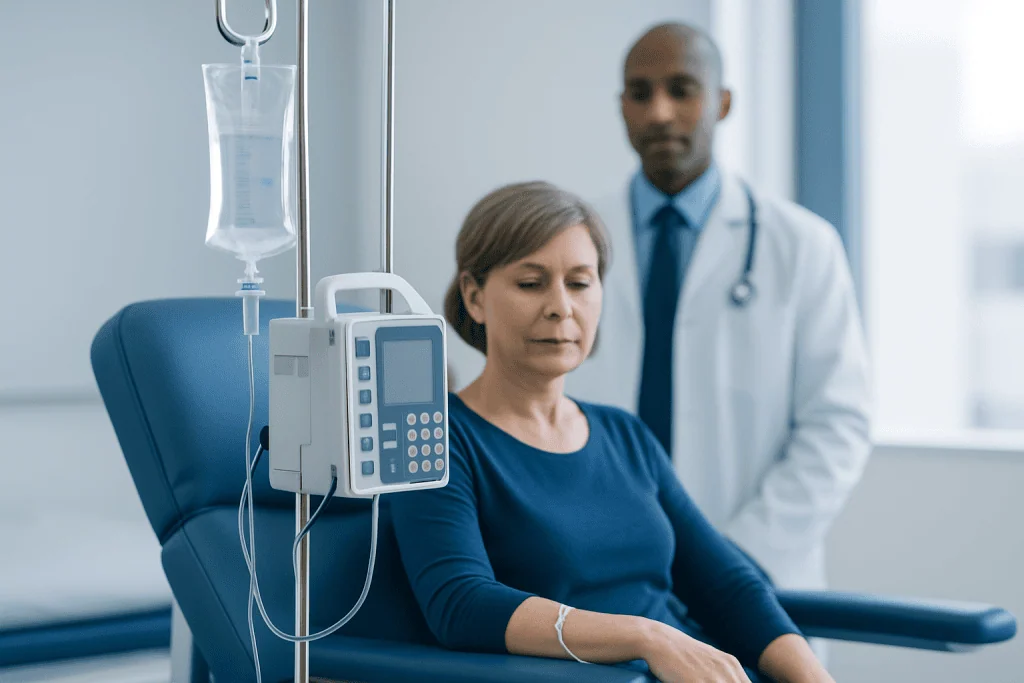
Chemotherapy medicines interfere with cell division or damage cancer-cell DNA. Because these medicines can also affect healthy cells that divide quickly, such as cells in the bone marrow, digestive tract and hair follicles, side effects may occur. Treatment is scheduled in cycles to allow the body time to recover between doses.
People may be considered for chemotherapy when stage 4 lung cancer is likely to respond to it, when the cancer is causing symptoms that need prompt control, or when targeted treatment is not appropriate or has stopped working. In many cases of metastatic non-small cell lung cancer without a targetable alteration, chemotherapy is combined with immunotherapy. Small cell lung cancer is commonly treated with chemotherapy, often together with immunotherapy in extensive-stage disease.
Suitability is based on more than cancer stage. Doctors consider the lung cancer subtype, molecular and PD-L1 testing, cancer locations, blood counts, kidney and liver function, other medical conditions, previous treatments and a person’s activity level and preferences. The care team also discusses goals of care, including symptom relief, time at home and the balance between likely benefits and side effects.
- Non-small cell lung cancer may be treated with a platinum-based chemotherapy combination, sometimes with immunotherapy.
- Small cell lung cancer often responds initially to chemotherapy-based treatment, although close follow-up is needed because recurrence can occur.
- Targeted therapy may be preferred when testing identifies certain tumor changes, such as EGFR, ALK, ROS1 or other actionable alterations.
What happens during chemotherapy treatment
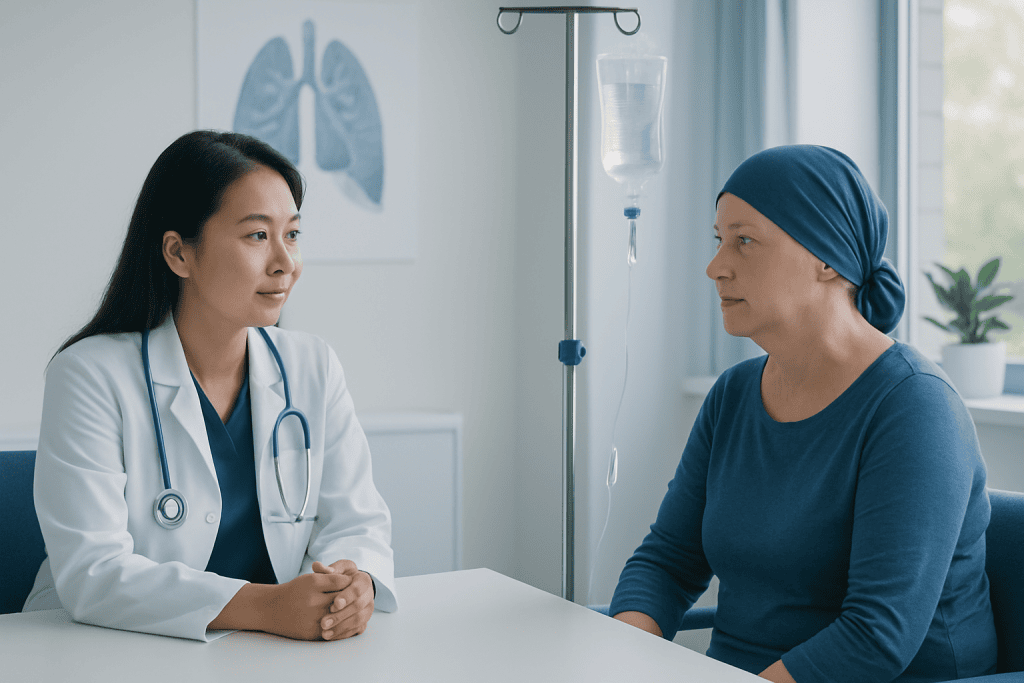
Before each cycle, patients generally have a consultation, blood tests and sometimes additional assessments to ensure treatment remains safe. The oncology team reviews symptoms, side effects, medications and any changes in health. Treatment may be delayed, adjusted or changed if blood counts are low or side effects are significant.
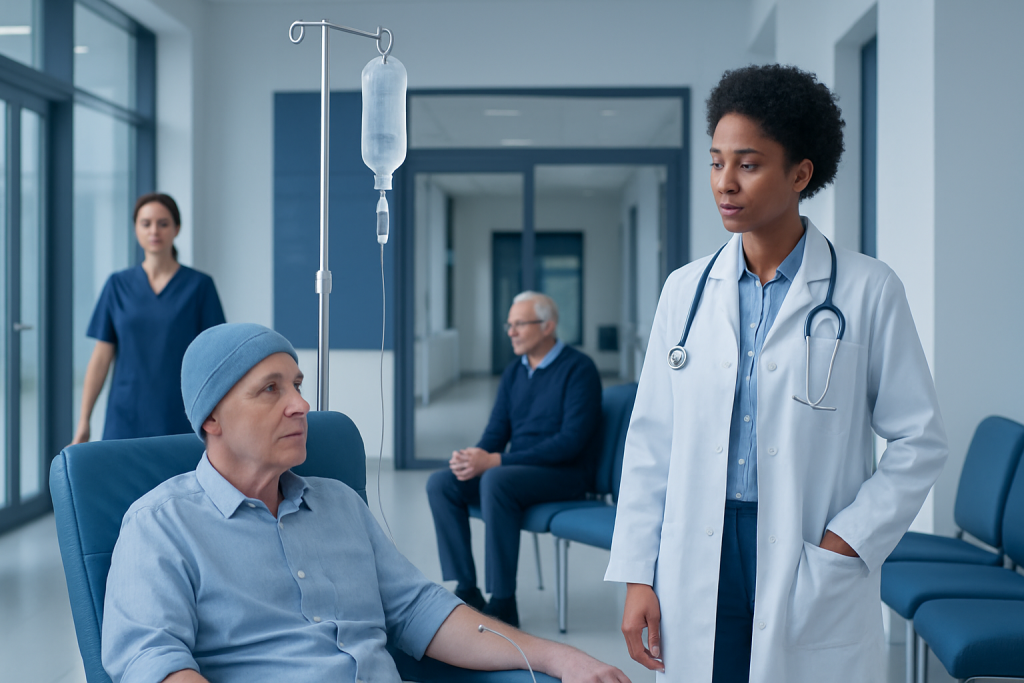
Most chemotherapy for lung cancer is given intravenously in an outpatient infusion unit. A nurse places an intravenous line or uses an implanted vascular access device when appropriate. Medicines to reduce nausea, allergic reactions or other treatment effects may be given before chemotherapy. The infusion itself can last from a short period to several hours, depending on the medicines used.
After the infusion, patients usually return home the same day. The team provides instructions about drinking fluids, managing nausea, watching for infection and contacting the clinic. Scans are commonly performed after several cycles to see whether tumors have shrunk, remained stable or progressed. This monitoring supports shared decisions about continuing, changing or stopping treatment.
Systemic treatment may be part of a broader plan that includes lung cancer treatment approaches such as radiation therapy for painful bone metastases, brain metastases or airway symptoms. Palliative care can also be introduced at any stage to help manage breathlessness, pain, fatigue, appetite changes and emotional concerns alongside cancer-directed treatment.
How successful is chemo for stage 4 lung cancer?
For stage 4 lung cancer, chemotherapy is usually not expected to cure the disease, but it can be successful in other meaningful ways. It may shrink tumors, slow their growth, reduce cancer-related symptoms and help extend survival. Some people also experience improved breathing, less pain or better energy when treatment controls the cancer.
The degree and duration of response differ substantially from person to person. Success depends on whether the cancer is non-small cell or small cell, the tumor’s genetic features, whether immunotherapy or targeted therapy is available, how widely cancer has spread and how well treatment is tolerated. Response is assessed with symptoms, examinations, blood tests and imaging rather than by a single measure alone.
For many people with advanced non-small cell lung cancer, combinations of chemotherapy and immunotherapy have improved outcomes compared with chemotherapy alone in appropriate clinical settings. However, not every person benefits from every treatment. Regular reassessment enables the care team to select the next most appropriate option, including clinical trials when available.
How many rounds of chemo is normal for stage 4 lung cancer?
There is no single normal number of chemotherapy rounds for stage 4 lung cancer. A first course often consists of several cycles, commonly given about every three weeks, but schedules vary by drug combination, cancer type and individual health needs. In many treatment plans, chemotherapy is given for a limited number of initial cycles and then followed by maintenance treatment, immunotherapy or close monitoring.
Some people receive fewer cycles because scans show progression, side effects become difficult to manage or another treatment is more appropriate. Others continue a maintenance medicine if it is controlling the cancer and remains tolerable. With small cell lung cancer, treatment schedules are also individualized, but a defined initial course is common.
It is helpful to think of chemotherapy as a plan that is reviewed repeatedly rather than a fixed commitment. At each visit, the oncologist considers scan results, symptoms, laboratory values and the person’s priorities. A change in treatment does not mean care has ended; it means the plan is being adapted to the cancer and the individual.
Recovery timeline, benefits and possible side effects
Recovery after each chemotherapy infusion varies. Some people feel tired or nauseated for a few days, while others have symptoms that develop later in the cycle. Blood cell counts may reach their lowest level one to two weeks after some chemotherapy medicines, which can temporarily increase the risk of infection. Many patients feel more recovered before the next cycle, although fatigue can build over time.
Potential benefits include tumor control, fewer symptoms, improved comfort and more time with stable disease. Common side effects can include fatigue, nausea, appetite or taste changes, constipation or diarrhea, hair thinning or loss, mouth soreness, numbness or tingling in the hands and feet, and low blood counts. The specific effects depend on the medicines used.
Supportive medicines, nutrition guidance, activity adapted to energy levels and early reporting of symptoms can make treatment more manageable. Patients should not wait until the next appointment to report a fever, worsening shortness of breath, uncontrolled vomiting, severe diarrhea, confusion, sudden weakness, chest pain or new severe pain. The oncology team can advise whether urgent assessment is needed.
Emotional well-being is also part of recovery. Counseling, social work support, pulmonary rehabilitation when suitable and conversations with family can help people navigate practical and personal changes during advanced cancer treatment.
How long do stage 4 lung cancer patients live with treatment?
Life expectancy with stage 4 lung cancer varies widely, and no individual timeline can be predicted accurately from stage alone. Treatment has improved substantially, particularly for people whose tumors respond to targeted therapies or immunotherapy. Some people live for months, while others live for years with carefully selected treatment and ongoing monitoring.
Important factors include the type of lung cancer, tumor molecular results, extent and location of spread, response to initial treatment, general health and access to supportive care. Statistics from large groups can describe broad patterns, but they cannot determine what will happen for one person. An oncologist who knows the full clinical situation is best placed to discuss an individual outlook.
It can be useful to ask the care team what the current treatment is intended to achieve, how response will be measured and what options may be available next. These discussions can help patients make informed choices that reflect their values, including whether the priority is disease control, symptom relief, treatment burden or a combination of these goals.
How long can you live with stage 4 cancer with chemo?
People can live very different lengths of time with stage 4 cancer while receiving chemotherapy. Chemotherapy may provide meaningful disease control for some people, but its benefit is not identical for everyone and may be temporary. In lung cancer, survival may be influenced by whether chemotherapy is paired with immunotherapy, followed by maintenance treatment or used after another medicine has stopped working.
Rather than relying on a general estimate, the oncology team follows how the individual cancer behaves. Imaging, symptoms and laboratory tests show whether chemotherapy is helping and whether its benefits continue to outweigh side effects. If the cancer progresses, there may still be further systemic treatments, radiation for selected areas, symptom-directed care or clinical trial options.
Advance care planning can be valuable alongside active treatment. It allows patients to communicate their wishes, identify the support they want and make decisions before an urgent situation arises. This planning is compatible with continuing chemotherapy and does not mean that treatment options have been exhausted.
When to seek medical care
Anyone with a new persistent cough, coughing up blood, unexplained weight loss, chest discomfort, increasing breathlessness or recurrent chest infections should arrange medical assessment. These symptoms have many possible causes, but timely evaluation is important, particularly for people with a history of smoking, occupational exposures or previous lung disease.
People receiving chemotherapy should contact their oncology team promptly if they develop a fever, chills, signs of infection, sudden worsening breathlessness, chest pain, severe weakness, confusion, dehydration or side effects that prevent eating or drinking. Emergency services should be contacted for severe breathing difficulty, fainting, major bleeding or other symptoms that feel life-threatening.
Acibadem International’s multidisciplinary specialists and JCI-accredited hospitals provide assessment and treatment planning for international patients with lung cancer. Care commonly brings together medical oncology, radiation oncology, thoracic surgery, pathology, radiology, respiratory medicine and supportive-care professionals.
Frequently asked questions
Is chemotherapy the first treatment for stage 4 lung cancer?
It can be, but the first treatment depends on the lung cancer subtype and biomarker test results. Some people benefit most from targeted therapy or immunotherapy, while others receive chemotherapy alone or combined with immunotherapy. A complete pathology and molecular assessment helps guide this decision.
Can stage 4 lung cancer go into remission with chemotherapy?
Chemotherapy can cause tumors to shrink significantly or become undetectable on scans in some people, especially when the cancer is responsive to treatment. In stage 4 disease, doctors more often describe this as a response or disease control rather than a permanent cure. Continued follow-up is needed because cancer can recur or progress.
Does chemotherapy hurt?
The infusion itself is usually not painful beyond the brief discomfort of an intravenous needle or access device. Some chemotherapy medicines can cause side effects after treatment, such as fatigue, nausea or numbness, but the oncology team can offer ways to prevent and manage many of these effects. Patients should report discomfort during an infusion immediately.
Can chemotherapy be stopped if side effects are too difficult?
Yes. Treatment can be delayed, dose-adjusted, changed or stopped when side effects outweigh the expected benefit or when a person chooses not to continue. Supportive and palliative care remain available regardless of whether cancer-directed treatment continues.
What should a person eat during chemotherapy for lung cancer?
There is no single diet that suits everyone during chemotherapy. Many people do best with regular fluids and small, nourishing meals that include protein and calories, especially if appetite is reduced. A dietitian can provide individualized advice for weight loss, nausea, taste changes, swallowing difficulties or diabetes.
Can palliative care be provided while receiving chemotherapy?
Yes. Palliative care can be provided at the same time as chemotherapy and other cancer treatments. It focuses on symptoms, emotional well-being, family support and practical concerns, and it can help people maintain quality of life throughout treatment.
References
- National Cancer Institute
- American Cancer Society
- National Comprehensive Cancer Network
- American Society of Clinical Oncology
- European Society for Medical Oncology
This article is for general information only and is not a substitute for professional medical advice. Please consult a qualified doctor about your individual situation.
Chemotherapy in Turkey — costs, top hospitals & a free quote
JCI-accredited · board-certified surgeons · reply within 24h
Add us as a Preferred Source to see more of our trusted health content across Google Search, AI Overviews and Discover.
Check your numbers in seconds
BMI, calories, due date, blood pressure and 30+ more clinical calculators — free, instant, doctor-reviewed ranges.

Medical Oncology Department
Medical treatment of cancer with chemotherapy, immunotherapy and targeted therapies under a multidisciplinary tumor board.
60 specialists in this unit