Chemotherapy Pee: How It Works, Results and What to Expect

Chemotherapy medicines are processed differently, so the time they remain in urine varies by drug, dose and individual health factors. Many cancer centers recommend extra precautions with urine and other body fluids for about 48 hours after chemotherapy, unless the oncology team advises otherwise.
Key Takeaways
- Chemotherapy medicines are processed differently, so the time they remain in urine varies by drug, dose and individual health factors.
- Many cancer centers recommend extra precautions with urine and other body fluids for about 48 hours after chemotherapy, unless the oncology team advises otherwise.
- Flushing twice with the toilet lid down, washing hands carefully and cleaning spills promptly can reduce exposure.
- Changes in urine color or smell can occur with some medicines, but blood in urine, severe pain or inability to pass urine requires medical advice.
- Treatment response cannot be judged by urine changes or day-to-day symptoms alone; scans, examinations and blood tests are more reliable.
Chemotherapy pee refers to urine passed after cancer treatment. Some chemotherapy medicines or their breakdown products can leave the body in urine for a limited time, so patients and caregivers may be advised to follow practical hygiene precautions after treatment.
Chemotherapy pee: what it means
Chemotherapy pee means urine passed after receiving chemotherapy. Depending on the medicine, a portion of the drug and its breakdown products may leave the body through urine. This is a normal part of how the body processes treatment and does not mean chemotherapy is “leaking” or that the kidneys are necessarily being harmed.
The amount of medicine present and how long it remains detectable vary widely. They depend on the chemotherapy drug, dose, treatment schedule, kidney and liver function, hydration, and whether the medicine is given by infusion, injection or tablet. The oncology team can provide the most appropriate instructions for the individual treatment plan.
Some people notice a temporary change in urine color or odor after treatment. Certain medicines can cause red, orange, dark yellow or blue-green urine, while dehydration can make urine look darker. A new or concerning change should still be reported, especially if it comes with pain, fever, blood clots or difficulty urinating.
How chemotherapy leaves the body
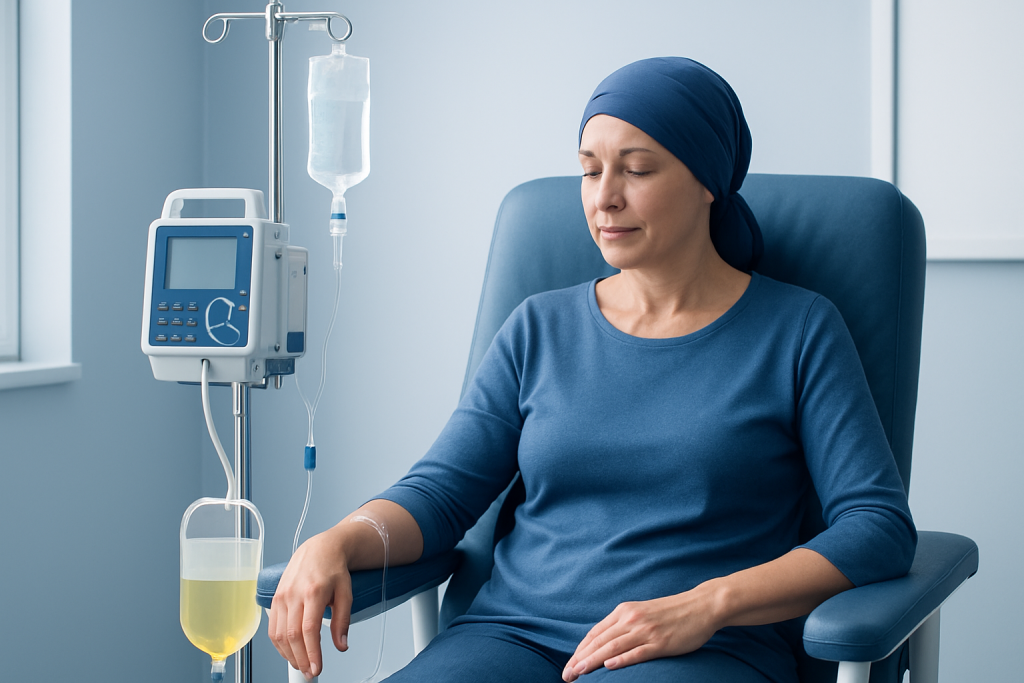
After chemotherapy enters the bloodstream, the body distributes it to tissues and begins breaking it down. The liver changes many medicines into metabolites, and the kidneys filter some of the drug or metabolites into urine. Other chemotherapy medicines may leave through stool, sweat, vomit, saliva, vaginal fluids or semen.
This process is not the same as a procedure with a fixed recovery timetable. There is no single “chemotherapy pee treatment” and no urine test that routinely confirms whether chemotherapy has worked. Rather, urine precautions are a short-term safety measure used while the body clears treatment-related substances.
Patients should not try to speed elimination by drinking excessive amounts of water. Unless fluid intake is restricted because of heart, kidney or another medical condition, regular hydration is generally sensible. The care team may give individualized guidance before and after each cycle.
Who needs urine safety precautions after chemotherapy
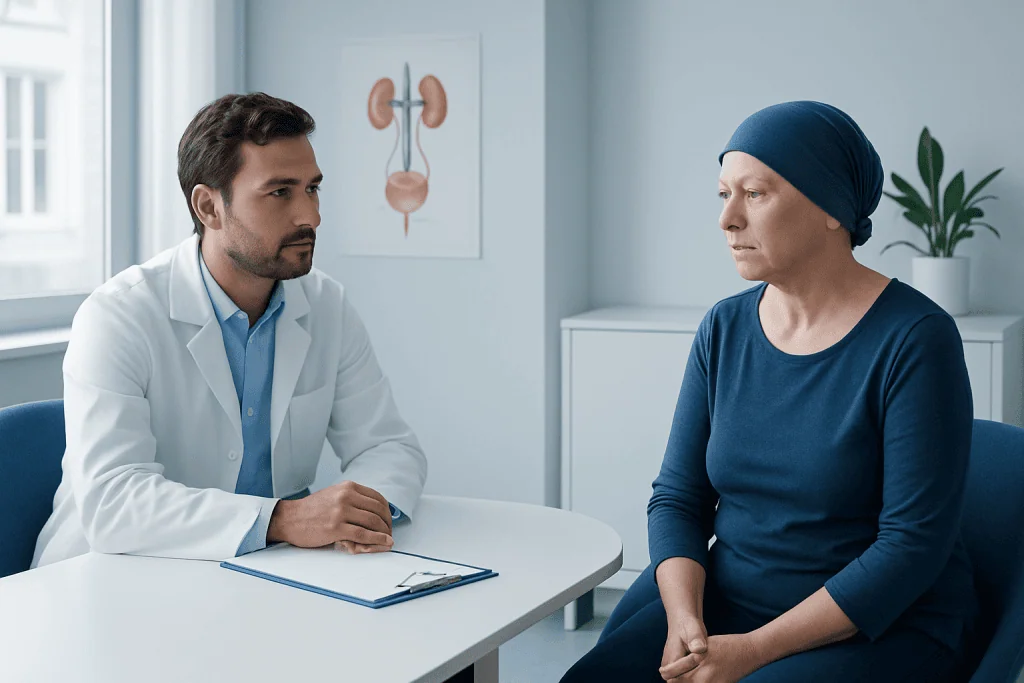
Most people receiving chemotherapy can manage urine safely at home with simple hygiene. Extra care is particularly relevant during the period specified by the oncology team after each dose, because some medication may be present in body fluids. Many services advise precautions for approximately 48 hours, but the timing can be shorter or longer for particular medicines.
These instructions are especially important for caregivers who may handle soiled laundry, clean a toilet or help a patient use the bathroom. Pregnant people, people trying to conceive, and people who are breastfeeding should avoid direct contact with chemotherapy-contaminated body fluids where possible and should discuss their circumstances with the cancer care team.
People with kidney disease, urinary obstruction, a catheter, incontinence, frequent vomiting or diarrhea may need a more detailed plan. Before treatment begins, it is helpful to ask which body fluids need precautions, for how long, and what to do if a spill occurs.
Step-by-step: safe bathroom care after chemotherapy
For the time period recommended by the oncology team, patients should use a toilet rather than a urinal if possible. They should close the lid before flushing and flush twice if their toilet system allows it. Thorough handwashing with soap and water after using the bathroom is important.
Anyone cleaning urine, stool, vomit or other body fluids should wear disposable gloves. Spills can be wiped up using disposable towels, then the surface should be cleaned with household cleaner according to product directions. Gloves and cleaning materials should be sealed in a plastic bag before disposal, followed by careful handwashing.
Clothing or bed linen soiled with urine should be handled with gloves and washed promptly, separately from other laundry if feasible. It should not be shaken, as this may spread droplets. If a patient uses incontinence pads, a catheter bag or a bedside commode, the oncology nurse can explain the safest approach for disposal and cleaning.
- Keep the bathroom well supplied with soap, gloves and disposable towels.
- Ask whether a separate bathroom is necessary; it is often not required when routine precautions are followed.
- Do not share personal towels used to clean body fluids during the precaution period.
- Contact the treatment team if instructions are unclear, particularly after a new chemotherapy medicine is started.
What are good signs that chemo is working?
Good signs that chemotherapy is working are assessed primarily by the oncology team, not by urine appearance, side effects or how a person feels on a particular day. Depending on the cancer type, clinicians may use imaging scans, physical examinations, tumor markers, blood tests and changes in symptoms to evaluate response.
For some cancers, improvement in pain, breathing, appetite, bleeding or a visible lump may be encouraging. However, symptoms can improve for reasons unrelated to tumor response, and chemotherapy can still be effective even when side effects are mild. Conversely, more side effects do not prove that treatment is working better.
Response is usually reviewed after a planned number of treatment cycles rather than immediately after the first infusion. Patients should keep scheduled blood tests and appointments, report new symptoms, and ask their oncologist when and how response will be measured. Chemotherapy treatment planning may include regular monitoring and supportive care throughout each cycle.
Is getting chemo pee on you bad?
A small accidental splash of chemotherapy pee on intact skin is unlikely to cause harm, but it should be washed off promptly with soap and running water. Remove contaminated clothing and wash it separately. Avoid rubbing the area vigorously, as this can irritate the skin.
If urine gets into the eyes, rinse gently with clean running water for at least 15 minutes and contact the oncology team or local medical service for advice. The same applies if there is contact with an open cut, broken skin or the mouth. Caregivers should use gloves for cleanup, particularly during the post-treatment period advised by the care team.
It is understandable to feel concerned about exposure, but practical precautions are usually sufficient. The cancer center should be contacted for individualized guidance after a significant spill, repeated exposure, or exposure involving pregnancy, breastfeeding or a person who may be pregnant.
How long is chemo active in urine?
There is no universal answer because chemotherapy drugs clear from the body at different rates. For many treatments, cancer centers recommend careful handling of urine and other body fluids for 48 hours after chemotherapy. Some medicines, high-dose regimens or individual medical circumstances may require a different time frame.
“Active” can also mean different things. A drug may be measurable in urine after its main treatment effect has passed, while another medicine may be cleared quickly but continue affecting bone marrow or other tissues for longer. Only the prescribing oncology team can explain the expected timing for a specific drug regimen.
Patients should follow the instructions provided with their treatment rather than relying on a general rule. If there is uncertainty about whether precautions are still needed, calling the chemotherapy nurse or oncology clinic is appropriate and can provide reassurance.
What week of chemo is the hardest?
No single week is hardest for everyone. The timing and severity of side effects depend on the chemotherapy regimen, the length of each cycle, other cancer treatments, overall health and how the body responds. Some people feel most tired or nauseated in the first few days after treatment, while others notice fatigue building over several cycles.
Blood cell counts often reach their lowest point, sometimes called the nadir, at a treatment-specific time after chemotherapy. This can increase susceptibility to infection and may cause fatigue or bruising. The oncology team will explain when blood counts are expected to be lowest and when a fever or other symptom needs urgent assessment.
Keeping a symptom diary can help identify patterns across cycles. Recording fatigue, nausea, bowel changes, temperature, appetite, sleep and urinary symptoms gives the care team useful information to adjust supportive care when appropriate. Treatment should not be delayed or changed without discussing concerns with the oncologist.
Benefits, limits and possible concerns
The benefit of short-term body-fluid precautions is that they reduce unnecessary contact with chemotherapy residues while allowing everyday life to continue as normally as possible. These measures are simple and temporary. They are not meant to isolate patients from family members or suggest that a person receiving chemotherapy is dangerous to be around.
Possible urinary concerns during chemotherapy include dehydration, urinary tract infection, bladder irritation, kidney effects or bleeding, depending on the treatment. Not every urine change is treatment-related. Infection, stones, medicines, supplements and the cancer itself may also contribute to symptoms.
It is important to distinguish expected temporary changes from symptoms requiring assessment. The care team may check kidney function and blood counts before treatment or at intervals during therapy. This monitoring supports safe treatment and helps clinicians identify problems early.
When to seek medical care
Patients should contact their oncology team promptly for burning or severe pain while urinating, blood in the urine, inability to pass urine, new loss of bladder control, persistent vomiting or diarrhea, or signs of dehydration such as dizziness and very little urine. These symptoms need assessment because they may have causes beyond expected chemotherapy effects.
A fever during chemotherapy can be urgent. Patients should follow the temperature threshold and emergency instructions given by their treatment team, and should not take fever-reducing medication to mask a fever before seeking advice unless specifically instructed. Chills, shortness of breath, confusion, severe weakness or feeling suddenly unwell also require urgent medical guidance.
Acibadem International’s multidisciplinary specialists and JCI-accredited hospitals support international patients with cancer diagnosis, chemotherapy and symptom management. A qualified oncology team can provide regimen-specific guidance on urine precautions, monitoring and supportive care.
Frequently asked questions
Can I use the same bathroom as my family after chemotherapy?
In many cases, yes. A separate bathroom is usually not necessary when the patient follows the oncology team’s instructions, including closing the lid before flushing, flushing twice when advised and washing hands thoroughly. Caregivers should wear gloves when handling urine, stool, vomit or contaminated laundry during the recommended precaution period.
Should I drink more water to flush chemotherapy out of my urine?
Regular hydration may help maintain general wellbeing, but drinking excessive water does not necessarily make chemotherapy leave the body faster. The patient should follow their care team’s fluid advice, particularly if they have kidney, heart or liver conditions. Reduced fluid intake may be appropriate for some people.
Can chemotherapy make urine red or orange?
Yes, some chemotherapy medicines can temporarily change urine color. However, red or brown urine can also represent blood, so it should be discussed with the oncology team, especially if there are clots, pain, fever or difficulty passing urine. New changes should not automatically be assumed to be harmless.
Can a caregiver become sick from chemotherapy urine?
Routine accidental exposure to a small amount of urine is unlikely to cause illness, particularly when skin is washed promptly. Because some chemotherapy medicine may be present in body fluids for a limited period, gloves and standard cleanup precautions are recommended. Pregnant or breastfeeding caregivers should seek individualized advice from the cancer team.
Do chemo side effects show whether the treatment is working?
No. Side effects reflect how the medicine affects healthy tissues as well as cancer cells, and their severity does not reliably measure treatment response. Oncologists use scans, examinations, blood tests and cancer-specific monitoring to assess whether chemotherapy is helping.
When should I call my oncology team about urine symptoms?
The patient should call promptly for blood in urine, pain or burning during urination, inability to urinate, markedly reduced urine output, fever or feeling acutely unwell. The oncology team should also be contacted if a patient is unsure whether a urine change is related to treatment. During chemotherapy, it is safer to report concerns early.
References
- American Cancer Society
- National Cancer Institute
- Centers for Disease Control and Prevention
- Oncology Nursing Society
- Cancer Research UK
This article is for general information only and is not a substitute for professional medical advice. Please consult a qualified doctor about your individual situation.
Chemotherapy in Turkey — costs, top hospitals & a free quote
JCI-accredited · board-certified surgeons · reply within 24h
Add us as a Preferred Source to see more of our trusted health content across Google Search, AI Overviews and Discover.

Medical Oncology Department
Medical treatment of cancer with chemotherapy, immunotherapy and targeted therapies under a multidisciplinary tumor board.
60 specialists in this unitMore from the Health Library

Related Specialists

Prof. Dr. Metin Gürsürer
Cardiology
Dr. Mustafa Tanıdır
General Surgery
Dr. Veli Çelik
Anesthesiology
Dr. Kamil Kayayurt
Emergency Service