Chemotherapy: What Patients Need to Know
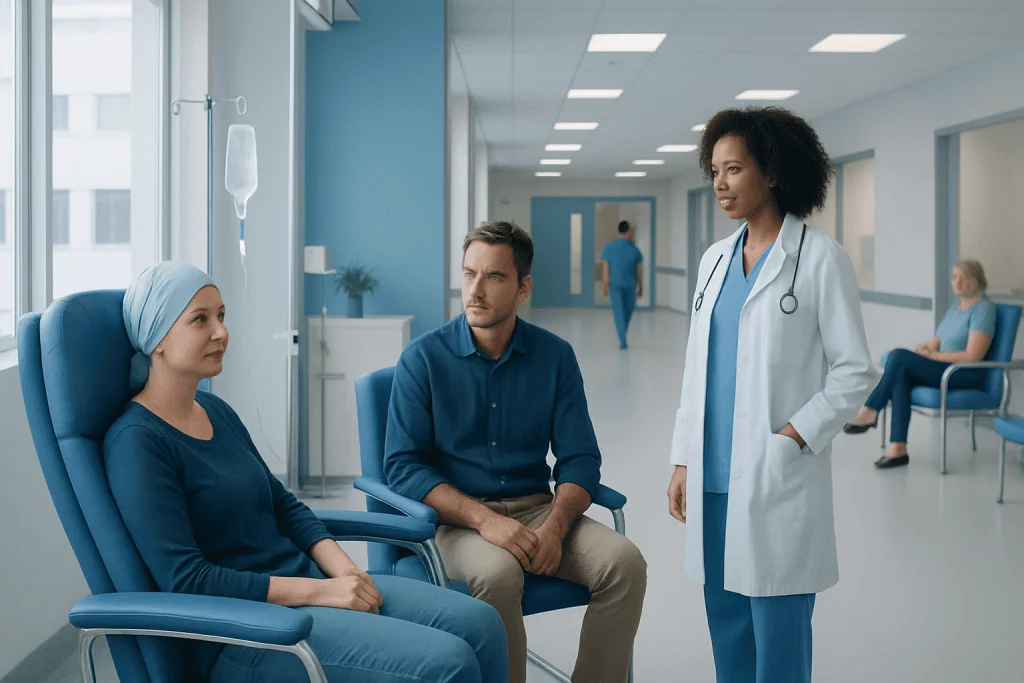
Chemotherapy uses powerful medicines to kill cancer cells or keep them from multiplying. It can be given in different ways, including intravenous infusion, injection, pills, or directly into specific body areas.
Key Takeaways
- Chemotherapy uses powerful medicines to kill cancer cells or keep them from multiplying.
- It can be given in different ways, including intravenous infusion, injection, pills, or directly into specific body areas.
- Side effects vary widely and depend on the drugs used, dose, schedule, and the person's health.
- Supportive care can help manage nausea, fatigue, infection risk, and other treatment-related symptoms.
- Regular monitoring during chemotherapy helps assess response, adjust treatment, and watch for complications.
Chemotherapy is a cancer treatment that uses medicines to destroy cancer cells or slow their growth. It is often tailored to the type of cancer, its stage, and the person's overall health, and it may be used alone or together with other treatments.
Overview: what chemotherapy is and why it is used
Chemotherapy is a type of cancer treatment that uses medicines to destroy cancer cells or stop them from growing. It is not a single drug or a single plan. Instead, it refers to a broad group of medicines that may be used in different combinations and schedules depending on the cancer type, its stage, treatment goals, and the patient’s general health.
Doctors may recommend chemotherapy to cure cancer, shrink a tumor before another treatment, reduce the risk of cancer returning after surgery, or relieve symptoms when cure is not possible. In many cases, chemotherapy is part of a broader care plan that may also include radiation therapy, surgery, immunotherapy, or hormone-based treatment. The exact role of chemotherapy is individualized.
Unlike a treatment that targets only one area, chemotherapy circulates through the body in many cases, which is why it can be useful for cancers that have spread beyond their original site. At the same time, this whole-body effect explains why chemotherapy can affect healthy fast-growing cells, such as those in the hair follicles, digestive tract, and bone marrow.
For patients, one of the most important points is that experiences differ greatly. Some people continue many daily activities during treatment, while others need more rest or extra support. A care team explains the purpose of treatment, expected benefits, possible side effects, and how progress will be monitored throughout the process.
How chemotherapy works and how it is given
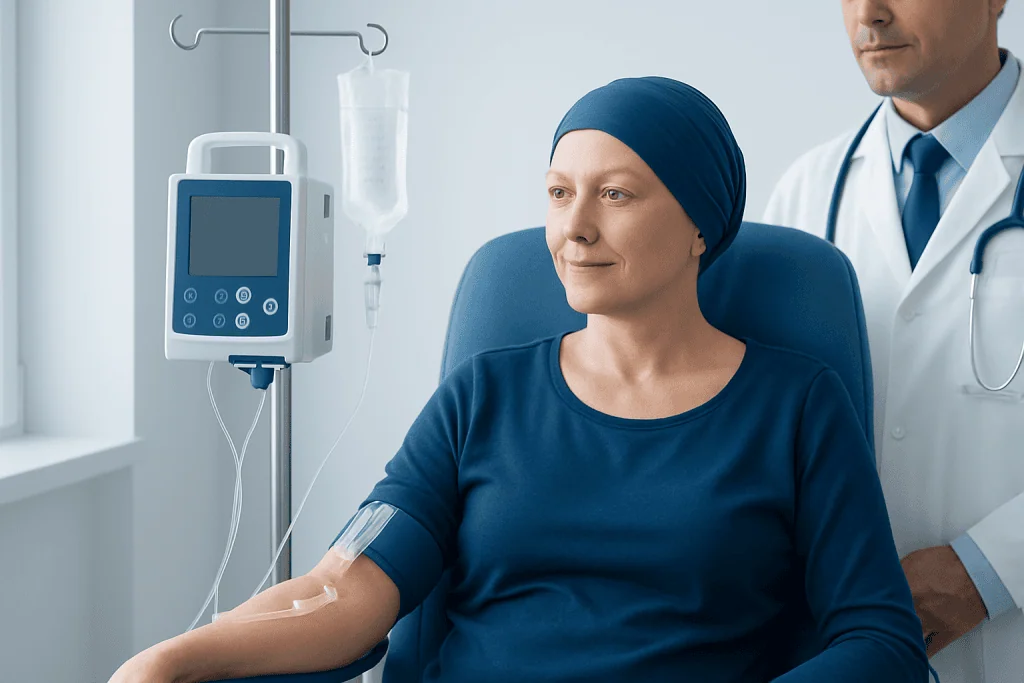
Chemotherapy medicines work by interfering with the way cells grow and divide. Cancer cells usually divide more quickly than many normal cells, so these drugs are designed to damage or disrupt that process. Different medicines act at different points in the cell cycle, which is why combinations are often used.
Chemotherapy can be given in several ways. Many patients receive it through a vein at an infusion center or hospital. Some medicines are taken by mouth as tablets or capsules. Others may be given by injection, through a port placed under the skin, or directly into a specific area such as the abdomen or spinal fluid when needed.
Treatment is usually organized into cycles. A cycle includes a treatment period followed by a rest period, allowing the body time to recover. The total number of cycles depends on the cancer type, the drugs used, and how the body responds. Blood tests, physical exams, and sometimes imaging are used to decide whether treatment should continue as planned or be adjusted.
Patients may hear terms such as adjuvant, neoadjuvant, or palliative chemotherapy. Adjuvant chemotherapy is given after surgery or another main treatment to lower the risk of recurrence. Neoadjuvant chemotherapy is given before surgery to shrink a tumor. Palliative chemotherapy focuses on controlling cancer and easing symptoms while aiming to maintain quality of life.
Common side effects and what patients may notice
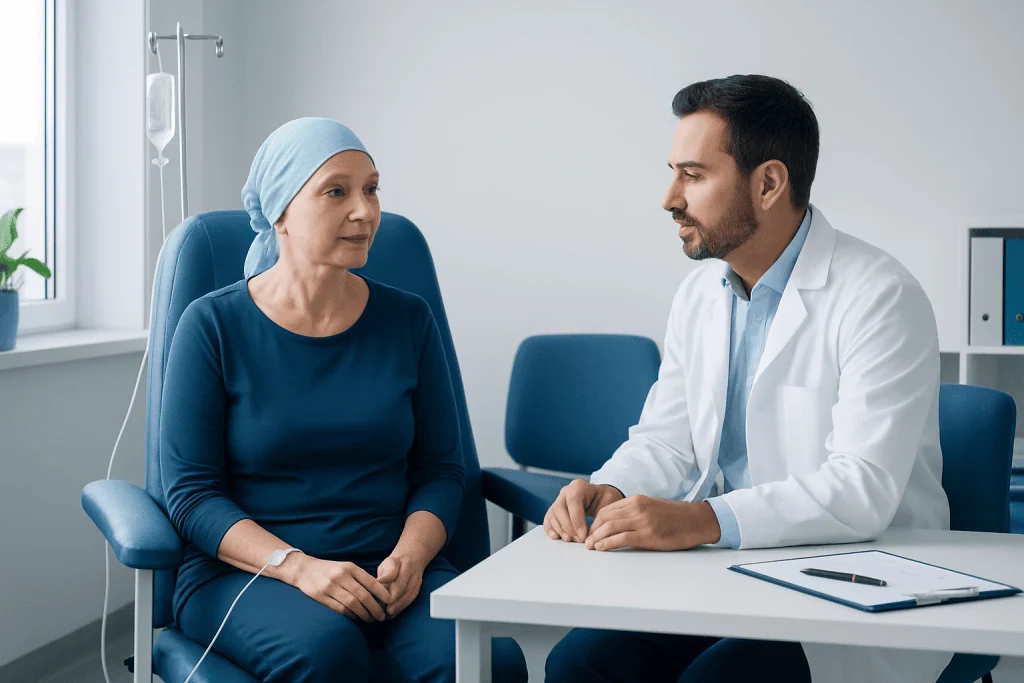
Side effects from chemotherapy vary from person to person. They depend on the medicines used, the dose, the schedule, and the individual’s overall health. Some people have mild side effects, while others experience more noticeable symptoms. Not all chemotherapy causes hair loss, severe nausea, or the same pattern of symptoms.
Common short-term side effects may include fatigue, nausea, vomiting, reduced appetite, mouth sores, diarrhea or constipation, hair thinning or loss, and changes in taste. Because chemotherapy can affect bone marrow, it may lower blood cell counts and increase the risk of infection, bruising, bleeding, or anemia-related tiredness and shortness of breath.
Some chemotherapy drugs can also cause numbness or tingling in the hands and feet, called peripheral neuropathy. Others may affect fertility, menstrual cycles, heart function, kidney function, hearing, or memory and concentration. These effects are not the same for every drug, which is why the care team reviews risks in advance and monitors patients closely during treatment.
- Report fever, chills, or signs of infection promptly.
- Tell the care team about vomiting, diarrhea, or poor fluid intake.
- Discuss numbness, rash, new pain, or unusual bleeding early.
- Ask about supportive medicines for nausea, pain, and mouth care.
Planning for treatment: tests, timing, and daily life
Before chemotherapy begins, the oncology team usually performs several evaluations. These may include a review of pathology results, imaging studies, blood tests, and an assessment of heart, kidney, or liver function if certain drugs are planned. In some situations, a biopsy and cancer staging workup are part of this process, especially for patients with conditions such as breast cancer or lung cancer.
Practical planning matters as much as medical planning. Patients often benefit from organizing transportation, meals, work leave, childcare, and help at home before the first cycle. It can also be useful to keep a list of all medicines, vitamins, and supplements, because some products may interact with chemotherapy or increase side effects.
Nutrition, hydration, sleep, and gentle physical activity can support well-being during treatment. Small, frequent meals may be easier than large meals if appetite is reduced. Avoiding infection exposure, using good hand hygiene, and following food safety guidance become especially important when white blood cell counts are low.
Many patients find it helpful to keep a symptom diary. Recording fatigue, appetite, bowel changes, fever, pain, or tingling can help the care team identify patterns and make timely changes. This can improve comfort and help treatment stay on track whenever possible.
How doctors monitor response and make treatment decisions
Monitoring during chemotherapy is a continuous process. Doctors assess how well the cancer is responding and how well the body is tolerating treatment. This usually includes regular blood tests to check blood counts and organ function, along with physical exams and discussions about side effects between cycles.
Imaging tests such as CT, MRI, or PET scans may be repeated at certain intervals to see whether a tumor has shrunk, stayed stable, or grown. In some cancers, tumor markers or other laboratory tests may also help guide decisions. The timing of these checks depends on the cancer type and the treatment plan.
If side effects become significant, treatment may be delayed, the dose may be changed, or a different medicine may be chosen. These adjustments do not necessarily mean treatment has failed. Rather, they are part of safe and personalized cancer care. For some patients, care plans also include medical oncology follow-up with supportive treatments such as growth factor support, transfusions, or symptom-control medicines.
Doctors also consider the patient’s priorities. For example, some people may value the most intensive approach possible, while others may prioritize maintaining daily function with fewer side effects. Shared decision-making helps balance expected benefit, safety, and quality of life throughout treatment.
Treatment options used with chemotherapy
Chemotherapy is often only one part of cancer care. Depending on the diagnosis, doctors may combine it with surgery, radiation therapy, hormone therapy, targeted therapy, or immunotherapy. Combining treatments can improve cancer control because different therapies work in different ways.
For example, chemotherapy may be used before surgery to make an operation easier or more effective, or after surgery to reduce the chance that microscopic cancer cells remain. In some situations, chemotherapy is paired with radiation to increase the effect of local treatment. In others, it is used after or alongside cancer surgery as part of a carefully timed plan.
The choice of regimen depends on the cancer’s biology as well as the patient’s age, organ function, and other medical conditions. Some cancers respond especially well to certain drug combinations, while others are better treated with targeted medicines or immunotherapy. Personalized care is essential, and the same cancer diagnosis can still lead to different treatment plans in different individuals.
Near the end of the treatment pathway, survivorship care is also important. This may include monitoring for recurrence, addressing lingering side effects, supporting emotional health, and helping patients return to daily life. When needed, multidisciplinary teams can coordinate rehabilitation, nutrition, psychological support, and long-term follow-up.
Self-care during chemotherapy and when to seek medical care
Self-care during chemotherapy focuses on reducing complications and supporting recovery between treatments. Rest is important, but light movement such as walking may help with fatigue, mood, and bowel function if approved by a doctor. Drinking enough fluids, following the team’s nutrition advice, and taking prescribed supportive medicines exactly as directed can also make treatment easier to tolerate.
Oral care deserves special attention because mouth sores can develop during some chemotherapy regimens. Patients are often advised to use a soft toothbrush, avoid irritating foods, and report pain or white patches in the mouth. Skin can also become dry or sensitive, so mild products and sun protection may be helpful depending on the drugs used.
Patients should seek medical care promptly for fever, shaking chills, new shortness of breath, chest pain, confusion, severe vomiting, inability to keep fluids down, uncontrolled diarrhea, heavy bleeding, black stools, severe weakness, or signs of dehydration. New swelling, severe pain, or redness around an IV line or port also needs prompt assessment. It is safest not to wait for a routine appointment if these symptoms occur.
For international patients who need coordinated oncology care, Acibadem International’s multidisciplinary specialists and JCI-accredited hospitals diagnose and treat cancer using individualized plans. Patients should still rely on their treating oncologist for personal advice, especially during active chemotherapy.
Frequently asked questions
Is chemotherapy always used to cure cancer?
No. Chemotherapy may be used to cure some cancers, but it can also be used to shrink tumors, lower the risk of recurrence, or relieve symptoms. The goal depends on the cancer type, stage, and the overall treatment plan.
How long does chemotherapy treatment usually last?
The length of treatment varies widely. Some people receive only a few cycles over several weeks, while others continue for months. The schedule depends on the type of cancer, the drugs used, treatment response, and side effects.
Will chemotherapy make a patient lose their hair?
Not always. Some chemotherapy drugs cause noticeable hair thinning or hair loss, while others do not. The oncology team can usually explain whether hair loss is likely with a specific regimen.
Can a person work during chemotherapy?
Some people continue working during chemotherapy, either full-time or with adjustments, while others need time away from work. This depends on energy levels, side effects, infection risk, and the physical demands of the job. Flexible planning is often helpful.
What should patients eat during chemotherapy?
There is no single chemotherapy diet for everyone. In general, balanced meals, enough fluids, and safe food handling are important, especially if appetite is reduced or blood counts are low. A doctor or dietitian may suggest changes based on nausea, diarrhea, mouth sores, or weight loss.
Are side effects permanent?
Many side effects improve after treatment ends, but some can last longer or, in certain cases, become long-term. This depends on the drugs used and the individual patient. Ongoing follow-up helps identify and manage any lasting effects.
References
- National Cancer Institute
- American Cancer Society
- National Comprehensive Cancer Network
- World Health Organization
- American Society of Clinical Oncology
This article is for general information only and is not a substitute for professional medical advice. Please consult a qualified doctor about your individual situation.
Chemotherapy in Turkey — costs, top hospitals & a free quote
JCI-accredited · board-certified surgeons · reply within 24h
Add us as a Preferred Source to see more of our trusted health content across Google Search, AI Overviews and Discover.

Medical Oncology Department
Medical treatment of cancer with chemotherapy, immunotherapy and targeted therapies under a multidisciplinary tumor board.
60 specialists in this unit