Chest Acne: What Patients Need to Know

Chest acne is common and usually results from clogged pores, sweat, friction, and hormones. It can look like blackheads, whiteheads, red bumps, pustules, or deeper tender nodules.
Key Takeaways
- Chest acne is common and usually results from clogged pores, sweat, friction, and hormones.
- It can look like blackheads, whiteheads, red bumps, pustules, or deeper tender nodules.
- Skin care products, tight clothing, workouts, and some medicines may make chest acne worse.
- Mild chest acne may improve with non-comedogenic products and acne ingredients such as benzoyl peroxide or salicylic acid.
- A doctor should assess severe, painful, spreading, or scarring acne, or a rash that may not be acne at all.
Chest acne is a common form of body acne that develops when pores on the chest become clogged with oil, dead skin cells, and bacteria. It is often manageable with gentle skin care, trigger control, and medical treatment when breakouts are persistent, painful, or scarring.
Overview
Chest acne is a type of acne that appears on the skin of the chest. Like facial acne, it happens when hair follicles and pores become blocked by oil, dead skin cells, and sometimes bacteria. The chest has many oil glands, so it is a common place for breakouts, especially in teenagers and young adults, although people of any age can develop it.
For many patients, chest acne shows up as small bumps after sweating, exercise, hot weather, or use of heavy skin products. In others, it can be more inflamed, with red or tender spots that take longer to heal. The condition is usually not dangerous, but it can be uncomfortable and may affect confidence, clothing choices, and daily routines.
Chest acne is also easy to confuse with other skin conditions. Heat rash, folliculitis, yeast-related folliculitis, contact dermatitis, and even irritation from laundry detergents can all cause bumps on the chest. This is one reason why ongoing or unusual breakouts may need medical review, especially if home care has not helped.
What Chest Acne Looks and Feels Like

Chest acne can vary from mild to severe. Some patients mainly notice blackheads and whiteheads, while others develop inflamed pimples or deeper painful lumps. The appearance often depends on how blocked the pores are and how much inflammation is present.
Common features include:
- Small skin-colored bumps or rough texture
- Whiteheads or blackheads
- Red pimples or pustules with a visible center
- Tender nodules or cyst-like bumps under the skin
- Dark marks or discoloration after spots heal
- Occasional itching or irritation, especially after sweating
Not every bump on the chest is acne. If the spots are very itchy, all look similar in size, or flare after heat and sweating, folliculitis may be possible. If there is scaling, burning, or a rash-like pattern, irritation or allergy may be contributing. A dermatologist may help distinguish chest acne from acne affecting other body areas or from different skin conditions that need another approach.
Causes and Risk Factors
Chest acne develops when pores become blocked. The main factors are excess oil production, dead skin cells that do not shed normally, inflammation, and growth of acne-related bacteria within follicles. Hormonal changes can increase oil production, which is why acne often worsens during puberty, around menstrual cycles, or during periods of hormonal fluctuation.
Several everyday triggers can make chest acne more likely or more persistent. Sweat that stays on the skin, tight clothing, sports bras, backpacks, and synthetic fabrics can create friction and trap heat. Heavy body lotions, oily sunscreens, fragranced products, and some hair products that reach the chest can also clog pores.
Other contributors may include stress, family history, and some medicines such as corticosteroids or testosterone-related therapies. Picking or squeezing spots can worsen inflammation and raise the risk of infection, dark marks, and scars. People who already have acne on the face, shoulders, or back may be more likely to have chest breakouts as part of broader skin conditions affecting oily areas.
How Doctors Diagnose Chest Acne
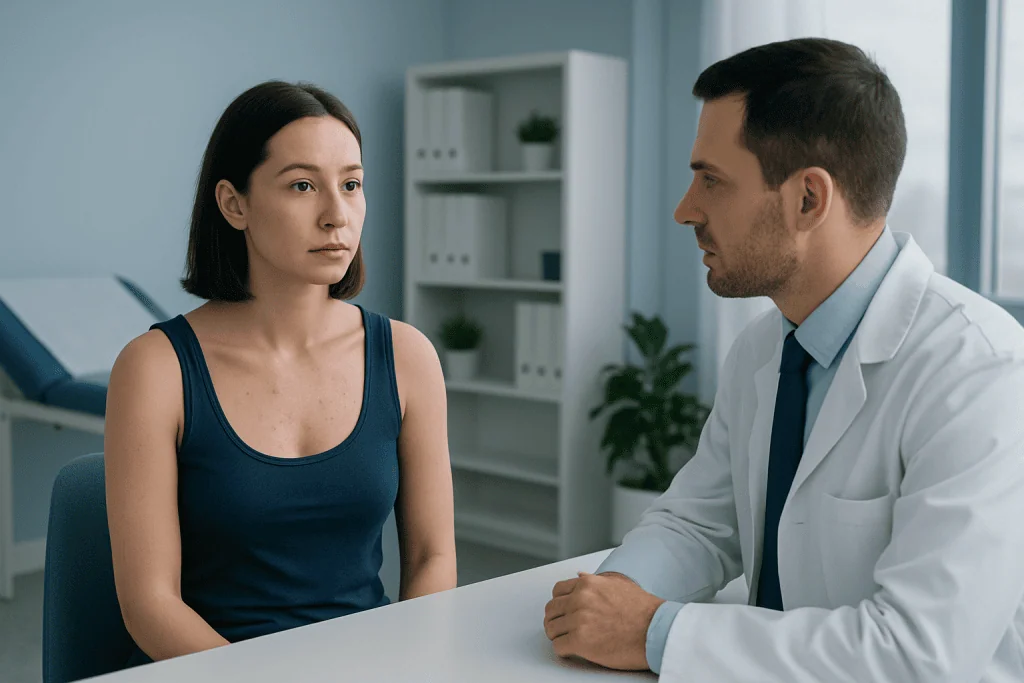
Chest acne is usually diagnosed with a skin examination and a discussion of symptoms, skin care habits, medicines, and possible triggers. In many cases, no special tests are needed. A doctor will look at the type of bumps, whether they are inflamed, and whether there are signs of scarring, infection, or another skin condition.
Diagnosis is especially important if the rash is very itchy, sudden, widespread, or not responding to acne treatments. Folliculitis caused by bacteria or yeast, eczema, contact dermatitis, and heat rash can resemble acne but often need different care. In some situations, a clinician may ask about hormonal symptoms, recent product changes, exercise habits, or medical conditions that affect the skin.
Early assessment can be helpful if chest acne is painful, leaves marks, or affects quality of life. Timely treatment may reduce the risk of scarring and help patients avoid trying products that irritate the skin further. If needed, imaging is not part of routine acne diagnosis, but a specialist may recommend additional evaluation for unusual lesions or recurring infections.
Treatment Options
Treatment depends on how severe the chest acne is and whether there is true acne, folliculitis, or another cause. Mild cases often improve with consistent skin care and over-the-counter ingredients. Common options include benzoyl peroxide washes, salicylic acid cleansers, and non-comedogenic moisturizers. These products can help reduce oil, unclog pores, and calm mild inflammation, but they usually need several weeks of regular use before clear improvement is seen.
When chest acne is more inflamed or persistent, a doctor may recommend prescription treatment. This may include topical retinoids, topical antibiotics in selected cases, or other medicines chosen according to the pattern and severity of the breakouts. Some patients with widespread or scarring body acne may need oral treatment. Professional assessment is important because not all chest bumps respond to standard acne products, and some may worsen if the diagnosis is different.
Procedural care can also be considered for selected patients, especially when acne is severe, resistant, or leaving scars. Depending on the skin type and clinical need, dermatology teams may discuss options such as acne treatment plans that combine medication with in-clinic therapies. If scarring or persistent marks develop after breakouts settle, treatments linked to skin treatment may sometimes be part of longer-term care.
Prevention and Self-Care
Daily habits can make a meaningful difference. Gentle cleansing after sweating, changing out of damp workout clothes, and choosing loose, breathable fabrics may reduce friction and trapped moisture on the chest. Patients are often advised to avoid harsh scrubbing, rough exfoliation, or picking at spots, as these can increase irritation and prolong healing.
Skin products matter too. Body lotions, sunscreens, and cosmetics labeled non-comedogenic are generally less likely to block pores. Hair conditioners, oils, and styling products can also contribute if they run onto the chest in the shower or during the day. Rinsing the skin well after shampooing and cleansing the chest afterward may help.
Helpful self-care measures include:
- Shower soon after exercise or heavy sweating
- Wear clean, loose-fitting clothing when possible
- Use fragrance-free, non-comedogenic skin products
- Avoid squeezing, scratching, or scrubbing breakouts
- Wash sports bras, shirts, and bedding regularly
- Be patient, since improvement often takes weeks rather than days
Lifestyle habits such as stress management, balanced sleep, and a consistent skin routine may support overall skin health. Patients who suspect a product or medication trigger should speak with a qualified doctor before making major changes, especially if a prescribed treatment is involved.
When to Seek Medical Care
Many cases of chest acne can be managed with routine skin care, but some situations deserve medical attention. A doctor should assess breakouts that are deep, painful, rapidly worsening, or causing scars. Care is also important when chest bumps do not improve after several weeks of appropriate over-the-counter treatment.
Medical review is also a good idea if the rash is very itchy, seems infected, spreads widely, or looks different from typical acne. Fever, significant tenderness, drainage, or skin that feels hot may suggest another problem that needs prompt treatment. Patients with darker skin tones may also want earlier support if marks or discoloration are developing after spots heal.
For patients needing specialist input, multidisciplinary teams can help identify whether the problem is acne or another skin disorder and tailor treatment safely. Acibadem International’s multidisciplinary specialists in JCI-accredited hospitals diagnose and treat skin conditions for international patients, including cases where body acne requires dermatology assessment or longer-term follow-up.
Frequently asked questions
Is chest acne the same as facial acne?
Chest acne is based on the same process as facial acne: pores become clogged with oil and dead skin cells, sometimes with inflammation and bacteria. However, the chest is often affected by sweat, friction, and clothing, so triggers may be different from those on the face.
Why does chest acne get worse after exercise?
Exercise itself does not directly cause acne, but sweat, heat, and tight workout clothing can trap moisture and increase friction on the skin. If sweat remains on the chest for a long time or products clog the pores, breakouts may worsen.
Can chest acne be caused by hormones?
Yes. Hormones can increase oil production in the skin, which may raise the chance of clogged pores and inflamed breakouts. This is one reason acne may flare during puberty, menstrual cycles, or other hormonal changes.
How long does chest acne take to improve?
Improvement is usually gradual rather than immediate. With a consistent routine, many patients need several weeks to notice clearer skin, and prescription treatment may take longer to show full benefit. Stopping and starting products too often can make it harder to judge what is helping.
Should chest acne be popped or squeezed?
No. Squeezing chest acne can increase inflammation, introduce bacteria, and raise the risk of scarring or dark marks. It is generally safer to treat breakouts gently and seek medical care if painful or deep spots keep returning.
Can chest acne be something other than acne?
Yes. Folliculitis, heat rash, eczema, and contact dermatitis can all look similar to chest acne. If the bumps are very itchy, appear suddenly, or do not respond to acne treatment, a doctor can help confirm the cause.
This article is for general information only and is not a substitute for professional medical advice. Please consult a qualified doctor about your individual situation.
Acne in Turkey — costs, top hospitals & a free quote
JCI-accredited · board-certified surgeons · reply within 24h
Add us as a Preferred Source to see more of our trusted health content across Google Search, AI Overviews and Discover.

More from the Health Library

Antibacterial Ointment for Dog Bite: An Evidence-Based Guide for Patients
Acne Cysts Back: An Evidence-Based Guide for Patients

Whiny Baby: A Complete Medical Overview

Sediment: An Evidence-Based Guide for Patients

Membrane Mucose — Explained by Medical Evidence, Not Myths