

Chest Hurts Headache Explained: Common Triggers and Red Flags

Chest pain and headache together are not a diagnosis; they are symptoms with many possible causes. Common explanations include stress, tension, viral infections, acid reflux, migraine, and muscle strain.
Key Takeaways
- Chest pain and headache together are not a diagnosis; they are symptoms with many possible causes.
- Common explanations include stress, tension, viral infections, acid reflux, migraine, and muscle strain.
- Urgent assessment is important if symptoms are severe, sudden, worsening, or linked with shortness of breath, fainting, weakness, or pressure-like chest pain.
- Doctors use the symptom pattern, physical examination, and tests such as ECG, blood tests, and imaging to find the cause.
- Treatment depends on the underlying problem and may range from rest and hydration to emergency cardiac or respiratory care.
Chest hurts headache can happen for many reasons, from muscle tension, anxiety, or viral illness to migraine, high blood pressure, or problems affecting the heart and lungs. Because some causes are harmless while others need urgent care, the key is to look at the full pattern of symptoms, how suddenly they began, and whether warning signs are present.
Overview: why chest pain and headache can happen together
When someone says chest hurts headache, it usually means two symptoms are happening at the same time rather than one condition on its own. The combination may come from everyday issues such as stress, poor sleep, dehydration, viral illness, muscle tension, or indigestion. It can also occur with migraine, elevated blood pressure, panic attacks, or inflammation affecting the airways.
The challenge is that chest pain and headache have a wide range of causes. Some begin in the muscles, stomach, lungs, or nervous system. Others may involve the cardiovascular system, especially if chest discomfort feels like pressure, heaviness, or tightness, or if it spreads to the arm, back, jaw, or neck.
Looking at the context helps. Doctors consider when the symptoms started, whether they came on suddenly or gradually, what they feel like, what makes them better or worse, and whether other symptoms are present. That fuller picture helps distinguish a likely minor cause from a condition that needs urgent evaluation.
Common symptoms and patterns to notice
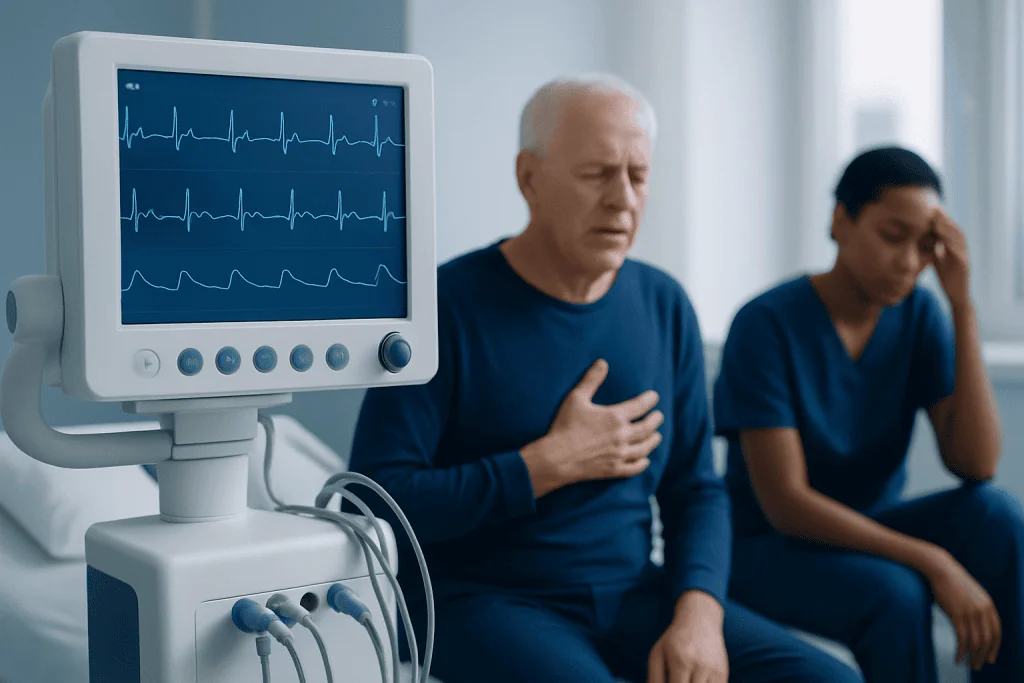
Chest discomfort is not always sharp pain. It may feel like pressure, burning, tightness, stabbing, soreness, or a heavy sensation. Headache may feel like a band around the head, a throbbing one-sided pain, pain behind the eyes, or a more generalized ache. The exact pattern often gives clues to the cause.
For example, pain that worsens when pressing on the chest wall or moving the upper body may point toward strained muscles or inflamed joints. Burning pain after meals, especially when lying down, may suggest reflux. A throbbing headache with nausea, light sensitivity, and chest tightness from stress or poor sleep may fit a migraine or tension-related pattern.
Symptoms that deserve closer attention include:
- Shortness of breath or difficulty taking a full breath
- Dizziness, fainting, or new confusion
- Sudden severe headache, especially the “worst headache” of life
- Weakness, numbness, facial droop, or trouble speaking
- Chest pressure with sweating, nausea, or pain radiating to the arm or jaw
- Fever, persistent cough, or coughing up blood
Even when symptoms turn out not to be dangerous, recurrent episodes should still be discussed with a clinician. Repeated chest pain and headaches can affect daily life and may signal an untreated underlying condition that deserves attention.
Possible causes and risk factors

Several common conditions can cause chest pain and headache together. Stress and anxiety can create chest tightness, rapid breathing, dizziness, and a pressure-like or tension headache. Viral infections such as colds, flu, or COVID-like illnesses may lead to body aches, cough, fever, headache, and soreness or discomfort in the chest from coughing or airway irritation. Dehydration, poor sleep, caffeine withdrawal, and overexertion can also trigger both symptoms.
Migraine is another possible explanation. Some people with migraine feel neck tension, chest discomfort, nausea, or sensitivity to light and sound. Problems outside the head can also contribute. Acid reflux may cause chest burning and poor sleep, which can then worsen headache. Muscle strain from exercise, lifting, or persistent coughing can cause chest wall pain along with tension in the neck and scalp.
Less common but more serious causes include severe hypertension, pneumonia, asthma flare-ups, blood clots in the lungs, and heart-related conditions. Chest discomfort due to reduced blood flow to the heart may occur with headache from stress, blood pressure changes, or coexisting illness. Related conditions may include heart attack or angina, though many people with these symptoms have other causes.
Risk factors that raise concern include older age, smoking, diabetes, high blood pressure, high cholesterol, a history of heart or lung disease, recent long travel or immobility, pregnancy, use of stimulant drugs, or a strong family history of early cardiovascular disease. These factors do not confirm a serious diagnosis, but they lower the threshold for prompt medical assessment.
How doctors evaluate chest hurts headache
Assessment begins with a detailed history. A doctor asks when the symptoms began, whether they were sudden or gradual, what the chest discomfort feels like, where the headache is located, and whether there are triggers such as exercise, emotional stress, coughing, meals, or changes in position. Medications, medical history, and cardiovascular risk factors are also important.
The physical examination usually includes blood pressure, heart rate, oxygen level, temperature, heart and lung examination, and a neurologic check. Depending on the symptoms, the doctor may also examine the chest wall for tenderness, the abdomen for reflux-related discomfort, and the neck and shoulders for muscle tension.
Tests are chosen based on the most likely causes. They may include an electrocardiogram, blood tests, chest X-ray, viral testing, or scans if a lung clot, stroke, or other urgent cause is suspected. If headache features suggest a primary headache disorder rather than a dangerous secondary cause, the evaluation may focus more on migraine or tension-type headache patterns.
When cardiac causes need evaluation, clinicians may use tests such as an ECG and other heart investigations. If chest symptoms seem related to breathing problems, imaging or respiratory assessment may be needed. The goal is not only to relieve symptoms but also to make sure serious conditions are not missed.
Treatment options depend on the cause
There is no single treatment for chest pain and headache because management depends on what is causing them. If dehydration, poor sleep, tension, or a minor viral illness is responsible, care may include rest, fluids, fever control when appropriate, and gradual return to routine. For muscle strain, posture changes, heat, and gentle movement may help. Reflux-related symptoms may improve with diet adjustments and treatment advised by a doctor.
If migraine is the main issue, treatment may involve avoiding triggers, hydration, regular meals, and medicines recommended by a clinician. Anxiety-related episodes often improve when breathing settles and the underlying stress is addressed, though chest pain should not automatically be assumed to be anxiety until more serious causes are considered.
For more serious diagnoses, treatment is directed at the underlying disease. Heart-related chest pain may require urgent medications or procedures, while lung conditions may need oxygen, antibiotics, or other targeted therapies. In selected situations, doctors may recommend further evaluation with echocardiography or specialist care in cardiology, neurology, or pulmonology.
Near the end of the diagnostic process, patients may also need support for prevention and follow-up. At Acibadem International, multidisciplinary specialists in JCI-accredited hospitals evaluate symptoms like these for international patients and coordinate care when heart, lung, neurologic, or general medical causes are being considered.
Self-care and prevention
Many everyday triggers of chest pain and headache can be reduced with simple habits. Good hydration, regular meals, enough sleep, and balanced caffeine intake help prevent headache in many people. Warm-up before exercise, ergonomic posture, and breaks from prolonged screen time may reduce upper-body tension that contributes to chest wall discomfort and headache.
Stress management can also be useful. Slow breathing, relaxation techniques, walking, and regular physical activity may lower muscle tension and improve headache frequency. If symptoms appear after certain foods, heavy meals, or lying down soon after eating, reflux precautions may help, such as avoiding late meals and discussing symptoms with a clinician.
Prevention also includes managing long-term health conditions. Keeping blood pressure, cholesterol, diabetes, and asthma under control can reduce the chance of more serious episodes. People who have repeated severe headaches, exertional chest pain, or unexplained shortness of breath should not rely only on home care; they should ask for medical evaluation.
When a cardiovascular cause is part of the differential diagnosis, doctors may suggest formal testing such as a cardiac check-up to look more closely at risk factors and heart health. Early assessment can provide reassurance when the cause is benign and timely treatment when it is not.
When to seek medical care
Immediate medical care is important if chest pain is severe, crushing, or pressure-like, especially if it occurs with shortness of breath, sweating, nausea, fainting, or pain spreading to the arm, shoulder, back, or jaw. Emergency evaluation is also needed for a sudden severe headache, new weakness or numbness, trouble speaking, seizures, blue lips, or major breathing difficulty.
Urgent same-day assessment is also wise if chest hurts headache follows a recent infection and is getting worse, if there is fever with cough and chest pain, if symptoms occur during exercise, or if the person has major heart or lung risk factors. Headache with very high blood pressure readings, visual changes, or chest pain should not be ignored.
Even without red flags, make a routine appointment if symptoms keep coming back, interfere with normal activities, or do not improve as expected. Ongoing or unexplained symptoms deserve a proper diagnosis rather than repeated self-treatment. A qualified doctor can decide whether the cause appears minor or whether further heart, lung, or neurologic testing is needed.
Frequently asked questions
Can stress cause chest pain and headache at the same time?
Yes. Stress and anxiety can lead to chest tightness, faster breathing, dizziness, and tension-type headache. However, chest pain should not automatically be blamed on stress, especially if it is new, severe, or accompanied by other warning signs.
Is chest pain with headache always a heart problem?
No. Many episodes are caused by muscle tension, migraine, reflux, viral illness, dehydration, or anxiety. Still, heart-related causes must be considered when symptoms are pressure-like, occur with exertion, or are linked with shortness of breath, sweating, or pain spreading to the arm or jaw.
When should someone go to the emergency room for chest hurts headache?
Emergency care is needed for severe chest pressure, trouble breathing, fainting, sudden weakness, confusion, trouble speaking, or the worst headache of life. It is also important to seek urgent help if symptoms are sudden, rapidly worsening, or occur in someone with significant heart or lung risk factors.
Can high blood pressure cause both chest pain and headache?
Very high blood pressure can be associated with headache and sometimes chest discomfort, especially when it is severely elevated or affecting organs. A single headache does not always mean blood pressure is dangerously high, but chest pain with high readings should be medically assessed.
What tests might a doctor order for chest pain and headache?
The doctor may check vital signs, listen to the heart and lungs, and perform a neurologic examination. Depending on the situation, tests may include an ECG, blood tests, chest X-ray, viral testing, or scans to rule out urgent heart, lung, or brain-related causes.
Can dehydration or illness really make the chest hurt and cause a headache?
Yes. Dehydration commonly causes headache, and viral illness can lead to body aches, fever, cough, and chest soreness from irritated airways or strained muscles. If symptoms are mild and improve with rest and fluids, they may be from a temporary illness, but worsening symptoms should be checked.
References
- American Heart Association
- Centers for Disease Control and Prevention
- National Heart, Lung, and Blood Institute
- National Institute of Neurological Disorders and Stroke
- Mayo Clinic
This article is for general information only and is not a substitute for professional medical advice. Please consult a qualified doctor about your individual situation.
Persistent digestive symptoms? Get evaluated in Turkey
JCI-accredited · board-certified surgeons · reply within 24h
Add us as a Preferred Source to see more of our trusted health content across Google Search, AI Overviews and Discover.
Check your numbers in seconds
BMI, calories, due date, blood pressure and 30+ more clinical calculators — free, instant, doctor-reviewed ranges.

More from the Health Library



Related Specialists

Assoc. Prof. Dr. Bahattin Tanrıkulu
Neurosurgery
Assoc. Prof. Dr. Semra Akkaya Turhan
Ophthalmology
Dr. Hande Aygün
Infectious Diseases & Clinical Microbiology
Assoc. Prof. Dr. Süleyman Şahin
Medical Oncology