Chicken Pox: A Complete Medical Overview

Chicken pox is caused by the varicella-zoster virus and spreads easily through respiratory droplets and direct contact with the rash. Typical symptoms include fever, tiredness, and an itchy rash that changes from red spots to fluid-filled blisters and then scabs.
Key Takeaways
- Chicken pox is caused by the varicella-zoster virus and spreads easily through respiratory droplets and direct contact with the rash.
- Typical symptoms include fever, tiredness, and an itchy rash that changes from red spots to fluid-filled blisters and then scabs.
- Most treatment focuses on relieving symptoms, while antiviral medicine may be considered for people at higher risk of complications.
- Vaccination is the most effective way to prevent chicken pox and reduce the risk of severe illness.
- Medical care is important if symptoms are severe, breathing becomes difficult, dehydration develops, or the person is pregnant, very young, or immunocompromised.
Chicken pox is a contagious infection caused by the varicella-zoster virus that usually leads to an itchy rash, fever, and fatigue. Most healthy children recover fully, but babies, adults, pregnant people, and those with weakened immune systems may need closer medical attention.
Overview
Chicken pox is a common viral infection caused by the varicella-zoster virus. It usually begins with mild flu-like symptoms followed by a very itchy rash that appears in crops and progresses from red spots to small blisters and then crusts. In many healthy children, the illness is uncomfortable but self-limited, meaning it improves on its own over time.
Although chicken pox is often thought of as a childhood illness, it can affect people of any age who have not had the infection or the vaccine. Adults tend to experience more severe symptoms than children, and some groups have a higher chance of complications. These include newborns, pregnant people, adolescents, adults, and anyone with a weakened immune system.
After a person recovers, the virus does not fully leave the body. Instead, it remains inactive in nerve tissue and can reactivate later in life as shingles. This is why healthcare professionals consider chicken pox part of a broader varicella-zoster infection pattern, which is closely related to shingles.
How Chicken Pox Spreads and What Happens in the Body

Chicken pox spreads very easily from person to person. The virus can pass through the air when an infected person coughs or sneezes, and it can also spread through direct contact with fluid from the blisters. A person is usually contagious from about one to two days before the rash appears until all the lesions have crusted over.
Once the virus enters the body, it multiplies and triggers the immune system to respond. This response can cause fever, headache, tiredness, and the typical rash. The skin lesions often appear in waves, so a person may have new red spots, fresh blisters, and crusted scabs at the same time.
Because the virus is highly contagious, outbreaks can occur in households, schools, and childcare settings when someone is not immune. People are generally considered immune if they have received vaccination, previously had chicken pox, or have laboratory evidence of immunity.
Symptoms and Rash Pattern
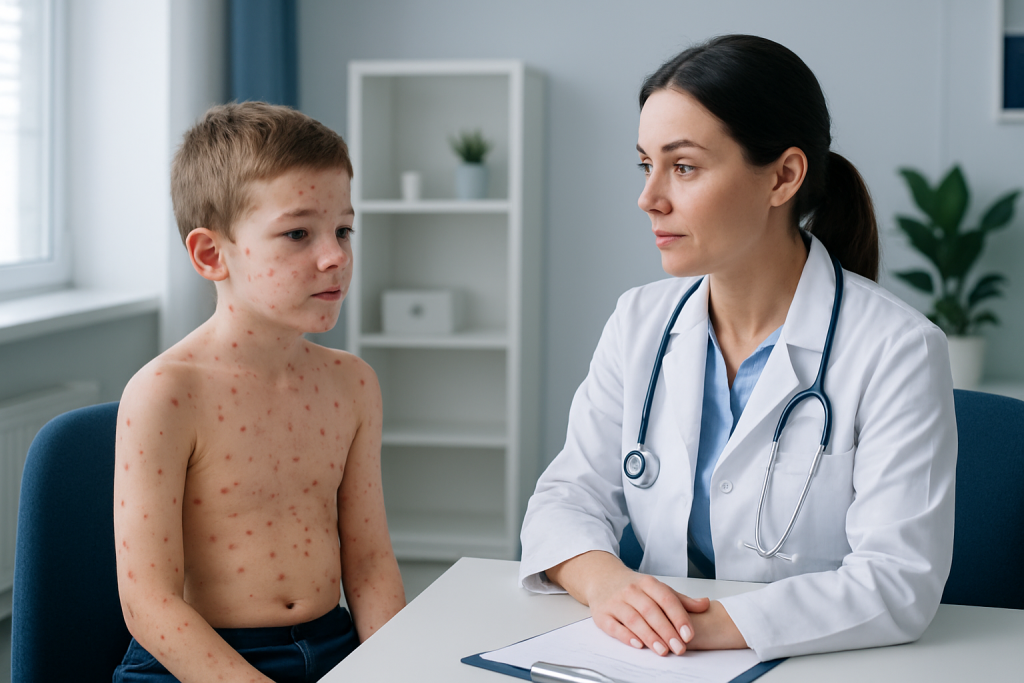
The first symptoms of chicken pox may be subtle. A person may feel tired, develop a mild to moderate fever, lose appetite, or complain of headache and body aches. In young children, the rash may be the first obvious sign.
The chicken pox rash usually starts on the face, chest, or back and then spreads to the rest of the body. It can also involve the scalp, inside the mouth, around the eyes, and the genital area. The lesions typically evolve through a recognizable pattern: small red bumps, then fluid-filled blisters, and finally scabs.
Itching can be intense and is often the most troublesome symptom. The rash may continue to appear over several days, which means different stages of lesions are present at once. While many cases remain mild, the following symptoms may suggest a more serious course and should not be ignored:
- High or persistent fever
- Severe cough or trouble breathing
- Marked sleepiness, confusion, or unusual irritability
- Vomiting, poor fluid intake, or signs of dehydration
- Red, painful, swollen, or pus-filled skin lesions
Who Is at Higher Risk of Complications
Most healthy children recover without long-term problems, but chicken pox can sometimes lead to complications. These may include bacterial skin infections, pneumonia, dehydration, inflammation of the brain, or balance and coordination problems. In adults, varicella infection is more likely to be severe than in children.
Certain groups deserve extra caution. Pregnant people can become seriously ill, and infection during pregnancy may also affect the baby. Newborns, infants who are too young for vaccination, people receiving chemotherapy, transplant recipients, and those taking medicines that suppress the immune system may have a harder time fighting the virus.
People with chronic skin disease or chronic lung disease may also need more careful monitoring. In some situations, doctors may recommend specialist evaluation, supportive hospital care, or treatment through services such as infectious diseases care when the infection is severe or the patient is medically vulnerable.
Diagnosis
Doctors often diagnose chicken pox based on the history and the appearance of the rash. The combination of itching, fever, and lesions at different stages of development is highly characteristic. During an examination, the clinician also checks for warning signs such as dehydration, breathing difficulty, or possible skin infection.
Laboratory testing is not always necessary in straightforward cases, especially in otherwise healthy children. However, testing may be useful when the diagnosis is uncertain, when the rash looks unusual, or when the person is pregnant, immunocompromised, or seriously ill. Samples from skin lesions or blood tests may help confirm varicella infection.
In some cases, the doctor may need to distinguish chicken pox from other causes of rash and fever, including insect bites, hand-foot-and-mouth disease, medication reactions, or herpes-related infections. If there are concerns about complications, further assessment may include blood tests or chest imaging depending on the symptoms.
Treatment Options
Treatment for chicken pox depends on age, overall health, symptom severity, and risk of complications. For many healthy children, care is supportive. This means focusing on comfort, hydration, rest, fever management, and ways to reduce itching while the body clears the infection.
Supportive measures may include keeping fingernails short, using gentle skin care, wearing loose clothing, and asking a doctor which symptom-relief products are appropriate. It is important to avoid scratching because broken skin can become infected. Caregivers should use medicines exactly as advised by a qualified healthcare professional.
Antiviral medicine may be considered for people at higher risk of severe disease, especially when started early. This can include adults, adolescents, pregnant people in selected situations, and immunocompromised patients under close medical supervision. If complications develop, treatment may involve hospital-based monitoring, intravenous fluids, respiratory support, or specialist input such as pediatric infectious diseases care for children or dermatology evaluation when skin complications are significant.
Prevention and Self-care
The best protection against chicken pox is vaccination. Routine varicella vaccination greatly lowers the chance of infection and helps reduce severe illness, hospitalization, and complications. Even if a vaccinated person develops chicken pox, symptoms are often milder and the rash may be less extensive.
People with active chicken pox should stay home and avoid close contact with others until all lesions have crusted over. This is especially important around pregnant people, newborns, and anyone with a weakened immune system. Good hand hygiene, covering coughs and sneezes, and avoiding sharing personal items can also help limit spread.
At home, recovery is supported by plenty of fluids, rest, gentle skin care, and careful observation for warning signs. If there is any uncertainty about symptom management, a healthcare professional can advise on the safest approach. Families who want broader guidance on viral rash illnesses may also benefit from information related to measles, since both conditions can begin with fever and rash but require different evaluation and prevention strategies.
When to Seek Medical Care
Prompt medical advice is important if chicken pox affects a baby, an adult, a pregnant person, or someone with a weakened immune system. These groups may need closer monitoring or antiviral treatment. Medical review is also sensible if the diagnosis is uncertain or if the rash appears unusually severe.
Urgent assessment is needed if there is difficulty breathing, severe drowsiness, confusion, repeated vomiting, seizures, stiff neck, signs of dehydration, or rapidly worsening skin redness and pain. These features can suggest complications that should not be managed at home alone.
For international patients who need specialist evaluation, Acibadem International’s multidisciplinary teams in JCI-accredited hospitals diagnose and treat infectious conditions with coordinated care. A clinician can help confirm whether symptoms are due to chicken pox, assess complication risk, and recommend the most appropriate next steps.
Frequently asked questions
What is chicken pox?
Chicken pox is a contagious infection caused by the varicella-zoster virus. It usually causes an itchy blister-like rash, fever, tiredness, and general discomfort. Most cases improve with time, but some people need medical attention because of a higher risk of complications.
How long is chicken pox contagious?
A person with chicken pox is usually contagious from one to two days before the rash appears until every blister has crusted over. This often takes about five to seven days after the rash begins, though timing can vary. Staying away from school, work, and close contact during this period helps prevent spread.
Can adults get chicken pox?
Yes, adults can get chicken pox if they have not had the infection before and have not been vaccinated. In adults, symptoms are often more severe and complications are more likely than in children. Anyone with suspected chicken pox in adulthood should contact a doctor for advice.
What helps relieve chicken pox itching?
Comfort measures such as gentle skin care, loose clothing, trimmed fingernails, and staying cool may help reduce itching. It is best to ask a healthcare professional which products or medicines are safe, especially for children. Scratching should be avoided because it can lead to skin infection and scarring.
Can someone get chicken pox more than once?
It is uncommon, but it can happen. Most people develop lasting immunity after infection, yet a second episode is still possible in some cases. The same virus can also reactivate later in life and cause shingles rather than a new chicken pox infection.
Is the chicken pox vaccine effective?
Yes, the chicken pox vaccine is an effective way to prevent varicella infection and reduce the risk of severe disease. Vaccinated people who do become infected often have milder symptoms and fewer skin lesions. A doctor can advise on vaccination schedules and catch-up vaccination if needed.
References
- World Health Organization
- Centers for Disease Control and Prevention
- American Academy of Pediatrics
- National Health Service
- Mayo Clinic
This article is for general information only and is not a substitute for professional medical advice. Please consult a qualified doctor about your individual situation.
Explore treatments in Turkey — costs, top hospitals & a free quote
JCI-accredited · board-certified surgeons · reply within 24h
Add us as a Preferred Source to see more of our trusted health content across Google Search, AI Overviews and Discover.

More from the Health Library

Pre Menopausal: What Patients Need to Know

Corn Is Corn: What Patients Need to Know

Ginger Shot Benefits: What Patients Need to Know

Rutin: An Evidence-Based Guide for Patients

G L a N D S: A Complete Medical Overview