Childhood Eczema: Triggers, Skin Care Routines, and When Flares Need Treatment
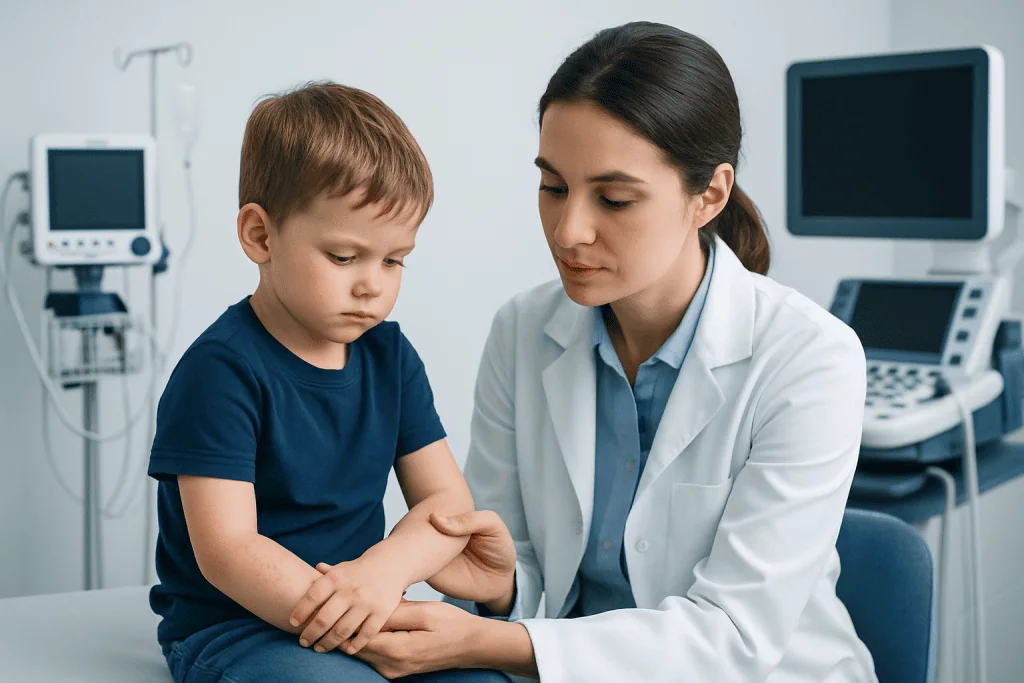
Childhood eczema, also called atopic dermatitis, causes dry, itchy, sensitive skin and tends to flare at times. Daily moisturizing and gentle bathing are the foundation of eczema skin care.
Key Takeaways
- Childhood eczema, also called atopic dermatitis, causes dry, itchy, sensitive skin and tends to flare at times.
- Daily moisturizing and gentle bathing are the foundation of eczema skin care.
- Common triggers include soaps, fragrances, heat, sweating, rough fabrics, infections, and stress.
- A doctor may recommend medicated creams, wet wraps, or other treatments when home care is not enough.
- Medical advice is important if the skin is painful, infected, affecting sleep, or not improving with routine care.
Childhood eczema is a common long-term skin condition that causes dry, itchy, and inflamed skin. With consistent skin care, trigger awareness, and timely treatment of flares, many children can stay more comfortable and protect their skin.
Overview of Childhood Eczema
Childhood eczema usually refers to atopic dermatitis, a long-term inflammatory skin condition that makes the skin dry, itchy, and easily irritated. It often begins in infancy or early childhood, although older children can develop it as well. Symptoms may come and go, with periods of relative calm and times when the skin flares.
Eczema is not contagious, and it is not caused by poor hygiene. In many children, the skin barrier does not hold moisture well, so the skin becomes dry and more vulnerable to irritation. The immune system also plays a role, which is why the skin can react strongly to everyday triggers.
The condition can affect a child’s comfort, sleep, concentration, and quality of life. Scratching may lead to thicker skin, cracks, or even infection. The good news is that regular skin care and appropriate treatment usually help control symptoms and reduce flares.
Symptoms and How Eczema Looks in Children
The main symptoms of childhood eczema are itching, dryness, redness, and patches of irritated skin. In babies, eczema often appears on the cheeks, scalp, and outer parts of the arms and legs. In toddlers and older children, it commonly affects the folds of the elbows, behind the knees, wrists, ankles, neck, and hands.
Skin changes can look different from child to child and may vary by skin tone. Some children have red or pink patches, while others may notice darker brown, purple, or grayish areas. The skin may feel rough, scaly, thickened, or cracked, especially when eczema has been present for a long time.
During flares, the skin may ooze, crust, or become very sensitive. Persistent itching is often the most troublesome symptom, and scratching can create a cycle of more inflammation and more itching. Sleep disturbance is common, especially when itching becomes worse at night.
- Dry, rough, or scaly skin
- Intense itching
- Red, inflamed, or darkened patches
- Skin cracks or soreness
- Oozing or crusting during active flares
- Thickened skin from repeated scratching
Causes and Common Triggers

Childhood eczema is linked to a combination of genetics, skin barrier weakness, and immune system activity. It often runs in families and may be more common in children who also have asthma, hay fever, or food allergies. However, eczema itself is not caused by a single factor, and triggers can vary widely between children.
Many flares happen when the skin is exposed to something irritating or when the child’s body is under stress. Common irritants include fragranced soaps, bubble baths, detergents, shampoos, wool or rough clothing, heat, sweating, and cold dry air. Saliva around the mouth, frequent handwashing, and chlorinated water can also irritate sensitive skin.
Illnesses such as colds or skin infections may worsen eczema. Emotional stress can contribute too. Some children have food allergies, but food is not the main cause of eczema for most children. Restrictive diets should not be started without medical advice, because unnecessary food avoidance can affect nutrition and growth.
When families want to understand whether a child’s rash may be related to other skin conditions, a specialist may also help distinguish eczema from problems such as psoriasis or contact dermatitis.
Diagnosis and When Testing Is Needed
Doctors usually diagnose childhood eczema by asking about symptoms, medical history, and family history, and by examining the skin. In most cases, no special test is needed. The pattern of itching, dryness, and recurring rash often provides enough information for diagnosis.
A doctor may ask when symptoms started, what seems to trigger flares, what products are used on the skin, and whether sleep is affected. It is also helpful to mention any history of asthma, allergies, or frequent infections. Photos of flares can be useful if the rash is mild on the day of the visit.
Testing may be considered if the diagnosis is unclear, the rash is unusually severe, or the child may have another skin condition or allergy. Patch testing can help if allergic contact dermatitis is suspected. Allergy testing is only used when the child’s history suggests a possible allergy that might be contributing to symptoms.
Skin Care Routine for Everyday Control
A simple, regular skin care routine is the foundation of eczema management. Daily moisturizing helps repair the skin barrier and reduce dryness. Thick, fragrance-free creams or ointments are usually preferred over thin lotions because they hold moisture better.
Bathing can help hydrate the skin when done gently. Short baths or showers with lukewarm, not hot, water are generally best. Mild, fragrance-free cleansers should be used only where needed, such as the hands, feet, groin, and underarms. After bathing, the skin should be patted dry rather than rubbed, and moisturizer should be applied promptly while the skin is still slightly damp.
Clothing and laundry habits matter as well. Soft cotton fabrics are often more comfortable than wool or rough materials. Unscented detergents are usually better for sensitive skin, and fabric softeners or fragranced dryer sheets may be worth avoiding if they seem to worsen symptoms.
- Moisturize at least once or twice daily, and always after bathing
- Choose fragrance-free, dye-free skin products
- Keep baths short and lukewarm
- Trim nails short to reduce skin damage from scratching
- Use soft clothing and avoid overheating
- Apply lip or facial barrier ointment if drool or frequent wiping irritates the skin
Treatment Options for Eczema Flares
When daily skin care is not enough, medical treatment may be needed to calm a flare. Doctors commonly prescribe topical anti-inflammatory medicines, such as corticosteroid creams or ointments, to reduce redness and itching. Another option for some children is a non-steroid anti-inflammatory cream or ointment, especially for sensitive areas or longer-term management.
If itching is severe, sleep is poor, or the rash covers larger areas, the doctor may suggest additional steps such as wet wrap therapy. This involves applying medicine and moisturizer, then covering the area with damp and dry layers to soothe the skin and improve absorption. If the skin shows signs of infection, treatment may include antiseptic measures or medicines directed by a doctor.
Children with moderate to severe eczema that does not improve with standard care may need specialist treatment from a dermatologist or pediatric allergy team. In selected cases, options such as phototherapy or advanced immune-targeting therapies may be considered. A specialist may also evaluate whether care from a dermatology team would help create a long-term plan.
Because several itchy skin disorders can look similar, persistent or unclear rashes may need review to rule out problems such as urticaria or infection. Treatment should always be tailored to the child’s age, symptoms, and the areas of skin involved.
Prevention, Self-care, and Supporting a Child at Home
Although eczema cannot always be prevented, many flares can be reduced by protecting the skin barrier and identifying triggers. Keeping a simple symptom diary may help families notice patterns, such as flares after sweating, swimming, illness, or a new product. Preventive skin care works best when it is consistent, even when the skin looks better.
Children often scratch automatically, especially when tired or distracted. Parents and caregivers can help by keeping nails short, using mittens for infants if recommended, choosing soft bedtime clothing, and cooling the bedroom if heat worsens itching. Gentle reassurance is important, because eczema is uncomfortable and can be frustrating for children.
School-aged children may need support with hand care, sports, and swimming. Carrying a small moisturizer, rinsing off sweat after activity, and reapplying emollient after washing can help. If the condition is affecting self-esteem, sleep, or daily routines, discussing these concerns with a doctor is just as important as treating the rash itself.
Near the end of the care pathway, some families seek multidisciplinary evaluation for difficult or recurring symptoms. Acibadem International’s multidisciplinary specialists and JCI-accredited hospitals diagnose and treat childhood skin conditions for international patients when more detailed assessment is needed.
When to See a Doctor
A doctor should assess eczema when the diagnosis is uncertain, the rash is spreading, or home skin care is not bringing enough relief. Medical advice is also important when the itching is interfering with sleep, school, or daily activities. Early treatment can help prevent the skin from becoming more inflamed and damaged by scratching.
Signs that need prompt attention include pain, yellow crusting, pus, rapidly worsening redness, fever, or clusters of blisters. These symptoms can suggest a skin infection or another problem that needs timely treatment. Babies with widespread rash or feeding difficulties should also be reviewed by a healthcare professional.
Parents should not feel they need to manage severe flares alone. A pediatrician, dermatologist, or allergy specialist can help build a practical plan that covers bathing, moisturizing, medicines, and trigger avoidance. Follow-up is especially useful when treatment seems confusing, symptoms keep returning, or stronger therapy may be needed.
Frequently asked questions
Is childhood eczema the same as atopic dermatitis?
Yes. In most health information, childhood eczema usually means atopic dermatitis. It is a common inflammatory skin condition that causes dry, itchy, sensitive skin and tends to flare from time to time.
Can childhood eczema go away?
Many children improve as they get older, but the course is different for each child. Some outgrow most symptoms, while others continue to have sensitive skin or occasional flares later in life.
Does bathing make eczema worse?
Not necessarily. Gentle bathing with lukewarm water can help hydrate the skin if followed by prompt moisturizing. Long, hot baths and harsh soaps are more likely to dry the skin and trigger irritation.
Are food allergies the main cause of eczema in children?
Usually no. Food allergies can play a role in some children, especially when there is a clear history of reactions, but they are not the main cause of eczema for most children. Elimination diets should only be started with medical guidance.
What is the best moisturizer for childhood eczema?
In general, thick fragrance-free creams or ointments are preferred because they help seal in moisture better than thin lotions. The best choice is one the child tolerates well and that can be used consistently every day.
When does eczema need prescription treatment?
Prescription treatment may be needed when the rash is very itchy, inflamed, painful, widespread, or not improving with daily moisturizers and trigger control. A doctor may recommend medicated creams, wraps, or other therapies based on the child’s age and severity.
References
- American Academy of Dermatology
- National Eczema Association
- National Institute of Allergy and Infectious Diseases
- American Academy of Pediatrics
- NHS
This article is for general information only and is not a substitute for professional medical advice. Please consult a qualified doctor about your individual situation.
Eczema in Turkey — costs, top hospitals & a free quote
JCI-accredited · board-certified surgeons · reply within 24h
Add us as a Preferred Source to see more of our trusted health content across Google Search, AI Overviews and Discover.

More from the Health Library



Related Specialists

Prof. Dr. Kahraman Öztürk
Orthopedic Surgery & Traumatology
Dr. Cansu Hemşinlioğlu
Inpatient Clinic Physicians Clinical Service
Dr. Göksel Seçkin
General Surgery
Dr. Ufuk Güngör
Physical Medicine & Rehabilitation