Childhood Muscle Weakness: When Neuropediatrics Should Evaluate Your Child

Muscle weakness in children is different from normal fatigue or temporary low energy. Warning signs include frequent falls, trouble climbing stairs, difficulty rising from the floor, and loss of previously learned motor skills.
Key Takeaways
- Muscle weakness in children is different from normal fatigue or temporary low energy.
- Warning signs include frequent falls, trouble climbing stairs, difficulty rising from the floor, and loss of previously learned motor skills.
- Causes range from short-term illness and nutritional problems to neuromuscular, genetic, inflammatory, or neurological conditions.
- A neuropediatrics assessment often includes a detailed history, physical examination, and selected blood tests, imaging, or nerve and muscle studies.
- Early evaluation can support timely treatment, rehabilitation, and safer daily functioning.
Childhood muscle weakness is not always caused by poor fitness or tiredness. When weakness is persistent, progressive, or interferes with movement, a neuropediatrics evaluation can help identify whether the problem involves muscles, nerves, the spinal cord, or the brain.
Overview: What childhood muscle weakness means
Childhood muscle weakness refers to a reduced ability of a child to move against gravity or perform age-appropriate physical tasks. Parents may notice that a child seems less steady, tires quickly, has difficulty keeping up with peers, or avoids movements that used to be easy. In some cases, the issue is true weakness in the muscles. In others, the underlying problem may involve the nerves, spinal cord, brain, joints, pain, or coordination.
It is helpful to distinguish weakness from ordinary tiredness. A child who is sleepy after a busy day or less active during an illness may simply be fatigued. True weakness is more likely when a child cannot climb stairs, jump, lift the arms well, rise from the floor normally, or maintain posture as expected for their age.
Neuropediatrics focuses on conditions of the nervous system in infants, children, and adolescents. When muscle weakness is ongoing, worsening, asymmetrical, or associated with delayed milestones or developmental regression, specialists in neuropediatrics can help determine whether the problem is neurological or neuromuscular and guide the next steps.
Symptoms and signs parents may notice
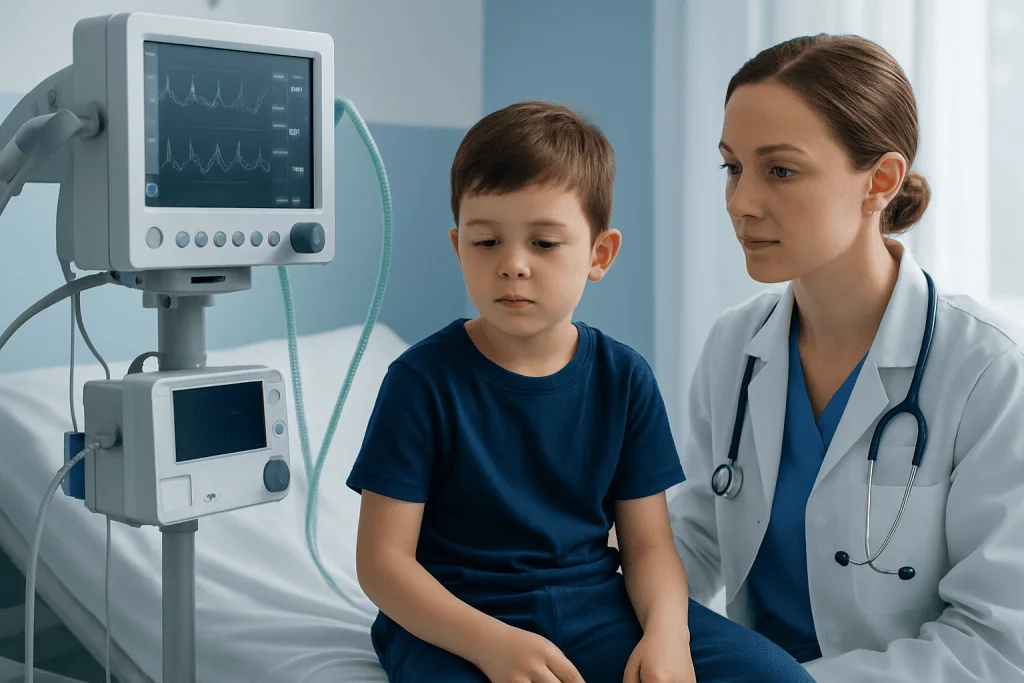
The signs of childhood muscle weakness can vary by age and by the area of the body affected. Babies may feel unusually floppy, have poor head control, feed weakly, or move less than expected. Older children may struggle with running, climbing, jumping, handwriting, lifting objects, or participating in sports.
Parents, teachers, or caregivers often notice patterns rather than one isolated event. A child may fall frequently, trip more than peers, walk on tiptoes, have a waddling gait, complain that the legs feel heavy, or use the hands to push up from the floor or thighs when standing. Weakness can affect the shoulders, hips, hands, face, eye movements, or breathing muscles depending on the cause.
Symptoms that may suggest a need for prompt medical review include:
- Loss of a previously learned motor skill
- Progressive weakness over days, weeks, or months
- Difficulty swallowing, chewing, or speaking clearly
- Shortness of breath or weak cough
- Severe muscle pain, dark urine, or marked fatigue after activity
- Weakness on one side of the body or weakness with changes in sensation
Some children also have associated features such as muscle cramps, twitching, stiffness, tremor, poor balance, numbness, headaches, seizures, or developmental delay. These details can help doctors narrow the likely cause.
Causes and risk factors

Childhood muscle weakness has many possible causes. Some are relatively temporary and reversible, while others require longer-term follow-up. Common broad categories include muscle disorders, nerve disorders, problems affecting the connection between nerves and muscles, spinal cord or brain conditions, metabolic diseases, infections, inflammation, and nutritional deficiencies.
Examples include inherited neuromuscular conditions such as muscular dystrophies, peripheral neuropathies, congenital myopathies, spinal muscular atrophy, inflammatory muscle disease, and disorders of neuromuscular transmission such as myasthenia. Weakness may also appear after viral illness, prolonged bed rest, trauma, toxin exposure, or because of low levels of nutrients such as vitamin D or certain minerals. Some endocrine conditions, including thyroid disorders, can also contribute.
Not every child with apparent weakness has a primary nerve or muscle disease. Pain, joint problems, deconditioning, heart or lung disease, and coordination disorders can make movement seem weak. In some children, delayed motor development may be the first clue to a broader neurological condition. Doctors also consider conditions such as epilepsy or other brain disorders when weakness appears alongside spells, developmental concerns, or abnormal neurological findings.
Risk factors depend on the specific cause but may include a family history of neuromuscular disease, consanguinity, premature birth, previous serious infection, exposure to certain medicines or toxins, autoimmune disease, and a pattern of delayed milestones. Even without clear risk factors, persistent weakness still deserves assessment.
When neuropediatrics should evaluate a child
A neuropediatrics evaluation is appropriate when weakness is unexplained, persistent, progressive, recurrent, or affecting daily activities. This is especially important if a child is missing motor milestones, loses previously gained abilities, falls often, develops an unusual gait, or has weakness in more than one part of the body.
Urgent assessment is needed if weakness begins suddenly, follows an infection and rapidly worsens, affects breathing or swallowing, or appears with severe headache, seizure, confusion, or weakness on one side. These patterns can point to conditions that need immediate medical attention.
Specialist review can also be helpful when the diagnosis is uncertain after a general pediatric assessment. Neuropediatricians are trained to separate true weakness from fatigue, pain avoidance, or coordination problems and to decide whether the source is most likely in the brain, spinal cord, peripheral nerves, neuromuscular junction, or muscle itself.
In practice, referral may happen together with other specialties. Depending on findings, the child may also need input from genetics, rehabilitation, pulmonology, orthopedics, nutrition, or developmental pediatrics. The goal is not only to identify a diagnosis but also to protect mobility, breathing, nutrition, learning, and quality of life.
How doctors diagnose the cause
Diagnosis starts with a careful medical history. The doctor will ask when the weakness began, whether it is stable or worsening, which body parts are involved, and whether it is triggered by exercise, infection, or time of day. Birth history, developmental milestones, school performance, family history, medications, and other symptoms are also important.
The physical and neurological examination often provides major clues. The clinician assesses muscle strength, tone, reflexes, coordination, gait, posture, joint flexibility, and signs of muscle wasting or enlargement. The doctor may ask the child to run, hop, rise from the floor, lift the arms, or walk on the heels and toes.
Tests are chosen based on the suspected cause and may include blood tests such as creatine kinase, inflammatory markers, thyroid studies, vitamin levels, or metabolic screening. Additional studies may include magnetic resonance imaging with MRI scanning, nerve conduction studies and electromyography, genetic testing, or, less commonly, muscle biopsy. If seizures, episodes of unresponsiveness, or other brain-related symptoms are present, doctors may also use EEG as part of the evaluation.
Sometimes the process takes time, especially when rare inherited conditions are considered. Even when a final label is not immediately available, early supportive care and follow-up can still begin. Families usually benefit from clear explanations of what has been ruled out, what remains possible, and which changes should prompt earlier review.
Treatment options and supportive care
Treatment depends on the cause of the weakness. Some children improve when the underlying problem is corrected, such as replacing nutritional deficiencies, treating thyroid disease, managing inflammation, or recovering from a temporary infection-related condition. Others may need long-term care for inherited or chronic neurological disorders.
Medical treatment may include medicines that reduce inflammation, support neuromuscular transmission, control seizures if present, or address specific metabolic or genetic conditions when suitable. In selected cases, imaging and specialist procedures are part of diagnosis and monitoring, and some children may also need rehabilitation planning alongside medical care.
Supportive therapies are often essential regardless of diagnosis. These may include physiotherapy to maintain strength and flexibility, occupational therapy for daily skills and hand function, speech and swallowing support, nutritional assessment, respiratory care, and orthotic devices. If a child has related developmental concerns, evaluation for conditions such as cerebral palsy may help shape therapy goals.
For complex cases, multidisciplinary care is valuable. Near the end of the care pathway, some families seek coordinated review in centers where child neurologists, rehabilitation specialists, geneticists, and imaging teams work together. Acibadem International’s multidisciplinary specialists in JCI-accredited hospitals diagnose and treat neurological and neuromuscular conditions in international patients when this level of assessment is needed.
What parents can do at home and when to seek help
Parents can support the evaluation by observing patterns carefully. Helpful details include when weakness appears, what activities are difficult, whether symptoms fluctuate, and whether there are changes in speech, swallowing, breathing, mood, or school performance. Short videos of gait or movement difficulties can sometimes help clinicians understand what happens at home.
At home, it is best to encourage safe activity without pushing a child beyond their limits. Balanced nutrition, good sleep, hydration, and regular follow-up are sensible measures, but they do not replace medical assessment when true weakness is present. Families should avoid starting supplements or intensive exercise programs without professional advice, since some muscle conditions can worsen with inappropriate strain.
Parents should arrange medical review if a child has unexplained weakness lasting more than a short period, repeated falls, delayed milestones, or new difficulty with stairs, running, rising from the floor, or using the hands. Urgent care is needed for breathing trouble, choking, inability to walk, sudden one-sided weakness, severe drowsiness, or rapidly progressive symptoms. If there are episodes suggesting brain involvement, doctors may investigate further with tools such as neurological rehabilitation planning after diagnosis and treatment.
Frequently asked questions
Is childhood muscle weakness always a serious problem?
Not always. Some children seem weak because of fatigue, pain, poor conditioning, or a short-term illness. However, persistent, progressive, or unexplained weakness should be assessed because it can sometimes reflect a nerve, muscle, or brain-related condition.
What is the difference between weakness and tiredness in a child?
Tiredness usually improves with rest, sleep, hydration, or recovery from illness. True weakness means the child cannot do a movement or task normally, such as climbing stairs, standing up from the floor, or lifting the arms, even when they are trying.
When should a child see a neuropediatric specialist?
A child should be considered for neuropediatrics review if weakness is ongoing, worsening, affects walking or daily activities, or is linked with delayed milestones or loss of skills. Urgent assessment is important if breathing, swallowing, or sudden one-sided weakness is involved.
How do doctors test muscle weakness in children?
Doctors begin with a detailed history and physical examination, including observation of gait, posture, strength, reflexes, and coordination. Depending on the findings, they may order blood tests, imaging, nerve and muscle studies, or genetic testing.
Can childhood muscle weakness be treated?
Treatment depends on the cause. Some problems improve with correction of nutritional or hormonal issues or with treatment of inflammation or infection, while chronic neuromuscular conditions may need long-term medical care and rehabilitation.
Can a child with muscle weakness still exercise?
Often yes, but the type and amount of activity should be guided by a doctor or therapist. Safe, tailored movement can help maintain function, while overly intense or unsuitable exercise may be unhelpful in some muscle disorders.
References
- World Health Organization
- Centers for Disease Control and Prevention
- National Institute of Neurological Disorders and Stroke
- American Academy of Pediatrics
- Muscular Dystrophy Association
This article is for general information only and is not a substitute for professional medical advice. Please consult a qualified doctor about your individual situation.
Neuropediatrics in Turkey — costs, top hospitals & a free quote
JCI-accredited · board-certified surgeons · reply within 24h
Add us as a Preferred Source to see more of our trusted health content across Google Search, AI Overviews and Discover.