Children’s Adhd Therapy: How It Works, Results and What to Expect

ADHD therapy is tailored to the child's age, symptoms, strengths, daily needs and coexisting conditions. Behavioral parent training and coordinated school support are central parts of care, particularly for younger children.
Key Takeaways
- ADHD therapy is tailored to the child's age, symptoms, strengths, daily needs and coexisting conditions.
- Behavioral parent training and coordinated school support are central parts of care, particularly for younger children.
- Medication may be considered when symptoms significantly affect functioning and should be monitored by a qualified clinician.
- Progress is usually gradual and is assessed through practical changes at home, school and in social settings.
- A comprehensive assessment helps distinguish ADHD from, or identify alongside, learning, sleep, emotional and developmental concerns.
Children's ADHD therapy is an individualized care plan that commonly includes parent training, behavioral strategies at home and school, and sometimes medication. It aims to help a child manage attention, activity level and impulsive behavior while supporting learning, relationships and self-esteem.
How Children's ADHD Therapy Works
Children’s ADHD therapy works by combining practical behavioral support with medical and educational care when needed. Attention-deficit/hyperactivity disorder (ADHD) is a neurodevelopmental condition that can affect a child’s ability to sustain attention, organize tasks, regulate activity and pause before acting. Treatment does not aim to change a child’s personality; it aims to reduce impairments and help the child use their abilities more effectively.
A care plan is typically based on how symptoms affect everyday life. This may include difficulties completing schoolwork, following routines, managing emotions, getting along with peers or staying safe in situations that require impulse control. Goals are concrete and measurable, such as improving morning routines, reducing classroom disruptions, completing a short homework period or developing more positive parent-child interactions.
Effective care commonly involves the child, parents or caregivers, school staff and healthcare professionals. A clinician may coordinate behavioral therapy, learning supports, treatment for coexisting concerns and medication monitoring. Plans are reviewed regularly because needs can change as a child develops and school demands increase.
Who May Benefit From ADHD Therapy?
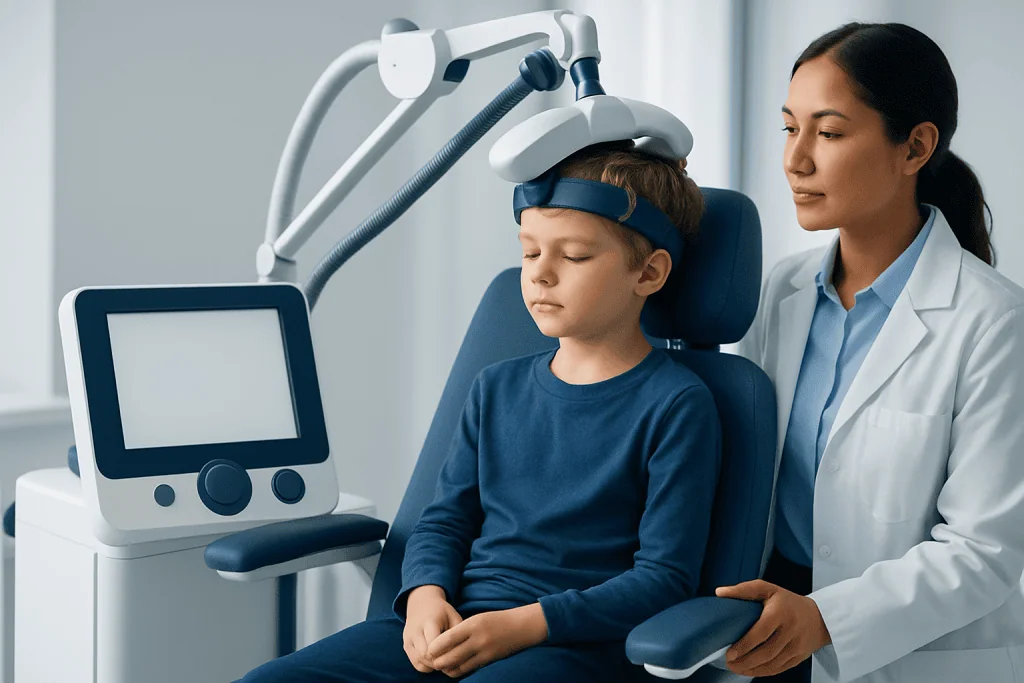
A child may benefit from ADHD therapy when persistent patterns of inattention, hyperactivity or impulsivity interfere with functioning in more than one setting, such as home and school. Symptoms must be considered in the context of the child’s developmental stage. Many children are occasionally energetic, distracted or forgetful; an ADHD assessment looks at whether these patterns are frequent, long-lasting and causing meaningful difficulties.
Therapy can be useful for children with predominantly inattentive symptoms, predominantly hyperactive-impulsive symptoms, or a combined presentation. It may also help when ADHD occurs alongside anxiety, low mood, learning differences, language difficulties, autism spectrum disorder, oppositional behavior, sleep problems or tic disorders. Identifying coexisting needs helps make treatment more appropriate and avoids assuming that every difficulty is caused by ADHD alone.
For preschool-aged children, evidence-based parent training in behavior management is generally the preferred first approach. For school-aged children and adolescents, clinicians often recommend a combination of behavioral interventions, school-based supports and, when clinically appropriate, medication. The most suitable approach is decided with the family after a full evaluation.
Assessment and Diagnosis Before Treatment

There is no single laboratory test or brain scan that diagnoses ADHD. Diagnosis is made by a qualified healthcare professional using a detailed developmental, medical, behavioral and family history. The clinician will ask about symptoms over time, their impact at home and school, and whether they began in childhood.
Information from more than one setting is important. Parents, teachers and sometimes the child may complete standardized behavior rating scales. The assessment may also include discussion of school reports, learning progress, sleep habits, hearing or vision concerns, emotional wellbeing, family stresses and current medicines. Physical examination may be recommended to assess general health and obtain baseline measurements before certain treatments.
Assessment is also an opportunity to explain the condition in an age-appropriate, non-stigmatizing way. Families can discuss their concerns, priorities, cultural preferences and practical circumstances. A good treatment plan is collaborative and recognizes the child’s strengths as well as the areas where support is needed.
What Happens During Children's ADHD Therapy?
Although ADHD care is sometimes described as a procedure, it is usually an ongoing process rather than a one-time treatment. After assessment, the clinician and family agree on a small number of priority goals. They then choose interventions that fit the child’s age, symptom pattern, school environment and family routine.
Behavioral parent training teaches caregivers how to give clear, brief instructions; create predictable routines; notice and reinforce desired behavior; and use calm, consistent consequences when rules are broken. Sessions may include role-playing, home practice and review of what worked or was difficult between appointments. The aim is not to blame parents, but to provide practical tools that can reduce conflict and support the child’s progress.
School strategies may include seating choices, written and verbal instructions, task lists, movement breaks, extra time when appropriate, reduced distraction and frequent positive feedback. The child may also receive skills-based support for organization, emotional regulation or social problem-solving. For older children and teenagers, structured psychological therapies may help with planning, coping skills, self-esteem and coexisting anxiety or low mood.
When medication is part of the plan, a prescribing clinician discusses expected effects, possible side effects and monitoring. Medication is usually started carefully and reviewed over time, alongside—not instead of—behavioral and educational support. Families should not start, stop or change ADHD medicines without medical guidance.
Expected Results and Recovery Timeline
There is no physical recovery period after behavioral ADHD therapy. Instead, improvement develops over time as families practice strategies consistently and the child gains skills. Some families notice helpful changes in routines or communication within several weeks, while more complex difficulties may require longer-term support and adjustments.
Progress is best assessed through everyday outcomes rather than a single score. Examples include fewer missed instructions, smoother transitions, improved task completion, less disruptive behavior, better peer interactions or reduced stress at home. Symptoms may not disappear completely, and children can still have challenging days. The goal is meaningful improvement in functioning and wellbeing.
If medication is prescribed, its effects and tolerability are reviewed regularly. Some medicines may have effects on attention and activity level soon after they are taken, but finding the most suitable option and schedule can take time. Clinicians commonly monitor appetite, sleep, mood, growth and vital signs as appropriate, while also asking families and teachers about day-to-day functioning.
ADHD support may be revisited at key transitions, such as starting school, changing classrooms, entering adolescence or preparing for adult services. A plan that was helpful at one age may need updating as the child’s responsibilities and environment change.
Benefits, Limitations and Possible Risks
Potential benefits of children’s ADHD therapy include better daily organization, improved participation in learning, more positive family interactions and greater confidence. Behavioral approaches can give caregivers and children tools that remain useful over time. School accommodations can reduce barriers without lowering appropriate expectations for the child.
No treatment works identically for every child. Progress can be affected by inconsistent routines, limited access to school support, untreated sleep difficulties, family stress, learning needs or coexisting mental health conditions. When progress is slower than expected, this does not mean the child or family has failed; it is a reason to review goals, reassess contributing factors and adjust the plan.
Behavioral therapy itself has few medical risks, though discussing difficult behavior patterns can sometimes feel emotionally demanding for families. Medication can cause side effects, which vary by medicine and child. Possible concerns may include reduced appetite, sleep changes, headaches, stomach discomfort, irritability or changes in mood. Serious effects are uncommon but should be discussed with the prescriber, and new or troubling symptoms should be reported promptly.
Families should be cautious about products marketed as cures for ADHD, particularly those that promise rapid results without assessment or follow-up. Evidence-based treatment is individualized, monitored and delivered by appropriately trained professionals.
Supporting Therapy at Home and School
Simple, consistent structures can make ADHD therapy more effective. Families may find it helpful to use visual schedules, prepare school materials the night before, break larger tasks into smaller steps and offer one instruction at a time. Specific praise—for example, recognizing that a child started homework when asked—is often more useful than general praise alone.
Regular sleep routines, physical activity, balanced meals and planned screen use support overall health and may make symptom management easier. These measures do not replace clinical treatment, but they can strengthen a broader care plan. If sleep, eating, mood or family conflict is a concern, it is important to raise this with the treating team.
Communication between caregivers and school staff can help ensure strategies are consistent. A brief home-school note, scheduled check-ins or a shared behavior goal may be useful when appropriate. The child should be included in discussions in a way that matches their age and understanding, so they can identify what helps them succeed.
Acibadem International’s multidisciplinary specialists and JCI-accredited hospitals support international patients requiring assessment and treatment planning for ADHD and related developmental or behavioral concerns.
When to Seek Medical Care
Parents or caregivers should arrange an appointment with a pediatrician, child psychiatrist, psychologist or other qualified clinician when attention, activity level or impulsive behavior is affecting learning, friendships, family life or safety. An evaluation is also appropriate when a teacher raises repeated concerns, when a child seems distressed by their difficulties, or when behavior changes noticeably.
Prompt medical advice is important if a child talks about self-harm, seems severely depressed or anxious, has major sleep disruption, experiences marked changes in mood or behavior, or develops concerning symptoms after starting a medication. In an immediate safety emergency, families should contact local emergency services or seek urgent emergency care.
Families should also seek review if an established treatment plan is no longer helping, side effects occur, or school demands have changed. Regular follow-up allows the team to adjust support before difficulties become more disruptive.
Frequently asked questions
What is the most effective therapy for children with ADHD?
The most effective approach depends on the child's age, symptoms, daily difficulties and coexisting needs. Behavioral parent training, school supports and medication when appropriate are commonly combined. A qualified clinician can help the family select and monitor an individualized plan.
Can a child with ADHD improve without medication?
Some children benefit substantially from behavioral therapy, parent training and school-based interventions without medication. Medication may be considered when symptoms remain significantly impairing despite these supports, or when clinical assessment suggests it is appropriate. The decision should be made jointly with an experienced prescriber.
How long does ADHD therapy take to work?
Behavioral therapy usually involves learning and practicing skills over weeks to months, so improvements are often gradual. The timing varies according to the child's needs, consistency of support and whether there are coexisting conditions. Regular reviews help identify meaningful changes and refine the plan.
Does ADHD therapy involve talking therapy for the child?
It can, particularly for older children and adolescents who may benefit from structured skills-based therapy. However, parent training and changes in the child's daily environment are often especially important for younger children. Therapy may also address anxiety, low mood, social difficulties or self-esteem when present.
Will ADHD medication change a child's personality?
Appropriately prescribed medication is intended to reduce impairing symptoms, not change a child's personality. If a child appears unusually withdrawn, irritable, overly quiet or otherwise unlike themselves, the family should contact the prescribing clinician. The treatment plan may need adjustment.
How can parents help a child with ADHD at home?
Helpful approaches include predictable routines, short and clear instructions, visual reminders, small manageable tasks and specific positive feedback. Parents can also work with the child's school and keep follow-up appointments. Support is most effective when strategies are consistent and realistic for the family.
References
- American Academy of Pediatrics
- Centers for Disease Control and Prevention
- National Institute of Mental Health
- National Institute for Health and Care Excellence
- American Academy of Child and Adolescent Psychiatry
This article is for general information only and is not a substitute for professional medical advice. Please consult a qualified doctor about your individual situation.
ADHD in Turkey — costs, top hospitals & a free quote
JCI-accredited · board-certified surgeons · reply within 24h
Add us as a Preferred Source to see more of our trusted health content across Google Search, AI Overviews and Discover.

More from the Health Library



Related Specialists

Dr. Ahmet Arif Ağlar
Cardiovascular Surgery
Prof. Dr. Ersin Özaslan
Medical Oncology
Dr. Volkan Fürüzan
Emergency Service
Assoc. Prof. Dr. Elif Ganime Aygün
Gynecology & Obstetrics