Childrens Sma Specialist: An Evidence-Based Patient Guide
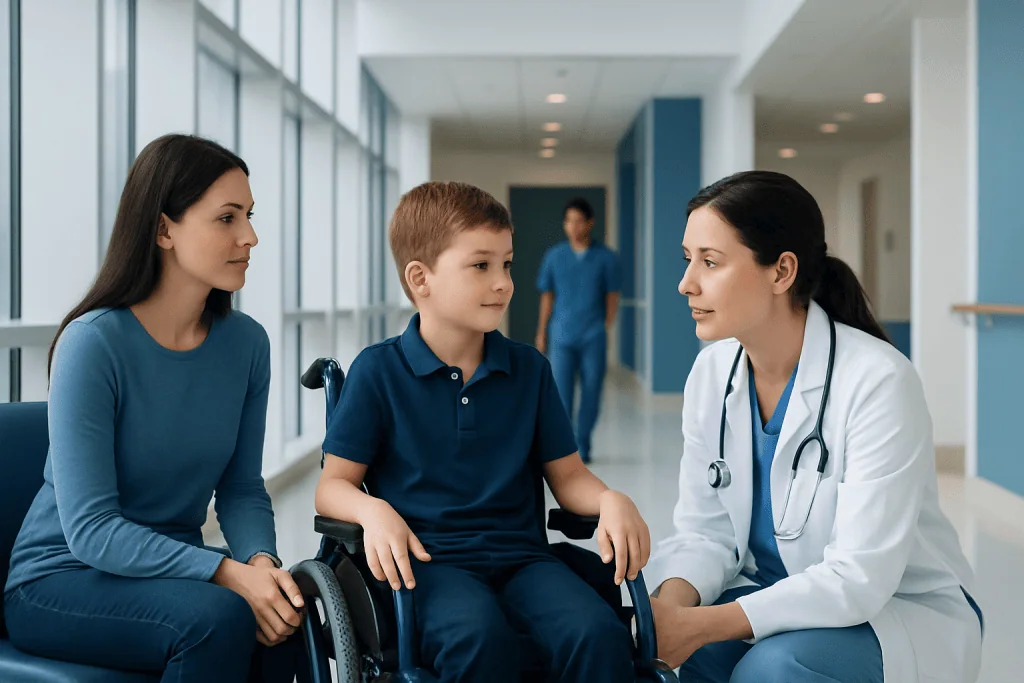
A childrens SMA specialist should be involved promptly when SMA is suspected or identified on newborn screening. SMA is confirmed with genetic testing and assessed through motor, respiratory, feeding and orthopedic evaluations.
Key Takeaways
- A childrens SMA specialist should be involved promptly when SMA is suspected or identified on newborn screening.
- SMA is confirmed with genetic testing and assessed through motor, respiratory, feeding and orthopedic evaluations.
- Disease-modifying therapies may alter the course of SMA, particularly when started early, but they require individualized planning and monitoring.
- Care commonly includes pediatric neurology, pulmonology, rehabilitation, nutrition, orthopedics, speech and language therapy, and psychosocial support.
- Families benefit from an ongoing care plan that adapts as the child grows, starts school and develops new needs.
A childrens SMA specialist is usually a pediatric neurologist with expertise in neuromuscular conditions who leads care for children with spinal muscular atrophy (SMA). Early assessment and coordinated treatment can support motor function, breathing, nutrition, communication and family wellbeing throughout childhood.
Overview: What Does a Childrens SMA Specialist Do?
A childrens SMA specialist is typically a pediatric neurologist or pediatric neuromuscular physician experienced in spinal muscular atrophy (SMA). This clinician confirms or reviews the diagnosis, explains the expected pattern of disease, discusses treatment options and coordinates a team around the child. Because SMA can affect muscles used for movement, breathing, swallowing and posture, care is broader than one appointment or one medicine.
SMA is an inherited neuromuscular condition caused in most cases by changes in the SMN1 gene. These changes reduce survival motor neuron (SMN) protein, which is needed by motor nerve cells that control voluntary muscles. The condition varies considerably: some children develop symptoms very early, while others sit, stand or walk before weakness becomes noticeable. A specialist helps families understand what the child’s individual findings mean rather than relying only on an SMA type label.
Early referral is important, especially after a positive newborn screening result or new signs of weakness. A specialist can arrange a timely SMA evaluation and help families access appropriate treatment, therapy and SMA patient resources. The goal is to preserve abilities where possible, prevent avoidable complications and support the child’s participation in family life, education and social activities.
How SMA Is Assessed and Confirmed
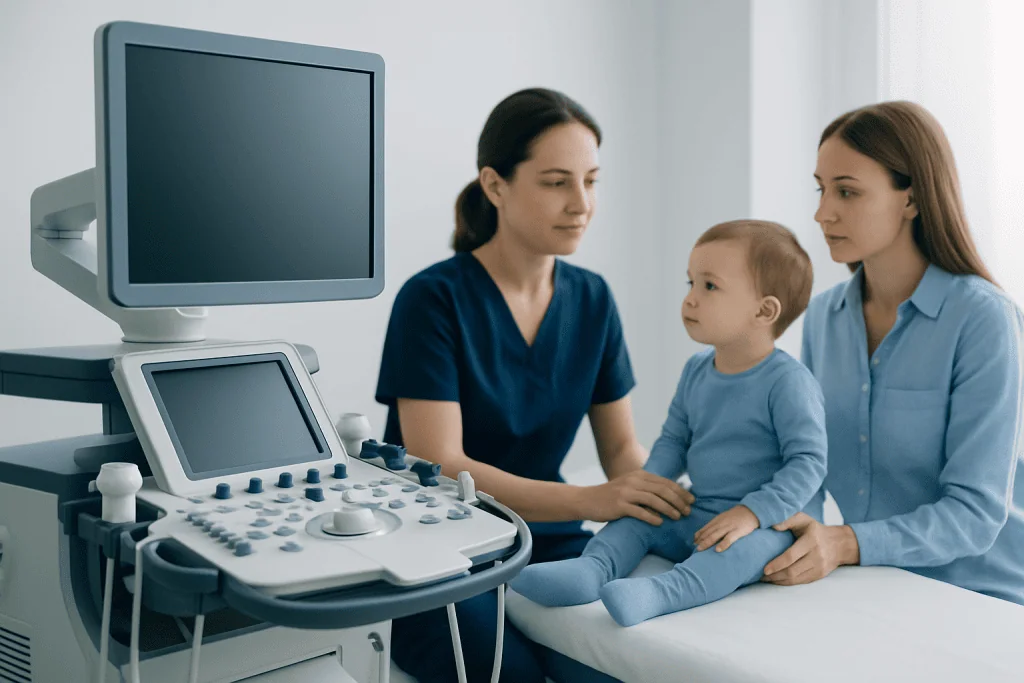
The central test for SMA is a blood-based genetic test that looks for absent or altered copies of the SMN1 gene. Newborn screening in some countries identifies many babies before symptoms begin, but a diagnostic genetic test is still used to confirm the result. The care team may also measure the number of SMN2 gene copies, as this can help inform discussions about likely disease severity, although it cannot predict every child’s course.
A thorough SMA evaluation also establishes a baseline before treatment and follows change over time. The specialist will ask about pregnancy and birth history, developmental milestones, feeding, coughing, breathing during sleep, fatigue, falls and family history. The physical examination considers muscle strength, tone, reflexes, joint movement, spine shape and motor skills appropriate for the child’s age.
Additional assessments are selected according to the child’s needs. These may include standardized motor scales, lung-function testing when developmentally possible, sleep-related breathing evaluation, swallowing assessment, nutritional review, scoliosis imaging and bone-health assessment. A child with speech, language, feeding or communication concerns may benefit from speech and language evaluation. Families looking for detailed clinical frameworks may encounter the reference Children’s Speech: An Evidence-Based Approach to Assessment and Intervention, 1st Edition; however, a child’s plan should always be individualized by qualified clinicians.
Testing is not meant to create a fixed forecast. Instead, it gives the team a practical starting point for treatment decisions, monitoring and conversations about goals that matter to the child and family.
Who Should Be Referred and When to Seek Medical Care
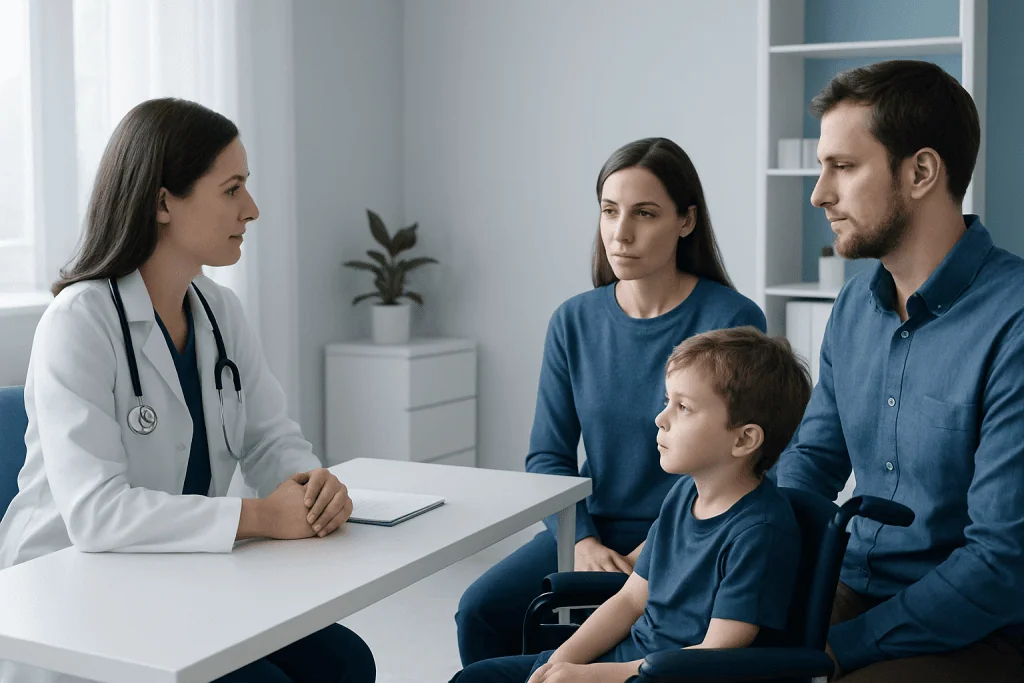
A child should be referred to a childrens SMA specialist promptly after a positive newborn screening result, known familial SMA-related genetic finding or confirmed diagnosis. Referral is also appropriate for infants and children with unexplained low muscle tone, weakness, reduced reflexes, delayed motor milestones, loss of previously acquired skills, a weak cry, difficulty sucking or swallowing, or recurrent chest infections. These symptoms can have several causes, so medical assessment is important rather than assuming SMA.
Parents and caregivers should seek urgent medical care if a child has breathing difficulty, bluish or gray lips or skin, pauses in breathing, marked chest retractions, choking with breathing distress, unusual sleepiness, dehydration, or an inability to clear secretions. These signs need prompt assessment regardless of whether SMA has already been diagnosed.
Regular follow-up is still important when the child seems stable. Muscle strength, growth, breathing and spine alignment can change gradually, and care plans may need adjustment during infections, growth spurts, surgery planning or transitions to school. The specialist can also guide families toward reliable SMA patient education and local support services.
Treatment Planning: How It Works and Who May Be a Candidate
SMA care combines disease-modifying treatment with supportive, preventive and rehabilitative care. Disease-modifying therapies are designed to increase the availability of SMN protein through different mechanisms. They do not reverse all existing nerve-cell loss, and expected benefit differs among individuals, but early treatment is generally important because motor neurons lost before treatment may not be restored.
Available options may include medicines given into the fluid around the spinal cord, medicines taken by mouth, or one-time gene-replacement therapy in selected children. The choice depends on age, weight, symptoms, motor and respiratory status, laboratory findings, previous treatment, local regulatory approval and practical considerations. The specialist explains potential benefits, limitations, monitoring needs and the route of administration so that caregivers can participate meaningfully in shared decision-making.
Candidacy is not determined by a single test result. A child’s medical stability, liver function, platelet count, infection status, ability to safely receive anesthesia or sedation if needed, and family preferences may all be relevant. Treatment decisions should be made with an experienced pediatric neuromuscular team. Spinal muscular atrophy treatment may include both disease-modifying therapy and coordinated supportive care.
Families should be cautious about unproven treatments promoted online. A reputable specialist can discuss emerging research, clinical trials when appropriate, and realistic treatment goals without delaying established care.
What Treatment Visits May Involve: Step by Step
The process usually begins with confirmation of the diagnosis and a baseline review of movement, breathing, feeding, growth and daily function. The team then discusses which therapy or combination of supportive interventions fits the child’s circumstances. Before starting a medicine, clinicians may order blood tests, review vaccination needs, discuss infection prevention and explain what monitoring will occur.
For an oral therapy, caregivers receive instructions on safe administration, storage, follow-up testing and when to contact the team. For therapy delivered into the spinal fluid, the child may need a planned procedure in a hospital setting, sometimes with imaging guidance or sedation depending on age and anatomy. One-time gene-replacement treatment is delivered by intravenous infusion and requires structured pre-treatment and post-treatment laboratory monitoring.
At follow-up visits, the team tracks motor abilities and checks for treatment-related concerns. Respiratory clinicians may review cough strength, sleep and airway clearance. Dietitians assess growth and feeding, while physiotherapists and occupational therapists address positioning, mobility, stretching, equipment and independence. Orthopedic input may be needed for hip stability, contractures or scoliosis.
Although some families first seek care through an SMA children’s hospital program, the most important feature is access to a coordinated pediatric neuromuscular service. Care may be delivered locally with support from a regional specialist center, particularly when travel is difficult.
Recovery, Ongoing Monitoring, Benefits and Risks
There is no single recovery timeline in SMA because the condition and treatments differ widely. After a procedure-based therapy, recovery from sedation or anesthesia is often short, but the clinical benefit of disease-modifying treatment is evaluated over months and longer. Some children gain or maintain motor skills, while others may mainly benefit through slower progression or improved stability. The team assesses results using repeated functional measures and everyday goals, not a single milestone alone.
Potential benefits of comprehensive SMA care include earlier access to treatment, better monitoring of breathing and nutrition, support for mobility and communication, and prevention or management of secondary problems. Physical and occupational therapy can help preserve joint range, improve safe participation and identify appropriate seating, standing or mobility equipment. Speech and language clinicians can support speech, swallowing and alternative communication when needed.
Each disease-modifying therapy has specific potential risks. Depending on the option, these can include laboratory abnormalities, liver-related effects, lowered platelet levels, kidney-related monitoring concerns, procedure-related headache or discomfort, and reactions related to infusion or sedation. The clinical team explains the relevant risks before treatment and uses scheduled monitoring to identify concerns early.
Supportive interventions also require review. For example, a brace, cough-assist device, feeding plan or mobility aid should be adjusted as the child grows. Families should report new weakness, feeding changes, pain, sleep disruption or respiratory symptoms rather than waiting for the next routine visit.
Daily Living, School and Family Support
Daily SMA care is individualized. It may involve a home respiratory plan, vaccines and infection-prevention measures recommended by the child’s clinicians, nutrition support, gentle range-of-motion activities, posture management and equipment for mobility or transfers. Exercise recommendations should come from the rehabilitation team; excessive fatigue or painful activity should be avoided. Families should ask the care team how to adapt routines during fever, respiratory illness, travel or surgery.
School planning is an important part of long-term care. The team can provide information about access, seating, fatigue management, emergency planning, physical education modifications and assistive technology. Children should be included in age-appropriate discussions about their goals and preferences. Emotional support for the child, parents, siblings and caregivers can be valuable, particularly after diagnosis or during major transitions.
Reliable SMA patient resources can help families understand the condition and prepare questions for appointments, but online information should not replace personalized medical advice. Genetic counseling can explain inheritance, carrier testing and reproductive options for relatives who wish to explore them.
Acibadem International’s multidisciplinary specialists and JCI-accredited hospitals provide diagnosis and treatment planning for international patients with SMA, with care coordinated across pediatric neurology, rehabilitation and other relevant services.
Preparing for a Specialist Appointment
Bringing organized information can make a first visit more useful. Caregivers may wish to bring newborn screening and genetic reports, previous clinic notes, medication lists, immunization records, growth charts, therapy reports and short videos that show the child’s typical movement, breathing or feeding concerns. It is also helpful to write down symptoms, their timing and any recent changes in abilities.
Families can ask how SMA is affecting the child now, which monitoring tests are needed, whether treatment should begin or change, and what benefits and risks are realistic. Questions about respiratory support, nutrition, therapy frequency, equipment, school planning and emergency contacts are also appropriate. The team should explain when and how to get urgent help between scheduled appointments.
A specialist relationship is ongoing. Follow-up timing depends on the child’s age, treatment plan, symptoms and developmental stage. Clear communication between the family, primary pediatrician, local therapists and specialist team helps make care safer and more consistent.
Frequently asked questions
What is a childrens SMA specialist?
A childrens SMA specialist is usually a pediatric neurologist with expertise in neuromuscular disorders, including spinal muscular atrophy. They confirm the diagnosis, guide disease-modifying treatment decisions and coordinate respiratory, nutrition, rehabilitation and orthopedic care.
How is SMA diagnosed in children?
SMA is usually confirmed with genetic testing for changes involving the SMN1 gene. The child may also have motor, respiratory, feeding and nutritional assessments to understand current needs and establish a baseline for follow-up.
Should a baby with a positive SMA newborn screen see a specialist even without symptoms?
Yes. A positive newborn screen needs timely confirmatory testing and assessment by an experienced pediatric neuromuscular team. Treatment planning is often time-sensitive because early therapy may help preserve motor neuron function.
Can SMA treatment cure spinal muscular atrophy?
Current disease-modifying treatments do not provide a complete cure for SMA. They can increase SMN protein and may improve or preserve function, particularly when started early, but children still need individualized long-term monitoring and supportive care.
Which professionals may be involved in an SMA care team?
The team may include pediatric neurology, pulmonology, physiotherapy, occupational therapy, speech and language therapy, nutrition, orthopedics, nursing, social work and genetic counseling. The exact team depends on the child’s symptoms, age and goals.
What symptoms need urgent medical attention in a child with SMA?
Urgent assessment is needed for breathing difficulty, blue or gray color around the lips or skin, pauses in breathing, choking with respiratory distress, severe difficulty clearing secretions, dehydration or unusual drowsiness. Caregivers should follow the child’s individualized emergency plan when one is available.
References
- Cure SMA
- Muscular Dystrophy Association
- National Institute of Neurological Disorders and Stroke
- American Academy of Pediatrics
- European Neuromuscular Centre
This article is for general information only and is not a substitute for professional medical advice. Please consult a qualified doctor about your individual situation.
Joint and spine care in Turkey — expert assessment & treatment
JCI-accredited · board-certified surgeons · reply within 24h
Add us as a Preferred Source to see more of our trusted health content across Google Search, AI Overviews and Discover.